heat proof jacket
CN → US| HS Code | Tariff Rate | Origin | Destination | Doc |
|---|---|---|---|---|
| 6210205020 | 24.6% | CN | US | Official Doc |
| 6210305020 | 24.6% | CN | US | Official Doc |
| 3926206000 | 35.0% | CN | US | Official Doc |
| 3926901000 | 20.9% | CN | US | Official Doc |
Product Images
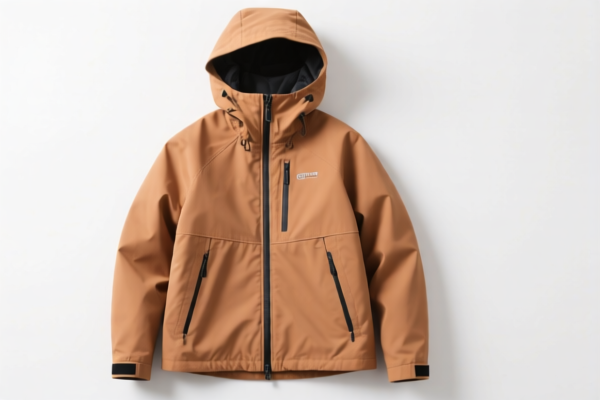
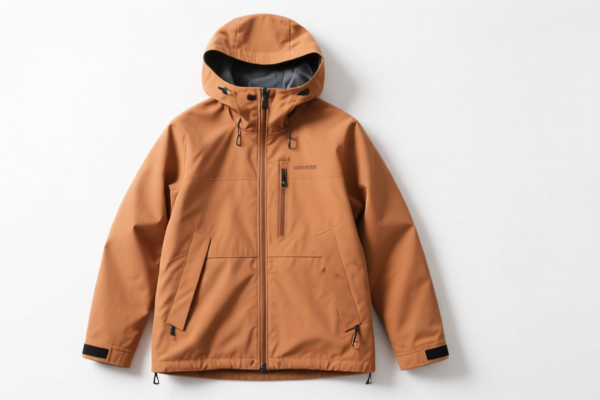
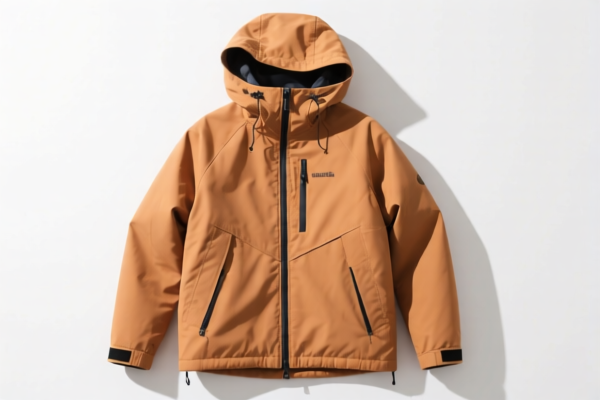

AI Analysis
🔥 Heat Proof Jackets (Industrial & Recreational Outerwear)
🌐 HS Code Reference & Clearance Guide | 2026 Latest Tariff Analysis | Professional Customs Strategy
📌 I. Product Definition & Classification: Do You Really Understand "Heat Proof Jackets"?
"Heat Proof Jacket" is a broad term in international trade. It generally refers to outerwear designed to protect the wearer from high temperatures, flames, or chemical splashes. However, the HS Code classification and applicable tariffs depend entirely on the material composition and intended use.
In the provided dataset, these products are split into two distinct categories: 1. Plastic Rainwear (PVC-based): Protective outerwear made of plastics, often used for wet/heavy rain or light industrial protection. 2. Technical/Performance Garments (Man-made Fibers): High-performance outerwear (like anoraks/windbreakers) made from technical fabrics (e.g., coated nylon/polyester), often used for sports or specific industrial applications.
⚠️ Key Distinction Point:
- If the jacket is primarily defined as "Plastic Rainwear" with an outer shell of Polyvinyl Chloride (PVC), it falls under Chapter 39.
- If the jacket is defined as "Technical Outerwear" (e.g., ski-jackets, wind-breakers, recreational performance wear) made from man-made fibers (even if heat-resistant coatings are present), it falls under Chapter 62.
📦 II. HS Code Classification Details (2026 Latest Tariff Authority Comparison)
| HS Code | Product Description | Key Characteristics | Primary Material | Tariff Status |
|---|---|---|---|---|
3926.20.60.00 |
Plastic Rainwear (Jackets, coats, parkas, slickers) | Features an outer shell of Polyvinyl Chloride (PVC) plastic. May have attached hoods. | PVC Plastic | ⚠️ High Tariff (25%) |
6210.20.50.20 |
Recreational Performance Outerwear (Men/Boys) | Anoraks, ski-jackets, wind-breakers. Of the type in heading 6201. | Man-Made Fibers (e.g., Nylon/Polyester) | ✅ 0% Tariff |
6210.30.50.20 |
Recreational Performance Outerwear (Women/Girls) | Anoraks, ski-jackets, wind-breakers. Of the type in heading 6202. | Man-Made Fibers (e.g., Nylon/Polyester) | ✅ 0% Tariff |
🔍 Critical Note:
- The term "Heat Proof" in your input is ambiguous. If the product is truly industrial fire-resistant gear (e.g., for firefighters), it might still fall under 6210 if it is "made up of fabrics of heading 5602/5603/5903/5906/5907."
- DO NOT classify high-tech fire-resistant suits as3926.20.60.00unless they are specifically PVC rainwear. PVC is generally not suitable for extreme high-heat industrial firefighting; it is for rain/wet environments. Misclassification here leads to significant errors.
💰 III. 2026 Latest Tariff Rate Detailed Breakdown (Including Surtaxes & Policy Add-ons)
✅ Applicable Country: United States (US)
✅ Origin: China (CN) (Assumed based on the dataset's tax structure)
✅ Effective Time: Current rates as per the provided data
🎯 1. 3926.20.60.00 —— Plastic Rainwear (PVC Outer Shell)
| Item | Detail |
|---|---|
| Base Tariff | 0.0% (ad valorem) |
| Retaliatory/Add-on Tariff | +25.0% |
| Total Tax Rate | 25.0% |
| Tax Calculation | CIF Value × 25% |
| De Minimis Exemption | ❌ Not Available (Section 301 Goods) |
| Legal Basis Path | HTSUS:3926.20.60.00 → Section 301 Surtax |
📌 Explanation:
- This HS Code is categorized under "Other articles of plastics... Articles of apparel... Plastic rainwear."
- The 25% surtax is applied to Chinese-origin goods in this category (likely under Section 301 lists or specific trade remedies).
- Risk: If you declare a PVC jacket as "Heat Proof" but it is actually PVC rainwear, you face a 25% penalty tariff. Ensure the description matches the material.
🎯 2. 6210.20.50.20 & 6210.30.50.20 —— Technical/Recreational Outerwear
| Item | Detail |
|---|---|
| Base Tariff | 0.0% (ad valorem) |
| Retaliatory/Add-on Tariff | 0.0% |
| Total Tax Rate | 0.0% |
| Tax Calculation | CIF Value × 0% = $0 |
| De Minimis Exemption | ✅ Available (if value <$800) |
| Legal Basis Path | HTSUS:6210.xx → General Trade Agreement |
📌 Explanation:
- These codes fall under "Garments made up of fabrics of heading 5602, 5603, 5903, 5906 or 5907... Anoraks, wind breakers and similar articles."
- Recreational Performance Outerwear (Code 634/635 in the data description) is currently duty-free from China.
- This is the preferred classification if the jacket is a high-performance technical garment (even if it has heat-resistant properties), as it saves you 25% compared to the PVC classification.
🛠️ IV. Customs Clearance Practical Advice (实战避坑指南)
✅ 1. Preparation Checklist (Must-Have Documents)
| Document | Required | Explanation |
|---|---|---|
| ✅ Product Specifications | ✔️ | Clearly state: Material Composition (e.g., "100% PVC" vs. "Nylon/Polyester with Aluminized Coating"). |
| ✅ Material Composition Label | ✔️ | Photos of the inner care label showing fiber content. |
| ✅ Technical Data Sheet (TDS) | ✔️ | For "Heat Proof" claims, provide TDS showing temperature resistance (e.g., "Resists up to 120°C"). |
| ✅ Commercial Invoice | ✔️ | Description must be specific. Avoid vague terms like "Jacket." Use "PVC Rain Jacket" or "Technical Anorak." |
| ✅ Photographs | ✔️ | Front, back, and close-up of fabric texture. PVC looks smooth/shiny; technical fabrics look woven/coated. |
✅ 2. Declaration Strategy (Key Tips)
🔥 "Material is King, Use is King, Description Must Match!"
| Scenario | Recommended HS Code | Reason |
|---|---|---|
| Jacket is shiny, flexible, smells like plastic, made of PVC | 3926.20.60.00 |
Fits "Plastic Rainwear" definition. Expect 25% tax. |
| Jacket is woven fabric (nylon/poly), coated or laminated, for sports/light industrial use | 6210.20.50.20 or 6210.30.50.20 |
Fits "Garments of heading 5602-5907." 0% Tax. |
| Heavy-duty Firefighter Turnout Gear (Arc Flash/Proximity) | Verify Chapter 61/62 | Ensure it's not classified as "Plastic" if it's primarily textile. |
⚠️ Warning:
- Do NOT label a PVC raincoat as "Heat Proof Jacket" to try and force it into Chapter 62. US Customs (CBP) will inspect the material. If it is PVC, they will reclassify it to3926.20.60.00and apply the 25% surtax + penalties.
- Conversely, do NOT label a technical anorak as "Plastic Rainwear" if it’s not PVC. It may be rejected for incorrect material description.
✅ 3. Special Considerations for "Heat Proof" Claims
| Issue | Advice |
|---|---|
| Marketing vs. Reality | If you market it as "Heat Proof," ensure the material can withstand heat. PVC degrades at high heat (~140°C+). If it's for light heat (e.g., food service, light workshop), technical fabrics (6210) are better for classification and cost. |
| Coated Fabrics | Jackets with aluminized coatings (silver appearance) for heat reflection are often still classified under 6210 if the base fabric is textile. Do NOT assume they are "Plastic Articles." |
| Gloves vs. Jackets | Ensure you are declaring the correct item. 3926.20 also covers gloves. Mixing jackets and gloves in one line item can cause confusion. |
🌍 V. Global Market Comparison (2026 Latest)
| Country/Region | Recommended HS Code | Tariff (China Origin) | Key Certification | Remarks |
|---|---|---|---|---|
| 🇺🇸 USA | 6210.20.50.20 |
0.0% | None usually | Best Option: Avoids 25% tariff. |
| 🇺🇸 USA | 3926.20.60.00 |
25.0% | None usually | High Cost: Only if it is strictly PVC rainwear. |
| 🇪🇺 EU | 6210.xx |
Varies (often 12%) | CE Mark (PPE) | Stricter PPE regulations. |
| 🇨🇳 China | 6210.xx |
Varies (5-10%) | CCC (if applicable) | Domestic import duties apply. |
📌 Conclusion:
- For US Imports, maximizing the use of6210codes (Technical/Recreational Outerwear) is crucial to save 25% in tariffs.
- Only use3926.20.60.00if the product is genuinely a PVC-based plastic raincoat/jacket.
📌 VI. Common Mistakes & Pitfalls (Blood & Tears Lessons)
❌ Mistake 1: Calling a PVC Rain Jacket "Heat Proof" to avoid "Rainwear" classification.
👉 Result: CBP inspects the material, finds PVC, reclassifies to 3926.20.60.00, and charges 25% + back taxes.
❌ Mistake 2: Misidentifying a Technical Anorak as "Plastic Article."
👉 Result: Unnecessary paperwork for "Plastic Articles," potential delays, and wrong tariff application.
❌ Mistake 3: Vague Description "Heat Proof Jacket."
👉 Result: Customs officer uses discretion, often defaulting to the higher tax rate (3926) if material is ambiguous.
✅ Correct Approach:
Description: "Men's Technical Wind-Breaker, Nylon/Polyester Blend, Aluminized Coating for Heat Resistance, Model XYZ."
HS Code:6210.20.50.20
Tariff: 0%
🎯 VII. Conclusion: Precise Classification Saves 25%!
🎯 Remember the Key Takeaway:
🔹 "PVC Shell = 25% Tax (
3926)"
🔹 "Technical Fabric (Nylon/Poly) = 0% Tax (6210)"
🔹 "Don't let 'Heat Proof' marketing trick you into the wrong Chapter!"📌 Action Item:
1. Check the inner label of your jacket.
2. If it says "100% PVC" or "Vinyl" → Prepare for 25% Tariff.
3. If it says "Nylon," "Polyester," "Cordura," or "Aluminized" → Use6210for 0% Tariff.
📣 Immediate Action:
📞 Confirm Material Composition with Supplier
📄 Update Invoice Description to be Material-Specific
🚀 Optimize for 0% Duty Where Possible!
✨ Professional Clearance Starts with Accurate HS Codes!
💼 Save 25% by Classifying Correctly!
Customer Reviews
About HS Code Classification
The Harmonized System (HS) is an internationally standardized nomenclature developed by the World Customs Organization (WCO) to classify traded products. Over 200 countries use the HS system as the basis for customs tariffs, trade statistics, and import/export regulations.
Each HS code follows a hierarchical structure:
- Chapter (2 digits) — Broad category of goods (e.g., Chapter 84: Machinery and Mechanical Appliances)
- Heading (4 digits) — More specific grouping within the chapter
- Subheading (6 digits) — Internationally standardized breakdown, used by all WCO member countries
- National subdivisions (8-10 digits) — Country-specific extensions for further classification, such as US HTSUS 10-digit codes
Correct HS code classification is essential for smooth customs clearance, accurate duty payment, and compliance with trade regulations. Misclassification can lead to customs delays, overpayment of duties, or penalties.
When importing from CN to US, the applicable tariff rates may include:
- Most-Favored-Nation (MFN) rate — The standard duty rate applied to WTO members
- General rate — Applied to countries without trade agreements
- Trade remedy duties — Additional tariffs such as Section 301 (anti-dumping), Section 232 (national security), or countervailing duties
The information provided on this page is for reference purposes only. For official classification, please consult with your local customs authority or a licensed customs broker.