heating knee massager
CN → US| HS Code | Tariff Rate | Origin | Destination | Doc |
|---|---|---|---|---|
| 8509805080 | 14.2% | CN | US | Official Doc |
| 9019102010 | 10.0% | CN | US | Official Doc |
| 9506996080 | 21.5% | CN | US | Official Doc |
| 8509805095 | 14.2% | CN | US | Official Doc |
| 9019102050 | 10.0% | CN | US | Official Doc |
Product Images
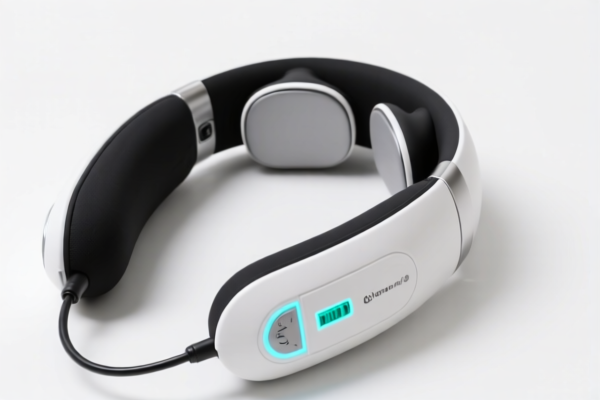
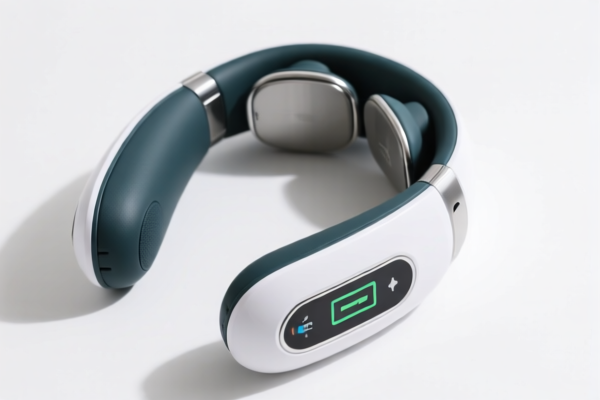
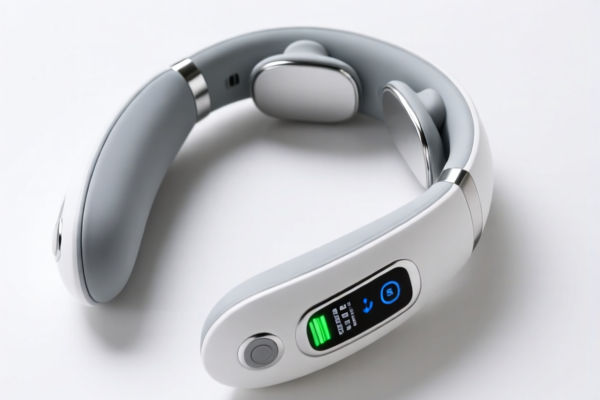

AI Analysis
🦵 Heating Knee Massager (Knee Massager)
🌐 HS Code Reference & Customs Clearance Guide | 2026 Latest Tariff Analysis | Professional-Level Clearance Strategy
📌 I. Product Definition & Classification: What Exactly is a "Heating Knee Massager"?
A Heating Knee Massager is a consumer health device designed for therapeutic care of the knee joint. It combines massage functions (mechanical or pneumatic) with heating functions (electric heating elements). In international trade, the classification depends heavily on whether it is viewed primarily as a household appliance, a medical device, or a sports/rehabilitation tool.
⚠️ Key Distinction Point:
- If viewed as a home appliance with electric motors/heating for comfort → Chapter 85 (Electrical Machinery)
- If viewed as a medical/therapeutic device for massage or medical therapy → Chapter 90 (Medical Instruments)
- If viewed as a rehabilitation/sports aid → Chapter 95 (Toys/Sports Goods)
📦 II. HS Code Classification Details (2026 Latest Tariff Authority Comparison)
Based on the provided data, here are the 5 possible HS Codes and their tax implications for imports into the USA (from China):
| HS Code | Product Description & Logic | Total Tax Rate | Key Tax Components |
|---|---|---|---|
| 8509.80.50.80 | Household Appliance: Belongs to electrical home appliances with massage functions. Finished consumer product. No material conflict. | 14.2% | Base: 4.2% Add-on: 0.0% Section 122: 10% |
| 9019.10.20.10 | Medical/Therapeutic Device: Falls under massage apparatus. Fits the definition of "mechanotherapy" and massage equipment. | 10.0% | Base: 0.0% Add-on: 0.0% Section 122: 10% |
| 9506.99.60.80 | Sports/Rehabilitation: Used for sports exercises or rehabilitation training. Falls under "Other" residual category. | 21.5% | Base: 4.0% Add-on: 7.5% Section 122: 10% Note: Includes 50% additional duty for steel/aluminum/copper products |
| 8509.80.50.95 | Household Appliance: Electrical appliance with self-contained motor. Fits "Other electrical appliances" logic. | 14.2% | Base: 4.2% Add-on: 0.0% Section 122: 10% |
| 9019.10.20.50 | Medical/Therapeutic Device: Massage equipment. No specific description of electric power source, fits "Other massage apparatus." | 10.0% | Base: 0.0% Add-on: 0.0% Section 122: 10% |
🔍 Critical Insight:
- Lowest Tax (10.0%): Chapters 90 (Medical/Therapeutic). Requires proving the item is for medical therapy or professional massage.
- Mid Tax (14.2%): Chapter 85 (Household Appliances). Easiest to classify as a "home comfort device."
- Highest Tax (21.5%): Chapter 95 (Sports/Rehab). High risk due to additional 7.5% add-on and potential 50% material-based duties if steel/aluminum parts are present. Avoid this unless specifically marketed as sports gear.
💰 III. 2026 Latest Tariff Rate Detailed Breakdown (Including Add-ons & Policy Surcharges)
✅ Applicable Country: USA (US)
✅ Origin: China (CN)
✅ Effective Time: 2025/2026 Period (Subject to Section 122 & Trade Policy)
🎯 1. 9019.10.20.10 & 9019.10.20.50 —— Medical/Therapeutic Massage Devices
🏆 Best Option for Low Duty (10%)
| Item | Content |
|---|---|
| Base Tariff | 0.0% (ad valorem) |
| USITC Add-on Tariff | 0.0% |
| Section 122 Tariff | +10% |
| Total Rate | 10.0% |
| Tax Calculation | CIF Value × 10% |
| De Minimis Exemption | ❌ Not Eligible (Section 321 de minimis does not apply to goods subject to Section 301/122 duties) |
| Legal Basis Path | HTSUS:9019.10.20.xx → Section 122 Directive |
📌 Explanation:
- These codes fall under Chapter 90 (Medical/Scientific Instruments).
- Base duty is 0%, which is highly advantageous.
- The 10% Section 122 tariff applies to many consumer goods from China.
- Crucial: You must justify the classification as a "medical/therapeutic" device. Marketing materials should emphasize "health care," "therapy," or "medical use" rather than just "fun" or "sports."
🎯 2. 8509.80.50.80 & 8509.80.50.95 —— Household Electrical Appliances
✅ Safe & Standard Option (14.2%)
| Item | Content |
|---|---|
| Base Tariff | 4.2% |
| USITC Add-on Tariff | 0.0% |
| Section 122 Tariff | +10% |
| Total Rate | 14.2% |
| Tax Calculation | CIF Value × 14.2% |
| De Minimis Exemption | ❌ Not Eligible |
| Legal Basis Path | HTSUS:8509.80.50.xx → Section 122 Directive |
📌 Explanation:
- These codes fall under Chapter 85 (Electrical Machinery & Equipment).
- Base duty is 4.2%, making the total 14.2%.
- This classification is more "forgiving" for general consumer electronics. It doesn't require medical justification.
- Ideal for brands selling directly to consumers as "home wellness products" rather than medical devices.
🚫 3. 9506.99.60.80 —— Sports/Rehabilitation Goods
⚠️ High Cost & High Risk (21.5%+)
| Item | Content |
|---|---|
| Base Tariff | 4.0% |
| USITC Add-on Tariff | +7.5% |
| Section 122 Tariff | +10% |
| Additional Material Duty | +50% (if containing steel, aluminum, or copper components) |
| Total Rate | 21.5% (or 71.5% if material duty applies) |
| Tax Calculation | CIF Value × (21.5% or 71.5%) |
| De Minimis Exemption | ❌ Not Eligible |
📌 Warning:
- This code attracts a 7.5% USITC add-on plus the 10% Section 122.
- Danger Zone: If your knee massager has any steel, aluminum, or copper parts (motors, frames, wiring), it may trigger an additional 50% duty under specific trade policies.
- Avoid this code unless the product is explicitly a sports recovery tool with minimal metallic content.
🛠️ IV. Customs Clearance Practical Advice (Real-World Pitfall Prevention)
✅ 1. Document Preparation Checklist (Non-negotiable)
| Document | Required | Explanation |
|---|---|---|
| ✅ Product Specification Sheet | ✔️ | Must clearly state: Functions (Massage + Heat), Power Source (AC/DC), Motor Type, Heating Element Details. |
| ✅ Product Photos | ✔️ | Clear images of the product, labels, and manuals. Highlight any medical claims or home-use labeling. |
| ✅ Bill of Materials (BOM) | ✔️ | Critical for 9506.99.60.80 to prove no steel/aluminum/copper components if claiming lower tax. |
| ✅ Commercial Invoice | ✔️ | Must use precise description: e.g., "Electric Knee Massager with Heat, for Home Use" or "Therapeutic Knee Massager, Medical Device." |
| ✅ Packing List | ✔️ | Detail items to avoid "partial shipment" issues. |
| ✅ FDA Registration (If applicable) | ✔️ | If claiming medical/therapeutic benefits (for 9019 codes), FDA registration may be requested to prove legitimacy. |
✅ 2. Declaration Tips (Key Mnemonics)
🔥 "Claim Medical, Pay Less; Claim Home, Pay Mid; Claim Sports, Pay High!"
| Scenario | Recommended HS Code | Why? |
|---|---|---|
| Marketing as "Health Tool/Therapy" | 9019.10.20.10 / 9019.10.20.50 |
Justifies 0% base duty. Needs medical/therapeutic context in manuals. |
| Marketing as "Home Comfort/Appliance" | 8509.80.50.80 / 8509.80.50.95 |
Easier to justify as electrical gadget. 14.2% is stable. |
| Marketing as "Sports Recovery" | 9506.99.60.80 |
Avoid! High risk of 50% additional duty on materials. |
✅ 3. Special Handling Cases
| Situation | Recommendation |
|---|---|
| Contains Metal Parts (Motor/Frame) | Avoid 9506 code. Use 8509 or 9019 to escape the 50% material-based penalty. |
| Sold as "Medical Device" | Ensure FDA compliance. Customs may request proof of medical classification. |
| Sold as "General Consumer Electronics" | Use 8509 code. Describe as "Electric Home Appliance." |
| De Minimis (Under $800) | ❌ Do not attempt. Section 122 and 301 duties generally void de minimis exemption for China-origin goods. Always declare properly. |
🌍 V. Global Market Comparison (2026 Latest)
| Country/Region | Recommended HS Code | Estimated Duty | Certification | Notes |
|---|---|---|---|---|
| 🇺🇸 USA | 9019.10.20.10 |
10.0% | FDA (if medical), FCC (if wireless) | Lowest duty for China origin. |
| 🇨🇳 China | 9019.10.20.10 |
~5-10% | N/A | Import duty varies. |
| 🇪🇺 EU | 9019.10.90 |
~4.5% | CE, RoHS | No Section 122 equivalent. |
| 🇬🇧 UK | 9019.10.90 |
~4.5% | UKCA, RoHS | Post-Brexit standards apply. |
📌 Conclusion:
- USA is the most complex market due to Section 122 and potential material-based penalties.
- Strategy: For USA imports, classify as Medical/Therapeutic (9019) to save 4.2% vs Household (8509), but ensure you can justify the medical nature. If unsure,8509is a safer, moderate-cost fallback. Avoid9506unless you are certain about material composition.
📌 VI. Common Errors & Pitfalls (Lessons Learned)
❌ Error 1: Classifying as 9506 (Sports) without checking material content.
👉 Result: 50% additional duty on steel/aluminum parts → Total tax ~71.5%.
✅ Fix: Use 8509 or 9019.
❌ Error 2: Claiming De Minimis exemption for shipments under $800.
👉 Result: Seizure or penalty. Section 122 duties apply regardless of value.
✅ Fix: Always file formal entry.
❌ Error 3: Using vague descriptions like "Knee Massager" without specifying function.
👉 Result: Customs may assign the highest duty rate or request additional docs.
✅ Fix: Use precise terms: "Electric Heating Knee Massager" or "Therapeutic Knee Apparatus."
🎯 VII. Conclusion: Smart Classification Saves Money!
🎯 Remember the Strategy:
🔹 "Medical Claims = 10% Tax" (Best, but requires justification)
🔹 "Home Appliance = 14.2% Tax" (Safe, easy to justify)
🔹 "Sports/Gear = 21.5%+ Tax" (Dangerous, avoid)
📌 Pro Tip:
If you want the 10% rate, ensure your manuals, website, and packaging use words like "Therapeutic," "Medical," "Relief," and "Health." Avoid words like "Fun," "Game," or "Sport" if you want to stay in Chapter 90.
📣 Immediate Action:
📞 Consult a licensed customs broker.
📄 Prepare BOM and Product Photos.
🏷️ Align marketing copy with the chosen HS Code to avoid post-clearance audits.
✨ Professional Clearance Starts with Precise Classification!
💼 Your Margin Depends on Your HS Code!
Customer Reviews
About HS Code Classification
The Harmonized System (HS) is an internationally standardized nomenclature developed by the World Customs Organization (WCO) to classify traded products. Over 200 countries use the HS system as the basis for customs tariffs, trade statistics, and import/export regulations.
Each HS code follows a hierarchical structure:
- Chapter (2 digits) — Broad category of goods (e.g., Chapter 84: Machinery and Mechanical Appliances)
- Heading (4 digits) — More specific grouping within the chapter
- Subheading (6 digits) — Internationally standardized breakdown, used by all WCO member countries
- National subdivisions (8-10 digits) — Country-specific extensions for further classification, such as US HTSUS 10-digit codes
Correct HS code classification is essential for smooth customs clearance, accurate duty payment, and compliance with trade regulations. Misclassification can lead to customs delays, overpayment of duties, or penalties.
When importing from CN to US, the applicable tariff rates may include:
- Most-Favored-Nation (MFN) rate — The standard duty rate applied to WTO members
- General rate — Applied to countries without trade agreements
- Trade remedy duties — Additional tariffs such as Section 301 (anti-dumping), Section 232 (national security), or countervailing duties
The information provided on this page is for reference purposes only. For official classification, please consult with your local customs authority or a licensed customs broker.