heel holster
CN → US| HS Code | Tariff Rate | Origin | Destination | Doc |
|---|---|---|---|---|
| 4202929700 | 52.6% | CN | US | Official Doc |
| 4202929100 | 52.6% | CN | US | Official Doc |
| 3926903300 | 16.5% | CN | US | Official Doc |
| 3926909000 | 0.0% | CN | US | Official Doc |
Product Images
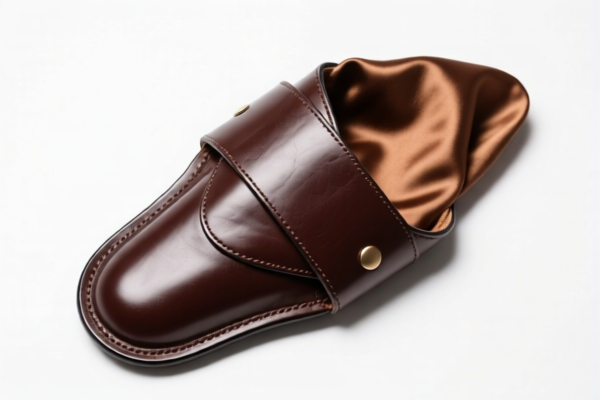
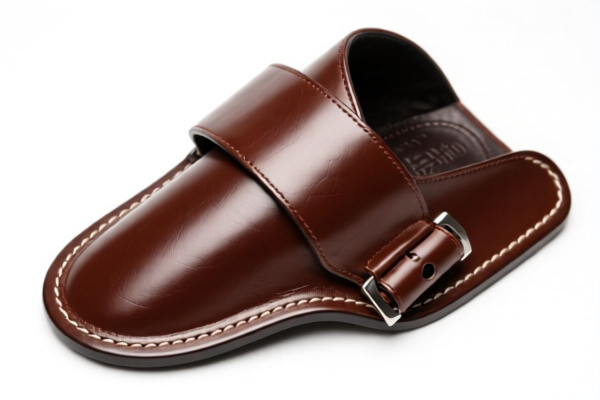
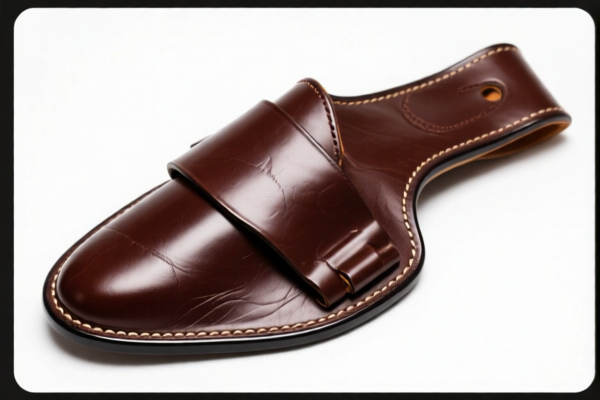
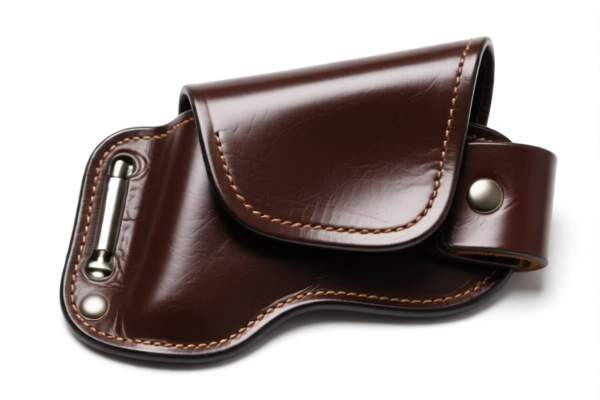
AI Analysis
👢 Heel Holster (Holsters for Handguns)
🌐 HS Code Reference & Customs Clearance Guide | 2026 Latest Tariff Analysis | Professional Clearance Strategy
📌 I. Product Definition & Classification: Do You Really Understand the "Heel Holster"?
A Heel Holster is a type of firearm accessory designed to hold a handgun, typically attached to the heel of a boot or shoe. In international trade, its classification depends heavily on the material it is made from. It is not a single HS code but falls into two main categories: Plastics or Other Materials (Leather/Textiles/Plastics Sheets).
⚠️ Key Distinction:
- If the holster is made of Plastics (hard shell, molded plastic) → Classify under Chapter 39.
- If the holster is made of Leather, Textiles, or covered with Plastic Sheets/Textiles → Classify under Chapter 42.
📦 II. HS Code Classification Details (2026 Latest Tariff Authority Comparison)
| HS Code | Product Description | Applicable Scenario | Material Composition |
|---|---|---|---|
3926.90.33.00 |
Other articles of plastics: Beads, bugles, spangles... Handbags | Note: This code is for plastic handbags. For plastic holsters, check 3926.90.90.00 if not elsewhere specified. |
Pure Plastic / Molded Plastic |
3926.90.90.00 |
Other articles of plastics: Other | Plastic Heel Holsters (Hard shell, molded, not specified elsewhere) | 100% Plastic |
4202.92.97.00 |
Trunks, suitcases, handbags...: Other: With outer surface of sheeting of plastics or textile materials: Other | Heel Holsters made of Leather/Textile/Plastic Sheet | Leather, Composition Leather, Plastic Sheeting, Textile, Vulcanized Fiber |
4202.92.91.00 |
Trunks, suitcases, handbags...: Other: With outer surface of sheeting of plastics or textile materials: ... Of man-made fibers | Heel Holsters with Outer Surface of Man-made Fibers (Textile-based) | Man-made Fibers (Textiles) |
🔍 Important Reminder:
- Chapter 42 is the most common for heelp holsters, especially those made of leather, nylon, or coated fabrics.
- If the product is a rigid, molded plastic shell, it may fall under Chapter 39, but often, even plastic holsters with fabric linings are classified under 4202 if they are considered "articles of the type used for carrying."
- Always check the outer surface material. If it’s covered in plastic sheeting or textile, 4202 is likely the correct chapter.
💰 III. 2026 Latest Tariff Rate Details (Including Additional Duties)
✅ Applicable Country: United States (US)
✅ Origin: China (CN)
✅ Effective Date: 2025/2026 Tariff Schedule
🎯 1. 3926.90.33.00 & 3926.90.90.00 — Plastic Articles
| Item | Content |
|---|---|
| Base Tariff Rate | 6.5% (for 3926.90.33.00) / Error/Unknown (for 3926.90.90.00) |
| Additional Tax (Section 301) | 0.0% (As per provided data) |
| Total Tariff Rate | 6.5% |
| Tax Calculation | CIF Value × 6.5% |
| De Minimis Exemption | ✅ Yes (if value < $800) |
| Legal Basis | HTSUS 3926.90 |
📌 Explanation:
- Plastic articles generally have a base duty of 6.5%.
- No additional 25% or 10% tariffs are listed for these specific subheadings in the provided data.
- Risk: If customs reclassifies plastic holsters as "parts of firearms" (9305), tariffs could rise significantly. However, holsters are typically classified under 39 or 42.
🎯 2. 4202.92.97.00 & 4202.92.91.00 — Articles of Leather/Textile/Plastic Sheeting
| Item | Content |
|---|---|
| Base Tariff Rate | 0.0% |
| Additional Tax (Section 301) | 0.0% |
| Total Tariff Rate | 0.0% |
| Tax Calculation | CIF Value × 0% |
| De Minimis Exemption | ✅ Yes (if value < $800) |
| Legal Basis | HTSUS 4202.92 |
📌 Explanation:
- Articles of handbags, wallets, etc., made of leather, textile, or plastic sheeting often have a 0% base duty.
- No additional tariffs apply.
- Advantage: This is a low-cost clearance option if the product is made of textile or leather-based materials.
🛠️ IV. Customs Clearance Practical Advice (Real-World Pitfall Avoidance)
✅ 1. Required Documentation Checklist (缺一不可)
| Document | Must Provide | Description |
|---|---|---|
| ✅ Product Photos | ✔️ | Clear images showing material (leather, nylon, plastic), structure, and attachment mechanism. |
| ✅ Material Composition Statement | ✔️ | Specify % of leather, plastic, textile, etc. |
| ✅ Commercial Invoice | ✔️ | Description: "Heel Holster for Handgun, Material: [Leather/Plastic/Textile], Model: XYZ" |
| ✅ Packing List | ✔️ | Item weight, quantity, packaging type. |
| ✅ Origin Certificate | ✔️ | If non-China origin, to apply for lower rates. |
| ✅ Firearm Accessory Declaration | ✔️ | Some customs agents may require a declaration that it is a "holster" not a "weapon part." |
✅ 2. Declaration Tips (Key Mnemonic)
🔥 “Material Defines Code, Leather/Textile = 0%, Plastic = 6.5%!”
| Scenario | Correct Declaration | Wrong Practice |
|---|---|---|
| Plastic Heel Holster | 3926.90.90.00 (6.5%) |
Misdeclare as 4202 to avoid tax → Audited & Penalized |
| Leather/Nylon Heel Holster | 4202.92.97.00 or 4202.92.91.00 (0%) |
Misdeclare as 3926 → Unnecessary 6.5% tax |
| Mixed Material | Declare outermost material | If outer is plastic sheeting, use 4202 |
| Firearm Part Claim | ❌ Never claim as "part of firearm" | If classified as 9305, tax may be 25-30%+ |
✅ 3. Special Cases Handling
| Case | Handling Advice |
|---|---|
| OEM Custom Holsters | Provide design drawings to prove it’s a finished accessory, not a raw material. |
| Holster with Metal Clips | If metal clips are <5% by weight, still classify under 42 or 39. Don’t let metal parts confuse the classification. |
| E-commerce De Minimis | For shipments < $800, use Section 321 (Form 8611) to bypass formal entry and duties (if eligible). |
| Firearm Laws | Ensure compliance with ATF regulations in the US. Holsters are legal, but improper shipping may flag security reviews. |
🌍 V. Global Market Comparison (2026 Latest)
| Country/Region | Recommended HS Code | Tariff Rate | Certification | Notes |
|---|---|---|---|---|
| 🇺🇸 USA | 4202.92.97.00 / 3926.90.90.00 |
0% or 6.5% | None | No Section 301 tax for these codes |
| 🇨🇳 China | 4202.92 / 3926.90 |
0% - 10% | None | Import tax may apply |
| 🇪🇺 EU | 4202.92 |
4.3% - 6% | CE (if electronic components) | Higher than US for textile items |
| 🇬🇧 UK | 4202.92 |
4.3% | UKCA | Post-Brexit rules apply |
| 🇨🇦 Canada | 4202.92 |
0% - 6.5% | None | CPTPP may apply for non-China |
📌 Conclusion:
- USA is the most favorable market for heel holsters with 0% or 6.5% duties.
- Chapter 42 (Leather/Textile) offers 0% duty, making it the preferred classification if materials allow.
- Avoid misclassification as firearm parts to prevent higher duties and security scrutiny.
📌 VI. Common Errors & Pitfall Guide (Lessons Learned)
❌ Error 1: Declaring a leather holster as "plastic" to simplify
👉 Consequence: Customs may inspect and reclassify, leading to 0% duty lost and potential penalties.
❌ Error 2: Declaring a plastic holster under 4202
👉 Consequence: If material is 100% plastic, it should be 3926. Misclassification may lead to audit.
❌ Error 3: Failing to declare material composition
👉 Consequence: Customs cannot determine duty rate → Hold up for inspection + storage fees.
❌ Error 4: Ignoring ATF regulations
👉 Consequence: Shipments may be confiscated if not compliant with US firearm accessory laws.
✅ Correct Practice:
"Heel Holster, Model XYZ, Outer Material: Nylon (Man-made Fiber), Interior: Foam, Color: Black, For Use with Handguns"
🎯 VII. Conclusion: Professional Declaration, Cost Savings, Smooth Clearance!
🎯 Remember the Mnemonic:
🔹 "Leather/Textile = 0%, Plastic = 6.5%, Firearm Part = Avoid!"
🔹 "HS Code Saves Money, Material Defines Code, Clearance is Key!"
📌 Pro Tip:
If your heel holster is made of textile or leather, use HS Code 4202.92.97.00 or 4202.92.91.00 for 0% duty.
If made of plastic, use 3926.90.90.00 for 6.5% duty.
Always declare the correct material to avoid customs penalties.
📣 Action Required:
📞 Consult a Customs Broker + Provide Material Specs + Apply for Pre-Ruling if unsure
🚀 Ensure smooth clearance, low duty, and compliance with ATF and US Customs!
✨ Professional Clearance Starts with Accurate Classification!
💼 Every Dollar Saved is a Dollar Earned!
Customer Reviews
About HS Code Classification
The Harmonized System (HS) is an internationally standardized nomenclature developed by the World Customs Organization (WCO) to classify traded products. Over 200 countries use the HS system as the basis for customs tariffs, trade statistics, and import/export regulations.
Each HS code follows a hierarchical structure:
- Chapter (2 digits) — Broad category of goods (e.g., Chapter 84: Machinery and Mechanical Appliances)
- Heading (4 digits) — More specific grouping within the chapter
- Subheading (6 digits) — Internationally standardized breakdown, used by all WCO member countries
- National subdivisions (8-10 digits) — Country-specific extensions for further classification, such as US HTSUS 10-digit codes
Correct HS code classification is essential for smooth customs clearance, accurate duty payment, and compliance with trade regulations. Misclassification can lead to customs delays, overpayment of duties, or penalties.
When importing from CN to US, the applicable tariff rates may include:
- Most-Favored-Nation (MFN) rate — The standard duty rate applied to WTO members
- General rate — Applied to countries without trade agreements
- Trade remedy duties — Additional tariffs such as Section 301 (anti-dumping), Section 232 (national security), or countervailing duties
The information provided on this page is for reference purposes only. For official classification, please consult with your local customs authority or a licensed customs broker.