high brightness reflective plastic film
CN → US| HS Code | Tariff Rate | Origin | Destination | Doc |
|---|---|---|---|---|
| 3919905060 | 40.8% | CN | US | Official Doc |
| 3919102055 | 40.8% | CN | US | Official Doc |
| 3920620090 | 39.2% | CN | US | Official Doc |
| 3920992000 | 39.2% | CN | US | Official Doc |
| 3926909989 | 22.8% | CN | US | Official Doc |
Product Images
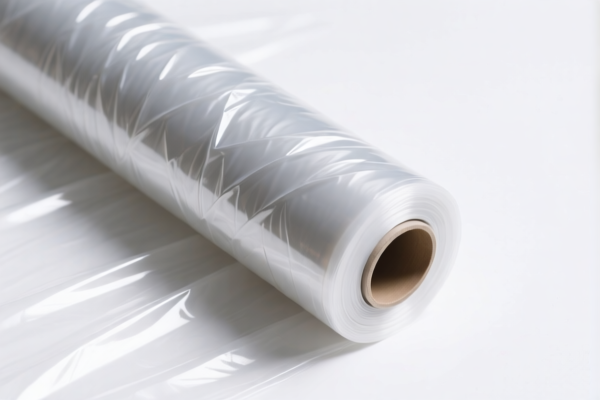
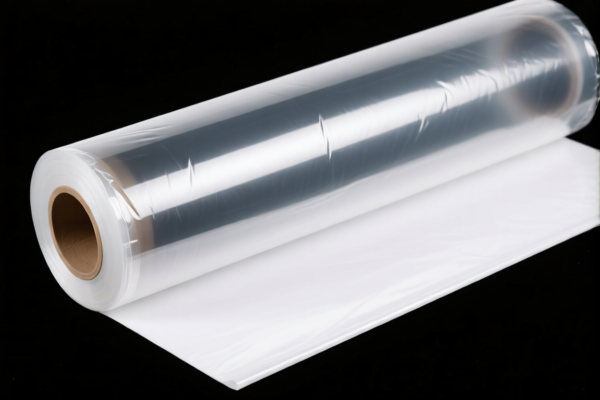
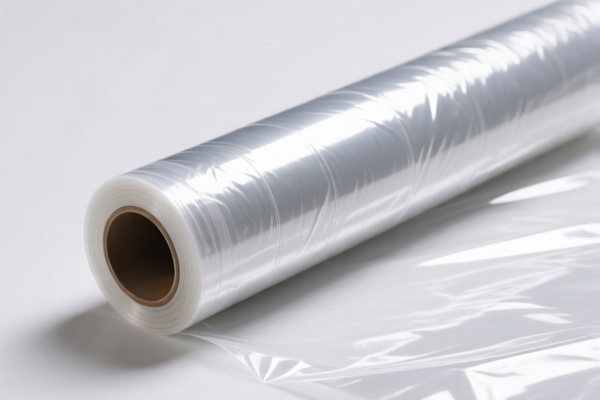
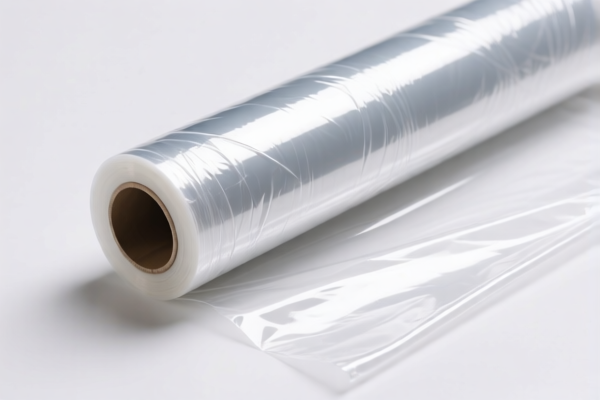
AI Analysis
🌟 High Brightness Reflective Plastic Film (反光塑料薄膜)
🌐 HS Code Reference & Customs Clearance Guide | 2026 Latest Tariff Analysis | Professional Compliance Strategy
📌 I. Product Definition & Classification: Do You Really Understand "Reflective Film"?
High brightness reflective plastic film is a specialized polymer material used for light reflection, signage, safety gear, and optical applications. In international trade, its classification depends strictly on its form (film/strip/sheet) and material composition (plastic/polymer).
Key Distinction: * Reflective Coating vs. Base Material: The presence of a reflective coating (metalized or microprismatic) does not change the base material classification from plastic to metal, provided the plastic is the essential character. * Form Factor: Is it a wide roll (film) or a specific finished article? The data provided focuses on film/strip/sheet forms.
⚠️ Critical Classification Point:
- If the product is primarily a plastic film with reflective properties → Classified under Chapter 39 (Plastics).
- If the product is a specific finished optical instrument (rare for "film") → Could be Chapter 90, but standard films stay in Ch. 39.
- Material Conflict Check: The inference is "Plastic/Polymer." We must ensure no metal parts define the essential character.
📦 II. HS Code Classification Details (2026 Latest Tariff Authority Comparison)
Based on the provided data, here are the 5 most relevant HS Codes for High Brightness Reflective Plastic Film, ranked by technical fit and tax impact.
| HS Code | Product Description | Fit Analysis | Total Tax Rate |
|---|---|---|---|
3919.90.50.60 |
Self-adhesive plates, sheets, film, foil, tape, strip and other flat shapes, of plastics | High Fit: "Film" form matches. Material is plastic. No conflict with reflective nature. | 40.8% |
3919.10.20.55 |
Self-adhesive plates, sheets, film, foil, tape... of plastics (Other) | High Fit: Specifically for "Self-adhesive" reflective films. Matches "Film" and "Plastic". | 40.8% |
3920.62.00.90 |
Other plates, sheets, film, foil and strip, of polymers of ethylene | Medium Fit: "Film" matches. Material inferred as PET (common for reflective film). No metal conflict. | 39.2% |
3920.99.20.00 |
Other plates, sheets, film, foil and strip, of plastics (Other) | Medium Fit: "Flexible film" category. Generic plastic film. Safe fallback. | 39.2% |
3926.90.99.89 |
Other articles of plastics (Not elsewhere specified) | Low Fit: Generic "Other plastic articles." Higher tax rate, less precise than film-specific codes. | 22.8% |
🔍 Key Insight:
- Codes3919.xxare for Self-adhesive films (most common for reflective signage/trim).
- Codes3920.xxare for Non-adhesive plastic films (e.g., raw substrate rolls).
- Code3926.xxis a catch-all; use only if the film doesn't fit the specific "plate/sheet/film" definitions.
💰 III. 2026 Latest Tariff Rate Breakdown (Including Surcharges)
✅ Applicable Country: USA (US)
✅ Origin: China (CN)
✅ Effective Date: From Nov 10, 2025 onwards
🎯 1. 3919.90.50.60 & 3919.10.20.55 —— Self-Adhesive Plastic Films
| Item | Detail |
|---|---|
| Base Duty | 5.8% |
| Section 301 Surcharge | +25.0% |
| IEEPA Surcharge (Sec 122) | +10.0% |
| Total Effective Rate | 40.8% |
| Calculation Basis | CIF Value × 40.8% |
| De Minimis Exemption | ❌ DENIED (deny_de_minimis) |
| Legal Path | Base: 3919 → Sec301: Footnote 9903.88.01 → IEEPA: 9903.01.24/25 |
📌 Explanation:
- These codes attract the full brunt of US trade barriers.
- The 40.8% rate is high, significantly impacting margin.
- No de minimis exemption: Small shipments (under $800) are NOT exempt. This is critical for e-commerce or sample shipments.
🎯 2. 3920.62.00.90 & 3920.99.20.00 —— Non-Adhesive Plastic Films
| Item | Detail |
|---|---|
| Base Duty | 4.2% |
| Section 301 Surcharge | +25.0% |
| IEEPA Surcharge (Sec 122) | +10.0% |
| Total Effective Rate | 39.2% |
| Calculation Basis | CIF Value × 39.2% |
| De Minimis Exemption | ❌ DENIED (deny_de_minimis) |
| Legal Path | Base: 3920 → Sec301: Footnote 9903.88.01 → IEEPA: 9903.01.24/25 |
📌 Explanation:
- Slightly lower than adhesive films due to a lower base rate (4.2% vs 5.8%).
- Still subject to mandatory 35% surcharges.
🎯 3. 3926.90.99.89 —— Other Plastic Articles (Generic)
| Item | Detail |
|---|---|
| Base Duty | 5.3% |
| Section 301 Surcharge | +7.5% |
| IEEPA Surcharge (Sec 122) | +10.0% |
| Total Effective Rate | 22.8% |
| Calculation Basis | CIF Value × 22.8% |
| De Minimis Exemption | ❌ DENIED (deny_de_minimis) |
| Legal Path | Base: 3926 → Sec301: Footnote 9903.88.01 → IEEPA: 9903.01.24/25 |
📌 Explanation:
- Lowest Total Rate (22.8%) among the options.
- Risk: Customs may challenge this classification if the product is clearly a "film" (Ch. 39.20/39.19) rather than a generic "article." Misclassification can lead to penalties.
- Use only if the film is processed into a specific shape not covered by Ch. 39.20/39.19.
🛠️ IV. Customs Clearance Operational Advice (Practical Pitfall Avoidance)
✅ 1. Preparation Checklist (Mandatory)
| Document | Required? | Notes |
|---|---|---|
| ✅ Product Specifications | ✔️ | Must specify: Material (e.g., PET, PE, PVC), Form (Film/Sheet), Reflective Type (Metalized/Prismatic). |
| ✅ Composition Statement | ✔️ | Confirm 100% Plastic base. If >5% metal weight, classification may shift to Chapter 76/81. |
| ✅ Commercial Invoice | ✔️ | Clearly state: "High Brightness Reflective Plastic Film, Self-Adhesive/Non-Adhesive". Avoid vague terms like "Reflective Tape" without material spec. |
| ✅ Material Safety Data Sheet (MSDS) | ✔️ | Required for chemical content verification. |
| ✅ Certificate of Origin | ✔️ | Essential for determining Section 301 and IEEPA applicability. |
| ✅ Packing List | ✔️ | Clearly indicate gross/net weight and dimensions. |
✅ 2. Declaration Tips (Golden Rules)
🔥 "Be Precise: Form Matters, Material Matters, Surcharge is Unavoidable!"
| Scenario | Recommended HS Code | Why? |
|---|---|---|
| Self-Adhesive Reflective Film (e.g., for signs, car trim) | 3919.10.20.55 or 3919.90.50.60 |
Most accurate for adhesive films. High tax, but low risk of rejection. |
| Non-Adhesive Plastic Film (Raw rolls, PET film) | 3920.62.00.90 or 3920.99.20.00 |
Fits "plates, sheets, film" description. Slightly lower tax than adhesive. |
| Processed Reflective Parts (Cut shapes, not rolls) | 3926.90.99.89 |
Only if it no longer fits "film" definition. Lower tax, but higher scrutiny. |
⚠️ Avoid:
- Declaring as "Textile" or "Metal" → Major Red Flag, likely rejection + penalties.
- Using generic "Plastic Sheet" without specifying adhesive/non-adhesive → Customs may downgrade to highest tax rate.
✅ 3. Special Scenarios
| Scenario | Advice |
|---|---|
| OEM Custom Prints | If printing is done in China, still considered "Plastic Film." If printing adds significant value, still Ch. 39. |
| Metalized Film | If metal layer is <5% by weight, still Plastic. If metal layer is structural, re-evaluate for Chapter 76/81. |
| Samples (<$800) | NO DE MINIMIS EXEMPTION. Must pay full 39-41% duty. Do not use "gift" or "sample" to bypass. |
| Transshipment via Vietnam/Mexico | If substantial transformation occurs, origin may change. Critical to verify to avoid IEEPA penalties. |
🌍 V. Global Market Comparison (2026 Update)
| Country/Region | Recommended HS Code | Est. Total Duty | Key Certification | Notes |
|---|---|---|---|---|
| 🇺🇸 USA | 3919.10.20.55 / 3920.62.00.90 |
39.2% - 40.8% | None specific, but must comply with Section 301 | Highest Barrier. No de minimis. |
| 🇨🇳 China | 3919.10.20.55 |
5% | CCC (if applicable) | Low duty. No surcharges. |
| 🇪🇺 EU | 3920.62.00.90 |
6.5% | REACH, RoHS | No Section 301 equivalent. |
| 🇬🇧 UK | 3920.62.00.90 |
6.5% | UKCA | Post-Brexit rules apply. |
| 🇦🇺 Australia | 3920.62.00.90 |
5% | A-RCM | Low duty. |
📌 Conclusion:
- USA is the hardest market due to Section 301 + IEEPA surcharges.
- Total cost impact: ~40% of CIF value.
- EU/UK/AU are much more favorable (~5-7%).
- Strategy: Consider sourcing from non-China origins (e.g., Vietnam, Thailand) for US-bound goods to avoid surcharges, if feasible.
📌 VI. Common Mistakes & Pitfalls (Blood & Tears Lessons)
❌ Mistake 1: Declaring "Reflective Tape" as "Textile Tape"
👉 Consequence: Misclassification → Penalties + Back Duties. Reflective film is plastic, not fabric.
❌ Mistake 2: Ignoring the "Self-Adhesive" attribute
👉 Consequence: Declaring non-adhesive 3920 code for adhesive product → Audit Risk. Customs will reclassify to 3919 (40.8%).
❌ Mistake 3: Assuming De Minimis Exemption for Samples
👉 Consequence: Seizure or Forced Payment. Plastic films are explicitly denied de minimis.
❌ Mistake 4: Vague Description "Plastic Film"
👉 Consequence: Customs may apply highest applicable duty or request extensive documentation, causing delays.
✅ Correct Declaration Example:
"High Brightness Reflective Plastic Film, Self-Adhesive, PET Base, Metalized Coating, Roll Form, Model XYZ, Non-Industrial Use"
🎯 VII. Conclusion: Precision is Profit
🎯 Remember the Mantra:
🔹 "Adhesive? 3919 (40.8%). Non-Adhesive? 3920 (39.2%). Generic? 3926 (22.8% but risky)."
🔹 "No De Minimis! Every shipment pays. Plan accordingly."
🔹 "Reflective ≠ Metal. It’s Plastic. Stay in Chapter 39."
📌 Pro Tip:
If your volume is high, consider Applying for a Binding Ruling from US Customs to secure your HS Code. This provides legal certainty against future audits.
📣 Immediate Action:
📞 Contact your customs broker with exact material composition and form factor.
📝 Prepare MSDS and Commercial Invoice with precise descriptions.
💰 Budget for ~40% duty for US imports. Do not underestimate this cost.
✨ Professional Clearance Starts with Accurate Classification!
💼 Your Profit Margin Depends on This 40.8% Calculation!
Customer Reviews
About HS Code Classification
The Harmonized System (HS) is an internationally standardized nomenclature developed by the World Customs Organization (WCO) to classify traded products. Over 200 countries use the HS system as the basis for customs tariffs, trade statistics, and import/export regulations.
Each HS code follows a hierarchical structure:
- Chapter (2 digits) — Broad category of goods (e.g., Chapter 84: Machinery and Mechanical Appliances)
- Heading (4 digits) — More specific grouping within the chapter
- Subheading (6 digits) — Internationally standardized breakdown, used by all WCO member countries
- National subdivisions (8-10 digits) — Country-specific extensions for further classification, such as US HTSUS 10-digit codes
Correct HS code classification is essential for smooth customs clearance, accurate duty payment, and compliance with trade regulations. Misclassification can lead to customs delays, overpayment of duties, or penalties.
When importing from CN to US, the applicable tariff rates may include:
- Most-Favored-Nation (MFN) rate — The standard duty rate applied to WTO members
- General rate — Applied to countries without trade agreements
- Trade remedy duties — Additional tariffs such as Section 301 (anti-dumping), Section 232 (national security), or countervailing duties
The information provided on this page is for reference purposes only. For official classification, please consult with your local customs authority or a licensed customs broker.