high chair
CN → US| HS Code | Tariff Rate | Origin | Destination | Doc |
|---|---|---|---|---|
| 9401802001 | 35.0% | CN | US | Official Doc |
| 9401710001 | 35.0% | CN | US | Official Doc |
| 3926305000 | 22.8% | CN | US | Official Doc |
| 3926909989 | 22.8% | CN | US | Official Doc |
Product Images

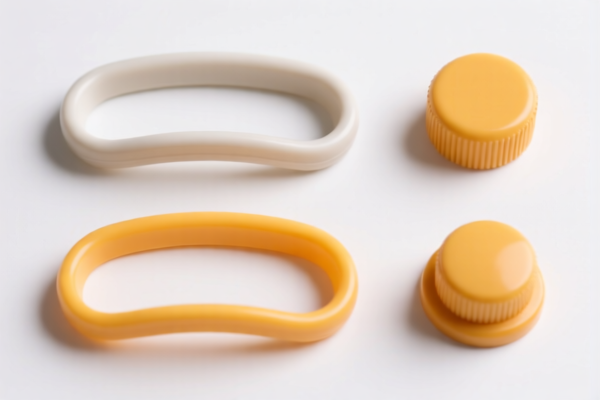
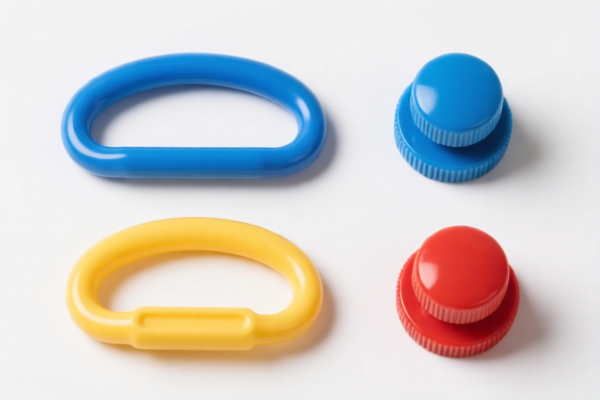
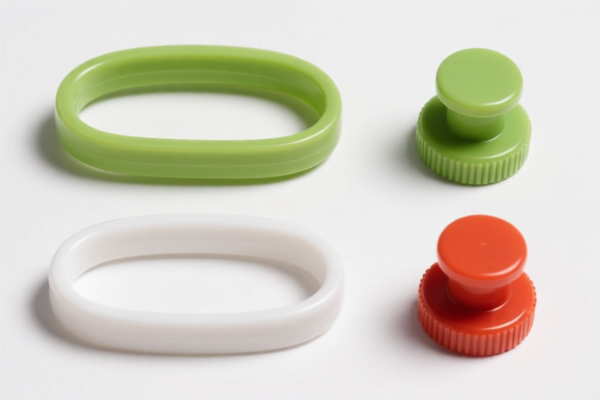
AI Analysis
🍼 High Chairs: The Ultimate HS Code & Duty Guide for 2026
🌐 Global Trade Compliance & Duty Optimization | Expert Classification Strategy | 2026 Tariff Breakdown
📌 One: What is a "High Chair"? Understanding the Product
A High Chair (often called a Baby High Chair) is a specialized piece of furniture designed to elevate an infant or toddler to table height for feeding. In international trade, it is primarily classified under Chapter 94 (Furniture) if it is a complete seating unit. However, if the product consists mainly of plastic parts or components intended for other uses, it may fall under Chapter 39 (Plastics).
⚠️ The Critical Distinction:
- Complete Furniture Item (Legs, seat, tray, reclining mechanism): Falls under 94.01 (Seats).
- Plastic Components or "Other" Plastics: If the item is essentially a plastic connector or lacks the structural definition of furniture, it may fall under 39.26.
📦 Two: HS Code Classification Breakdown (2026 Latest Tariff Reference)
Based on current trade logic and product specifics, here are the valid classifications for High Chairs:
| HS Code | Product Description | Logic & Reasoning | Material Assumption |
|---|---|---|---|
| 9401.80.20.01 | Seats for Infants & Children | Direct Match: Explicitly covers "Children's high chairs" and seats not elsewhere specified. | Plastic/Composite: Inferred as enhanced or laminated plastic to meet safety/durability needs. |
| 9401.71.00.01 | High Chairs (Adjustable) | Functional Match: Specifically categorized as "High Chairs." Covers the full assembly including metal frames and padding. | Metal/Soft: Inferred as having a metal framework with soft padding/cushioning. |
| 3926.30.50.00 | Other Plastic Articles | Catch-All Logic: If the material is not explicitly defined in the title, it defaults to "Plastic." Viewed as an extension of "Other plastic articles." | Plastic: Inferred based on common usage; fits the "catch-all" for plastic furniture/fitting parts. |
| 3926.90.99.89 | Other Plastic Articles | Consumable/Finished Good: Classifies as a finished consumer good made of plastic. No material conflict. | Plastic: Fully compliant with Chapter 39 characteristics for finished plastic goods. |
🔍 Key Insight:
- 9401.71/80 are the primary codes for complete high chairs (furniture).
- 3926.30/90 are secondary/defensive codes, used if the product is deconstructed, made entirely of plastic without a distinct furniture structure, or if the material is ambiguous.
💰 Three: 2026 Latest Tariff Rate Analysis (US Market)
✅ Applicable Market: United States (US)
✅ Country of Origin: China (CN)
✅ Effective Date: Current (2026 Policy Environment)
✅ Applicable Duties: Base Tariff + Section 301 (Add-on) + Section 122 (New 10%)
🎯 1. Furniture Classification (9401.80.20.01 & 9401.71.00.01)
| Tax Component | Rate | Details |
|---|---|---|
| Base Duty (MFN) | 0.0% | Standard duty-free for furniture under this subheading. |
| Section 301 Add-on | +25.0% | "China Trade War" tariff (List 3/4A). |
| Section 122 Add-on | +10.0% | New Policy: Targeted additional duty on Chinese imports (effective 2026). |
| TOTAL DUTY | 35.0% | High Risk! |
| Calculation | CIF Value × 35% |
📌 Explanation:
Even though the base rate is 0%, the 35% total effective rate makes high chairs (furniture) extremely expensive to import from China. The 122 Clause is a critical new factor often overlooked.
🎯 2. Plastic Classification (3926.30.50.00 & 3926.90.99.89)
| Tax Component | Rate | Details |
|---|---|---|
| Base Duty (MFN) | 5.3% | Standard duty for plastic articles. |
| Section 301 Add-on | +7.5% | Reduced Section 301 rate for specific plastic items. |
| Section 122 Add-on | +10.0% | New Policy: Still applies to these plastic goods. |
| TOTAL DUTY | 22.8% | Slightly Better |
| Calculation | CIF Value × 22.8% |
📌 Explanation:
While 22.8% is lower than 35%, the Base Duty of 5.3% exists here. The main difference is the Section 301 rate (7.5% vs 25%). Strategy: If the product can be legitimately classified as plastic components rather than "Furniture," you save ~12.2% in duties.
🛠️ Four: Customs Clearance Strategy & Recommendations
✅ 1. Material Declaration is King
- The Rule: Customs will inspect the composition.
- Action: If the high chair has a metal frame + plastic seat + fabric padding, you MUST declare under 9401 (Furniture). Trying to force it into 3926 (Plastic) will lead to "Incorrect Classification" penalties.
- Exception: If the chair is 100% molded plastic with no metal or fabric, 3926 is a viable alternative to save duty.
✅ 2. The "122 Clause" Warning
- New Risk: The 10% Section 122 tariff is a new surcharge for 2026. It applies to ALL categories in your data (both Furniture 35% and Plastic 22.8%).
- Strategy: Do not assume old rules apply. Factor this 10% into your cost model immediately.
✅ 3. Documentation Checklist
| Document | Requirement | Why? |
|---|---|---|
| Bill of Materials (BOM) | List metal, plastic, fabric ratios. | Proves if it's Furniture (9401) or Plastic (3926). |
| Product Photos | Clear view of joints, tray, legs. | Proves structural integrity (Furniture vs. Part). |
| Technical Spec Sheet | Weight, dimensions, assembly method. | Helps Customs officer verify "High Chair" function. |
| Origin Certificate | CO from China. | Triggers the Section 301 + 122 tariffs. |
🌍 Five: Strategic Cost Comparison (Furniture vs. Plastic)
| Feature | 9401 (Furniture) | 3926 (Plastics) |
|---|---|---|
| Total Duty | 35.0% | 22.8% |
| Savings | Baseline | Save ~12.2% on duty |
| Risk Level | Low (Standard classification) | High (Requires strict material proof) |
| Best For | Metal + Fabric + Plastic chairs | 100% Plastic molded chairs |
| Customs Scrutiny | Standard | High (May ask for material tests) |
🚨 Six: Common Pitfalls & How to Avoid Them
❌ Pitfall 1: Mislabeling Material
Scenario: Declaring a metal-frame high chair as "Plastic High Chair" to get 22.8% duty.
Result: Customs audit → Re-classification to 9401 → Back taxes + 25% Penalty.
❌ Pitfall 2: Ignoring Section 122
Scenario: Calculating duty based only on 301 (25% or 7.5%).
Result: Underpaying 10% → Fines and delayed release.
❌ Pitfall 3: Incomplete Function Description
Scenario: Just writing "Baby Chair".
Result: Customs cannot verify it's a "High Chair." They might treat it as a generic seat (higher duty) or reject it.
📌 Final Verdict: What Should You Do?
-
If your high chair has Metal/Fabric:
- Go with
9401.71.00.01or9401.80.20.01. - Duty Cost: 35%.
- Action: Accept the higher duty; it is the legal classification.
- Go with
-
If your high chair is 100% Plastic:
- Consider
3926.30.50.00or3926.90.99.89. - Duty Cost: 22.8%.
- Action: Ensure your design is purely plastic to legally qualify. Do not use this if there is any metal or fabric.
- Consider
🚀 Pro Tip:
"Material Truth is the Only Truth."
If you try to fake a plastic classification for a metal chair, the 35% vs 22.8% savings isn't worth the risk of seizure.
However, if you are designing a new product, switch to 100% plastic construction to legally access the 22.8% bracket and save 12.2% on every unit!
✨ Stay Compliant, Stay Profitable!
For the latest 2026 updates, always consult a licensed Customs Broker.
Customer Reviews
About HS Code Classification
The Harmonized System (HS) is an internationally standardized nomenclature developed by the World Customs Organization (WCO) to classify traded products. Over 200 countries use the HS system as the basis for customs tariffs, trade statistics, and import/export regulations.
Each HS code follows a hierarchical structure:
- Chapter (2 digits) — Broad category of goods (e.g., Chapter 84: Machinery and Mechanical Appliances)
- Heading (4 digits) — More specific grouping within the chapter
- Subheading (6 digits) — Internationally standardized breakdown, used by all WCO member countries
- National subdivisions (8-10 digits) — Country-specific extensions for further classification, such as US HTSUS 10-digit codes
Correct HS code classification is essential for smooth customs clearance, accurate duty payment, and compliance with trade regulations. Misclassification can lead to customs delays, overpayment of duties, or penalties.
When importing from CN to US, the applicable tariff rates may include:
- Most-Favored-Nation (MFN) rate — The standard duty rate applied to WTO members
- General rate — Applied to countries without trade agreements
- Trade remedy duties — Additional tariffs such as Section 301 (anti-dumping), Section 232 (national security), or countervailing duties
The information provided on this page is for reference purposes only. For official classification, please consult with your local customs authority or a licensed customs broker.