high end plastic handbag
CN → US| HS Code | Tariff Rate | Origin | Destination | Doc |
|---|---|---|---|---|
| 3923210085 | 38.0% | CN | US | Official Doc |
| 3923210080 | 38.0% | CN | US | Official Doc |
| 4202221500 | 51.0% | CN | US | Official Doc |
Product Images
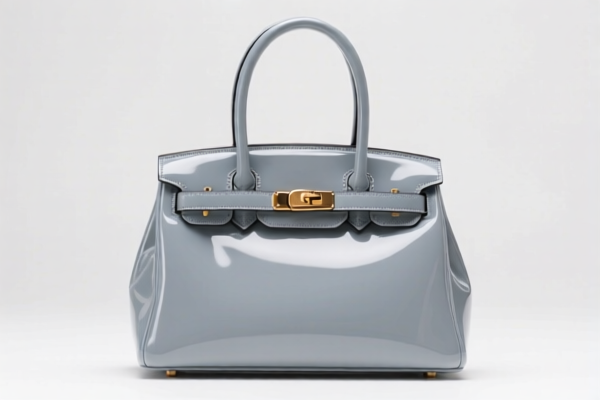
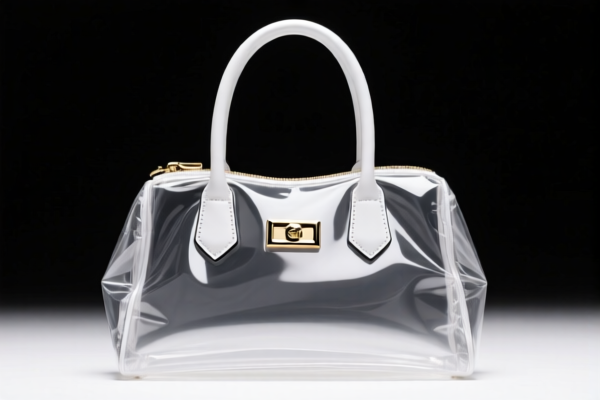
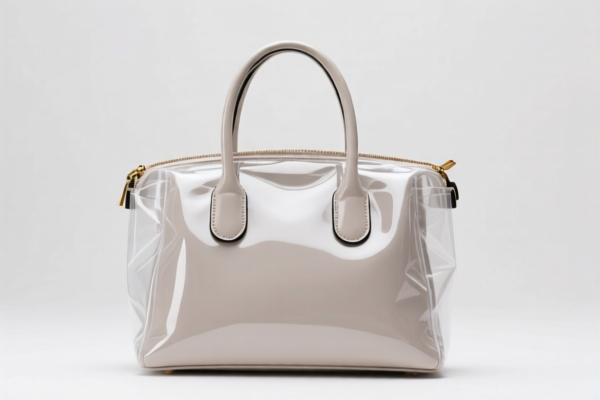
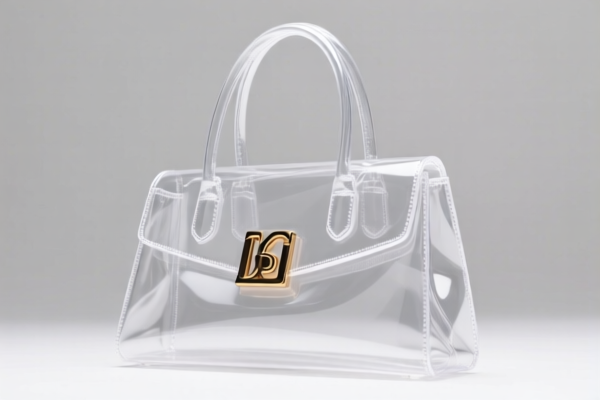
AI Analysis
🎒 High-End Plastic Handbags: HS Code Classification & US Customs Clearance Strategy (2026)
🌐 HS Code Reference & Customs Guide | 2026 Latest Tariff Analysis | Professional Clearance Strategy
📌 I. Product Definition & Classification: Do You Truly Understand "High-End Plastic Handbags"?
In international trade, "High-End Plastic Handbags" are not a single, unified category. Their classification depends entirely on material composition and structural design. Misclassification is the leading cause of customs delays and excessive tax liabilities for Chinese exporters to the US.
There are three distinct pathways for classification:
- Retail Shopping Bags (Chapter 39): Lightweight plastic bags, often used for packaging goods, made from plastics (e.g., polyethylene, polypropylene).
- Plastic Sheet Products (Chapter 39): Flexible sheets or plates of plastics, not yet converted into specific bags.
- Articles of Apparel/Accessories (Chapter 42): Handbags where the outer surface is made of plastic sheet (treated as a material akin to leather or textile), often featuring structured shapes, handles, and lining. This is typically where "High-End" branded plastic bags fall.
⚠️ Key Distinction Point:
- If it is a thin, disposable-style bag or a simple shopping carrier → Likely 3923.21
- If it is a structured handbag with a plastic sheet exterior, handles, and lining → Likely 4202.22
📦 II. HS Code Classification Details (2026 Latest Tariff Authority Comparison)
| HS Code | Product Description | Applicable Scenario | Tax Rate |
|---|---|---|---|
3923.21.00.85 |
Light plastic handbags, classified based on plastic material and retail shopping bag characteristics | Thin plastic shopping bags, lightweight carriers, promotional bags | 38.0% |
3923.21.00.80 |
Light plastic handbags, conforming to classification characteristics of vinyl polymer plastic bags | Standard polyethylene/polypropylene shopping bags, rigid plastic carriers | 38.0% |
4202.22.15.00 |
Light plastic handbags, handbags with an outer surface made of plastic sheets | Structured high-end handbags, fashion handbags with plastic sheet exterior, lined bags | 51.0% |
🔍 Critical Reminder:
- "High-End" does not automatically mean a lower tax rate. In fact, structured handbags (4202.22) often incur higher tariffs than simple plastic bags (3923.21) due to different duty structures. - Material vs. Function: If the bag is primarily a container for retail goods (shopping bag), it may fall under Chapter 39. If it is primarily an accessory for personal wear (fashion handbag), it falls under Chapter 42. - Warning: Misclassifying a structured handbag (4202) as a simple plastic bag (3923) can lead to underpayment of duties and severe penalties upon US CBP audit.
💰 III. 2026 Latest Tariff Rate Breakdown (Including Additional Taxes & Policy Add-ons)
✅ Applicable Country: United States (US)
✅ Country of Origin: China (CN)
✅ Effective Date: November 10, 2025 (and onwards)
🎯 1. 3923.21.00.85 & 3923.21.00.80 — Light Plastic Handbags/Shopping Bags
| Item | Content |
|---|---|
| Base Duty Rate | 3.0% (ad valorem) |
| Section 301 Additional Duty | +25.0% (USITC Footnote 9903.88.01) |
| 122-Clause Duty (IEEPA) | +10.0% (Against China/HK products, effective Nov 10, 2025) |
| Total Tax Rate | 38.0% |
| Tax Calculation | CIF Value × 38% |
| De Minimis Eligibility | ❌ Not Eligible (deny_de_minimis) |
| Legal Basis Path | IEEPA:9903.01.25 → IEEPA:9903.01.24 → USITC:3923.21.00.85/80 → FOOTNOTE:9903.88.01 |
📌 Explanation:
- Both3923.21.00.85and3923.21.00.80share the same total tax rate of 38.0%. - The 3.0% base is the standard US Most Favored Nation (MFN) duty for plastic bags. - The 25% Section 301 is a legacy tariff on Chinese plastic products. - The 10% 122-Clause is the new addition targeting China-origin plastics and related goods. - No De Minimis: These items cannot be shipped via informal entry (e.g., small parcels under $800) to avoid duties. They require formal entry.
🎯 2. 4202.22.15.00 — Structured Handbags with Plastic Sheet Exterior
| Item | Content |
|---|---|
| Base Duty Rate | 16.0% (ad valorem) |
| Section 301 Additional Duty | +25.0% (USITC Footnote 9903.88.01) |
| 122-Clause Duty (IEEPA) | +10.0% (Against China/HK products, effective Nov 10, 2025) |
| Total Tax Rate | 51.0% |
| Tax Calculation | CIF Value × 51% |
| De Minimis Eligibility | ❌ Not Eligible (deny_de_minimis) |
| Legal Basis Path | IEEPA:9903.01.25 → IEEPA:9903.01.24 → USITC:4202.22.15.00 → FOOTNOTE:9903.88.01 |
📌 Critical Note:
- This is a high-risk, high-cost classification. - The 16% base duty is significantly higher than the 3% for plastic bags because "handbags" are considered finished accessories, not raw plastic goods. - Total 51% makes these items very expensive to import into the US from China. - Structure Matters: If your "plastic handbag" has a rigid shape, lining, zipper, and handles, CBP will likely classify it as 4202.22, not 3923.21.
🛠️ IV. Customs Clearance Practical Advice (Battle-Tested Pitfall Avoidance Guide)
✅ 1. Documentation Checklist (Non-Negotiable)
| Document | Required | Explanation |
|---|---|---|
| ✅ Product Specification Sheet | ✔️ | Must detail: Material composition (e.g., "100% Polyethylene" vs. "Plastic Sheet Laminated to Fabric"), dimensions, weight. |
| ✅ Photos (Front, Back, Inside, Hardware) | ✔️ | Must show if it is a simple bag (3923) or a structured handbag (4202). Close-ups of handles and lining are crucial. |
| ✅ Commercial Invoice | ✔️ | Must clearly state: "Plastic Shopping Bag" OR "Handbag with Plastic Sheet Exterior." Avoid vague terms like "Plastic Bag." |
| ✅ Packing List | ✔️ | Detail unit weight and dimensions. |
| ✅ Origin Declaration | ✔️ | Must certify Country of Origin as China to apply correct 122-Clause duties. |
✅ 2. Declaration Strategy (Key Mantra)
🔥 “Shape Determines Chapter, Material Determines Subheading, Origin Determines Tax!”
| Scenario | Correct Declaration | Wrong Practice | Consequence |
|---|---|---|---|
| Simple, thin plastic shopping bag | 3923.21.00.80 or .85 |
Declare as "Handbag" → 51% | Overpaying taxes by 13% |
| Structured, lined fashion bag | 4202.22.15.00 |
Declare as "Plastic Bag" → 38% | Underpayment, penalty, seizure risk |
| Bag with mixed materials (e.g., plastic + leather trim) | Consult Ruling | Guessing | CBP will reclassify and assess penalties |
✅ 3. Special Situation Handling
| Situation | Handling Advice |
|---|---|
| OEM Fashion Bags | Provide design sketches and material breakdown. If the outer surface is >50% plastic sheet, it may still be 4202. |
| Reinforced Plastic Bags | If the bag has thick, rigid handles and a structured bottom, CBP may view it as a "handbag" (4202), not a "shopping bag" (3923). |
| Samples vs. Bulk | Do not use De Minimis (Section 321) for bulk shipments of plastic bags/handbags from China. The new 122-Clause rules explicitly deny this for many plastic categories. |
| Re-packaging | If importing bags and then labeling them in the US, the origin is still China. Duties apply at import. |
🌍 V. Global Market Customs Comparison (2026 Latest)
| Country/Region | Recommended HS Code | Duty Rate (China Origin) | Certification | Remarks |
|---|---|---|---|---|
| 🇺🇸 USA | 4202.22.15.00 / 3923.21.00.85 |
51% / 38% | No specific cert. | High tariffs due to 301 + 122-Clause. |
| 🇨🇳 China | 4202.22.15.00 / 3923.21.00.85 |
8-12% | N/A | Lower base duties, no US-style add-ons. |
| 🇪🇺 EU | 4202.22.15.00 / 3923.21.00 |
6-4% | CE (if applicable) | No Section 301 equivalent, but anti-dumping may apply. |
| 🇦🇺 Australia | 4202.22.15.00 / 3923.21.00 |
5% | N/A | Moderate duty, no major trade war tariffs. |
📌 Conclusion:
- The US market is the most expensive for plastic handbags due to the combination of Section 301 and the new 122-Clause. - Cost Optimization: If possible, consider sourcing non-plastic accessories (e.g., fabric handles) to change the "outer surface" material, potentially shifting to a different subheading (e.g., textile handbags), but this requires strict material analysis.
📌 VI. Common Errors & Pitfall Guide (Lessons Learned)
❌ Error 1: Calling a structured handbag a "Plastic Bag" to get 38% tax.
👉 Consequence: CBP rejects the entry, demands correct classification (51%), and may impose penalties.
❌ Error 2: Assuming "High-End" means a special tariff code.
👉 Consequence: There is no "luxury" tariff. Classification is based on material and form.
❌ Error 3: Ignoring the 122-Clause (10% additional duty).
👉 Consequence: Underpayment by 10% on all plastic goods from China. This is a new, mandatory add-on.
❌ Error 4: Using De Minimis for commercial shipments.
👉 Consequence: Shipments seized or returned. The 122-Clause and 301 rules deny de minimis for these categories.
✅ Correct Approach:
"Structured Handbag, Outer Surface: Plastic Sheet, Lining: Polyester, Handles: Plastic, Origin: China, Model: XYZ"
🎯 VII. Conclusion: Precision in Classification, Profit in Clearance
🎯 Remember the Mantra:
🔹 "Shopping Bag = 3923 (38%), Fashion Handbag = 4202 (51%)!"
🔹 "122-Clause adds 10%, 301 adds 25% – Total can hit 51%!"
🔹 "Don't Guess, Document! CBP looks at Structure and Material!"
📌 Pro Tip:
- For high-volume imports, apply for an Advance Ruling from US CBP before shipping. This locks in the HS code and prevents surprise audits.
- If your product is a hybrid (e.g., plastic body with textile straps), ensure the "chief character" is clearly plastic sheet to stay in 4202, or clearly simple plastic to stay in 3923, but never mix claims.
📣 Immediate Action:
📞 Contact your freight forwarder + Provide detailed product photos + Apply for CBP Ruling if value is high.
🚀 Clear Customs Smoothly, Avoid 51% Pitfalls, Maximize Margins!
✨ Professional Clearance Starts with Accurate Classification!
💼 Every Percent Saved is Pure Profit!
Customer Reviews
About HS Code Classification
The Harmonized System (HS) is an internationally standardized nomenclature developed by the World Customs Organization (WCO) to classify traded products. Over 200 countries use the HS system as the basis for customs tariffs, trade statistics, and import/export regulations.
Each HS code follows a hierarchical structure:
- Chapter (2 digits) — Broad category of goods (e.g., Chapter 84: Machinery and Mechanical Appliances)
- Heading (4 digits) — More specific grouping within the chapter
- Subheading (6 digits) — Internationally standardized breakdown, used by all WCO member countries
- National subdivisions (8-10 digits) — Country-specific extensions for further classification, such as US HTSUS 10-digit codes
Correct HS code classification is essential for smooth customs clearance, accurate duty payment, and compliance with trade regulations. Misclassification can lead to customs delays, overpayment of duties, or penalties.
When importing from CN to US, the applicable tariff rates may include:
- Most-Favored-Nation (MFN) rate — The standard duty rate applied to WTO members
- General rate — Applied to countries without trade agreements
- Trade remedy duties — Additional tariffs such as Section 301 (anti-dumping), Section 232 (national security), or countervailing duties
The information provided on this page is for reference purposes only. For official classification, please consult with your local customs authority or a licensed customs broker.