high performance radial station wagon tire 17 18 inch
CN → US| HS Code | Tariff Rate | Origin | Destination | Doc |
|---|---|---|---|---|
| 8708704560 | 37.5% | CN | US | Official Doc |
| 4012118000 | 38.4% | CN | US | Official Doc |
| 4012114000 | 39.0% | CN | US | Official Doc |
| 4011101060 | 39.0% | CN | US | Official Doc |
Product Images
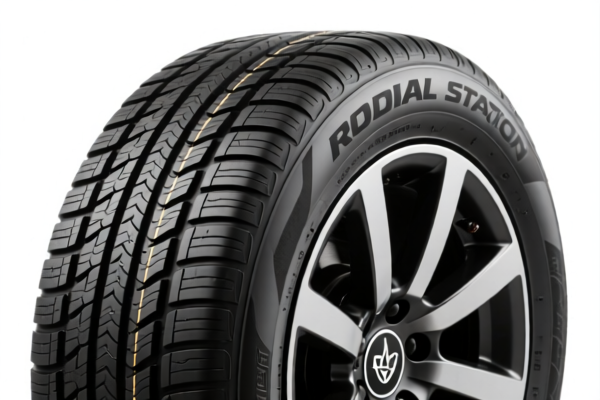
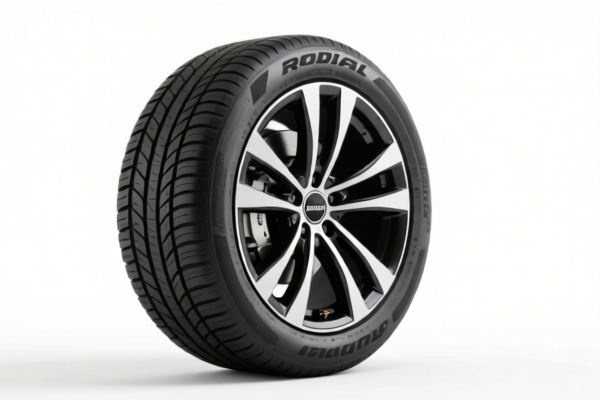
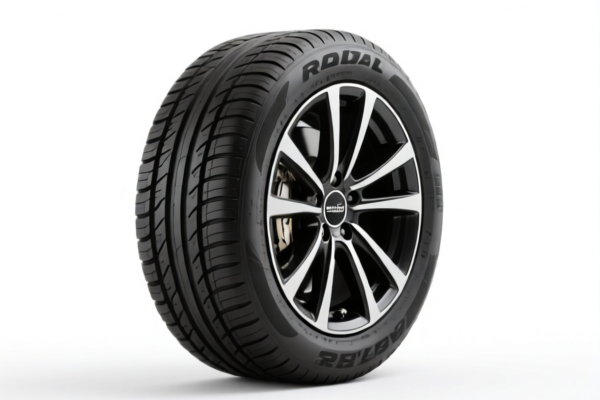
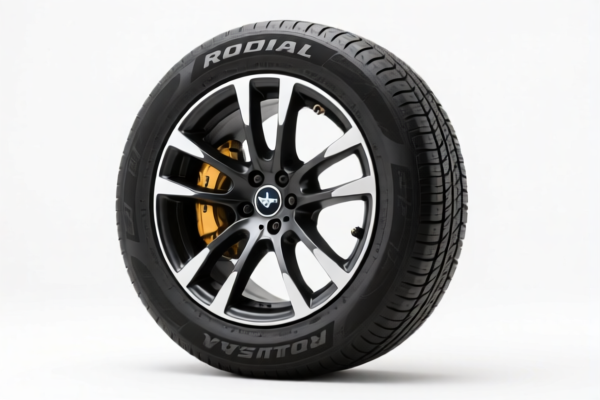
AI Analysis
🚗 High-Performance Radial Station Wagon Tire (17-18 Inch)
🌐 HS Code Reference & Clearance Guide | 2026 Latest Tariff Analysis | Professional Customs Strategy
📌 I. Product Definition & Classification: Do You Really Understand "Tires"?
High-performance radial tires for station wagons are critical components of the automotive supply chain, designed for superior handling, grip, and durability in diverse driving conditions. In international trade, these products are strictly categorized based on structure (Radial vs. Non-Radial), usage (Passenger Car vs. Truck), and dimensions (Wheel Rim Diameter).
Key Distinction Points: - Radial Structure: The casing plies run perpendicular to the direction of travel, offering better stability and fuel efficiency. This falls under HTSUS Heading 4011 or 4012 depending on specific structural nuances. - Non-Radial (Bias): Generally falls under different subheadings not listed here as primary matches. - Rim Diameter (17-18 inch): 17 inches ≈ 43.18 cm; 18 inches ≈ 45.72 cm. This specific size range is crucial for determining the correct subheading under 4011.10 or 4012.11.
⚠️ Critical Classification Note:
- If the tire is explicitly classified as a "Wheel" (e.g., a complete assembly with rim, though rare for just "tire" description), it may fall under 8708. However, standard tires are rubber articles. - If classified as a "New Pneumatic Tire of Rubber", it falls under Chapter 40. - The 17-18 inch range is the "sweet spot" for modern passenger cars, often landing in the 4011.10 (if specific radial criteria met) or 4012.11 (if categorized under other pneumatic tires).
📦 II. HS Code Classification Details (2026 Latest Tariff Authority Mapping)
Based on the provided data, here are the four possible HS Code matches with their matching logic and tax implications.
| HS Code | Product Description | Matching Logic & Key Criteria | Total Tax Rate |
|---|---|---|---|
8708.70.45.60 |
Other Wheels & Parts Thereof | Match Basis: Treated as "Road Wheels" (since tires are part of the wheel assembly). Applicable to Station Wagon use. Material considered rubber/composite. Does not conflict with "Other Wheels." | 37.5% |
4012.11.80.00 |
Other Pneumatic Tires of Rubber | Match Basis: Radial Station Wagon tire. Material inferred as rubber. Fits the logic for "Other" pneumatic tires not specifically listed elsewhere. | 38.4% |
4012.11.40.00 |
Other Pneumatic Tires of Rubber | Match Basis: Radial (Radial) tire, for Station Wagon. Material is rubber. Fully fits the classification for "Other" pneumatic tires for cars. | 39.0% |
4011.10.10.60 |
New Pneumatic Tires of Rubber, for Motor Cars | Match Basis: Radial Tire, for Station Wagon. Crucial: Rim diameter 17-18 inch (43.18 cm - 45.72 cm) falls precisely within the range for this subheading. Material is rubber. | 39.0% |
🔍 Important Clarification:
- 8708 vs. 4011/4012: While8708.70.45.60is a valid match, it classifies the item as a "Wheel Part." Most customs brokers prefer 4011 or 4012 for pure tires unless the product is a wheel rim assembly.
- 4011.10.10.60 is the most technically precise for Radial tires of 17-18 inch diameter for passenger cars (Station Wagon is a passenger vehicle).
- 4012 codes are generally for "Other" pneumatic tires, often used when specific radial/passenger criteria aren't fully met or as fallback classifications.
💰 III. 2026 Latest Tariff Rate Breakdown (Including Surtaxes & Policy Add-ons)
✅ Applicable Country: United States (US)
✅ Country of Origin: China (CN)
✅ Effective Date: From November 10, 2025 (and subsequent imports)
🎯 1. 8708.70.45.60 – Other Wheels & Parts
| Item | Content |
|---|---|
| Base Duty Rate | 2.5% (ad valorem) |
| Section 301 Surcharge | +25.0% |
| IEEPA Surtax (Section 122) | +10.0% |
| Total Effective Rate | 37.5% |
| Tax Calculation | CIF Value × 37.5% |
| De Minimis Eligibility | ❌ Not Eligible (deny_de_minimis) |
| Legal Authority Path | USITC:8708.70.45.60 → SECTION301:8708.70 → IEEPA:9903.01.25 |
📌 Explanation:
- The 2.5% base duty is standard for automotive parts.
- The 25% Section 301 tax applies to all Chinese-made automotive parts.
- The 10% IEEPA tax (Section 122) is an additional surcharge on Chinese goods.
- Total: 37.5%. This is a high-cost classification, significantly impacting profit margins.
🎯 2. 4012.11.80.00 – Other Pneumatic Tires of Rubber
| Item | Content |
|---|---|
| Base Duty Rate | 3.4% (ad valorem) |
| Section 301 Surcharge | +25.0% |
| IEEPA Surtax (Section 122) | +10.0% |
| Total Effective Rate | 38.4% |
| Tax Calculation | CIF Value × 38.4% |
| De Minimis Eligibility | ❌ Not Eligible (deny_de_minimis) |
| Legal Authority Path | USITC:4012.11.80.00 → SECTION301:4012 → IEEPA:9903.01.25 |
📌 Note:
- Base duty is slightly higher than8708(3.4% vs 2.5%).
- Same surcharges apply, leading to a higher total tax of 38.4%.
- This classification is less common for standard passenger radial tires compared to4011.
🎯 3. 4012.11.40.00 – Other Pneumatic Tires of Rubber
| Item | Content |
|---|---|
| Base Duty Rate | 4.0% (ad valorem) |
| Section 301 Surcharge | +25.0% |
| IEEPA Surtax (Section 122) | +10.0% |
| Total Effective Rate | 39.0% |
| Tax Calculation | CIF Value × 39.0% |
| De Minimis Eligibility | ❌ Not Eligible (deny_de_minimis) |
| Legal Authority Path | USITC:4012.11.40.00 → SECTION301:4012 → IEEPA:9903.01.25 |
📌 Note:
- Highest base duty among the options (4.0%).
- Total tax: 39.0%. This is the most expensive classification among the provided options.
- Use only if4011does not apply.
🎯 4. 4011.10.10.60 – New Pneumatic Tires, for Motor Cars (17-18 Inch)
| Item | Content |
|---|---|
| Base Duty Rate | 4.0% (ad valorem) |
| Section 301 Surcharge | +25.0% |
| IEEPA Surtax (Section 122) | +10.0% |
| Total Effective Rate | 39.0% |
| Tax Calculation | CIF Value × 39.0% |
| De Minimis Eligibility | ❌ Not Eligible (deny_de_minimis) |
| Legal Authority Path | USITC:4011.10.10.60 → SECTION301:4011 → IEEPA:9903.01.25 |
📌 Technical Precision:
- This is the most accurate HS Code for a Radial tire with 17-18 inch rim diameter for a Station Wagon (a motor car).
- Despite the accurate match, the total tax is 39.0%, which is higher than8708.70.45.60.
- Strategic Insight: If the goal is lowest tax,8708.70.45.60(37.5%) is cheaper, even if it’s a less precise classification for a "tire" vs. "wheel part." However, accuracy is key for compliance. Misclassification can lead to penalties.
🛠️ IV. Clearance Practical Advice (Real-World Pitfall Avoidance)
✅ 1. Required Documentation Checklist (Non-Negotiable)
| Document | Must Provide? | Explanation |
|---|---|---|
| ✅ Product Specification Sheet | ✔️ | Must include: Diameter, Width, Aspect Ratio, Radial Structure, Load Index, Speed Rating. |
| ✅ Tire Sidewall Photo | ✔️ | Must show "RADIAL," size (e.g., 225/50R17), and origin mark. |
| ✅ Commercial Invoice | ✔️ | Clearly state "High-Performance Radial Tire for Station Wagon." |
| ✅ Packing List | ✔️ | Quantity, gross weight, net weight, dimensions. |
| ✅ Certificate of Origin (CO) | ✔️ | For China-origin goods, required for Section 301/IEEPA application. |
| ✅ FCC/CPSC Compliance | ✔️ | Tires do not require FCC, but may need DOT Safety Standards compliance documentation. |
✅ 2. Declaration Strategy (Key Mantras)
🔥 “Specify Radial, Specify Inch, Declare Origin, Avoid Penalties!”
| Scenario | Correct Declaration | Wrong Practice |
|---|---|---|
| 17-18 Inch Radial Tire | 4011.10.10.60 (Accurate) or 8708.70.45.60 (Lower Tax, Higher Risk) |
Vague description "Car Tire" → May be reassigned to higher duty or audit. |
| Non-Radial (Bias) Tire | Different HTSUS code (not listed in top matches) | Declaring Radial as Non-Radial → Penalty for misclassification. |
| Used Tire | Prohibited/Restricted | Importing used tires into the US is generally banned unless for recycling. |
| OEM vs. Aftermarket | Specify "Aftermarket" or "OE Replacement" | Not declaring OEM status may affect duty if exemptions apply (rare for tires). |
✅ 3. Special Cases Handling
| Situation | Recommendation |
|---|---|
| Mixed Container (Tires + Parts) | Declare tires separately. Do not mix under one HS code if it leads to ambiguity. |
| 16-Inch or 19-Inch Tires | Different HTSUS subheadings apply. Ensure size matches 4011.10.10.60 (17-18 inch) exactly. |
| Tubeless vs. Tube-Type | Most passenger tires are tubeless. Specify "Tubeless" to avoid classification under tube-type codes. |
| White-Wall or Colored Sidewall | May affect valuation and description, but not HS code. Be precise in description. |
🌍 V. Global Market Clearance Comparison (2026 Latest)
| Country/Region | Recommended HS Code | Tariff (China Origin) | Certification | Notes |
|---|---|---|---|---|
| 🇺🇸 USA | 4011.10.10.60 |
39.0% | DOT Safety Compliance | High tariffs due to Section 301 & IEEPA. |
| 🇺🇸 USA | 8708.70.45.60 |
37.5% | DOT Safety Compliance | Lower tax, but "Wheel Part" classification. |
| 🇨🇳 China | 4011.10.10.60 |
~10% | CCC (if applicable) | No Section 301/IEEPA taxes. |
| 🇪🇺 EU | 4011.10.10.00 |
0% (if GSP/FTA) | E-Mark (ECE R30) | No Section 301 taxes. |
| 🇨🇦 Canada | 4011.10.10.00 |
0% (CUSMA) | Transport Canada | Favorable under USMCA/CUSMA. |
📌 Conclusion:
- USA: Tires from China face high tariffs (37.5%-39.0%).
- Alternative Markets: Consider exporting to Canada or Mexico (under CUSMA/USMCA) for 0% duty if eligible.
- Cost Optimization: If using8708.70.45.60, ensure your customs broker agrees that "Tire" can be classified as "Wheel Part" to save 1.5% tax. However, this carries compliance risk.
📌 VI. Common Errors & Pitfalls (Blood-Red Lessons)
❌ Error 1: Declaring 17-inch tire as "Other Tire" (4012) when it fits 4011.10
👉 Consequence: Potential misclassification, but tax rates are similar. However, 4011 is more precise for passenger cars.
❌ Error 2: Ignoring the Section 122 (IEEPA) 10% Surcharge
👉 Consequence: Underpaying tax by 10% → Back taxes + Penalties + Interest.
❌ Error 3: Using "De Minimis" ($800) for shipments under $800
👉 Consequence: Tires are explicitly excluded from de minimis (deny_de_minimis). All shipments, even small ones, require full duty payment.
❌ Error 4: Misdeclaring "Radial" as "Bias"
👉 Consequence: Different HS code, potentially different base rate. If detected, fraud penalties apply.
✅ Correct Practice:
"High-Performance Radial Pneumatic Tire, Tubeless, for Station Wagon, Size 225/50R17, Origin: China, DOT Certified"
🎯 VII. Conclusion: Precision in Classification Saves Money!
🎯 Remember the Mantra:
🔹 "Radial + 17-18 Inch + Car = 4011.10.10.60 (39% Tax)"
🔹 "Wheel Part Classification = 8708.70.45.60 (37.5% Tax, Riskier)"
🔹 "No De Minimis! Pay Up on Every Box!"
📌 Pro Tip:
- If your tires are shipped from Vietnam, Mexico, or Thailand (not China), you may avoid Section 301 and IEEPA taxes, reducing the total tax to Base Duty (0-4%).
- Supply Chain Diversification: Consider sourcing from non-China origins to save 35%+ in tariffs.
📣 Immediate Action:
📞 Consult Your Customs Broker: Verify if
8708.70.45.60is acceptable for your specific product description to save 1.5%.
📄 Apply for Advance Ruling: Get official determination from CBP to avoid post-import audits.
🚀 Optimize Your Supply Chain: Shift production to non-tariff countries if possible.
✨ Professional Clearance Starts with Accurate Classification!
💼 Every Percent of Duty Counts! Plan Smart, Declare Right!
Customer Reviews
About HS Code Classification
The Harmonized System (HS) is an internationally standardized nomenclature developed by the World Customs Organization (WCO) to classify traded products. Over 200 countries use the HS system as the basis for customs tariffs, trade statistics, and import/export regulations.
Each HS code follows a hierarchical structure:
- Chapter (2 digits) — Broad category of goods (e.g., Chapter 84: Machinery and Mechanical Appliances)
- Heading (4 digits) — More specific grouping within the chapter
- Subheading (6 digits) — Internationally standardized breakdown, used by all WCO member countries
- National subdivisions (8-10 digits) — Country-specific extensions for further classification, such as US HTSUS 10-digit codes
Correct HS code classification is essential for smooth customs clearance, accurate duty payment, and compliance with trade regulations. Misclassification can lead to customs delays, overpayment of duties, or penalties.
When importing from CN to US, the applicable tariff rates may include:
- Most-Favored-Nation (MFN) rate — The standard duty rate applied to WTO members
- General rate — Applied to countries without trade agreements
- Trade remedy duties — Additional tariffs such as Section 301 (anti-dumping), Section 232 (national security), or countervailing duties
The information provided on this page is for reference purposes only. For official classification, please consult with your local customs authority or a licensed customs broker.