high quality animal fur bathrobe
CN → US| HS Code | Tariff Rate | Origin | Destination | Doc |
|---|---|---|---|---|
| 4303900000 | 35.0% | CN | US | Official Doc |
| 6217909095 | 32.1% | CN | US | Official Doc |
| 6110909090 | 23.5% | CN | US | Official Doc |
| 6202902960 | 20.3% | CN | US | Official Doc |
| 6201902920 | 20.3% | CN | US | Official Doc |
Product Images
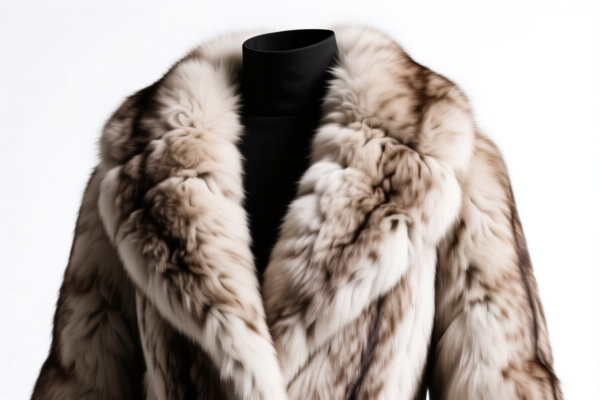
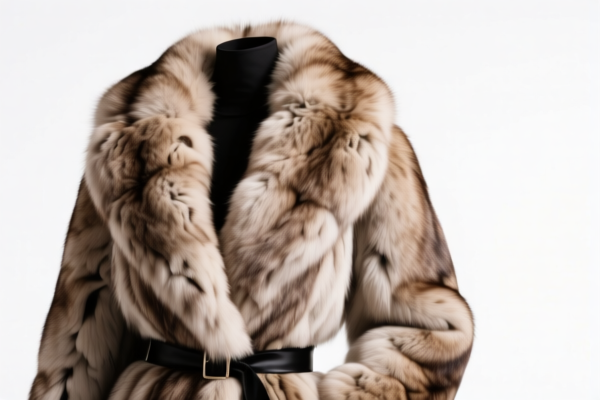
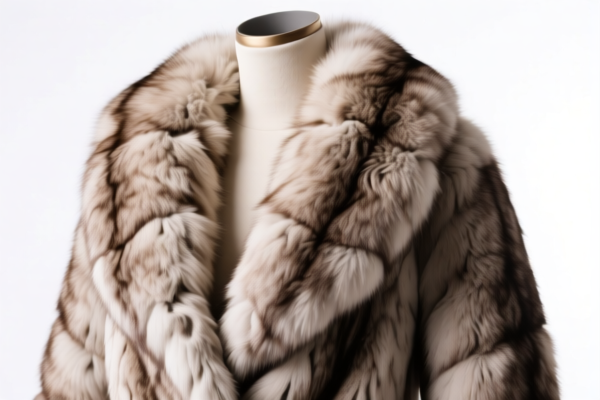
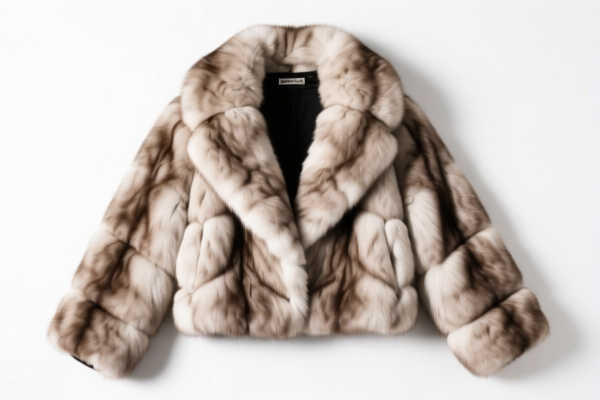
AI Analysis
🛁 Premium Animal Fur Bathrobes (High-Quality Animal Fur Bathrobes)
🌐 HS Code Reference & Customs Clearance Guide | 2026 Latest Tariff Analysis | Professional Clearance Strategy 📌 I. Product Definition & Classification: What Exactly Is an "Animal Fur Bathrobe"?
An animal fur bathrobe is a luxury garment designed for post-bath or lounging comfort, crafted from genuine animal pelts or fur materials. In international trade, its classification is not straightforward because it depends heavily on two factors: 1. Material Composition: Is it classified as "furskin" (Chapter 43) or "textile fabric" (Chapter 61/62)? 2. Manufacturing Method: Is it knitted/hooked (Chapter 61) or woven/sewn (Chapter 62)?
⚠️ Key Distinction Point: - If the product is primarily defined by its raw furskin material and falls under specific leather/fur accessory categories, it may go to Chapter 43. - If it is a finished garment made from fur-fabric (processed fur textiles), it falls under Chapter 61 (Knitted) or Chapter 62 (Non-knitted). - Crucial: Misclassifying a finished robe as a "fur accessory" or vice versa can lead to massive duty discrepancies.
📦 II. HS Code Classification Details (2026 Latest Tariff Authority对照)
The following data is derived strictly from the provided dataset. Note that while these codes share the same product description ("Animal Fur Bathrobe"), they represent different technical classifications with varying tax implications.
| HS Code | Product Description (Summary) | Material/Type Classification | Total Tax Rate |
|---|---|---|---|
4303.90.00.00 |
Animal fur bathrobe, material is furskin products. Classified under "Other furskin articles and accessories." | Chapter 43: Furskin Articles (Non-garment/Accessory category) | 35.0% |
6217.90.90.95 |
Animal fur bathrobe, form is finished garment/apparel. Classified under "Other made-up accessories of apparel." | Chapter 62: Made-up clothing accessories (Non-knitted) | 32.1% |
6110.90.90.90 |
Animal hair bathrobe, material is hair/fur. Form is Knitted or Crocheted. Suitable for women/children. | Chapter 61: Knitted/Crocheted Apparel | 23.5% |
6202.90.29.60 |
Animal hair bathrobe, form is Coat/Cape. Material is other non-cotton/wool/man-made fiber. | Chapter 62: Women's/W girls' Outerwear (Other) | 20.3% |
6201.90.29.20 |
Animal hair bathrobe, form is Coat/Overcoat. Material is wool or restricted fibers. | Chapter 62: Men's/Boys' Outerwear (Other) | 20.3% |
🔍 Critical Insight: -
4303.90.00.00carries the highest tax burden (35%). This classification treats the item as a "furskin article" rather than a standard garment, often attracting higher duties on raw materials. -6110.90.90.90offers a lower rate (23.5%) but requires the robe to be knitted or crocheted. If your fur robe is sewn from woven panels, this code is invalid. -6201/6202codes offer the lowest rate (20.3%) but are restricted to Coats/Overcoats and specific gender categories. A standard "bathrobe" might not qualify unless it is constructed exactly like a formal overcoat.
💰 III. 2026 Latest Tariff Rate Breakdown (Including Surtaxes & Policy Add-ons)
✅ Applicable Market: United States (US)
✅ Origin: China (CN)
✅ Effective Time: Current 2026 Tariff Structure (Including Section 301 and IEEPA provisions)
🎯 1. 4303.90.00.00 — Furskin Articles (Highest Risk)
| Item | Detail |
|---|---|
| Base Tariff | 0.0% |
| Surtax (Section 301) | +25.0% |
| IEEPA Surtax (122 Clause) | +10.0% |
| Total Effective Rate | 35.0% |
| Tax Calculation | CIF Value × 35% |
| De Minimis Exemption | ❌ Not Eligible (High risk of seizure/rejection) |
| Legal Basis | USITC:4303.90.00.00 → SECTION301:35% (Combined with 122 Clause) |
📌 Explanation:
- The 25% Section 301 tariff applies to Chinese-made furskin articles. - The 10% IEEPA tariff (often referred to as the 122 Clause surtax in some datasets) is added on top. - Total 35% makes this the most expensive option. Avoid this classification unless the product is structurally defined strictly as a "furskin accessory" and not a "garment."
🎯 2. 6217.90.90.95 — Other Made-Up Apparel Accessories
| Item | Detail |
|---|---|
| Base Tariff | 14.6% |
| Surtax (Section 301) | +7.5% |
| IEEPA Surtax (122 Clause) | +10.0% |
| Total Effective Rate | 32.1% |
| Tax Calculation | CIF Value × 32.1% |
| De Minimis Exemption | ❌ Not Eligible |
| Legal Basis | USITC:6217.90.90.95 → SECTION301:7.5% + 122Clause:10% |
📌 Note:
- This code classifies the bathrobe as an "accessory" or "part" of apparel, not the main garment. - While the base duty is high (14.6%), the Section 301 surtax is lower (7.5%) compared to Chapter 43. - Risk: Customs may reject this if the item is clearly a wearable outer garment, not an accessory.
🎯 3. 6110.90.90.90 — Knitted Animal Hair Sweaters/Robes
| Item | Detail |
|---|---|
| Base Tariff | 6.0% |
| Surtax (Section 301) | +7.5% |
| IEEPA Surtax (122 Clause) | +10.0% |
| Total Effective Rate | 23.5% |
| Tax Calculation | CIF Value × 23.5% |
| De Minimis Exemption | ❌ Not Eligible |
| Legal Basis | USITC:6110.90.90.90 → SECTION301:7.5% + 122Clause:10% |
📌 Optimization Tip:
- If your bathrobe is knitted (e.g., knitted fur fleece or integrated knit-fur), this is a more cost-effective option than Chapter 62 or 43. - Ensure the technical specs explicitly state "Knitted" in the manufacturing process.
🎯 4. 6202.90.29.60 & 6201.90.29.20 — Women's/Men's Outerwear (Lowest Cost)
| Item | Detail |
|---|---|
| Base Tariff | 2.8% |
| Surtax (Section 301) | +7.5% |
| IEEPA Surtax (122 Clause) | +10.0% |
| Total Effective Rate | 20.3% |
| Tax Calculation | CIF Value × 20.3% |
| De Minimis Exemption | ❌ Not Eligible |
| Legal Basis | USITC:6202/6201 → SECTION301:7.5% + 122Clause:10% |
📌 Strategy:
- These codes offer the lowest total tax (20.3%). - Condition: The product must be classified as a Coat/Cape/Overcoat (6202for women/girls,6201for men/boys). - Challenge: A typical "bathrobe" is not always considered an "overcoat." You must demonstrate that the product’s structure, weight, and usage align with outerwear/coats, not just loungewear.
🛠️ IV. Customs Clearance Practical Advice (Avoiding Pitfalls)
✅ 1. Preparation Checklist (Non-negotiable)
| Document | Required? | Notes |
|---|---|---|
| ✅ Product Specification Sheet | ✔️ | Must detail: Material (e.g., Rabbit Fur, Shearling), Construction (Knitted vs. Woven), Gender (Men/Women). |
| ✅ Tech Pack / Construction Details | ✔️ | Prove whether it is knitted (for 6110) or woven (for 6201/6202). This is the #1 reason for misclassification. |
| ✅ High-Res Photos | ✔️ | Front, back, lining, and material close-up. Show if it has a belt, collar, or pockets (common in coats). |
| ✅ Commercial Invoice | ✔️ | Clearly state: "Animal Fur Bathrobe / Coat," HS Code, and Country of Origin. |
| ✅ CITES Permit (if applicable) | ✔️ | If the "animal fur" involves endangered species (e.g., certain foxes, seals), CITES documentation is mandatory. |
| ✅ Bill of Lading / Packing List | ✔️ | Ensure weight and dimensions match the invoice. |
✅ 2. Declaration Strategy (Key Mantra)
🔥 "Material Defines Chapter, Construction Defines Subheading!"
| Scenario | Recommended HS Code | Reason |
|---|---|---|
| Knitted Fur Robe | 6110.90.90.90 |
Knitted items go to Chapter 61. Lower duty than Chapter 62. |
| Sewn/Coat-Style Robe (Women) | 6202.90.29.60 |
If it looks like a coat, declare as outerwear. Lowest tax (20.3%). |
| Sewn/Coat-Style Robe (Men) | 6201.90.29.20 |
Same as above, for men’s category. |
| Furskin Accessory/Trim | 4303.90.00.00 |
Avoid unless it is truly an accessory. High tax (35%). |
| Loose Loungewear (Not a Coat) | 6217.90.90.95 |
Only if it cannot be classified as a main garment or coat. |
✅ 3. Special Considerations for "Animal Fur"
- Species Restrictions: Ensure the animal source is not on CITES Appendix I or II. Even if not CITES-controlled, some species require USDA or FWS permits in the US.
- "Bathrobe" vs. "Coat": US Customs is strict. A fluffy robe might be seen as "lingerie" or "loungewear" (which may not fit
6201/6202). To use the lower 20.3% rate, emphasize outerwear features: heavy lining, structured collar, closure buttons/zippers, and suitability for outdoor wear. - Labeling: Must have permanent care labels and fiber content labels in English.
🌍 V. Global Market Clearance Comparison (2026)
| Country/Region | Recommended HS Code | Est. Tariff | Key Requirement | Notes |
|---|---|---|---|---|
| 🇺🇸 USA | 6202.90.29.60 (Coat) |
20.3% | CITES (if applicable), Care Labels | Avoid 4303 (35%). Prove it's outerwear. |
| 🇨🇳 China | 4303.90.00.00 |
~10-14% | Import License | Different tariff structure; base duties may vary. |
| 🇪🇺 EU | 4303.90 or 6202 |
0-6% (if MFN) | CITES is critical. | EU has strict animal welfare labeling. |
| 🇬🇧 UK | 6202.90 |
4-12% | CITES. | Post-Brexit rules apply. Check UK Trade Tariff. |
📌 Conclusion: - The USA is the most challenging market due to the 301 and IEEPA surtaxes. - Strategic Move: If possible, adjust product design to fit Chapter 62 Outerwear (
6201/6202) or Chapter 61 Knitted (6110) to save 10-15% in taxes compared to Chapter 43.
📌 VI. Common Errors & Pitfalls (Blood Lessons)
❌ Error 1: Declaring a Sewn Fur Robe as 4303.90.00.00 (Furskin Article).
👉 Consequence: Pay 35% instead of ~20%. Customs may argue it’s a garment, but if you chose the wrong code, you pay the higher "accessory" or "furskin" rate if misapplied, or get audited. Actually, 4303 is 35%, 6202 is 20.3%. So declaring as 4303 is a mistake if 6202 applies.
❌ Error 2: Calling a Knitted Robe 62xx (Woven).
👉 Consequence: Classification rejection. Must be 6110.90.90.90 (23.5%). If declared as woven, it might still be 20.3% (6202), but if it’s clearly knitted, it’s a mismatch. Correction: If it is knitted, it MUST be 61xx. If it is woven, it MUST be 62xx. Using the wrong one leads to seizure.
❌ Error 3: Ignoring CITES.
👉 Consequence: Seizure and Deportation. Even if the tax is low, missing CITES stops everything at the border.
❌ Error 4: Using "Bathrobe" in the description for 6201/6202.
👉 Consequence: Customs may reject the "Coat" classification.
✅ Fix: Use "Women's Fur Outerwear / Anorak Style Bathrobe" or "Heavy Fur Coat-Style Robe" to justify the Outerwear code.
🎯 VII. Conclusion: Professional Declaration Saves Money!
🎯 Key Takeaway:
🔹 "Knitted = Ch61 (23.5%). Woven Coats = Ch62 (20.3%). Furskin Accessories = Ch43 (35%)."
🔹 "Prove it's a Coat, not just a Robe, to hit the 20.3% rate!"
🔹 "Check Species! CITES kills deals faster than Tariffs."
📌 Pro Tip:
If you are importing into the US, apply for a Pre-Ruling from US Customs and Border Protection (CBP) before shipping. Submit photos and specs for 6202.90.29.60 or 6110.90.90.90 to get a binding determination. This protects you from audits and ensures you pay only 20.3% or 23.5% instead of 35%.
📣 Immediate Action:
📞 Hire a licensed customs broker.
🖼️ Provide high-res photos of the knitting/weave structure.
📄 Check CITES status of the fur source.
🚀 Declare correctly, clear smoothly, maximize profit!
✨ Professional Clearance Starts with Accurate Classification!
💼 Every percentage point matters in high-value fur goods!
Customer Reviews
About HS Code Classification
The Harmonized System (HS) is an internationally standardized nomenclature developed by the World Customs Organization (WCO) to classify traded products. Over 200 countries use the HS system as the basis for customs tariffs, trade statistics, and import/export regulations.
Each HS code follows a hierarchical structure:
- Chapter (2 digits) — Broad category of goods (e.g., Chapter 84: Machinery and Mechanical Appliances)
- Heading (4 digits) — More specific grouping within the chapter
- Subheading (6 digits) — Internationally standardized breakdown, used by all WCO member countries
- National subdivisions (8-10 digits) — Country-specific extensions for further classification, such as US HTSUS 10-digit codes
Correct HS code classification is essential for smooth customs clearance, accurate duty payment, and compliance with trade regulations. Misclassification can lead to customs delays, overpayment of duties, or penalties.
When importing from CN to US, the applicable tariff rates may include:
- Most-Favored-Nation (MFN) rate — The standard duty rate applied to WTO members
- General rate — Applied to countries without trade agreements
- Trade remedy duties — Additional tariffs such as Section 301 (anti-dumping), Section 232 (national security), or countervailing duties
The information provided on this page is for reference purposes only. For official classification, please consult with your local customs authority or a licensed customs broker.