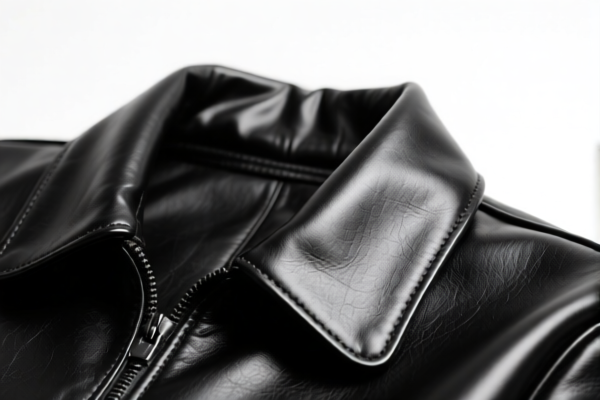
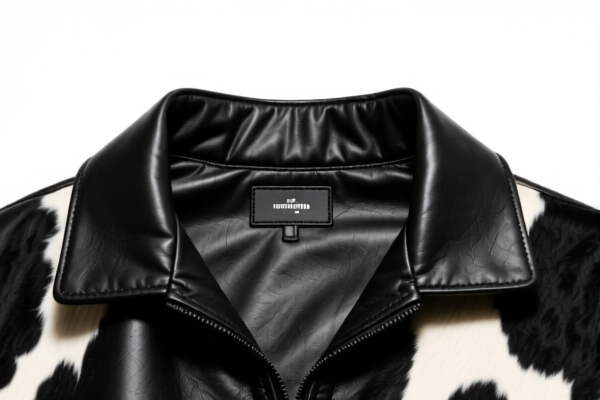
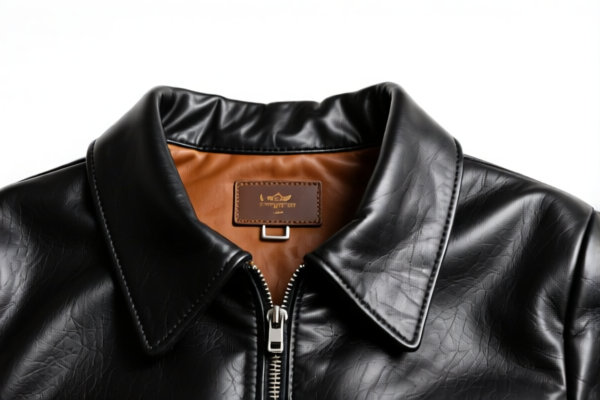
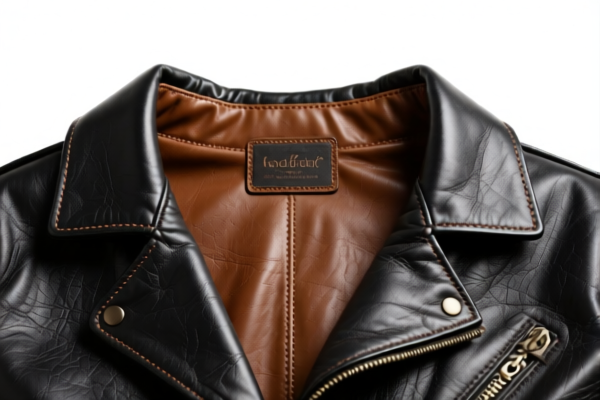
high quality full grain bovine leather
CN → US| HS Code | Tariff Rate | Origin | Destination | Doc |
|---|---|---|---|---|
| 4107118000 | 12.4% | CN | US | Official Doc |
| 4107111020 | 35.0% | CN | US | Official Doc |
| 4107113000 | 13.6% | CN | US | Official Doc |
Product Images
AI Analysis
🐂 High Quality Full Grain Bovine Leather
🌐 HS Code Reference & Customs Clearance Guide | 2026 Latest Tariff Breakdown | Professional Clearance Strategy
📌 I. Product Definition & Classification: What Exactly is "Full Grain Bovine Leather"?
"High Quality Full Grain Bovine Leather" refers to premium hides or skins from cattle (cows, steers, or bulls) that have undergone tanning or further preparation. The key distinction lies in the state of the material (whole hide vs. split) and the quality grade (premium vs. standard).
In international trade, these materials are strictly categorized into three subheadings under Chapter 41 (Leather, fur skins and articles thereof):
1. Whole Hides/Skins (整张皮): * Premium (优质): The most valuable category, often used for high-end automotive seats, luxury bags, and fine apparel. * Refined/Decorated (经修饰): Leather that has been processed with specific surface treatments.
2. Splits (牛层/片): * Without Splitting Characteristics (未劈层特征): Technically classified as "splits" but retaining specific structural integrity, often used for heavy-duty goods or shoe uppers.
⚠️ Critical Distinction Point:
- If the leather is a whole hide/skin and explicitly described as "Premium" (优质) → It falls under 4107.11.10.20.
- If the leather is a whole hide/skin but described generally as "Refined/Decorated" without "Premium" status → It falls under 4107.11.80.00.
- If the material is technically a split (片) but lacks splitting characteristics → It falls under 4107.11.30.00.
📦 II. HS Code Classification Details (2026 Latest Tariff Authority)
| HS Code | Product Description (Chinese Summary) | Applicable Scenario | Key Feature |
|---|---|---|---|
4107.11.80.00 |
精美牛皮整张皮 (Refined/Decorated Whole Hides/Skins) | General high-quality leather goods, apparel, accessories | Treated/Refined, Whole Skin |
4107.11.10.20 |
优质牛皮整张皮或优质牛皮片 (Premium Whole Hides/Skins) | Luxury leather goods, high-end automotive, premium bags | Premium Quality |
4107.11.30.00 |
优质牛皮片 (Premium Splits without Splitting Characteristics) | Shoe uppers, belts, heavy-duty leather goods | Split Form, No Splitting Trait |
🔍 Key Reminder:
- "Premium" (优质) is the trigger keyword for the highest tariff bracket (35.0%).
- "Refined/Decorated" (精美/经过处理) is the lower tariff bracket for whole hides (12.4%).
- "Split" (片) has its own distinct category depending on characteristics (13.6%).
💰 III. 2026 Latest Tariff Rate Breakdown (Including Surtaxes & Policy Add-ons)
✅ Applicable Country: United States (US)
✅ Origin: China (CN)
✅ Effective Time: Current applicable rates (Includes Section 301 and IEEPA add-ons)
🎯 1. 4107.11.80.00 — Refined/Decorated Whole Bovine Hides/Skins
| Item | Content |
|---|---|
| Base Tariff | 2.4% (Ad Valorem) |
| Surtax (Section 301) | 0.0% |
| IEEPA Add-on (122 Clause) | +10.0% |
| Total Tariff | 12.4% |
| Tax Calculation | CIF Value × 12.4% |
| De Minimis Exemption | ❌ Not Eligible |
| Legal Basis Path | IEEPA:122 Clause → USITC:4107.11.80.00 |
📌 Explanation:
- The base tariff is low (2.4%).
- No Section 301 surtax applies here, which is a significant advantage over other categories.
- However, the 10% IEEPA surcharge (often referred to as the "122 Clause" or general China add-on) is still applied.
- Total Impact: Moderate cost increase.
🎯 2. 4107.11.10.20 — Premium Whole Bovine Hides/Skins
| Item | Content |
|---|---|
| Base Tariff | 0.0% |
| Surtax (Section 301) | +25.0% |
| IEEPA Add-on (122 Clause) | +10.0% |
| Total Tariff | 35.0% |
| Tax Calculation | CIF Value × 35.0% |
| De Minimis Exemption | ❌ Not Eligible |
| Legal Basis Path | IEEPA:122 Clause → Section 301 → USITC:4107.11.10.20 |
📌 Warning:
- Despite having a 0% base tariff, the 25% Section 301 surtax is aggressively applied to "Premium" goods.
- Plus the 10% IEEPA add-on.
- Total Impact: High Cost. This is the most expensive category due to the "Premium" designation triggering heavy trade barriers.
🎯 3. 4107.11.30.00 — Premium Bovine Splits (No Splitting Characteristics)
| Item | Content |
|---|---|
| Base Tariff | 3.6% |
| Surtax (Section 301) | 0.0% |
| IEEPA Add-on (122 Clause) | +10.0% |
| Total Tariff | 13.6% |
| Tax Calculation | CIF Value × 13.6% |
| De Minimis Exemption | ❌ Not Eligible |
| Legal Basis Path | IEEPA:122 Clause → USITC:4107.11.30.00 |
📌 Strategy Note:
- If your product is technically a "split" (layered leather) but lacks specific splitting traits, it falls here.
- Base tariff is slightly higher than #1, but no Section 301 surtax.
- Total Impact: Moderate cost, similar to #1 but slightly higher base rate.
🛠️ IV. Customs Clearance Practical Advice (Avoid Pitfalls)
✅ 1. Documentation Checklist (Mandatory)
| Document | Required? | Notes |
|---|---|---|
| ✅ Product Specification | ✔️ | Must clearly state: Bovine, Full Grain, Tanned/Prepared. |
| ✅ Material Breakdown | ✔️ | Explicitly state: Whole Hide vs. Split. |
| ✅ Quality Grade Declaration | ✔️ | Crucial: State "Premium" (优质) or "Standard/Refined" (精美/普通). Mislabeling "Premium" as "Standard" to save tax is fraud. |
| ✅ Commercial Invoice | ✔️ | Clearly describe as "Bovine Leather, Tanned, Full Grain". |
| ✅ Packing List | ✔️ | Weight, dimensions, and number of hides/skins. |
| ✅ Photos | ✔️ | Show texture, grain, and edges to prove "Full Grain" status. |
✅ 2. Declaration Tips (Key Mantra)
🔥 "Grade Determines Tariff, Form Defines Code!"
"Premium = 35%, Refined = 12.4%, Split = 13.6%"
| Scenario | Correct Declaration | Wrong Practice |
|---|---|---|
| High-end Luxury Leather | 4107.11.10.20 (Premium) |
Declaring as "Refined" to save tax → High Risk of Audit/Fine |
| General Apparel Leather | 4107.11.80.00 (Refined) |
Declaring as "Premium" → Overpaying 22.6% |
| Shoe Upper Leather (Split) | 4107.11.30.00 (Split) |
Declaring as "Whole Hide" → Wrong Classification |
✅ 3. Special Cases
| Situation | Advice |
|---|---|
| "Full Grain" Claim | Ensure the grain is intact (no buffing/sanding). If sanded, it may be "Corrected Grain," which might fall under different subheadings. |
| Mixed Shipments | If a container has both "Premium" and "Refined" leather, must separate and declare separately. Mixed declaration leads to the highest applicable rate for the whole shipment. |
| Origin Marking | Ensure all hides are clearly marked as "Made in China" for accurate IEEPA application. |
🌍 V. Global Market Comparison (2026 Latest)
| Country/Region | Recommended HS Code | Estimated Tariff (China Origin) | Notes |
|---|---|---|---|
| 🇺🇸 USA | 4107.11.10.20 |
35.0% | High tariff on Premium; 12.4% on Refined |
| 🇪🇺 EU | 4107.11 (General) |
~4.0% - 6.5% | Standard MFN rates; lower than US |
| 🇨🇳 China | 4107.11 |
~5% - 10% | Import tariff into China |
| 🇬🇧 UK | 4107.11 |
~5% - 6% | Post-Brexit tariff schedule |
| 🇯🇵 Japan | 4107.11 |
~2.0% - 4.0% | Lower duty environment |
📌 Conclusion:
- The US is the most expensive market for premium bovine leather due to the 25% Section 301 surtax.
- Strategy: If your leather is not strictly "Premium" (e.g., it is "Refined" or "Decorated"), ensure your documentation reflects this to benefit from the 12.4% rate instead of 35.0%.
- Caution: Do not downgrade "Premium" to "Refined" falsely. Customs uses physical inspection to verify grain integrity.
📌 VI. Common Mistakes & Pitfalls (Lessons Learned)
❌ Mistake 1: Calling "Standard Leather" "Premium" to confuse customs
👉 Consequence: If audited, you may be fined for undervaluation or misclassification, plus back-taxes.
❌ Mistake 2: Not distinguishing "Whole Hide" from "Split"
👉 Consequence: Misclassification leads to delayed clearance and potential penalties.
❌ Mistake 3: Ignoring the "Full Grain" definition
👉 Consequence: If the leather is sanded (Corrected Grain), it might not qualify for "Full Grain" descriptions, leading to disputes on quality standards with buyers.
✅ Correct Practice:
"Full Grain Bovine Leather, Tanned, Whole Hide, Refined Finish, Grade: Standard, Origin: China"
🎯 VII. Conclusion: Professional Declaration, Cost Optimization!
🎯 Remember the Mantra:
🔹 "Premium Triggers 35%, Refined Stays at 12.4%!"
🔹 "Split is 13.6%, Don't Mix Codes!"
🔹 "Accurate Grade = Accurate Tax = Smooth Clearance!"
📌 Pro Tip:
If you are shipping mixed grades, declare them on separate line items in the commercial invoice. This ensures you only pay 35% on the Premium portion and 12.4% on the Refined portion.
📣 Immediate Action:
📞 Consult a Customs Broker to verify your "Premium" vs. "Refined" classification based on physical samples.
🚀 Optimize your supply chain to understand the true cost of importing into the US.
✨ Professional clearance starts with precise classification!
💼 Every percentage point matters in global trade!
Customer Reviews
About HS Code Classification
The Harmonized System (HS) is an internationally standardized nomenclature developed by the World Customs Organization (WCO) to classify traded products. Over 200 countries use the HS system as the basis for customs tariffs, trade statistics, and import/export regulations.
Each HS code follows a hierarchical structure:
- Chapter (2 digits) — Broad category of goods (e.g., Chapter 84: Machinery and Mechanical Appliances)
- Heading (4 digits) — More specific grouping within the chapter
- Subheading (6 digits) — Internationally standardized breakdown, used by all WCO member countries
- National subdivisions (8-10 digits) — Country-specific extensions for further classification, such as US HTSUS 10-digit codes
Correct HS code classification is essential for smooth customs clearance, accurate duty payment, and compliance with trade regulations. Misclassification can lead to customs delays, overpayment of duties, or penalties.
When importing from CN to US, the applicable tariff rates may include:
- Most-Favored-Nation (MFN) rate — The standard duty rate applied to WTO members
- General rate — Applied to countries without trade agreements
- Trade remedy duties — Additional tariffs such as Section 301 (anti-dumping), Section 232 (national security), or countervailing duties
The information provided on this page is for reference purposes only. For official classification, please consult with your local customs authority or a licensed customs broker.