high strength shoe covers
CN → US| HS Code | Tariff Rate | Origin | Destination | Doc |
|---|---|---|---|---|
| 6405902000 | 21.3% | CN | US | Official Doc |
| 6307909891 | 24.5% | CN | US | Official Doc |
| 6405209080 | 22.5% | CN | US | Official Doc |
| 6307909875 | 17.0% | CN | US | Official Doc |
| 3926201020 | 10.0% | CN | US | Official Doc |
Product Images
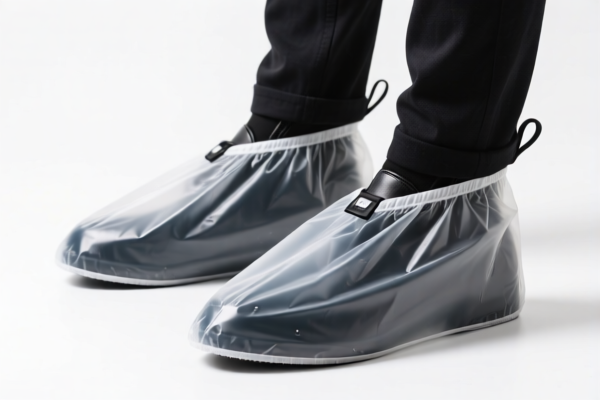
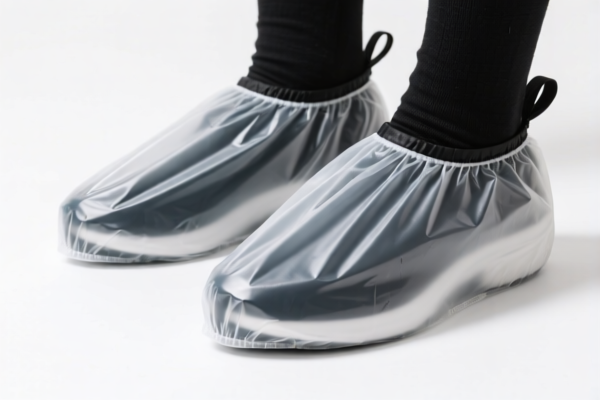
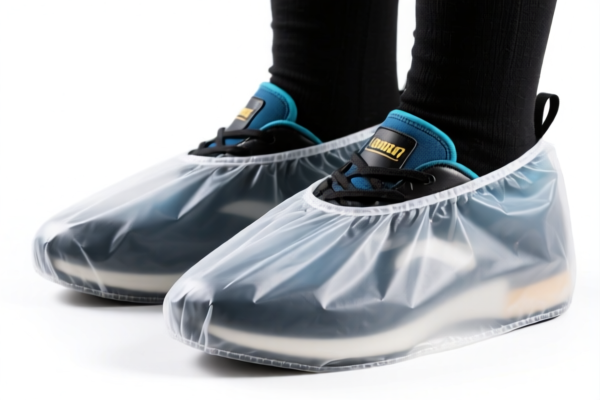
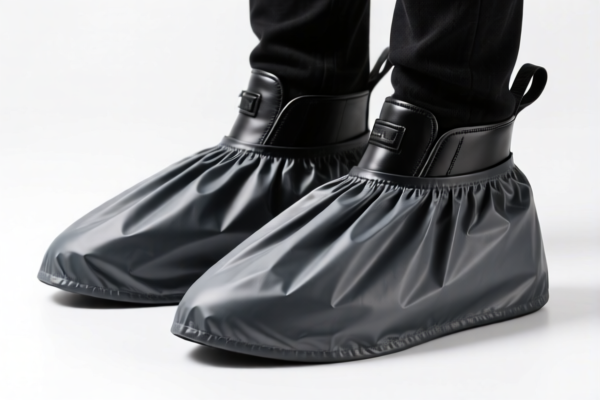
AI Analysis
🧤 High Strength Shoe Covers (Protective Footwear)
🌐 HS Code Reference & Customs Clearance Guide | 2026 Latest Tariff Analysis | Strategic Compliance Strategy
📌 I. Product Definition & Classification: Do You Really Know "High Strength Shoe Covers"?
High Strength Shoe Covers are specialized protective garments designed to cover footwear, preventing contamination, slip hazards, or damage to floors/surfaces. In international trade, their classification is highly sensitive because they can fall under footwear, plastics, or other made-up articles depending on their material composition, structure, and intended use.
The key to accurate classification lies in distinguishing whether the item is considered "Footwear" (Chapter 64), "Plastic Articles" (Chapter 39), or "Other Made-Up Articles" (Chapter 63).
⚠️ Key Distinction Point:
- If primarily made of plastic/polymer and used as a disposable protective barrier → Often Chapter 39 or Chapter 63.
- If structured like a shoe with sole/upper and intended for protection/walking → Often Chapter 64.
- Misclassification Risk: Declaring a plastic cover as "footwear" when it’s a "plastic article" (or vice versa) can lead to significant duty differences and customs holds.
📦 II. HS Code Classification Details (2026 Latest Tariff Authority Comparison)
Below are the 5 specific HS Codes from your provided data, categorized by their legal definition and tax implications.
| HS Code | Product Description (Summary) | Primary Material | Functional Category | Total Tax Rate (China-US) |
|---|---|---|---|---|
6405.90.20.00 |
High Strength Shoe Covers, Disposable, Plastic Material | Plastic | Footwear Accessories | 21.3% |
6307.90.98.91 |
High Strength Shoe Covers, Plastic/Synthetic, Other Made-Up Articles | Plastic/Synthetic | Other Made-Up Articles | 24.5% |
6405.20.90.80 |
High Strength Shoe Covers, Synthetic Material, Footwear Accessories | Synthetic | Footwear Accessories | 22.5% |
6307.90.98.75 |
High Strength Shoe Covers, Plastic, Protective Made-Up Articles | Plastic | Protective Made-Up Articles | 17.0% |
3926.20.10.20 |
High Strength Shoe Covers, Plastic, Disposable Protective Equipment | Plastic | Plastic Articles | 10.0% |
🔍 Critical Insight:
- Cheapest Duty:3926.20.10.20(10.0%) — Best for disposable plastic covers.
- Most Expensive Duty:6307.90.98.91(24.5%) — Often triggers higher scrutiny if not clearly defined.
- Footwear vs. Plastic: Codes starting with 64 are treated as footwear-related; codes starting with 39/63 are treated as general articles. This distinction dictates the base tariff.
💰 III. 2026 Latest Tariff Rate Breakdown (Detailed Clause Analysis)
✅ Applicable Country: United States (US)
✅ Country of Origin: China (CN)
✅ Effective Time: 2025/2026 Import Period
🎯 1. 6405.90.20.00 — Disposable Plastic Shoe Covers (Footwear Category)
| Item | Content |
|---|---|
| Base Tariff | 3.8% |
| Section 301 Tariff | 7.5% |
| 122 Clause Tariff | 10% |
| Total Effective Rate | 21.3% |
| Tax Calculation | CIF Value × 21.3% |
| De Minimis Eligibility | ❌ No (Subject to high duties) |
📌 Explanation:
- "Base Tariff 3.8%": Standard US MFN rate for "Other footwear with outer soles of rubber, plastics, leather..." but specifically for accessories/covers.
- "Section 301 Tariff 7.5%": Additional duty on Chinese goods under U.S. Trade Act Section 301.
- "122 Clause 10%": Specific U.S. legislation targeting certain Chinese imports (likely referencing recent trade enforcement actions).
- Result: A moderate-high duty burden. Suitable if the product is strictly defined as a footwear accessory.
🎯 2. 6307.90.98.91 — Other Made-Up Plastic/Synthetic Articles
| Item | Content |
|---|---|
| Base Tariff | 7.0% |
| Section 301 Tariff | 7.5% |
| 122 Clause Tariff | 10% |
| Total Effective Rate | 24.5% |
| Tax Calculation | CIF Value × 24.5% |
| De Minimis Eligibility | ❌ No |
📌 Explanation:
- This is the highest tax bracket in the provided data.
- Why? It is classified under "Other made-up articles," which often have higher base duties and are less likely to benefit from footwear exemptions.
- Risk: High customs scrutiny. Ensure your product description clearly matches "Other made-up articles" and not footwear to avoid penalties for misclassification.
🎯 3. 6405.20.90.80 — Synthetic Material Footwear Accessories
| Item | Content |
|---|---|
| Base Tariff | 12.5% |
| Section 301 Tariff | 0.0% |
| 122 Clause Tariff | 10% |
| Total Effective Rate | 22.5% |
| Tax Calculation | CIF Value × 22.5% |
| De Minimis Eligibility | ❌ No |
📌 Explanation:
- Key Advantage: 0% Section 301 Tariff.
- Disadvantage: High Base Tariff (12.5%).
- Strategy: If you can prove the product is a "Footwear Accessory" made of "Synthetic Material," this may be a viable option compared to6307.90.98.91, but more expensive than3926.20.10.20.
🎯 4. 6307.90.98.75 — Plastic Protective Made-Up Articles
| Item | Content |
|---|---|
| Base Tariff | 7.0% |
| Section 301 Tariff | 0.0% |
| 122 Clause Tariff | 10% |
| Total Effective Rate | 17.0% |
| Tax Calculation | CIF Value × 17.0% |
| De Minimis Eligibility | ❌ No |
📌 Explanation:
- Best Balance: Lower base duty than footwear codes, no Section 301 tariff, but still subject to the 122 Clause.
- Ideal For: Shoe covers explicitly marketed as "Protective Made-Up Articles" rather than footwear.
- Savings: Compared to6405.90.20.00, this saves 4.3% on the total duty burden.
🎯 5. 3926.20.10.20 — Plastic Disposable Protective Equipment (CHEAPEST!)
| Item | Content |
|---|---|
| Base Tariff | 0.0% |
| Section 301 Tariff | 0.0% |
| 122 Clause Tariff | 10% |
| Total Effective Rate | 10.0% |
| Tax Calculation | CIF Value × 10.0% |
| De Minimis Eligibility | ❌ No |
📌 Explanation:
- Lowest Duty: Only 10.0%.
- Why? Classified under Chapter 39 (Plastics), which often has lower base rates for certain articles.
- Critical Condition: Must be clearly defined as "Disposable Protective Equipment" made of Plastic.
- Warning: If Customs determines the product is actually "Footwear" (Chapter 64), they may reclassify it to6405.90.20.00or6405.20.90.80, leading to back duties + penalties.
- Recommendation: Use this code only if the product is clearly a thin plastic sleeve, not a structured shoe cover.
🛠️ IV. Customs Clearance Practical Advice (Real-World Pitfall Avoidance)
✅ 1. Documentation Checklist (Non-Negotiable)
| Document | Required? | Explanation |
|---|---|---|
| ✅ Product Specification Sheet | ✔️ | Must detail material (Plastic/Synthetic), thickness, weight, and intended use. |
| ✅ Product Photos | ✔️ | Show the product in use. Is it a simple sleeve? Or a structured cover with non-slip sole? |
| ✅ Commercial Invoice | ✔️ | Must specify "Disposable Plastic Shoe Covers" or "Protective Footwear Covers". Avoid vague terms like "Shoes". |
| ✅ Material Composition Certificate | ✔️ | Prove it is Plastic (PE/PP) or Synthetic. Crucial for Chapter 39 vs. Chapter 64. |
| ✅ Customs Ruling (Optional but Recommended) | ✔️ | For high-volume imports, obtain an Advance Ruling to lock in HS Code. |
✅ 2. Classification Strategy (Key Mnemonics)
🔥 "Plastic Sleeve? Go 39! Structured Shoe? Go 64! Protective Wrap? Go 63!"
| Scenario | Recommended HS Code | Reason |
|---|---|---|
| Thin, disposable plastic sleeve (no sole) | 3926.20.10.20 |
Classified as Plastic Article → 10% Duty |
| Thicker, protective cover with non-slip bottom | 6307.90.98.75 |
Classified as Protective Article → 17% Duty |
| Synthetic material, shoe-like shape | 6405.20.90.80 |
Classified as Footwear Accessory → 22.5% Duty |
| General Plastic Disposable Cover | 6405.90.20.00 |
Default Footwear Accessory → 21.3% Duty |
| Generic "Other" Plastic/Synthetic Article | 6307.90.98.91 |
Last resort → 24.5% Duty (Avoid if possible) |
📌 Warning:
- Do NOT use3926.20.10.20if the cover has a rubber/plastic sole intended for walking support. Customs will reclassify to Chapter 64.
- Do NOT use6405.20.90.80if the product is a simple plastic bag-like cover. Customs may view it as misclassified plastic.
✅ 3. Special Cases
| Situation | Handling Advice |
|---|---|
| OEM Custom Colors | Provide design files. Ensure material specification remains consistent. |
| Packaged with Shoes | If sold with shoes, declare separately. Do not bundle under one HS Code unless legally permissible. |
| Medical/Hospital Use | If marketed as "Medical Protective Gear," ensure marketing materials align with 6307.90.98.75 or 3926.20.10.20. |
| Industrial/Site Use | Emphasize "Safety" and "Protection" in description to support Chapter 63 or 39 classification. |
🌍 V. Global Market Clearance Comparison (2026 Latest)
| Country/Region | Recommended HS Code | Estimated Duty (China Origin) | Key Certification | Notes |
|---|---|---|---|---|
| 🇺🇸 United States | 3926.20.10.20 |
10.0% | None usually required | 122 Clause 10% applies. Best option. |
| 🇺🇸 United States | 6405.90.20.00 |
21.3% | None | Higher duty due to Section 301. |
| 🇨🇳 China | 6405.90.20.00 |
Low (Import Duty) | N/A | N/A |
| 🇪🇺 European Union | 3926.20.10 |
~3-6% | CE (if medical) | No Section 301 or 122 Clause. Much cheaper! |
| 🇬🇧 United Kingdom | 3926.20.10 |
~3-6% | UKCA (if medical) | Post-Brexit rules apply. |
📌 Conclusion:
- USA: The 122 Clause (10%) is a fixed cost. Focus on minimizing Base + Section 301 tariffs by choosing3926.20.10.20.
- EU/UK: Significantly lower duties. No anti-dumping or special clauses for this product category.
📌 VI. Common Mistakes & Pitfalls (Lessons Learned)
❌ Mistake 1: Declaring plastic shoe covers as "Footwear" (6405.xxxx) when they are clearly Disposable Plastic Covers.
👉 Consequence: Higher duty (21.3% vs 10%) + Potential audit for underpayment if misclassified downward.
❌ Mistake 2: Using 3926.20.10.20 for Structured Shoe Covers with non-slip soles.
👉 Consequence: Customs reclassification to Chapter 64 → Back duties + Penalties + Delays.
❌ Mistake 3: Ignoring the 122 Clause (10%).
👉 Consequence: Underestimating landed cost. 10% is non-negotiable for Chinese-origin goods in this category under current rules.
✅ Correct Practice:
"Plastic Disposable Shoe Covers, PE Material, Non-Slip Bottom, For Industrial/Commercial Use, Model XYZ"
🎯 VII. Conclusion: Precise Classification Saves Money!
🎯 Remember the Golden Rule:
🔹 "Plastic Sleeve? 10%! Structured Cover? 17%! Footwear? 21%+!"
🔹 "122 Clause is 10% – Always Count It!"
🔹 "HS Code Determines Profit Margin – Get It Right!"
📌 Pro Tip:
If you are importing large volumes, consider Advance Ruling from US Customs and Border Protection (CBP) to confirm 3926.20.10.20 eligibility. This provides legal certainty and prevents future audits.
📣 Immediate Action:
📞 Contact your freight forwarder + Provide material specs + Confirm "Plastic/Disposable" nature
🚀 Optimize your Landed Cost by choosing the correct HS Code!
✨ Professional Clearance Starts with Accurate Classification!
💼 Every Percentage Point Saved is Pure Profit!
Customer Reviews
About HS Code Classification
The Harmonized System (HS) is an internationally standardized nomenclature developed by the World Customs Organization (WCO) to classify traded products. Over 200 countries use the HS system as the basis for customs tariffs, trade statistics, and import/export regulations.
Each HS code follows a hierarchical structure:
- Chapter (2 digits) — Broad category of goods (e.g., Chapter 84: Machinery and Mechanical Appliances)
- Heading (4 digits) — More specific grouping within the chapter
- Subheading (6 digits) — Internationally standardized breakdown, used by all WCO member countries
- National subdivisions (8-10 digits) — Country-specific extensions for further classification, such as US HTSUS 10-digit codes
Correct HS code classification is essential for smooth customs clearance, accurate duty payment, and compliance with trade regulations. Misclassification can lead to customs delays, overpayment of duties, or penalties.
When importing from CN to US, the applicable tariff rates may include:
- Most-Favored-Nation (MFN) rate — The standard duty rate applied to WTO members
- General rate — Applied to countries without trade agreements
- Trade remedy duties — Additional tariffs such as Section 301 (anti-dumping), Section 232 (national security), or countervailing duties
The information provided on this page is for reference purposes only. For official classification, please consult with your local customs authority or a licensed customs broker.