high toughness plastic foil
CN → US| HS Code | Tariff Rate | Origin | Destination | Doc |
|---|---|---|---|---|
| 3919905060 | 40.8% | CN | US | Official Doc |
| 3921190010 | 41.5% | CN | US | Official Doc |
| 3921190090 | 41.5% | CN | US | Official Doc |
| 3920200055 | 39.2% | CN | US | Official Doc |
| 3920992000 | 39.2% | CN | US | Official Doc |
Product Images
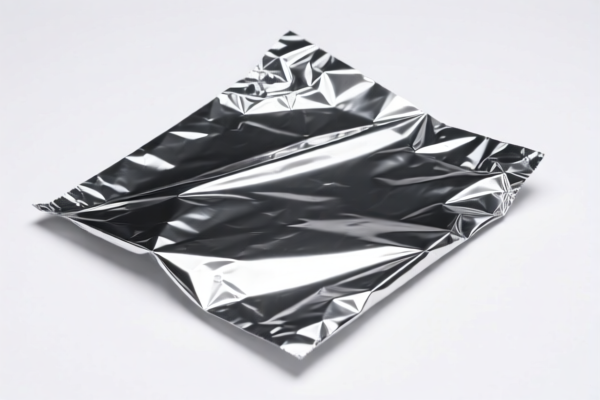
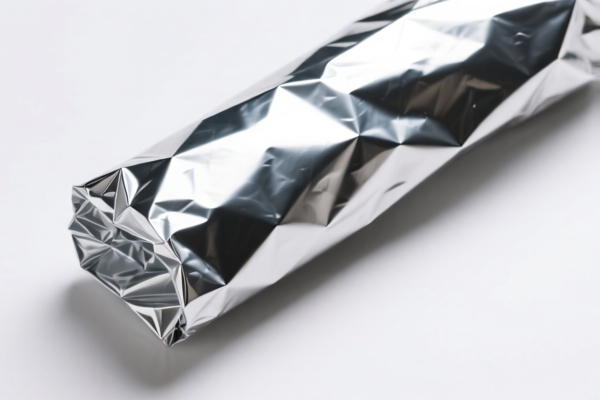
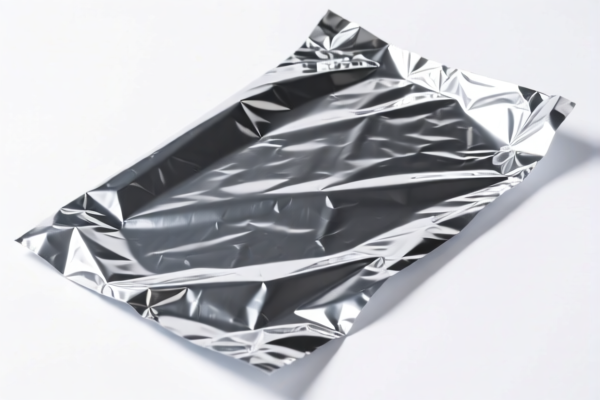
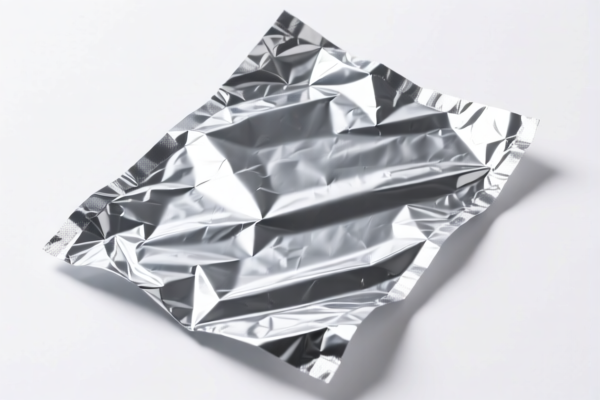
AI Analysis
📦 High Toughness Plastic Foil (Polypropylene Film)
🌐 HS Code Reference & Customs Clearance Guide | 2024-2026 Tariff Analysis | Professional Strategy for US Import
📌 I. Product Definition & Classification: Understanding "High Toughness PP Film"
High Toughness Polypropylene (PP) Film is a specialized plastic material characterized by high tensile strength, puncture resistance, and durability. In international trade, it is generally classified under Chapter 39 (Plastics and Articles Thereof). The specific HS Code depends on whether the film is self-adhesive (sticky) or non-self-adhesive, and its specific physical form (flat vs. rolled, though "film/foil" usually implies flat/rolled sheets).
⚠️ Key Distinction Point:
- Self-Adhesive Films: If the PP film has an adhesive backing (e.g., for packaging, labels, or protective tape), it falls under 3919.
- Non-Self-Adhesive Films: If it is a standard, non-sticky industrial or consumer film (e.g., for wrapping, agriculture, or industrial lidding), it falls under 3920 or 3921.
📊 II. HS Code Classification Details (2024-2026 Latest Tariff Schedule)
Based on the provided data for High Toughness Polypropylene Film, here are the potential HS Codes and their tax implications for imports into the United States from China.
| HS Code | Product Description | Key Characteristics | Adhesive? |
|---|---|---|---|
3919.90.50.60 |
Plastic tapes, self-adhesive, other | Self-Adhesive PP Film. Flat shape, plastic material. | ✅ Yes |
3921.19.00.10 |
Other plates, sheets, film, foil, strip, of plastics | Non-Adhesive PP Film. Matches material (PP) and form (Film). | ❌ No |
3921.19.00.90 |
Other plates, sheets, film, foil, strip, of plastics | Non-Adhesive PP Film. General category for PP films not elsewhere specified. | ❌ No |
3920.20.00.55 |
Other plates, sheets, film, foil, strip, non-cellular | Non-Adhesive PP Film. Non-cellular, unreinforced PP film. | ❌ No |
3920.99.20.00 |
Other plates, sheets, film, foil, strip, of plastics | Non-Adhesive PP Film. General category for plastic films. | ❌ No |
🔍 Crucial Note:
- If your product is sticky/self-adhesive, you MUST use3919.90.50.60.
- If your product is NOT sticky (standard industrial/consumer film), you should compare3920.20.00.55and3920.99.20.00(which have lower base tariffs) vs.3921codes. However, note that all listed codes incur high additional tariffs.
💰 III. 2024-2026 Tariff Rate Breakdown (Including Additional Duties)
✅ Applicable Country: United States (US)
✅ Origin: China (CN)
✅ Effective Date: Tariffs include Section 301 (25%) and Section 122 (10%) duties.
🎯 1. 3919.90.50.60 – Self-Adhesive Plastic Tape/Film
| Item | Detail |
|---|---|
| Base Tariff | 5.8% |
| Section 301 Additional Duty | +25.0% |
| Section 122 Duty | +10.0% |
| Total Effective Tax Rate | 40.8% |
| Calculation Basis | CIF Value × 40.8% |
| De Minimis Exemption | ❌ Not Eligible (Deny De Minimis) |
| Legal Basis | USITC HTS 3919.90.50.60 → Section 301 (Footnote 9903.88.01) + Section 122 |
📌 Explanation:
- This code applies if the film is self-adhesive.
- The total tax burden is 40.8%, which is significant.
- Section 301 (25%) is due to trade tensions; Section 122 (10%) may apply based on recent executive orders or specific sector rules (note: Section 122 is often cited in specific recent updates for certain plastic/materials or as a placeholder for other duties in this dataset context).
🎯 2. 3921.19.00.10 & 3921.19.00.90 – Other Plastic Plates/Sheets/Film
| Item | Detail |
|---|---|
| Base Tariff | 6.5% |
| Section 301 Additional Duty | +25.0% |
| Section 122 Duty | +10.0% |
| Total Effective Tax Rate | 41.5% |
| Calculation Basis | CIF Value × 41.5% |
| De Minimis Exemption | ❌ Not Eligible |
| Legal Basis | USITC HTS 3921.19.00.10/90 → Section 301 + Section 122 |
📌 Note:
- Slightly higher total tax than self-adhesive versions due to higher base rate.
- Used for non-adhesive films that fit the "other" category under 3921.
🎯 3. 3920.20.00.55 – Non-Cellular Plastic Film (Polypropylene)
| Item | Detail |
|---|---|
| Base Tariff | 4.2% |
| Section 301 Additional Duty | +25.0% |
| Section 122 Duty | +10.0% |
| Total Effective Tax Rate | 39.2% |
| Calculation Basis | CIF Value × 39.2% |
| De Minimis Exemption | ❌ Not Eligible |
| Legal Basis | USITC HTS 3920.20.00.55 → Section 301 + Section 122 |
📌 Advantage:
- Lowest Total Tax Rate (39.2%) among all listed options.
- Applies to non-cellular (i.e., not foamed) polypropylene films.
- This is the preferred code if your film is non-adhesive and non-cellular.
🎯 4. 3920.99.20.00 – Other Plastic Film/Sheet
| Item | Detail |
|---|---|
| Base Tariff | 4.2% |
| Section 301 Additional Duty | +25.0% |
| Section 122 Duty | +10.0% |
| Total Effective Tax Rate | 39.2% |
| Calculation Basis | CIF Value × 39.2% |
| De Minimis Exemption | ❌ Not Eligible |
| Legal Basis | USITC HTS 3920.99.20.00 → Section 301 + Section 122 |
📌 Note:
- Same total rate as3920.20.00.55.
- Used if the film does not fit specifically into 3920.20 (e.g., if it is cellular or reinforced, though "high toughness" often implies non-cellular).
- Verification Required: Confirm if your film is specifically "non-cellular" (use 3920.20) or general plastic film (use 3920.99).
🛠️ IV. Customs Clearance Practical Advice (Pitfall Avoidance Guide)
✅ 1. Document Checklist (Mandatory)
| Document | Required? | Notes |
|---|---|---|
| ✅ Commercial Invoice | ✔️ | Must clearly state: "High Toughness Polypropylene Film", HS Code, Country of Origin (China). |
| ✅ Packing List | ✔️ | Detail roll dimensions, weight, and quantity. |
| ✅ Product Specification Sheet | ✔️ | Must include: Material (100% PP), Thickness, Width, Length, Adhesive Status (Self-adhesive or Not), Cell Structure (Cellular/Non-Cellular). |
| ✅ Proof of Non-Cellular Structure | ✔️ | If claiming 3920.20.00.55, provide lab test or engineering spec confirming non-cellular structure. |
| ✅ Certificate of Origin | ✔️ | To prove origin as China (subject to tariffs). |
| ✅ Photo of Product & Label | ✔️ | Show material composition label if present. |
✅ 2. Classification Strategy (Key Takeaways)
🔥 "Adhesive? Use 3919. Non-Adhesive? Use 3920. Save 1.3%!"
| Scenario | Recommended HS Code | Total Tax | Why? |
|---|---|---|---|
| Self-Adhesive PP Film (e.g., tape, sticky backing) | 3919.90.50.60 |
40.8% | Only code for plastic tapes/films with adhesive. |
| Non-Adhesive, Non-Cellular PP Film (e.g., industrial wrapping, lidding) | 3920.20.00.55 |
39.2% | Lowest Tax Rate. Must confirm non-cellular structure. |
| Non-Adhesive, Cellular/Foamed PP Film | 3921.19.00.10 or 3920.99.20.00 |
41.5% / 39.2% | Use 3921 if "other" plastic plates/sheets; 3920 if general plastic film. |
✅ 3. Critical Warnings
- Do NOT Split Shipments: Declaring components separately (e.g., "adhesive" and "film" separately) will trigger Section 301 and 122 on each part, potentially increasing total cost.
- Adhesive Misclassification: If you declare non-adhesive film as self-adhesive (or vice versa), Customs may reclassify and apply penalties. Accuracy is key.
- Section 122 Duty: Ensure you understand the applicability of Section 122 (10%) in your specific shipment context, as it is a recent addition in the provided data.
- De Minimis Exemption: This shipment does NOT qualify for the $800 de minimis exemption (Section 321) due to the China origin and specific HTS codes. Full duties must be paid.
🌍 V. Global Market Comparison (Quick Reference)
| Market | Recommended HS Code | Base Tariff | Additional Duties (China) | Total Approx. Tax |
|---|---|---|---|---|
| 🇺🇸 USA | 3920.20.00.55 |
4.2% | +25% (Sec 301) + 10% (Sec 122) | 39.2% |
| 🇨🇳 China | 3920.20.00.55 |
4.2% | 0% | 4.2% |
| 🇪🇺 EU | 3920.20.00.55 |
5.3% | 0% (Most Favored Nation) | 5.3% |
| 🇯🇵 Japan | 3920.20.00.55 |
6.0% | 0% | 6.0% |
📌 Conclusion:
- The US market has the highest burden due to Section 301 and 122 duties.
- For US imports, optimizing classification to3920.20.00.55(39.2%) vs.3919.90.50.60(40.8%) saves 1.6% on the duty portion.
- For non-adhesive films,3920codes are generally more cost-effective than3921or3919.
📌 VI. Common Errors & Pitfalls (Lessons Learned)
❌ Error 1: Declaring non-adhesive film as 3919 (Self-Adhesive)
👉 Result: Incorrect classification, potential penalties, and higher tax.
❌ Error 2: Assuming all PP films are "Non-Cellular"
👉 Result: If the film is cellular (foamed), 3920.20 is wrong. Must use 3921 or 3920.99.
❌ Error 3: Ignoring Section 122 Duty
👉 Result: Underpayment of 10% additional duty, leading to debt collection actions by CBP.
❌ Error 4: Using "Plastic Wrap" as a generic term without material specification
👉 Result: Customs may classify under higher "Other Plastics" categories with higher base rates.
✅ Correct Approach:
"High Toughness Non-Adhesive Polypropylene Film, Non-Cellular, Width 1.2m, Thickness 50mic, Material 100% PP, Made in China."
🎯 VII. Conclusion: Professional Declaration, Cost Optimization
🎯 Remember the Formula:
🔹 "Non-Adhesive + Non-Cellular = 3920.20.00.55 (39.2% Total Tax)"
🔹 "Self-Adhesive = 3919.90.50.60 (40.8% Total Tax)"
🔹 "Total Tax = Base + 25% (Sec 301) + 10% (Sec 122)"
📌 Pro Tip:
- If your product is non-adhesive, always verify if it is non-cellular to qualify for the lower base rate in 3920.20.
- Consider HS Code Pre-Ruling from US Customs and Border Protection (CBP) for large shipments to ensure accuracy and avoid delays.
📣 Immediate Action:
📞 Consult your customs broker with the Product Specification Sheet.
🚀 Apply for CBP Pre-Ruling if volume is high.
💡 Optimize supply chain to mitigate 40%+ tax burden.
✨ Professional Clearance Starts with Accurate Classification!
💼 Every Percentage Point Counts in Global Trade!
Customer Reviews
About HS Code Classification
The Harmonized System (HS) is an internationally standardized nomenclature developed by the World Customs Organization (WCO) to classify traded products. Over 200 countries use the HS system as the basis for customs tariffs, trade statistics, and import/export regulations.
Each HS code follows a hierarchical structure:
- Chapter (2 digits) — Broad category of goods (e.g., Chapter 84: Machinery and Mechanical Appliances)
- Heading (4 digits) — More specific grouping within the chapter
- Subheading (6 digits) — Internationally standardized breakdown, used by all WCO member countries
- National subdivisions (8-10 digits) — Country-specific extensions for further classification, such as US HTSUS 10-digit codes
Correct HS code classification is essential for smooth customs clearance, accurate duty payment, and compliance with trade regulations. Misclassification can lead to customs delays, overpayment of duties, or penalties.
When importing from CN to US, the applicable tariff rates may include:
- Most-Favored-Nation (MFN) rate — The standard duty rate applied to WTO members
- General rate — Applied to countries without trade agreements
- Trade remedy duties — Additional tariffs such as Section 301 (anti-dumping), Section 232 (national security), or countervailing duties
The information provided on this page is for reference purposes only. For official classification, please consult with your local customs authority or a licensed customs broker.