hip protection shorts
CN → US| HS Code | Tariff Rate | Origin | Destination | Doc |
|---|---|---|---|---|
| 6108210010 | 25.1% | CN | US | Official Doc |
| 6117909060 | 32.1% | CN | US | Official Doc |
| 6208192000 | 28.7% | CN | US | Official Doc |
| 6108229020 | 33.1% | CN | US | Official Doc |
| 6117909075 | 32.1% | CN | US | Official Doc |
Product Images
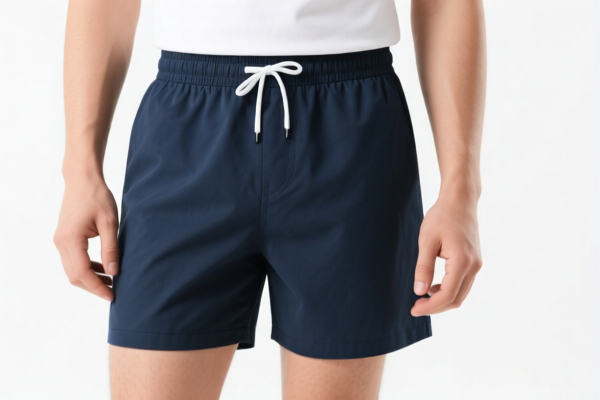

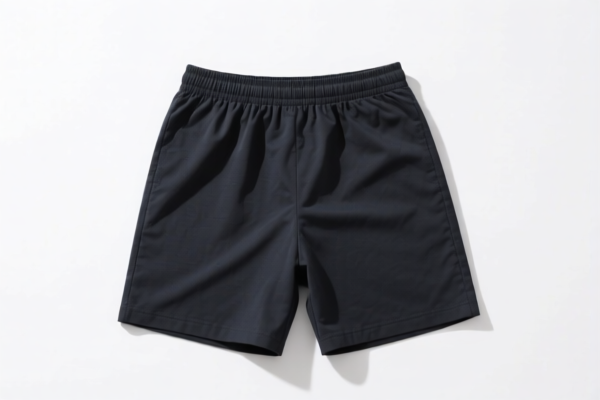
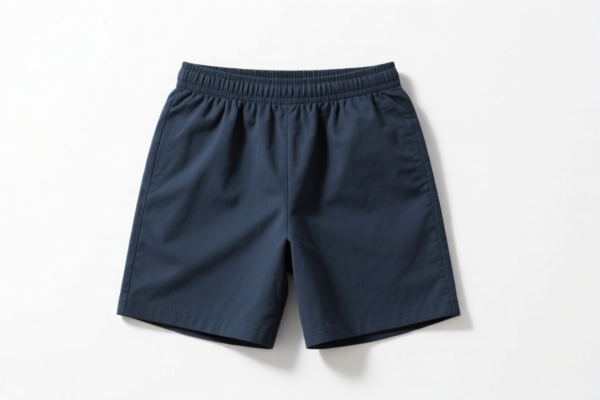
AI Analysis
🩲 Hip Protection Shorts (Safety Shorts for Women)
🌐 HS Code Reference & Customs Clearance Guide | 2026 Latest Tariff Analysis | Professional Entry Strategy
📌 I. Product Definition & Classification: Do You Really Understand "Safety Shorts"?
Hip Protection Shorts (often referred to as "Safety Shorts" or "Modesty Shorts") are essential undergarments for women, designed to be worn under skirts or dresses to prevent accidental exposure. In international trade, they fall into the category of female underwear/bottoms or garment accessories. The classification heavily depends on the material composition (Knitted vs. Woven) and the specific nature of the item (Underwear vs. Accessory).
⚠️ Key Classification Distinction:
- If Knitted/Weft Knit and intended as underwear → Classified under Chapter 61 (Articles of Apparel and Clothing Accessories, Knitted or Crocheted).
- If Woven and intended as underwear → Classified under Chapter 62 (Articles of Apparel and Clothing Accessories, Not Knitted or Crocheted).
- If classified as an accessory/liner rather than primary underwear → May fall under Chapter 61.17 or 62.17.
📦 II. HS Code Classification Details (2026 Latest Tariff Authority Comparison)
| HS Code | Product Description | Application Scenario | Material Inference | Total Tax Rate (Est.) |
|---|---|---|---|---|
6108.21.00.10 |
Safety Shorts categorized as Female Underwear/Bottoms. Form and use match; material inferred as Cotton or Cotton-like Knit. | Mainstream cotton safety shorts, women's underwear. | Cotton / Cotton-like Knit | 25.1% |
6117.90.90.60 |
Matched form as Garment Accessory/Underwear Class. Use: Pants-like. Material inferred as Cotton or Blend. Does not conflict with "Other Made Up Garment Accessories". | Lined shorts, mesh liners, accessory-style shorts. | Cotton / Blend | 32.1% |
6208.19.20.00 |
Form and use match; Safety Shorts belong to Underwear Category. Material inferred as Cotton or Synthetic Fiber. No material conflict with "Slip/Skirt Liner" category. | Woven safety shorts, synthetic fabric modesty shorts. | Cotton / Synthetic Fiber | 28.7% |
6108.22.90.20 |
Safety Shorts fit the Female Underwear Category in form and use. Material inferred as Fibrous Fabric. Consistent with provided classification logic. | Other knitted underwear variants. | Fibrous Fabric | 33.1% |
6117.90.90.75 |
Product form is Garment Accessory (Pants-like), matching "Garment Accessories or Parts". Material inference does not conflict with Cotton, Artificial Fiber, or Wool. Fits "Other" category. | Generic knit accessories, non-specific linen shorts. | Mixed/Other | 32.1% |
🔍 Key Reminder:
- Knitted vs. Woven: Most safety shorts are knitted (Chapter 61). If they are woven (less common for tight-fitting underwear), they fall under Chapter 62 (6208.19.20.00).
- Underwear vs. Accessory: Customs authorities may debate whether these are "underwear" (Ch 61/62 specific codes) or "other made up garments/accessories" (6117/6217). 6108 is generally the most accurate for dedicated underwear.
💰 III. 2026 Latest Tariff Rate Breakdown (Including Additional Taxes & Policy Surcharges)
✅ Applicable Country: United States (US)
✅ Origin: China (CN)
✅ Effective Date: Post-2025 (Including subsequent imports)
🎯 1. 6108.21.00.10 —— Female Underwear (Knitted, Cotton)
| Item | Content |
|---|---|
| Base Tariff | 7.6% (Ad Valorem) |
| Section 301 Surcharge | 7.5% (Additional Tariff) |
| Section 122 Tariff | 10% (Specific Policy Surcharge) |
| Total Tax Rate | 25.1% |
| Tax Calculation | CIF Value × 25.1% |
| De Minimis Exemption | ❌ Not Eligible (High duty rate exceeds exemption thresholds in practice) |
| Legal Basis Path | Base: 6108.21 → S301: 7.5% → S122: 10% → Total 25.1% |
📌 Explanation:
- Base 7.6%: Standard MFN rate for knitted female underwear.
- Section 301 (7.5%): Additional tariff on Chinese goods under Trade Act Section 301.
- Section 122 (10%): Specific surcharge applied under recent trade policy adjustments.
- Total 25.1%: A moderate-high duty rate compared to basic textiles, but lower than other accessory classifications.
🎯 2. 6117.90.90.60 & 6117.90.90.75 —— Other Made Up Garment Accessories (Knitted)
| Item | Content |
|---|---|
| Base Tariff | 14.6% (Ad Valorem) |
| Section 301 Surcharge | 7.5% |
| Section 122 Tariff | 10% |
| Total Tax Rate | 32.1% |
| Tax Calculation | CIF Value × 32.1% |
| De Minimis Exemption | ❌ Not Eligible |
| Legal Basis Path | Base: 6117.90 → S301: 7.5% → S122: 10% → Total 32.1% |
📌 Note:
- If Customs classifies your product as an "accessory" rather than "underwear," the base rate jumps from 7.6% to 14.6%.
- The additional taxes (7.5% + 10%) remain constant, leading to a 7% higher total cost compared to the underwear classification.
🎯 3. 6208.19.20.00 —— Female Underwear (Woven, Other Materials)
| Item | Content |
|---|---|
| Base Tariff | 11.2% (Ad Valorem) |
| Section 301 Surcharge | 7.5% |
| Section 122 Tariff | 10% |
| Total Tax Rate | 28.7% |
| Tax Calculation | CIF Value × 28.7% |
| De Minimis Exemption | ❌ Not Eligible |
| Legal Basis Path | Base: 6208.19 → S301: 7.5% → S122: 10% → Total 28.7% |
📌 Note:
- This applies if the safety shorts are woven (e.g., linen, woven cotton blends) rather than knitted.
- Woven underwear generally has a higher base tariff (11.2%) than knitted cotton underwear (7.6%).
🎯 4. 6108.22.90.20 —— Other Female Underwear (Knitted, Other Materials)
| Item | Content |
|---|---|
| Base Tariff | 15.6% (Ad Valorem) |
| Section 301 Surcharge | 7.5% |
| Section 122 Tariff | 10% |
| Total Tax Rate | 33.1% |
| Tax Calculation | CIF Value × 33.1% |
| De Minimis Exemption | ❌ Not Eligible |
| Legal Basis Path | Base: 6108.22 → S301: 7.5% → S122: 10% → Total 33.1% |
📌 Note:
- This code is for knitted underwear made of synthetic fibers or other materials not specified in 6108.21 (Cotton).
- It has the highest total tax rate (33.1%) among the options. Avoid this if possible by ensuring correct material declaration.
🛠️ IV. Customs Clearance Practical Advice (Battle-Tested Pitfall Avoidance Guide)
✅ 1. Required Documentation Checklist (Non-Negotiable)
| Document | Must Provide | Explanation |
|---|---|---|
| ✅ Product Spec Sheet | ✔️ | Must clearly state "Female Safety Shorts" or "Undergarment Briefs". Avoid vague terms like "Leggings". |
| ✅ Material Composition | ✔️ | Critical for Chapter 61 vs. 62 and specific subheading (Cotton vs. Synthetic). E.g., "100% Cotton, Knitted". |
| ✅ Product Photos | ✔️ | Show the item worn under a skirt or laid flat. Must show it is an inner layer, not outerwear. |
| ✅ Commercial Invoice | ✔️ | Describe as "Women's Knitted Cotton Underwear - Safety Shorts". Do not use "Accessory" unless necessary. |
| ✅ Packing List | ✔️ | Clearly separate from outerwear or other apparel. |
✅ 2. Declaration Tips (Key Mantra)
🔥 “Underwear First, Accessory Last, Material Clear, Tax Lower!”
| Scenario | Correct Declaration | Wrong Practice |
|---|---|---|
| Knitted Cotton Shorts | 6108.21.00.10 (Underwear) |
Declare as "Pants" → 6103/6104 → Higher duty or rejection. |
| Synthetic Knitted Shorts | 6108.22.90.20 (Underwear) |
Declare as "Accessory" → 6117.90 → Same tax, but harder to justify. |
| Woven Linen Shorts | 6208.19.20.00 (Underwear) |
Declare as "Skirt Liner" → Risk of reclassification. |
| Mesh/Lined Shorts | 6117.90.90.60 (Accessory) |
If not clearly underwear, this is the safe fallback. |
⚠️ Crucial Point:
- Always declare as "Underwear" (Undergarment) if the primary function is modesty coverage for the private area.
- "Safety Shorts" is a common commercial term, but Customs prefers "Female Underwear, Knitted, Cotton".
✅ 3. Special Situations
| Situation | Handling Advice |
|---|---|
| OEM/Private Label | Provide design sheets showing the product is intended for wear as underwear. |
| Mixed Packaging | If sold with outerwear (e.g., skirt set), ensure the invoice separates the shorts as "undergarment" to avoid being classified with the outerwear. |
| Material Ambiguity | If the material is a blend, declare the primary fiber by weight. Cotton > Synthetic for lower base rates in Ch 61. |
| Section 122 Impact | Be aware that 10% S122 tariff applies regardless of the specific HS code within these categories for Chinese origin. |
🌍 V. Global Market Customs Comparison (2026 Latest)
| Country/Region | Recommended HS Code | Tariff (China Origin) | Certification Req. | Notes |
|---|---|---|---|---|
| 🇺🇸 USA | 6108.21.00.10 |
25.1% | CPSIA (if for kids), but generally low for adult wear. | S122 + S301 apply. |
| 🇨🇳 China | 6108.21.00.10 |
5% - 9% | N/A | No additional surcharges. |
| 🇪🇺 EU | 6108.21.00 |
12% - 16% | REACH (Chemicals) | No Section 301/122. |
| 🇬🇧 UK | 6108.21.00 |
12% - 16% | UKCA | Post-Brexit rules apply. |
| 🇦🇺 Australia | 6108.21.00 |
5% - 10% | Australian Consumer Law | Low duty, no S122. |
📌 Conclusion:
- The US market is significantly impacted by Section 301 (7.5%) and Section 122 (10%) tariffs.
- Total duty of 25.1% for cotton knitted underwear is the most competitive option.
- Avoid Class 6108.22 (Synthetic) and 6117 (Accessory) if possible, as they increase costs by 5-8%.
📌 VI. Common Errors & Pitfall Avoidance (Lessons Learned)
❌ Error 1: Declaring as "Leggings" or "Tights"
👉 Consequence: Misclassification under 6104.63 or 6115.11. May face different duty rates or regulatory scrutiny (e.g., flammability standards).
👉 Fix: Always specify "Underwear" or "Briefs".
❌ Error 2: Declaring as "Garment Accessory" when it is clearly underwear
👉 Consequence: If Customs disagrees, they may classify as underwear but still apply the accessory code if the description is ambiguous.
👉 Fix: Use clear language: "Women's Cotton Knitted Underwear Shorts".
❌ Error 3: Ignoring Section 122 Tariff
👉 Consequence: Underestimating landed cost.
👉 Fix: Budget for the extra 10%.
✅ Correct Description Example:
"Women's Knitted Cotton Safety Shorts, Underwear, White, Size M, HS 6108.21.00.10"
🎯 VII. Conclusion: Professional Declaration, Save Money, Speed Up Clearance!
🎯 Remember the Mantra:
🔹 "Knitted Cotton Underwear is Best: 25.1% Total."
🔹 "Synthetic or Accessory Codes Cost More: 32-33%."
🔹 "S122 is Always On: 10% Extra for China."
📌 Pro Tip:
If your product is OEM-produced in Vietnam, India, or Bangladesh, you may be eligible for lower or zero Section 301/122 tariffs.
Always verify the Country of Origin before shipping.
📣 Immediate Action:
📞 Consult a Professional Customs Broker
📄 Provide Material Composition and Product Photos
🚀 Accurate Classification = Lower Taxes + Faster Clearance!
✨ Professional Customs Clearance Starts with Precise Classification!
💼 Every Percent of Duty Saved is Pure Profit!
Customer Reviews
About HS Code Classification
The Harmonized System (HS) is an internationally standardized nomenclature developed by the World Customs Organization (WCO) to classify traded products. Over 200 countries use the HS system as the basis for customs tariffs, trade statistics, and import/export regulations.
Each HS code follows a hierarchical structure:
- Chapter (2 digits) — Broad category of goods (e.g., Chapter 84: Machinery and Mechanical Appliances)
- Heading (4 digits) — More specific grouping within the chapter
- Subheading (6 digits) — Internationally standardized breakdown, used by all WCO member countries
- National subdivisions (8-10 digits) — Country-specific extensions for further classification, such as US HTSUS 10-digit codes
Correct HS code classification is essential for smooth customs clearance, accurate duty payment, and compliance with trade regulations. Misclassification can lead to customs delays, overpayment of duties, or penalties.
When importing from CN to US, the applicable tariff rates may include:
- Most-Favored-Nation (MFN) rate — The standard duty rate applied to WTO members
- General rate — Applied to countries without trade agreements
- Trade remedy duties — Additional tariffs such as Section 301 (anti-dumping), Section 232 (national security), or countervailing duties
The information provided on this page is for reference purposes only. For official classification, please consult with your local customs authority or a licensed customs broker.