hoodie
CN → US| HS Code | Tariff Rate | Origin | Destination | Doc |
|---|---|---|---|---|
| 6110202046 | 34.0% | CN | US | Official Doc |
| 6110202041 | 34.0% | CN | US | Official Doc |
| 6114200010 | 20.8% | CN | US | Official Doc |
| 6114200005 | 28.3% | CN | US | Official Doc |
Product Images
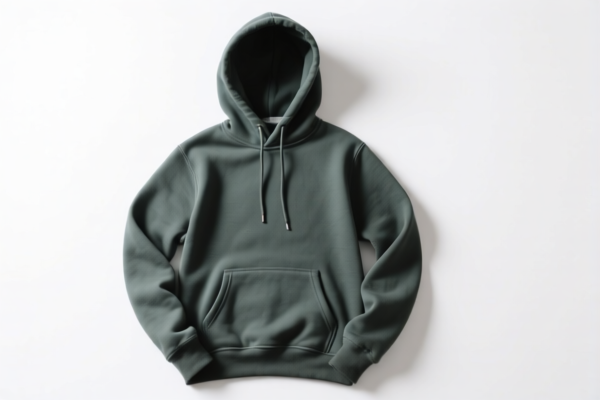

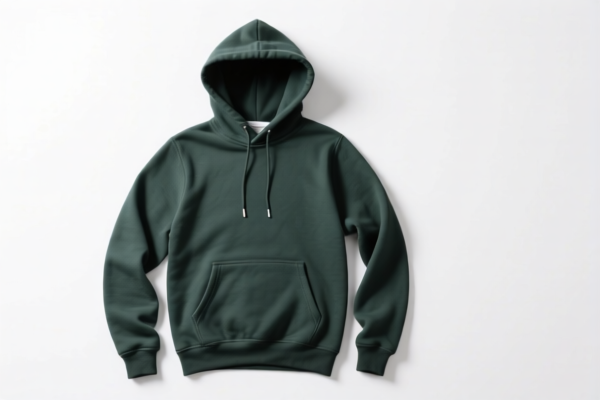
AI Analysis
🧥 Hoodies (Knitted Sweaters, Pullovers & Hooded Tops)
🌐 HS Code Reference & Customs Clearance Guide | 2024/2025 Latest Tariff Analysis | Professional Compliance Strategy
📌 I. Product Definition & Classification: Do You Really Understand "Hoodies"?
In international trade, "Hoodies" are not a single HS Code but a category of knitted garments. They are primarily classified under Chapter 61 (Articles of Apparel and Clothing Accessories, Knitted or Crocheted). The critical distinction lies in Gender, Material, and Construction (Zipper vs. Pullover).
⚠️ Key Distinction Points:
- Gender-Specific: Men’s vs. Women’s hoodies fall under different sub-headings, leading to significantly different tax rates.
- Material: Cotton (Chapter 61, Heading 6110) is the most common, but blends may vary.
- Closure Type: Pullovers (no zipper) vs. Zip-overs (with zipper) may have different technical classifications.
- Origin & Tariff: Products originating from China face additional punitive tariffs (Section 301 & Section 122) when importing into the US.
📦 II. HS Code Classification Details (Latest Tariff Schedule)
Based on the provided data, here are the specific HS Codes for Hoodies/Sweaters:
| HS Code | Product Description | Application Scenario | Gender/Material | Total Tax Rate |
|---|---|---|---|---|
6110.20.20.46 |
Hoodies or Sweatshirts | Cotton Knitted Women’s Tops | Women’s / Cotton | 34.0% |
6110.20.20.41 |
Hoodies or Sweatshirts | Cotton Knitted Men’s Tops | Men’s / Cotton | 34.0% |
6114.20.00.10 |
Zip-up Hoodies | Cotton or Cotton-Blend Knitted Tops | Unisex/General | 20.8% |
6114.20.00.05 |
Zip-up Hoodies | Cotton Knitted Tops | General | 28.3% |
🔍 Critical Note:
- Codes6110.20.20.41and6110.20.20.46are highly specific to Cotton Knitted tops for Men and Women respectively.
- Codes6114.20.00.05and6114.20.00.10often relate to Zip-up styles or specific cotton blends, with varying tax burdens due to the presence/absence of additional duties.
💰 III. 2024/2025 Tariff Rate Breakdown (Including Additional Duties)
✅ Applicable Country: USA
✅ Origin: China (CN)
✅ Effective Time: Current (Subject to Section 301 & 122 Regulations)
🎯 1. 6110.20.20.41 (Men’s) & 6110.20.20.46 (Women’s) – The "High Cost" Category
| Item | Content |
|---|---|
| Base Duty Rate | 16.5% |
| Section 301 Additional Duty | +7.5% |
| Section 122 Additional Duty | +10.0% |
| Total Tax Rate | 34.0% |
| Tax Calculation | CIF Value × 34% |
| De Minimis Exemption | ❌ Not Applicable (Section 301/122 duties generally apply regardless of value in many contexts, or require formal entry) |
| Legal Basis Path | HTSUS:6110.20.20.4X → Section 301: Footnote 5 → Section 122: 19 USC 1677j |
📌 Explanation:
- These codes attract the highest combined tariff burden (34%).
- The 16.5% is the standard Most Favored Nation (MFN) rate for cotton knit sweaters.
- The 7.5% is the additional tariff under Section 301 (Trade Act of 1974) targeting Chinese goods.
- The 10% is under Section 122 (often applied to specific high-import volumes or temporary safeguards, depending on the exact regulatory window).
🎯 2. 6114.20.00.05 – Zip-Up Hoodies (Standard)
| Item | Content |
|---|---|
| Base Duty Rate | 10.8% |
| Section 301 Additional Duty | +7.5% |
| Section 122 Additional Duty | +10.0% |
| Total Tax Rate | 28.3% |
| Tax Calculation | CIF Value × 28.3% |
| De Minimis Exemption | ❌ Not Applicable |
| Legal Basis Path | HTSUS:6114.20.00.05 → Section 301: Footnote 5 → Section 122 |
📌 Note:
- Lower base rate (10.8%) compared to pullovers, but still significant due to additional duties.
- Often applies to specific cotton blends or zippered constructions.
🎯 3. 6114.20.00.10 – Zip-Up Hoodies (Optimized/Bonded?)
| Item | Content |
|---|---|
| Base Duty Rate | 10.8% |
| Section 301 Additional Duty | +0.0% |
| Section 122 Additional Duty | +10.0% |
| Total Tax Rate | 20.8% |
| Tax Calculation | CIF Value × 20.8% |
| De Minimis Exemption | ❌ Not Applicable |
| Legal Basis Path | HTSUS:6114.20.00.10 → Section 122 Only |
📌 Key Advantage:
- No Section 301 Duty (0%): This is a critical differentiator.
- Total rate is 20.8%, significantly lower than the 34% for standard cotton knit tops.
- Why? This code may apply to specific cotton blends, bonded manufacturing zones, or products meeting specific exemption criteria under Section 301 exclusions (if applicable at time of entry).
🛠️ IV. Customs Clearance Practical Advice (Pitfall Avoidance Guide)
✅ 1. Essential Documentation Checklist
| Document | Required? | Purpose |
|---|---|---|
| ✅ Product Specification Sheet | ✔️ | Must specify: Material (100% Cotton? Blend?), Gender, Style (Zip/Pullover), Knit Type. |
| ✅ Commercial Invoice | ✔️ | Must clearly state "Hoodie" or "Sweater," not generic "Clothing." |
| ✅ Packing List | ✔️ | Detail items per carton to ensure consistency. |
| ✅ Labeling Photos | ✔️ | Show care labels, fiber content, and country of origin (Made in China). |
| ✅ Section 301/122 Exclusion Proof | (If applicable) | If claiming lower rates (e.g., for 6114.20.00.10), provide evidence of exclusion eligibility. |
✅ 2. Declaration Strategy (Key Mnemonic)
🔥 "Gender Matters, Zip vs. Pullover Changes Tax!"
| Scenario | Correct Declaration | Risk if Incorrect |
|---|---|---|
| Men’s Cotton Hoodie | 6110.20.20.41 |
Misclassification → 34% (Correct) or higher if denied. |
| Women’s Cotton Hoodie | 6110.20.20.46 |
Misclassification → 34% (Correct). |
| Zip-Up (High Tax) | 6114.20.00.05 |
28.3% |
| Zip-Up (Low Tax) | 6114.20.00.10 |
20.8% – Verify eligibility strictly! |
| Non-Cotton (Polyester) | Different HS Code (e.g., 6110.30.xx) | Major misclassification → Penalties + Back Taxes. |
⚠️ Warning:
- Do not generalize "Hoodie" to a single HS Code.
- Section 301 Exclusions are specific to product descriptions. If your product description doesn't exactly match the exclusion list, you will pay the 7.5% additional duty.
- Section 122 (10%) is often unavoidable for Chinese apparel, but Section 301 (7.5%) is the target for optimization.
✅ 3. Special Cases & Optimization
| Situation | Advice |
|---|---|
| Cotton Blend? | If >50% Cotton, it’s likely 6110. If <50%, it may fall under 6114. Verify fiber content on labels! |
| Zipper vs. Pullover | Zip-ups (6114) may have lower base rates. Check if your specific zip-up model qualifies for 6114.20.00.10 to save 7.5% (Section 301). |
| De Minimis (800 USD) | ❌ Do Not Rely on De Minimis for Section 301 Goods. Most Section 301 duties are not exempt under $800. Formal entry is usually required. |
| Country of Origin | Must be China for these tariffs. If assembled in Vietnam, no Section 301/122 applies (provided substantial transformation occurs). |
🌍 V. Global Market Comparison (2024/2025)
| Country | HS Code | Base Rate | China Additional | Total Effective Rate | Notes |
|---|---|---|---|---|---|
| 🇺🇸 USA | 6110.20.20.46 |
16.5% | +17.5% (301+122) | 34.0% | Highest duty burden. |
| 🇨🇳 China | 6110.20.20.46 |
16.5% | 0% | 16.5% | Export duty applies (if any). |
| 🇪🇺 EU | 6110.20 |
12% | 0% | 12% | No Section 301 equivalent. |
| 🇬🇧 UK | 6110.20 |
12% | 0% | 12% | Post-Brexit tariff schedule. |
| 🇨🇦 Canada | 6110.20 |
17.5% | 0% | 17.5% | USMCA applies for US/Mexico goods. |
📌 Conclusion:
- USA is the most expensive market for Chinese-made hoodies due to Section 301 (7.5%) and Section 122 (10%).
- Total Duty of 34% eats into margins significantly.
- Optimization Opportunity: Investigate if your specific zip-up hoodie qualifies for6114.20.00.10to reduce the rate to 20.8% by avoiding Section 301 duties.
📌 VI. Common Mistakes & Pitfalls (Blood Lessons)
❌ Mistake 1: Declaring "Hoodie" as "T-shirt" (6109)
👉 Consequence: Incorrect HS Code → 16.5% Base + 17.5% Add. = 34% (Same, but risk of seizure for misdescription).
❌ Mistake 2: Assuming De Minimis ($800) exemption applies to Section 301 goods
👉 Consequence: CBP seizes shipment, demands formal entry, applies duties + penalties.
❌ Mistake 3: Ignoring "Section 122"
👉 Consequence: Underpaying 10% duty → Audit and Back Taxes with Interest.
❌ Mistake 4: Mixing Men’s and Women’s in one shipment without proper separation
👉 Consequence: If not separated, CBP may apply the highest duty or reclassify all as the more complex category.
✅ Best Practice:
"Cotton Knit Men’s Hoodie, Pullover, 100% Cotton, Model XYZ, Made in China"
→ Use6110.20.20.41
🎯 VII. Conclusion: Precision Saves Money!
🎯 Remember the Mantra:
🔹 "34% is the Standard Pain, 20.8% is the Optimized Gain."
🔹 "Check Zipper vs. Pullover, Check Section 301 Eligibility."
🔹 "No De Minimis for Section 301, Plan Formal Entry Early."
📌 Pro Tip:
If you are importing Zip-Up Hoodies, verify if your specific style/material meets the criteria for 6114.20.00.10. This single code change saves 13.2% in total duties (from 34% to 20.8%), which is a 39% reduction in tax cost!
📣 Immediate Action:
📞 Consult a Customs Broker to verify eligibility for
6114.20.00.10.
📄 Ensure Labels clearly state Gender, Material, and "Made in China."
🚀 Optimize Your Supply Chain to avoid Section 301 pitfalls.
✨ Accurate Classification Starts with You!
💼 Every Percent Saved is Pure Profit!
Customer Reviews
About HS Code Classification
The Harmonized System (HS) is an internationally standardized nomenclature developed by the World Customs Organization (WCO) to classify traded products. Over 200 countries use the HS system as the basis for customs tariffs, trade statistics, and import/export regulations.
Each HS code follows a hierarchical structure:
- Chapter (2 digits) — Broad category of goods (e.g., Chapter 84: Machinery and Mechanical Appliances)
- Heading (4 digits) — More specific grouping within the chapter
- Subheading (6 digits) — Internationally standardized breakdown, used by all WCO member countries
- National subdivisions (8-10 digits) — Country-specific extensions for further classification, such as US HTSUS 10-digit codes
Correct HS code classification is essential for smooth customs clearance, accurate duty payment, and compliance with trade regulations. Misclassification can lead to customs delays, overpayment of duties, or penalties.
When importing from CN to US, the applicable tariff rates may include:
- Most-Favored-Nation (MFN) rate — The standard duty rate applied to WTO members
- General rate — Applied to countries without trade agreements
- Trade remedy duties — Additional tariffs such as Section 301 (anti-dumping), Section 232 (national security), or countervailing duties
The information provided on this page is for reference purposes only. For official classification, please consult with your local customs authority or a licensed customs broker.