hoodies
CN → US| HS Code | Tariff Rate | Origin | Destination | Doc |
|---|---|---|---|---|
| 6110202046 | 34.0% | CN | US | Official Doc |
| 6110202041 | 34.0% | CN | US | Official Doc |
| 6110202041 | 34.0% | CN | US | Official Doc |
| 6110303041 | 49.5% | CN | US | Official Doc |
Product Images
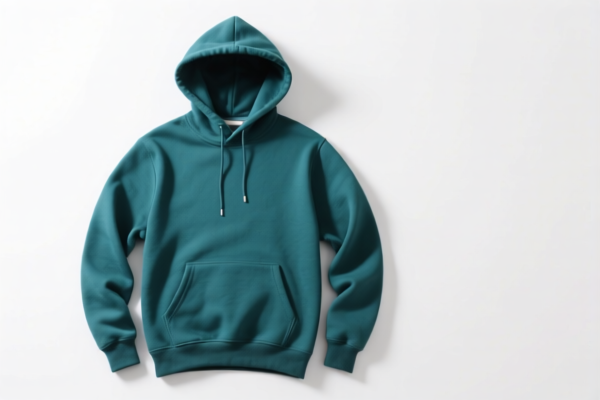
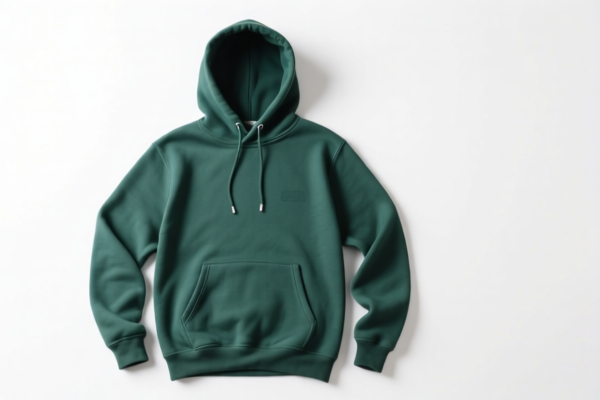
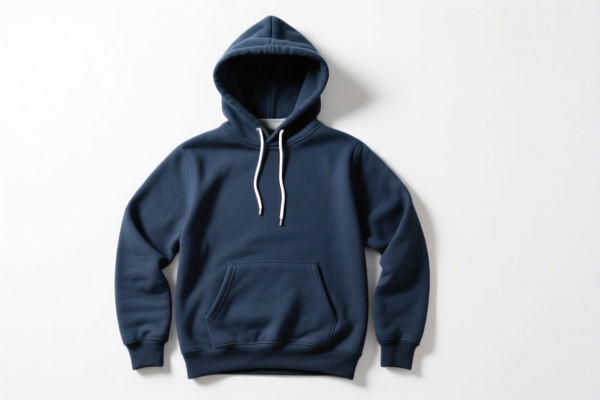
AI Analysis
🧥 Hoodies (Knitted/Crocheted Sweatshirts & Pullovers)
🌐 HS Code Reference & Customs Clearance Guide | 2026 Latest Tariff Analysis | Professional Clearance Strategy
📌 1. Product Definition: What Exactly Are "Hoodies"?
Hoodies, technically known as knitted sweatshirts, pullovers, and similar garments, are staple items in global apparel trade. In international customs classification, the specific HS Code depends heavily on two factors: 1. Material Composition: Is it Cotton? Or Man-made fibers (Polyester, Acrylic, etc.)? 2. Gender/Type: Is it for Men/Boys or Women/Girls? (Though the provided data groups them under broad categories).
⚠️ Critical Distinction:
- Cotton Hoodies fall under Heading 6110.20.
- Man-made Fiber (Synthetic) Hoodies fall under Heading 6110.30.
- Both are subject to significant additional tariffs when imported into the USA from China.
📦 2. HS Code Classification Details (Based on Provided Data)
| HS Code | Product Description | Material | Key Feature | Total Tariff Rate |
|---|---|---|---|---|
6110.20.20.46 |
Hoodie, Knitted, Cotton | 100% Cotton | Standard Cotton Hoodie | 34.0% |
6110.20.20.41 |
Hoodie, Knitted, Cotton | 100% Cotton | Standard Cotton Hoodie | 34.0% |
6110.20.20.41 |
Men's Hoodie, Knitted, Cotton | 100% Cotton | Men's Specific | 34.0% |
6110.30.30.41 |
Men's Hoodie, Knitted | Synthetic | Man-made Fibers/Cotton Blend | 49.5% |
🔍 Key Insight:
- Cotton vs. Synthetic Matters: Synthetic hoodies (6110.30) are taxed significantly higher (49.5%) than Cotton hoodies (6110.20) due to different base duty rates. - Section 122 Applies: All listed HS codes are subject to Section 122 tariffs, a specific US trade provision targeting certain textile imports.
💰 3. 2026 Latest Tariff Rate Breakdown (Detailed Explanation)
✅ Applicable Country: USA (Import from China)
✅ Effective Period: Current Active Rates (Based on provided data)
🎯 A. Cotton Hoodies (6110.20.20.41 / 6110.20.20.46)
| Component | Rate | Legal/Policy Basis |
|---|---|---|
| Base Duty (MFN) | 16.5% | Standard Most Favored Nation rate for knitted cotton garments. |
| Section 301 Duty | 7.5% | Additional tariff under Section 301 of the Trade Act (US-China trade war measures). |
| Section 122 Duty | 10.0% | Specific tariff under Section 122 of the Trade Expansion Act of 1962. |
| TOTAL TAX | 34.0% | Sum of all above |
📌 Explanation:
- The 16.5% is the standard import duty for cotton knitted apparel.
- The 7.5% is part of the broader Section 301 punitive tariffs on Chinese goods.
- The 10% is a unique "Section 122" tariff, often applied to protect domestic textile manufacturing against surges in imports.
- Total Cost Impact: For every $1,000 of CIF value, you pay $340 in duties alone.
🎯 B. Synthetic/Man-made Fiber Hoodies (6110.30.30.41)
| Component | Rate | Legal/Policy Basis |
|---|---|---|
| Base Duty (MFN) | 32.0% | Higher base rate for synthetic knitted garments. |
| Section 301 Duty | 7.5% | Same Section 301 surcharge as cotton. |
| Section 122 Duty | 10.0% | Same Section 122 surcharge as cotton. |
| TOTAL TAX | 49.5% | Sum of all above |
📌 Explanation:
- The base duty for synthetics (32.0%) is nearly double that of cotton (16.5%).
- Total Cost Impact: For every $1,000 of CIF value, you pay $495 in duties. This is a high-cost category for clearance.
🛠️ 4. Customs Clearance Practical Advice (Avoid Pitfalls)
✅ 1. Essential Documentation Checklist
| Document | Requirement | Why It Matters |
|---|---|---|
| Commercial Invoice | Must clearly state: "Hoodie, Knitted, [Material]" | Prevents misclassification (e.g., confusing cotton with synthetic). |
| Bill of Lading / Airway Bill | Match invoice details exactly | Discrepancies cause delays. |
| Material Composition Label | CRITICAL: Must match HS Code | If invoice says "Polyester" but code is 6110.20 (Cotton), customs will reject or audit. |
| Country of Origin Certificate | Required for 301/122 Tariffs | Proves goods are from China to apply (or justify) the surcharges. |
| Product Photos | Show hood, seams, fabric texture | Helps customs verify "Knitted" vs. "Woven" (Woven would be HTS 6110/6201/6202 depending on gender). |
✅ 2. Classification Tips & Common Errors
🔥 Golden Rule: "Material Dictates Code, Section 122 Dictates Surcharge!"
| Scenario | Correct Action | Risk of Error |
|---|---|---|
| Garment is 95% Cotton, 5% Elastane | Classify as Cotton (6110.20) |
If miscoded as synthetic, you underpay taxes → Penalty & Back Taxes. |
| Garment is Polyester (Synthetic) | Must use 6110.30 series |
Using cotton code (6110.20) results in underpayment (34% vs 49.5%). |
| Woven Hoodies | NOT in this list. Usually HTS 6201 or 6203. |
Woven garments have different base rates and may not always face Section 122 in the same way. Do not mix "Knitted" and "Woven". |
| Unisex/Children's | Check specific sub-headings | The provided data specifies "Men's" for synthetics. Ensure gender classification matches your product. |
✅ 3. Strategic Cost-Saving Suggestions
-
Prefer Cotton for US Entry:
If your product design allows, Cotton Hoodies (34% total) are significantly cheaper than Synthetic Hoodies (49.5% total). The 15.5% savings per unit is substantial. -
Verify "Knitted" vs. "Crocheted":
HS 6110 covers both. If your garment is crochet, ensure the description matches. If it is "woven" (sewn from fabric sheets), it falls under Chapter 62, which has different tariffs. Misclassifying a woven hoodie as knitted is a common customs violation. -
Check Section 122 Eligibility:
Section 122 tariffs are sometimes subject to exclusions or quotas. Verify with your customs broker if your specific cotton/synthetic product currently qualifies for any temporary exclusions from the 10% Section 122 fee.
🌍 5. Global Clearance Comparison (Contextual Note)
| Market | Typical Base Duty (Est.) | Additional US-Specific Tariffs | Note |
|---|---|---|---|
| 🇺🇸 USA | 16.5% - 32.0% | +17.5% (301 + 122) | Highest total cost due to Section 122 & 301. |
| 🇨🇳 China (Export) | 0% | N/A | China does not tax exports for these goods. |
| 🇪🇺 EU | ~12% | None | No Section 122 or 301. Much lower duty burden. |
📌 Conclusion:
The US market is the most expensive for importing hoodies from China due to the叠加 (stacking) of MFN, Section 301, and Section 122 tariffs. Careful material selection (Cotton > Synthetic) and accurate classification are vital to control landed costs.
📌 6. Common Mistakes & Pitfalls (Blood Lessons)
❌ Mistake 1: Assuming all "Hoodies" are the same.
👉 Result: Classifying a Polyester hoodie as Cotton (6110.20) saves $15.50 per $100 item but leads to heavy penalties if discovered by Customs and Border Protection (CBP).
❌ Mistake 2: Ignoring the "Knitted" aspect.
👉 Result: Shipping a Woven cotton hoodie but declaring it as 6110.20 (Knitted). Woven hoodies fall under 6201/6203. This misclassification can lead to seizure or demand for back payments.
❌ Mistake 3: Not accounting for Section 122.
👉 Result: Budgeting only for the 16.5% base duty. The surprise 10% Section 122 fee can destroy profit margins if not factored into the Landed Cost calculation.
✅ Correct Approach:
"Knitted Cotton Hoodie, Men's, 100% Cotton, Imported from China. HS: 6110.20.20.41. Landed Cost includes 34% Duty."
🎯 7. Conclusion: Precision in Classification, Savings in Cost
🎯 Key Takeaway:
🔹 "Cotton is Cheaper than Synthetic in the US (34% vs 49.5%)."
🔹 "Always confirm Knitted vs. Woven. Knitted = Ch 61; Woven = Ch 62."
🔹 "Section 122 is the Silent Killer: 10% on top of everything."
📌 Action Item:
Before shipping, verify your garment's fiber content label and construction method (knitted vs. woven). If it is a Synthetic Knitted Hoodie, be prepared for a 49.5% total duty rate. If it is Cotton, it is 34%. Adjust your pricing strategy accordingly.
✨ Professional clearance starts with accurate HS Codes.
💼 Don't let hidden tariffs eat your profits!
Customer Reviews
About HS Code Classification
The Harmonized System (HS) is an internationally standardized nomenclature developed by the World Customs Organization (WCO) to classify traded products. Over 200 countries use the HS system as the basis for customs tariffs, trade statistics, and import/export regulations.
Each HS code follows a hierarchical structure:
- Chapter (2 digits) — Broad category of goods (e.g., Chapter 84: Machinery and Mechanical Appliances)
- Heading (4 digits) — More specific grouping within the chapter
- Subheading (6 digits) — Internationally standardized breakdown, used by all WCO member countries
- National subdivisions (8-10 digits) — Country-specific extensions for further classification, such as US HTSUS 10-digit codes
Correct HS code classification is essential for smooth customs clearance, accurate duty payment, and compliance with trade regulations. Misclassification can lead to customs delays, overpayment of duties, or penalties.
When importing from CN to US, the applicable tariff rates may include:
- Most-Favored-Nation (MFN) rate — The standard duty rate applied to WTO members
- General rate — Applied to countries without trade agreements
- Trade remedy duties — Additional tariffs such as Section 301 (anti-dumping), Section 232 (national security), or countervailing duties
The information provided on this page is for reference purposes only. For official classification, please consult with your local customs authority or a licensed customs broker.