hose nozzle
CN → US| HS Code | Tariff Rate | Origin | Destination | Doc |
|---|---|---|---|---|
| 8424909080 | 85.0% | CN | US | Official Doc |
| 7326908688 | 87.9% | CN | US | Official Doc |
| 3926909987 | 22.8% | CN | US | Official Doc |
| 3926909905 | 22.8% | CN | US | Official Doc |
Product Images
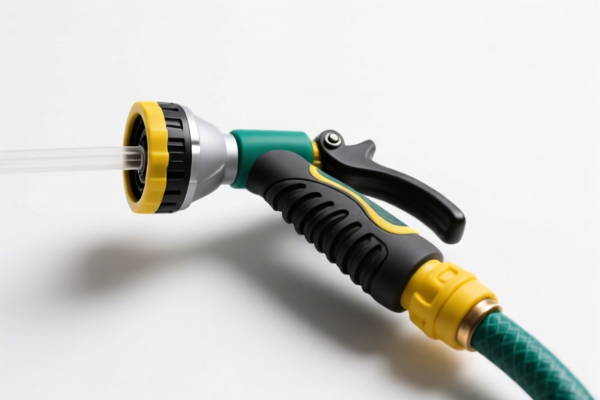
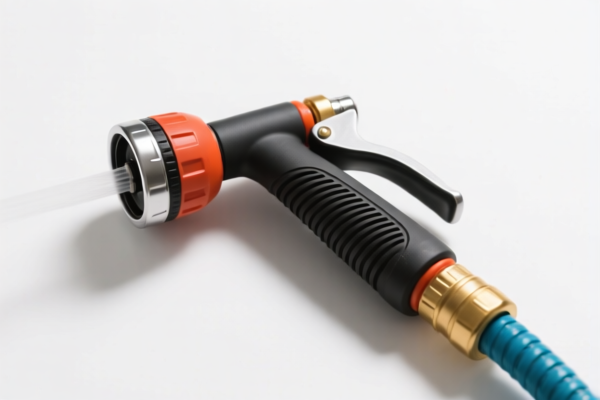
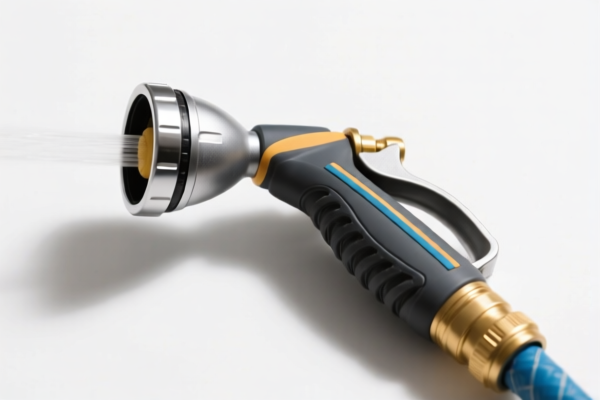
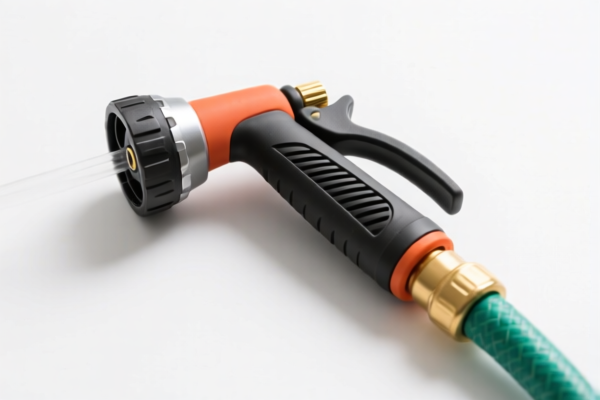
AI Analysis
🚿 Nozzles for Hoses (Spray Nozzles & Pipe Tips)
🌐 HS Code Reference & Customs Clearance Guide | 2026 Latest Tariff Analysis | Professional Strategy for "Hose Nozzle" Classification
📌 I. Product Definition & Classification: What Exactly is a "Hose Nozzle"?
A "Hose Nozzle" (often referred to as Spray Nozzle, Pipe Nozzle, or Fitting Tip) is a versatile accessory used in fluid control systems. In international trade, its classification depends heavily on its material, specific function, and integration with other machinery.
There are two primary paths for classification: 1. Mechanical/Industrial Parts: If the nozzle is a metal/plastic component for high-pressure cleaning machines, fire hoses, or industrial pipes. 2. Plastic Accessories: If the nozzle is primarily a plastic connector or tip for household/automotive use, falling under general plastic articles.
⚠️ Critical Distinction:
- Metal/Plastic Industrial Components: Belong to Chapter 84 (Machinery Parts) or Chapter 73 (Iron/Steel Articles). High Tariff Risk due to Section 301 & 122.
- Plastic Household/Garden Items: Belong to Chapter 39 (Plastics). Lower Tariff, but still subject to additional duties.
📦 II. HS Code Classification Details (Based on Provided Data)
| HS Code | Product Description | Material/Logic | Duty Summary |
|---|---|---|---|
| 8424.90.90.80 | Parts of Jet Projectors Nozzle sets classified as parts of other spraying machinery/appliances. |
Metal or Plastic (Mechanical Component) |
85.0% |
| 7326.90.86.88 | Other Articles of Iron/Steel Nozzle sets inferred as metal (iron/steel). |
Iron/Steel (Raw Metal Article) |
87.9% |
| 3926.90.99.87 | Other Plastic Articles Nozzles based on shape/usage matching pipe forms/accessories. |
Plastic (Plastic Accessory) |
22.8% |
| 3926.90.99.05 | Other Plastic Articles Parts/Accessories with no material conflict, leaning towards plastic/metal mix. |
Plastic/Metal Mix (General Plastic Part) |
22.8% |
🔍 Key Insight:
- Iron/Steel nozzles (7326) face the highest total duty (87.9%) due to the combination of base duty, 301 tariffs, and Section 122 tariffs. - Plastic nozzles (3926) are the most cost-effective (22.8%), making material declaration crucial. - Machinery Parts (8424) are expensive (85.0%) due to aggressive punitive tariffs.
💰 III. 2026 Tariff Rate Breakdown (Detailed Policy Analysis)
✅ Applicable Country: United States (US)
✅ Origin: China (CN)
✅ Effective Date: Current (Post-2025 updates)
🎯 1. 8424.90.90.80 — Parts of Jet Projectors (Metal/Plastic)
| Item | Detail |
|---|---|
| Base Tariff | 0.0% |
| USITC Additional Tariff (Section 301) | +25.0% |
| Section 122 Tariff (Steel/Aluminum/Copper) | +50.0% |
| Total Duty Rate | 85.0% |
| Calculation | CIF Value × 85.0% |
| De Minimis Exemption | ❌ Not Eligible |
📌 Explanation:
- The 25% comes from the standard Section 301 trade war tariffs. - The 50% is a specific Section 122 tariff applied to steel, aluminum, and copper products (often interpreted broadly for metal components). - Result: This is a catastrophic tax rate. Declaring a simple hose nozzle as a "machinery part" can destroy profit margins.
🎯 2. 7326.90.86.88 — Other Articles of Iron or Steel
| Item | Detail |
|---|---|
| Base Tariff | 2.9% |
| USITC Additional Tariff (Section 301) | +25.0% |
| Section 122 Tariff (Steel/Aluminum/Copper) | +50.0% |
| Total Duty Rate | 87.9% |
| Calculation | CIF Value × 87.9% |
| De Minimis Exemption | ❌ Not Eligible |
📌 Explanation:
- Even if the nozzle is a simple metal tip, the 50% Section 122 tax on steel products applies. - Result: The highest possible rate (87.9%). Avoid this classification unless the nozzle is a bulk raw steel part unrelated to plastic or machinery functions.
🎯 3. 3926.90.99.87 / 05 — Other Plastic Articles
| Item | Detail |
|---|---|
| Base Tariff | 5.3% |
| USITC Additional Tariff (Section 301) | +7.5% |
| Section 122 Tariff | None (Plastics are exempt) |
| Total Duty Rate | 22.8% |
| Calculation | CIF Value × 22.8% |
| De Minimis Exemption | ❌ Not Eligible (Check specific rules for de minimis, but typically high-value imports are scrutinized) |
📌 Explanation:
- No Section 122 Tax: Since plastics are not steel/aluminum/copper, the 50% penalty does not apply. - Reduced Section 301: The additional duty is lower (7.5% vs 25% or 50% in other categories). - Result: Significant Cost Savings. If the nozzle has a plastic component, this is the optimal classification.
🛠️ IV. Customs Clearance Practical Advice (Battle-Tested Guide)
✅ 1. Preparation Checklist (Do Not Skip)
| Document | Required? | Notes |
|---|---|---|
| ✅ Product Specification Sheet | ✔️ | Must specify Material Composition (e.g., "60% Plastic, 40% Brass"). |
| ✅ Photos (Including Close-ups) | ✔️ | Show threads, spray patterns, and material texture (shiny vs. matte). |
| ✅ Commercial Invoice | ✔️ | Description must be precise (e.g., "Plastic Hose Nozzle Tip" vs. "Industrial Steel Jet Part"). |
| ✅ Packaging List | ✔️ | Ensure items are not mixed with high-tariff steel goods if declaring as plastic. |
✅ 2. Classification Strategy (Crucial Tips)
🔥 The "Plastic Advantage" Rule:
"If it has plastic, declare plastic. Avoid metal-only descriptions."
| Scenario | Recommended HS Code | Estimated Duty | Strategy |
|---|---|---|---|
| Plastic Nozzle with Metal Insert | 3926.90.99.87 or 05 |
22.8% | Declare as "Plastic Nozzle" with minor metal parts. Focus on the primary material. |
| All-Plastic Garden Nozzle | 3926.90.99.87 |
22.8% | Safe bet. Clearly state "100% Plastic." |
| Heavy-Duty Steel Nozzle | 7326.90.86.88 |
87.9% | Avoid. Only use if legally required. High risk. |
| Nozzle for Pressure Washer Machine | 8424.90.90.80 |
85.0% | Avoid. Do not link to machinery unless it is a sold-separate industrial part. |
✅ 3. Special Case Handling
| Situation | Handling Advice |
|---|---|
| Mixed Materials | If >50% by weight/value is plastic, argue for Chapter 39. Customs often accepts the "essential character" argument for plastic parts with small metal fittings. |
| OEM Custom Nozzles | Provide design drawings showing plastic dominance. Label as "Accessory for Hose" not "Part for Machine." |
| Small Batches (De Minimis) | If value is <$800, check if de minimis applies (often blocked for China-origin steel/plastic goods under current rules). Assume taxable. |
🌍 V. Global Market Comparison (2026 Update)
| Region | Recommended HS | Est. Duty (China Origin) | Key Requirement |
|---|---|---|---|
| 🇺🇸 USA | 3926.90.99.87 |
22.8% | Precise material description. Avoid "Steel" keywords. |
| 🇨🇳 China | 8424.90.90.80 |
Low | Import duties are lower; focus on export compliance. |
| 🇪🇺 EU | 8424.90.90 |
0-6.5% | No Section 122 equivalent. Lower risk, but check anti-dumping. |
| 🇬🇧 UK | 3926.90.99 |
4-6.5% | Post-Brexit rules. Generally favorable for plastic goods. |
📌 Conclusion:
- USA is the hardest market for metal/nozzle imports due to Section 122.
- Plastic nozzles are the safest export route to the US.
- Steel nozzles are financially unviable for most retailers due to 87.9% duty.
📌 VI. Common Mistakes & Pitfalls (Learn from Errors)
❌ Mistake 1: Describing a plastic nozzle as a "Steel Pipe Fitting"
👉 Consequence: HS Code changes to 7326 → Duty jumps from 22.8% to 87.9%.
👉 Lesson: Be honest, but highlight the plastic nature if applicable.
❌ Mistake 2: Declaring as "Part of Pressure Washer" (8424)
👉 Consequence: Attracts 85.0% duty and triggers mechanical inspections.
👉 Lesson: Market as an accessory or general nozzle, not a machine part.
❌ Mistake 3: Ignoring Section 122 Tariffs
👉 Consequence: Unexpected 50% surcharge on steel/aluminum items.
👉 Lesson: Always check material composition. If it contains steel, assume Section 122 applies unless exempted.
✅ Correct Practice:
"Plastic Spray Nozzle for Garden Hose, 6 Modes, Brass Insert"
HS Code:3926.90.99.87
Duty: 22.8%
🎯 VII. Final Verdict: Cost-Saving Summary
🎯 Key Takeaway:
🔹 Plastic Nozzles = 22.8% Duty ✅ Recommended
🔹 Steel Nozzles = 87.9% Duty ❌ Avoid
🔹 Machine Parts = 85.0% Duty ❌ Avoid
📌 Pro Tip:
If your nozzle is primarily plastic, ensure your invoice and product description emphasize plastic. Do not use words like "Industrial," "Steel," or "Machinery Part." Use terms like "Garden Accessory," "Spray Tip," or "Pipe Connector."
📣 Immediate Action:
📞 Consult Customs Broker for pre-classification if material mix is complex.
📝 Revise Invoice Descriptions to reflect plastic content accurately.
🚀 Optimize for 22.8% instead of risking 85%+!
✨ Smart Classification Saves Money!
💼 Every percentage point in duty is profit lost!
Customer Reviews
About HS Code Classification
The Harmonized System (HS) is an internationally standardized nomenclature developed by the World Customs Organization (WCO) to classify traded products. Over 200 countries use the HS system as the basis for customs tariffs, trade statistics, and import/export regulations.
Each HS code follows a hierarchical structure:
- Chapter (2 digits) — Broad category of goods (e.g., Chapter 84: Machinery and Mechanical Appliances)
- Heading (4 digits) — More specific grouping within the chapter
- Subheading (6 digits) — Internationally standardized breakdown, used by all WCO member countries
- National subdivisions (8-10 digits) — Country-specific extensions for further classification, such as US HTSUS 10-digit codes
Correct HS code classification is essential for smooth customs clearance, accurate duty payment, and compliance with trade regulations. Misclassification can lead to customs delays, overpayment of duties, or penalties.
When importing from CN to US, the applicable tariff rates may include:
- Most-Favored-Nation (MFN) rate — The standard duty rate applied to WTO members
- General rate — Applied to countries without trade agreements
- Trade remedy duties — Additional tariffs such as Section 301 (anti-dumping), Section 232 (national security), or countervailing duties
The information provided on this page is for reference purposes only. For official classification, please consult with your local customs authority or a licensed customs broker.