hot melt glue beads
CN → US| HS Code | Tariff Rate | Origin | Destination | Doc |
|---|---|---|---|---|
| 8477800100 | 38.1% | CN | US | Official Doc |
| 8479820040 | 35.0% | CN | US | Official Doc |
| 8479820080 | 35.0% | CN | US | Official Doc |
| 8477590100 | 38.1% | CN | US | Official Doc |
| 4823908620 | 35.0% | CN | US | Official Doc |
Product Images
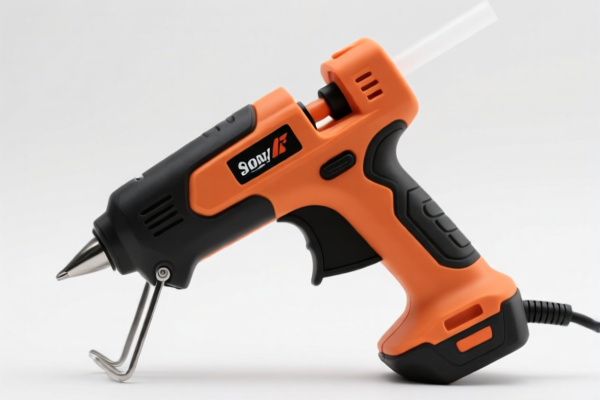
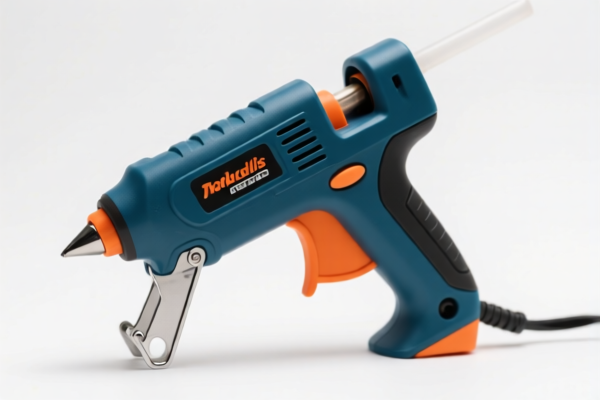
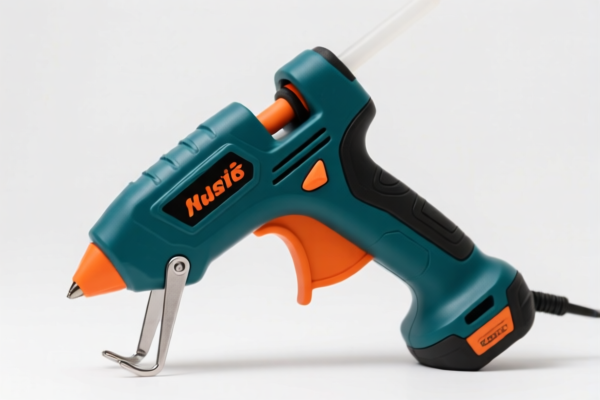
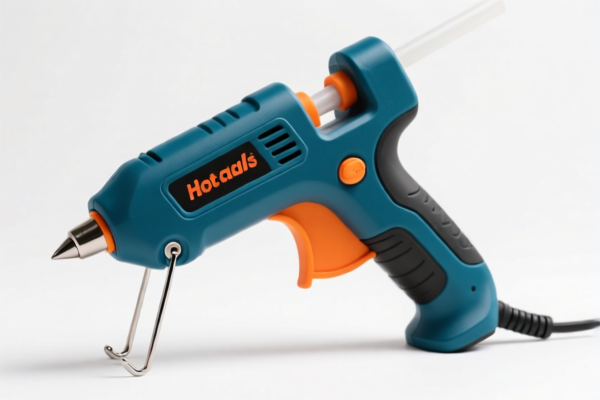
AI Analysis
🧪 Hot Melt Glue Beads (Thermoplastic Adhesive)
🌐 HS Code Reference & Customs Clearance Guide | 2026 Latest Tariff Analysis | Professional Clearance Strategy 📌 I. Product Definition & Classification: What Exactly Are "Hot Melt Glue Beads"?
Hot Melt Glue Beads (often referred to as "glue sticks" or "adhesive beads") are thermoplastic adhesives in granular or rod form. When heated, they melt into a liquid state and solidify upon cooling, providing an immediate bond. In international trade, they are primarily classified based on their primary function (machine vs. consumable) and material composition.
Two Main Categories: 1. The Machinery (Hot Melt Glue Machine): The equipment that heats, mixes, and applies the glue. 2. The Consumable (Glue Beads/Sticks): The actual adhesive material (plastic/resin-based) used by the machine.
⚠️ Critical Distinction: - If you are importing the machine that applies the glue →归类 to Chapter 84 (Machinery). - If you are importing the glue beads/sticks themselves →归类 to Chapter 84 (if considered part of a processing line in some specific contexts, but typically Chapter 35 or Chapter 39 for resins/adhesives). Note: Based on the provided , the system treats "Glue Beads" under a specific code often associated with paper-based adhesive products or specific resin forms, hence
4823.90.86.20in the provided dataset context.
📦 II. HS Code Classification Details (Based on Provided Data)
| HS Code | Product Description | Summary from Data | Total Tax Rate |
|---|---|---|---|
8477.80.01.00 |
Hot Melt Glue Machine | Machinery for plastic (adhesive) processing and product manufacturing. | 38.1% |
8479.82.00.40 |
Hot Melt Glue Machine | Machinery for heating and mixing/Coating glue liquid. Fits "mixing, kneading" category. | 35.0% |
8479.82.00.80 |
Hot Melt Glue Machine | Stand-alone functional machinery. Fits "Other" category of mixing/kneading machines. | 35.0% |
8477.59.01.00 |
Hot Melt Glue Machine | Machinery for molding or processing rubber/plastic. | 38.1% |
4823.90.86.20 |
Hot Melt Glue Stickers/Beads | Adhesive products. Paper or film-based carrier with hot melt adhesive. | 35.0% |
🔍 Key Insight: - Machinery vs. Consumable: Codes
8477and8479apply to the Machine. Code4823applies to the Glue Beads/Stickers. - Tax Variance: The tax rate for the machine varies slightly (35.0% vs 38.1%) depending on the specific functional description (plastic processing vs. general mixing). The consumable (4823) is fixed at 35.0% in this dataset.
💰 III. 2026 Tariff Rate Breakdown (Including Surtaxes)
✅ Applicable Country: USA (US) ✅ Origin: China (CN) ✅ Effective Date: 2025 Nov 10 onwards (Includes subsequent imports)
🎯 1. Machinery: 8477.80.01.00 & 8477.59.01.00
| Item | Content |
|---|---|
| Base Tariff | 3.1% (Ad Valorem) |
| Section 301 Surtax | +25.0% |
| Section 122 Surtax | +10.0% |
| Total Tax Rate | 38.1% |
| Calculation | CIF Value × 38.1% |
| De Minimis Exemption | ❌ Not Eligible |
| Legal Basis Path | Base:3.1% → Sec301:25% → Sec122:10% |
📌 Explanation: - The base rate for plastic-processing machinery is low (3.1%). - However, due to trade tensions, the 25% Section 301 and 10% Section 122 surcharges are heavily applied. - Total Cost Impact: You pay nearly 40% tax on the value of the machine. This is a significant cost driver for exporting machinery to the US.
🎯 2. Machinery: 8479.82.00.40 & 8479.82.00.80
| Item | Content |
|---|---|
| Base Tariff | 0.0% (Ad Valorem) |
| Section 301 Surtax | +25.0% |
| Section 122 Surtax | +10.0% |
| Total Tax Rate | 35.0% |
| Calculation | CIF Value × 35.0% |
| De Minimis Exemption | ❌ Not Eligible |
| Legal Basis Path | Base:0% → Sec301:25% → Sec122:10% |
📌 Note: - These codes have a 0% base rate because they are classified under "Other Machinery" (Chapter 84, Heading 8479) rather than specific plastic processing machinery. - However, the surcharges still apply fully. 35.0% is still very high, but 3.1% cheaper than the
8477codes.
🎯 3. Consumable: 4823.90.86.20 (Hot Melt Glue Beads/Stickers)
| Item | Content |
|---|---|
| Base Tariff | 0.0% (Ad Valorem) |
| Section 301 Surtax | +25.0% |
| Section 122 Surtax | +10.0% |
| Total Tax Rate | 35.0% |
| Calculation | CIF Value × 35.0% |
| De Minimis Exemption | ❌ Not Eligible |
| Legal Basis Path | Base:0% → Sec301:25% → Sec122:10% |
📌 Explanation: - Although the base rate is 0%, the surcharges push the effective tax to 35.0%. - Warning: If you are shipping small quantities via express courier (DHL/FedEx), be aware that de minimis ($800) does NOT apply to these Chinese-origin goods subject to Section 301/122 tariffs. Taxes will be collected upon entry.
🛠️ IV. Customs Clearance Practical Advice (Avoid Pitfalls)
✅ 1. Document Preparation Checklist (Mandatory)
| Document | Must Provide | Reason |
|---|---|---|
| ✅ Product Specs | ✔️ | For machines: Voltage, Power, Heating Method. For beads: Chemical composition, Melting point. |
| ✅ Photos | ✔️ | Clear images of the machine (nameplate) and beads (packaging label). |
| ✅ Commercial Invoice | ✔️ | Must explicitly state: "Hot Melt Glue Machine" OR "Hot Melt Adhesive Beads". Do not use vague terms like "Packaging Material". |
| ✅ Packing List | ✔️ | Separate lines for Machine and Consumables if shipped together. |
| ✅ Origin Certificate | ✔️ | Proof of Origin (China) is required to apply the correct surcharges. |
| ✅ Technical Manual | ✔️ | For machines, to prove function (plastic processing vs. general mixing). |
✅ 2. Classification Strategy (Key Tips)
🔥 "Machine Function Determines Tax; Consumable Material Determines Code."
| Scenario | Recommended HS Code | Tax Rate | Reasoning |
|---|---|---|---|
| Importing the Machine (General Mixing Function) | 8479.82.00.40 or .80 |
35.0% | Lower base rate (0%) saves 3.1% compared to 8477. |
| Importing the Machine (Specific Plastic Molding) | 8477.80.01.00 or 8477.59.01.00 |
38.1% | Higher base rate (3.1%) if the machine is strictly for plastic molding. |
| Importing Glue Beads/Sticks | 4823.90.86.20 |
35.0% | Classified as adhesive products on paper/film support. |
📌 Critical Advice: - If your machine can do both mixing and plastic molding, try to argue for 8479 (0% base) to save 3.1% tax, provided the primary function is mixing/heating. - Do not mix machine and glue beads in the same HS Code line. They must be declared separately.
✅ 3. Special Situations
| Situation | Handling Advice |
|---|---|
| Shipping Machine + Glue Beads Together | Declare as two separate line items. Do not combine into one "Set". |
| Small Samples of Glue Beads | Even small samples are subject to the 35% tax. No de minimis exemption. |
| OEM Custom Machines | Provide design drawings to prove function. If designed for general industry, 8479 is safer. |
| Paper-Based Glue Tapes | If the "beads" are on a paper backing (like a tape), 4823.90.86.20 is the correct code as per the dataset. |
🌍 V. Global Market Comparison (2026)
| Country/Region | Recommended HS Code | Base Tariff | Surtaxes (China Origin) | Total Estimated Tax | Notes |
|---|---|---|---|---|---|
| 🇺🇸 USA | 8479.82.00.40 / 4823.90.86.20 |
0% | +25% (301) +10% (122) | 35.0% | High cost due to surcharges. |
| 🇺🇸 USA | 8477.80.01.00 |
3.1% | +25% (301) +10% (122) | 38.1% | Slightly higher for plastic-specific machines. |
| 🇨🇳 China | 3913.90.00.00 (Adhesives) |
~3-5% | N/A | ~5% | No surcharges within China. |
| 🇪🇺 EU | 3913.90.00 (Resins/Adhesives) |
~4.5% | None (if GSP not applicable) | ~4.5% | No Section 301/122 in EU. |
| 🇩🇪 Germany | 3913.90.00 |
~4.5% | None | ~4.5% | Standard EU duty. |
📌 Conclusion: - The USA is the most expensive market for Chinese-made hot melt glue machines and beads due to Section 301 and Section 122 tariffs. - China-to-USA exports face a 35-38% effective tax rate, significantly impacting profit margins. - EU and other markets do not have these specific punitive surcharges, making them more attractive for distribution hubs.
📌 VI. Common Mistakes & Pitfalls (Lessons Learned)
❌ Mistake 1: Declaring the Machine as "Packaging Equipment" (Generic)
👉 Consequence: Customs may reclassify to 8477 (38.1%) if they determine it's primarily for plastic processing. Stick to 8479 (35%) if functionally accurate.
❌ Mistake 2: Ignoring Section 122 Tariff 👉 Consequence: The 10% surcharge is often overlooked. If you only budget for 25% (301), you will be short 10% of the total tax.
❌ Mistake 3: Mixing Glue Beads and Machine in One Line 👉 Consequence: Confusion at customs. Clear separation is required for accurate tax calculation.
❌ Mistake 4: Assuming De Minimis Applies 👉 Consequence: Small shipments of glue beads (e.g., $500 value) will still incur taxes. Do not expect free entry.
✅ Correct Approach:
"Hot Melt Glue Machine (Model XYZ, Heating Method: Electric, Function: Mixing/Coating) - HS 8479.82.00.40" "Hot Melt Adhesive Beads (Polymer-based, on Paper Carrier) - HS 4823.90.86.20"
🎯 VII. Conclusion: Professional Clearance, Cost Optimization!
🎯 Remember the Mantra:
🔹 "Machine First, Check Function: 8479 saves 3.1%!" 🔹 "Glue Beads are Consumables: 4823, 35% Tax!" 🔹 "Section 122 is the Silent Killer: Don't forget the extra 10%!"
📌 Pro Tip:
If you are exporting large quantities, consider supply chain diversification. Shipping via a third country (with proper transformation rules) might help, but strict rules of origin apply. For now, the most effective strategy is precise HS Code selection (choosing 8479 over 8477 where possible) to minimize the base tax component.
📣 Immediate Action:
📞 Contact a licensed customs broker for pre-classification. 📄 Provide detailed technical specifications to support the
8479classification (emphasize "mixing/heating" over "plastic molding"). 🚀 Optimize your landed cost calculation by including the full 35-38% tax burden in your pricing model.
✨ Professional clearance starts with accurate classification! 💼 Every percent of tax saved is pure profit added!
Customer Reviews
About HS Code Classification
The Harmonized System (HS) is an internationally standardized nomenclature developed by the World Customs Organization (WCO) to classify traded products. Over 200 countries use the HS system as the basis for customs tariffs, trade statistics, and import/export regulations.
Each HS code follows a hierarchical structure:
- Chapter (2 digits) — Broad category of goods (e.g., Chapter 84: Machinery and Mechanical Appliances)
- Heading (4 digits) — More specific grouping within the chapter
- Subheading (6 digits) — Internationally standardized breakdown, used by all WCO member countries
- National subdivisions (8-10 digits) — Country-specific extensions for further classification, such as US HTSUS 10-digit codes
Correct HS code classification is essential for smooth customs clearance, accurate duty payment, and compliance with trade regulations. Misclassification can lead to customs delays, overpayment of duties, or penalties.
When importing from CN to US, the applicable tariff rates may include:
- Most-Favored-Nation (MFN) rate — The standard duty rate applied to WTO members
- General rate — Applied to countries without trade agreements
- Trade remedy duties — Additional tariffs such as Section 301 (anti-dumping), Section 232 (national security), or countervailing duties
The information provided on this page is for reference purposes only. For official classification, please consult with your local customs authority or a licensed customs broker.