hydraulic oil coolant
CN → US| HS Code | Tariff Rate | Origin | Destination | Doc |
|---|---|---|---|---|
| 8421290015 | 35.0% | CN | US | Official Doc |
| 8421290040 | 35.0% | CN | US | Official Doc |
| 8481301090 | 38.0% | CN | US | Official Doc |
| 8481200050 | 37.0% | CN | US | Official Doc |
Product Images
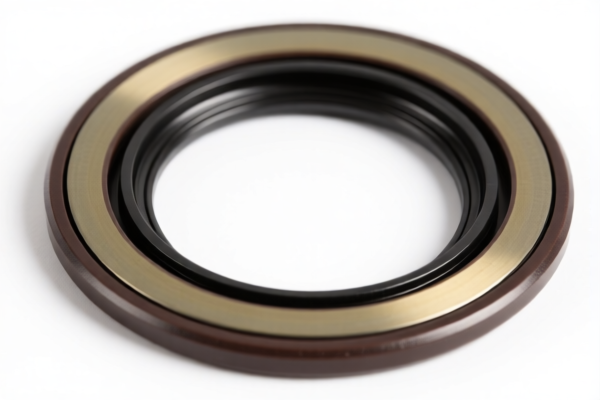
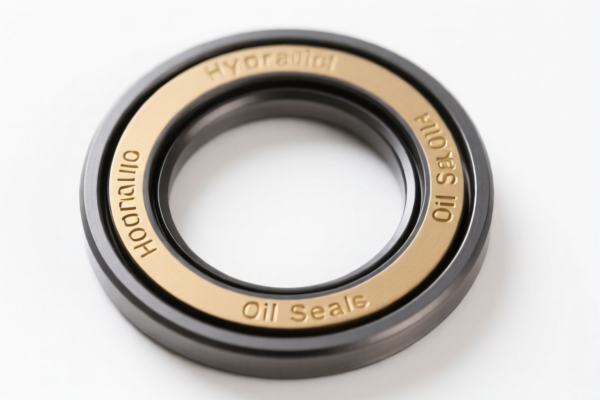
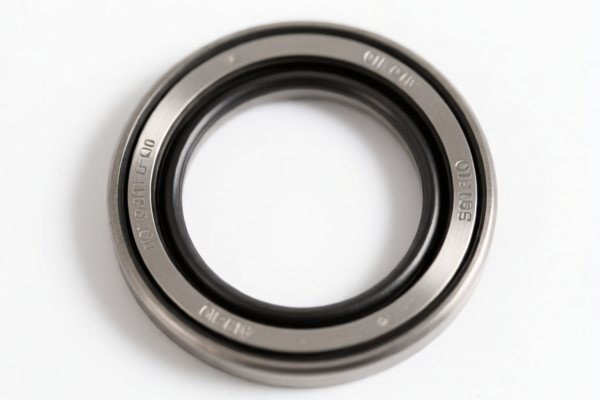
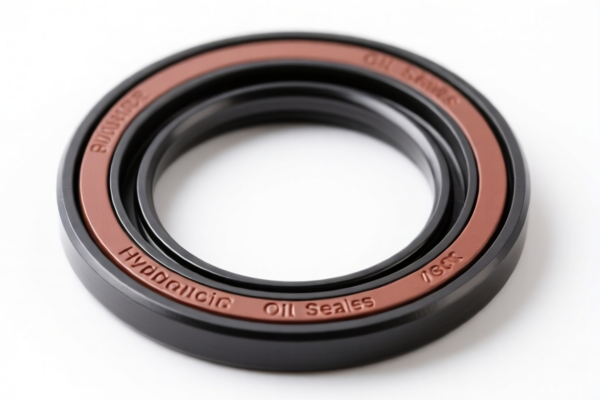
AI Analysis
🛢️ Hydraulic Oil Coolant / Hydraulic Oil-Water Separator
(Note: Based on the provided DATA, the items are classified as "Hydraulic Oil-Water Separators" rather than simple coolants. This distinction is critical for accurate customs valuation and duty calculation.)
🌐 HS Code Reference & Customs Clearance Guide | 2026 Latest Tariff Analysis | Professional Strategy for Hydraulic Separators
📌 I. Product Definition & Classification: What Exactly Are You Shipping?
In international trade, "Hydraulic Oil Coolant" or Hydraulic Oil-Water Separators are specialized filtration and purification devices. They are not simple consumable fluids, but rather mechanical apparatuses designed to filter, purify, and remove oil from liquids (or oil from water) in hydraulic systems.
The provided DATA indicates four distinct HS Code classifications, ranging from 35.0% to 38.0% total tax liability. These distinctions are based on the specific mechanical characteristics and functional application of the device:
⚠️ Key Distinction Points:
- Filtering/Purification Focus: If the device is primarily for liquid filtration/oil removal, it may fall under 8421.29.00.15 or 8421.29.00.40.
- Mechanical Separation: If categorized broadly as mechanical filtering/separating equipment, it falls under 8481.30.10.90.
- Hydraulic System Component: If viewed as a control/component part of a larger hydraulic system, it may be classified under 8481.20.00.50.
📦 II. HS Code Classification Details (2026 Latest Tariff Authority Match)
| HS Code | Summary Description | Total Tax Rate | Tax Detail Breakdown |
|---|---|---|---|
8421.29.00.15 |
Hydraulic Oil-Water Separator: Matches liquid filtration/purification & oil removal functions. | 35.0% | Base: 0.0%, Section 301: 25.0%, Section 122: 10% |
8421.29.00.40 |
Hydraulic Oil-Water Separator: Matches hydraulic fluid power filter characteristics. | 35.0% | Base: 0.0%, Section 301: 25.0%, Section 122: 10% |
8481.30.10.90 |
Hydraulic Oil-Water Separator: Matches mechanical filtering/separating equipment. | 38.0% | Base: 3.0%, Section 301: 25.0%, Section 122: 10% |
8481.20.00.50 |
Hydraulic Oil-Water Separator: Matches hydraulic system components & control category. | 37.0% | Base: 2.0%, Section 301: 25.0%, Section 122: 10% |
🔍 Critical Insight:
- All four classifications include Section 301 tariffs (25%) and Section 122 tariffs (10%).
- The Base Tariff varies: It is 0% for the 8421 series but 2%-3% for the 8481 series.
- Total Liability Range: 35% – 38%.
- Note: These rates apply specifically to goods originating from China (implied by Section 122 and 301 context in the prompt's tax_detail).
💰 III. 2026 Latest Tariff Rate Detailed Explanation
✅ Applicable Country: United States (US)
✅ Origin: China (CN)
✅ Effective Time: Ongoing (Post-2025 Policies)
🎯 1. 8421.29.00.15 & 8421.29.00.40 —— Filtration & Purification Focus
| Item | Content |
|---|---|
| Base Tariff | 0% (Ad Valorem) |
| Section 301 Tariff | +25% (USITC Footnote for Chinese Goods) |
| Section 122 Tariff | +10% (Specific Chinese Import Restriction) |
| Total Rate | 35.0% |
| Calculation | CIF Value × 35% |
| De Minimis Exemption | ❌ NOT APPLICABLE |
| Legal Pathway | Base: 0% → Sec 301: 25% → Sec 122: 10% |
📌 Explanation:
- Base 0%: The Harmonized Tariff Schedule (HTSUS) base rate for these specific filtration sub-categories is often low or zero for non-originating goods before penalties.
- Section 301 (25%): Standard "Trade Act of 1974, Section 301" tariffs on Chinese imports.
- Section 122 (10%): Additional tariff specifically targeting certain Chinese mechanical and industrial goods.
- Result: A high barrier to entry. You cannot rely on de minimis (small package) exemptions because these are classified as industrial equipment/components subject to full ad valorem duties.
🎯 2. 8481.30.10.90 —— Mechanical Filtering/Separating Equipment
| Item | Content |
|---|---|
| Base Tariff | 3.0% |
| Section 301 Tariff | +25% |
| Section 122 Tariff | +10% |
| Total Rate | 38.0% |
| Calculation | CIF Value × 38% |
| De Minimis Exemption | ❌ NOT APPLICABLE |
| Legal Pathway | Base: 3.0% → Sec 301: 25% → Sec 122: 10% |
📌 Explanation:
- Base 3.0%: This code falls under Chapter 84 (Nuclear reactors, boilers, machinery), which typically has a higher base duty than Chapter 85 or 84 sub-headings for filters.
- Total 38%: This is the highest liability option in the dataset.
- Risk: Misclassifying a high-duty item as a lower-duty item can lead to severe customs penalties. Ensure the product description matches the "Mechanical" definition precisely.
🎯 3. 8481.20.00.50 —— Hydraulic System Components & Control
| Item | Content |
|---|---|
| Base Tariff | 2.0% |
| Section 301 Tariff | +25% |
| Section 122 Tariff | +10% |
| Total Rate | 37.0% |
| Calculation | CIF Value × 37% |
| De Minimis Exemption | ❌ NOT APPLICABLE |
| Legal Pathway | Base: 2.0% → Sec 301: 25% → Sec 122: 10% |
📌 Explanation:
- Base 2.0%: Slightly higher base than the 8421 series.
- Why this code? If the separator is integrated as a valve-like component or part of the hydraulic control system (rather than a standalone filter unit), this code may be argued.
- Total 37%: Second highest liability.
🛠️ IV. Customs Clearance Practical Advice (Avoid Pitfalls)
✅ 1. Preparation Checklist (Non-negotiable)
| Document | Mandatory? | Purpose |
|---|---|---|
| ✅ Product Specification Sheet | ✔️ | Must clearly state: "Hydraulic Oil-Water Separator," filtration capacity, pressure rating, and flow rate. |
| ✅ Technical Drawings | ✔️ | To prove it is a mechanical apparatus (filter) and not just "oil" or "coolant liquid." |
| ✅ Commercial Invoice | ✔️ | Must match the HS Code exactly. Do NOT list as "Lubricant" or "Chemical." |
| ✅ Origin Certificate | ✔️ | Crucial for proving Chinese origin (triggering Sec 301/122). If from Vietnam/Mexico, duties may drop significantly. |
| ✅ Packing List | ✔️ | Detailed item count, weight, and dimensions. |
✅ 2. Classification Strategy (Key Mnemonic)
🔥 "Function Defines Code, Not Name!"
| Scenario | Correct Classification | Wrong Classification | Risk |
|---|---|---|---|
| Standalone Filter Unit | 8421.29.00.15/40 |
8481.20.00.50 |
Potential over-payment or under-payment if function differs. |
| Integrated Valve/Control | 8481.20.00.50 |
8421.29.00.15 |
If it acts as a pressure control valve, 8421 is wrong. |
| Generic Mechanical Filter | 8481.30.10.90 |
8421.29.00.15 |
Higher base duty (3% vs 0%). Use only if functional description doesn't match 8421. |
✅ 3. Special Handling Tips
| Situation | Advice |
|---|---|
| OEM Custom Units | Provide engineering drawings showing the filtering mechanism. If it uses centrifugal force, membranes, or gravity, specify it. |
| "Coolant" vs. "Separator" | DO NOT declare as "Hydraulic Coolant" (fluid). Declare as "Hydraulic Oil-Water Separator" (machine). Fluids have different HS codes and potentially different tax treatments. Mislabeling leads to seizure. |
| Partial Shipments | If shipping parts separately, ensure the main unit is classified correctly. Spare filter cartridges might have a different HS code (e.g., 8421.99). |
🌍 V. Global Market Comparison (2026 Outlook)
| Country/Region | Recommended HS Code | Est. Tariff | Certification | Notes |
|---|---|---|---|---|
| 🇺🇸 USA | 8421.29.00.15 |
35.0% | FCC (if electrical), No special certs needed | High duty due to Sec 301 + 122. |
| 🇨🇳 China | 8421.29.00.15 |
5-10% | N/A | Import duty is low; check VAT. |
| 🇪🇺 EU | 8421.29.00 |
~4.5% | CE, RoHS | No Section 301/122 equivalents. |
| 🇨🇦 Canada | 8421.29.00 |
~0-5% | N/A | Check FTA eligibility if from Mexico/UK. |
📌 Conclusion:
- USA is the most expensive market for these goods due to the cumulative 35-38% tariff.
- EU and Canada are significantly more favorable.
- Consider supply chain diversification (e.g., assembling final units in Vietnam) if targeting the US market to avoid Section 122/301 tariffs.
📌 VI. Common Errors & Pitfalls (Lessons Learned)
❌ Error 1: Declaring as "Hydraulic Fluid" or "Coolant"
👉 Consequence: Wrong HS Code (likely Chapter 27 or 38). If caught, it’s classified as machinery anyway → Back taxes + Penalties.
❌ Error 2: Ignoring Section 122 Tariff
👉 Consequence: Underpaying by 10%. CBP will assess additional duties + interest.
❌ Error 3: Splitting the shipment into "Filter Cartridges" and "Housing"
👉 Consequence: If they are sold as a single unit, they must be declared as one. Splitting may lead to rejection or reclassification at higher duty rates.
❌ Error 4: Using vague descriptions like "Filter"
👉 Consequence: Customs may default to the highest duty code or hold the shipment for inspection.
✅ Correct Description:
"Hydraulic Oil-Water Separator, Mechanical Type, Model XYZ, Used for Industrial Hydraulic Systems, Includes Filtration Element, No Electrical Components"
🎯 VII. Conclusion: Precision Saves Money!
🎯 Remember the Golden Rule:
🔹 "Separators are Machinery, Not Fluids."
🔹 "USA Tariff = Base + 25% (Sec 301) + 10% (Sec 122)."
🔹 "Base 0% is better than Base 3% when total tax is 35% vs 38%."
📌 Pro Tip:
If your product can be technically argued as a "Part of a Machine" (Chapter 84, Note 2), ensure you have engineering documentation to support the "Function" over the "Physical Appearance."
For US imports, consider applying for a Binding Ruling from CBP before shipping if the product is borderline between 8421 and 8481. This guarantees the 35% rate and avoids surprise 38% or higher assessments.
📣 Immediate Action:
📞 Verify with your freight forwarder: Confirm if
8421.29.00.15or8421.29.00.40is more accurate for your specific flow rate and pressure specs.
🚀 Calculate landed cost: Assume 35% minimum duty on CIF value. Add 10% for potential handling/storage fees if delayed.
✨ Professional Customs Clearance Starts with Accurate Classification!
💼 Every percentage point matters in the hydraulic industry!
Customer Reviews
About HS Code Classification
The Harmonized System (HS) is an internationally standardized nomenclature developed by the World Customs Organization (WCO) to classify traded products. Over 200 countries use the HS system as the basis for customs tariffs, trade statistics, and import/export regulations.
Each HS code follows a hierarchical structure:
- Chapter (2 digits) — Broad category of goods (e.g., Chapter 84: Machinery and Mechanical Appliances)
- Heading (4 digits) — More specific grouping within the chapter
- Subheading (6 digits) — Internationally standardized breakdown, used by all WCO member countries
- National subdivisions (8-10 digits) — Country-specific extensions for further classification, such as US HTSUS 10-digit codes
Correct HS code classification is essential for smooth customs clearance, accurate duty payment, and compliance with trade regulations. Misclassification can lead to customs delays, overpayment of duties, or penalties.
When importing from CN to US, the applicable tariff rates may include:
- Most-Favored-Nation (MFN) rate — The standard duty rate applied to WTO members
- General rate — Applied to countries without trade agreements
- Trade remedy duties — Additional tariffs such as Section 301 (anti-dumping), Section 232 (national security), or countervailing duties
The information provided on this page is for reference purposes only. For official classification, please consult with your local customs authority or a licensed customs broker.