hydrogenated rosin ester
CN → US| HS Code | Tariff Rate | Origin | Destination | Doc |
|---|---|---|---|---|
| 2916205000 | 38.7% | CN | US | Official Doc |
| 2916193000 | 41.1% | CN | US | Official Doc |
| 2916195000 | 38.7% | CN | US | Official Doc |
| 3823130040 | 20.7% | CN | US | Official Doc |
| 3823194000 | 20.7% | CN | US | Official Doc |
Product Images

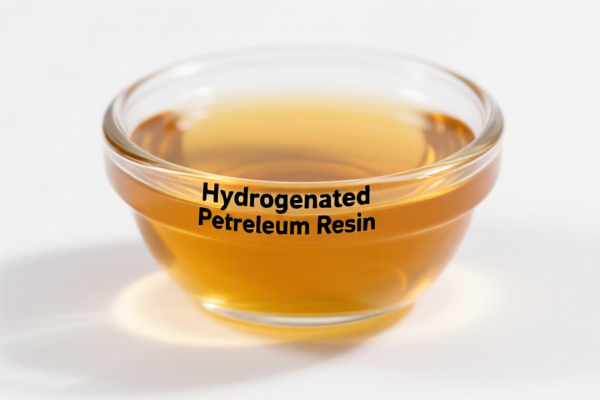


AI Analysis
🧪 Hydrogenated Rosin Ester (Hydrogenated Rosin Fatty Acid)
🌐 HS Code Reference & Customs Clearance Guide | 2026 Latest Tariff Analysis | Professional Clearance Strategy for Chemical Products
📌 I. Product Definition & Classification: Do You Truly Understand "Hydrogenated Rosin Ester"?
Hydrogenated Rosin Esters (often referred to as Hydrogenated Rosin Fatty Acids in chemical trade contexts) are derivatives of rosin, undergoing hydrogenation to saturate double bonds, thereby improving stability, color, and odor. In international trade, the classification hinges on whether it is viewed as a terpenic derivative or a fatty acid derivative, and its specific chemical structure.
⚠️ Key Distinction Point:
- If classified under Chapter 29 (Organic Chemicals): Treated as a specific organic compound (terpenes or unsaturated fatty acids).
- If classified under Chapter 38 (Miscellaneous Chemical Products): Treated as industrial fatty acids or residues from distillation (Tall Oil Fatty Acid).
📦 II. HS Code Classification Details (2026 Latest Tariff Authority Comparison)
Based on the provided data, here are the five valid HS Code classifications for "Hydrogenated Rosin Ester" / "Hydrogenated Rosin Fatty Acid," with corresponding tax explanations.
| HS Code | Product Description | Classification Logic | Total Tax Rate | Tax Breakdown |
|---|---|---|---|---|
2916.20.50.00 |
Hydrogenated Rosin Fatty Acid (Cyclic Terpene Monocarboxylic Acid Derivative) | Fits the classification of derivatives of cyclic terpene monocarboxylic acids. | 38.7% | Base: 3.7%, Section 301: 25.0%, Section 122: 10% |
2916.19.30.00 |
Hydrogenated Rosin Fatty Acid (Unsaturated Fatty Acid Derivative) | Fits the category of derivatives of unsaturated monocarboxylic acids. | 41.1% | Base: 6.1%, Section 301: 25.0%, Section 122: 10% |
2916.19.50.00 |
Hydrogenated Rosin Fatty Acid (Unsaturated Aliphatic Monocarboxylic Acid Derivative) | Material match requirement for unsaturated aliphatic monocarboxylic acid derivatives. | 38.7% | Base: 3.7%, Section 301: 25.0%, Section 122: 10% |
3823.13.00.40 |
Rosin Fatty Acid (Tall Oil Fatty Acid Category - "Other") | Falls under "Other" tall oil fatty acids category logic. | 20.7% | Base: 3.2%, Section 301: 7.5%, Section 122: 10% |
3823.19.40.00 |
Rosin Fatty Acid (Industrial Monocarboxylic Fatty Acid - "Other") | Fits the "Other" category logic for industrial monocarboxylic fatty acids. | 20.7% | Base: 3.2%, Section 301: 7.5%, Section 122: 10% |
🔍 Important Reminder:
- Chapter 29 Codes (2916...): Higher tax rates (38.7% - 41.1%). Suitable if the product is strictly defined as a pure organic chemical intermediate with a specific molecular structure.
- Chapter 38 Codes (3823...): Lower tax rates (20.7%). Suitable if the product is categorized as an industrial fatty acid or residue from rosin processing (e.g., Tall Oil Fatty Acid).
- Section 122 (10%): Applies to all listed codes for Chinese origin products under specific executive orders.
💰 III. 2026 Latest Tariff Rate Details (Including Surcharges & Policy Add-ons)
✅ Applicable Country: United States (US)
✅ Origin: China (CN)
✅ Effective Time: 2025/2026 Tariff Schedule
🎯 1. 2916.20.50.00 & 2916.19.50.00 —— Organic Chemicals (Terpene/Aliphatic Derivatives)
| Item | Content |
|---|---|
| Base Tariff | 3.7% (ad valorem) |
| Section 301 Tariff | +25.0% (Trade Remedy Tariff) |
| Section 122 Tariff | +10.0% (Executive Order Surcharge) |
| Total Tax Rate | 38.7% |
| Tax Calculation | CIF Value × 38.7% |
| De Minimis Exemption | ❌ Not Applicable (High tax rate excludes de minimis) |
| Legal Basis Path | USITC:2916.20.50.00 → Section 301 → Section 122 |
📌 Explanation:
- These codes are classified under Chapter 29, which generally has stricter origin scrutiny for chemical structures.
- The 25% Section 301 tariff is standard for most Chinese chemicals.
- The 10% Section 122 tariff adds an additional layer of cost.
🎯 2. 2916.19.30.00 —— Unsaturated Fatty Acid Derivative
| Item | Content |
|---|---|
| Base Tariff | 6.1% (ad valorem) |
| Section 301 Tariff | +25.0% |
| Section 122 Tariff | +10.0% |
| Total Tax Rate | 41.1% |
| Tax Calculation | CIF Value × 41.1% |
| De Minimis Exemption | ❌ Not Applicable |
| Legal Basis Path | USITC:2916.19.30.00 → Section 301 → Section 122 |
📌 Note:
- This is the highest tax rate among the options.
- Only choose this code if the product is explicitly defined as an unsaturated fatty acid derivative and cannot be classified under the other Chapter 29 subheadings.
🎯 3. 3823.13.00.40 & 3823.19.40.00 —— Industrial Fatty Acids (Tall Oil/Other)
| Item | Content |
|---|---|
| Base Tariff | 3.2% (ad valorem) |
| Section 301 Tariff | +7.5% (Reduced Section 301 Rate) |
| Section 122 Tariff | +10.0% |
| Total Tax Rate | 20.7% |
| Tax Calculation | CIF Value × 20.7% |
| De Minimis Exemption | ❌ Not Applicable |
| Legal Basis Path | USITC:3823.13.00.40 / 3823.19.40.00 → Section 301 (List 4A/B) → Section 122 |
📌 Advantage:
- Significantly lower total tax (20.7%) compared to Chapter 29 codes (38.7%-41.1%).
- The Section 301 rate for these industrial fatty acid categories is only 7.5%, not 25%.
- Ideal if the product is marketed as "Tall Oil Fatty Acid" or "Industrial Monocarboxylic Fatty Acid."
🛠️ IV. Customs Clearance Practical Advice (Real-World Pitfall Avoidance Guide)
✅ 1. Documentation Checklist (Non-negotiable)
| Document | Mandatory? | Description |
|---|---|---|
| ✅ Technical Data Sheet (TDS) | ✔️ | Must specify chemical structure, hydrogenation degree, and purity. |
| ✅ Certificate of Origin (CO) | ✔️ | To determine applicability of Section 301/122 rates. |
| ✅ Commercial Invoice | ✔️ | Clearly state "Hydrogenated Rosin Ester" or "Rosin Fatty Acid," avoid vague terms like "Chemical." |
| ✅ Structure Diagram | ✔️ | Crucial for CBP to determine if it fits Chapter 29 (organic compound) or Chapter 38 (industrial acid). |
| ✅ Bill of Lading | ✔️ | Ensure packaging matches invoice descriptions. |
| ✅ Safety Data Sheet (SDS) | ✔️ | For customs safety screening. |
✅ 2. Declaration Tips (Key Mantras)
🔥 “Structure Defines Chapter, Chapter Defines Tax!”
| Scenario | Correct Declaration | Wrong Practice |
|---|---|---|
| Pure Organic Intermediate | 2916.20.50.00 / 2916.19.xxxx |
Misdeclaring as "Industrial Chemical" → Risk of 41.1% |
| Tall Oil By-product | 3823.13.00.40 |
Misdeclaring as "Fatty Acid" without "Tall Oil" context → Risk of higher duty |
| Generic "Rosin Ester" | 3823.19.40.00 |
Vague description → Customs hold for classification review |
| High-Purity Terpene | 2916.20.50.00 |
Using Chapter 38 code for pure terpene → Rejection |
✅ 3. Special Case Handling
| Situation | Handling Advice |
|---|---|
| Product is "Hydrogenated" | Emphasize saturation level in TDS to support Chapter 29 if needed, or argue industrial nature for Chapter 38. |
| Mixed with Solvents | If it's a solution, HS code may change to 3824 or 3814. Declare "Hydrogenated Rosin Fatty Acid in Solvent" only if solvency is >50% by weight. |
| Small Shipment (De Minimis) | ❌ Do not use de minimis ($800). With taxes >20%, it’s not worth the risk of audit or penalty. Use formal entry. |
| Origin Non-China | If from Malaysia/Thailand, Section 301/122 may not apply, reducing tax to Base Rate only (3.2%-6.1%). |
🌍 V. Global Market Comparison (2026 Latest)
| Country/Region | Recommended HS Code | Tariff (CN Origin) | Certification Requirements | Notes |
|---|---|---|---|---|
| 🇺🇸 USA | 3823.19.40.00 (Best Value) |
20.7% | None specific | Avoid 2916.19.30.00 (41.1%) unless structurally required. |
| 🇨🇳 China | 3823.19.40.00 |
6.5% (Import Duty) | None | Low duty for industrial inputs. |
| 🇪🇺 EU | 3823.19.00 |
6.5% | REACH Registration | Mandatory for chemical substances in EU. |
| 🇯🇵 Japan | 3823.19.00 |
5.0% | None | Generally low duty for fatty acids. |
📌 Conclusion:
- USA is the most expensive market due to Section 301 and Section 122 tariffs.
- Strategic Choice: If your product qualifies as Tall Oil Fatty Acid or Industrial Monocarboxylic Fatty Acid, use Chapter 38 (3823.13.00.40or3823.19.40.00) to save ~18% in taxes compared to Chapter 29 codes.
- Risk: Misclassification from Chapter 38 to Chapter 29 can lead to significant back-taxes.
📌 VI. Common Errors & Pitfall Guide (Lessons Learned)
❌ Error 1: Using Chapter 29 codes when Chapter 38 is applicable
👉 Consequence: Paying 41.1% instead of 20.7% → 20.4% extra cost per shipment.
❌ Error 2: Declaring "Rosin" without specifying "Hydrogenated" or "Fatty Acid"
👉 Consequence: Customs ambiguity → Delayed clearance, potential reclassification to a higher tax bracket.
❌ Error 3: Ignoring Section 122 Tariff
👉 Consequence: Underpayment by 10% on all HS codes for Chinese origin → Penalties + Interest.
❌ Error 4: Using De Minimis for High-Value Shipments
👉 Consequence: Customs audit, seizure, or blacklisting of importer.
✅ Correct Practice:
"Hydrogenated Rosin Fatty Acid (Industrial Grade), CAS No. XXXXX-XX-X, Origin: China, For Use in Adhesives"
🎯 VII. Conclusion: Professional Classification, Cost Savings!
🎯 Remember the Mantra:
🔹 "Chapter 29 = 38-41%, Chapter 38 = 20.7%. Choose wisely!"
🔹 "Section 301 + Section 122 = High Cost. Structure your declaration to minimize exposure."
📌 Tip:
If your hydrogenated roin ester is used as a plasticizer or adhesive component, ensure your invoice highlights its industrial application to support Chapter 38 classification (3823.19.40.00).
Consider applying for a Binding Ruling (Pre-classification) with US CBP if your shipment volume is large, to lock in the 20.7% rate and avoid disputes.
📣 Immediate Action:
📞 Consult your customs broker with the Technical Data Sheet
🚀 Optimize HS Code to3823.19.40.00for maximum tax efficiency!
✨ Professional clearance starts with precise classification!
💼 Every percentage point saved is pure profit!
Customer Reviews
About HS Code Classification
The Harmonized System (HS) is an internationally standardized nomenclature developed by the World Customs Organization (WCO) to classify traded products. Over 200 countries use the HS system as the basis for customs tariffs, trade statistics, and import/export regulations.
Each HS code follows a hierarchical structure:
- Chapter (2 digits) — Broad category of goods (e.g., Chapter 84: Machinery and Mechanical Appliances)
- Heading (4 digits) — More specific grouping within the chapter
- Subheading (6 digits) — Internationally standardized breakdown, used by all WCO member countries
- National subdivisions (8-10 digits) — Country-specific extensions for further classification, such as US HTSUS 10-digit codes
Correct HS code classification is essential for smooth customs clearance, accurate duty payment, and compliance with trade regulations. Misclassification can lead to customs delays, overpayment of duties, or penalties.
When importing from CN to US, the applicable tariff rates may include:
- Most-Favored-Nation (MFN) rate — The standard duty rate applied to WTO members
- General rate — Applied to countries without trade agreements
- Trade remedy duties — Additional tariffs such as Section 301 (anti-dumping), Section 232 (national security), or countervailing duties
The information provided on this page is for reference purposes only. For official classification, please consult with your local customs authority or a licensed customs broker.