hydroxypropyl cellulose
CN → US| HS Code | Tariff Rate | Origin | Destination | Doc |
|---|---|---|---|---|
| 1302390090 | 20.7% | CN | US | Official Doc |
| 3912390000 | 39.2% | CN | US | Official Doc |
| 1302390010 | 20.7% | CN | US | Official Doc |
| 3912900090 | 40.2% | CN | US | Official Doc |
| 2942000500 | 41.5% | CN | US | Official Doc |
Product Images
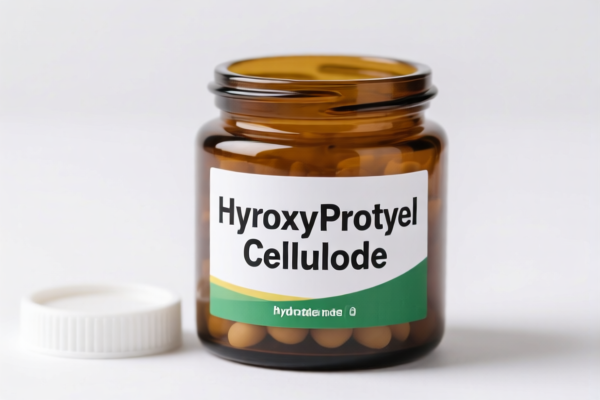
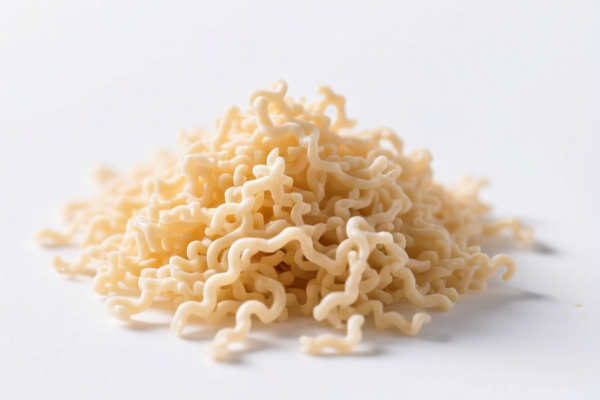
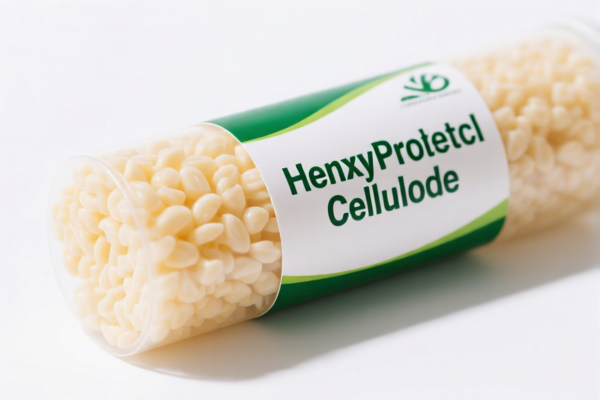
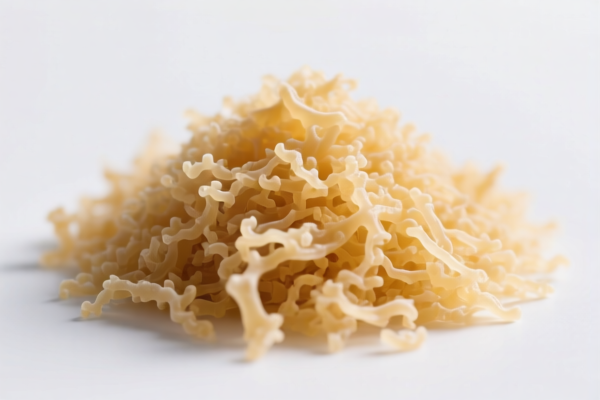
AI Analysis
🧪 Hydroxypropyl Cellulose (HPC) | The Versatile Polymer
🌐 HS Code Reference & Clearance Guide | 2026 Tariff Analysis | Professional Customs Strategy
📌 I. Product Definition & Classification: What is Hydroxypropyl Cellulose?
Hydroxypropyl Cellulose (HPC) is a non-ionic cellulose ether derivative. It is a white to off-white powder or fiber, soluble in cold water, and possesses unique properties such as film-forming, thickening, and binding capabilities.
In international trade, HPC is classified based on its material origin and chemical nature. The debate typically lies between: 1. Modified Natural Extracts (Chapter 13): Viewed as a "vegetable mucilage" or "thickener" derived from plant sources. 2. Chemical Derivatives of Cellulose (Chapter 39): Viewed as a plastic/cellulose ether, similar to synthetic polymers. 3. Pharmaceutical Grade (Chapter 29): Specific classification if explicitly defined for medicinal use.
⚠️ Critical Distinction Point:
- If classified under Chapter 13, it is treated as a natural vegetable extract/thickener → Lower Base Duty.
- If classified under Chapter 39, it is treated as a plastic/cellulose derivative → Higher Base Duty.
- If explicitly for Pharmaceutical Use, specific subheadings apply → Highest Base Duty.
📦 II. HS Code Classification Details (2026 Latest Tariff Authority)
| HS Code | Product Description | Summary / Rationale | Total Tax Rate |
|---|---|---|---|
1302.39.00.90 |
Vegetable Mucilages and Thickeners | HPC is a plant-source modified thickener, fitting the material and usage characteristics of vegetable mucilages and thickeners. | 20.7% |
3912.39.00.00 |
Cellulose and its Chemical Derivatives | HPC is a cellulose ether, fitting the definition of "others" under cellulose derivatives. | 39.2% |
1302.39.00.10 |
Vegetable Mucilages and Thickeners | HPC is a plant-source extracted thickener/mucilage, fitting the material attributes of plant-source mucilages and thickeners in Chapter 13. | 20.7% |
3912.90.00.90 |
Other Cellulose Derivatives | HPC is a cellulose chemical derivative, its chemical structure fits the classification characteristics of original/derivative forms. | 40.2% |
2942.00.05.00 |
Other Organic Compounds | When HPC is explicitly for medicinal use, it fits the definition of medicinal use in HS 2942.00.05.00 and belongs to the organic compound category. | 41.5% |
🔍 Key Insight:
- Chapter 13 (20.7%) vs. Chapter 39 (39.2%-40.2%): The tariff difference is massive (~20%). This is the single most critical decision point in customs clearance.
- Chapter 29 (41.5%): Only applicable if the product is strictly certified and declared for Pharmaceutical/Medicinal Use. Do not use this code for industrial or general purposes.
💰 III. 2026 Latest Tariff Rate Breakdown (Including Surcharges)
✅ Applicable Country: USA (US)
✅ Origin: China (CN)
✅ Effective Time: 2025+ (Post-Trade War Policies)
🎯 1. 1302.39.00.10 & 1302.39.00.90 —— Vegetable Mucilages/Thickeners (The "Low Tariff" Route)
| Item | Content |
|---|---|
| Base Duty | 3.2% |
| Section 301 Surcharge (China) | +7.5% |
| 122 Section Surcharge | +10% |
| Total Effective Tax Rate | 20.7% |
| Tax Calculation | CIF Value × 20.7% |
| De Minimis Eligibility | ❌ No (Section 301 and 122 tariffs generally deny de minimis exemptions for high-value industrial chemicals) |
| Legal Basis Path | USITC:1302.39.00 → Section 301: 7.5% → 122 Clause: 10% |
📌 Explanation:
- This classification treats HPC as a natural derivative/thickener.
- Total Tax: 20.7%. This is the most cost-effective classification for general industrial applications (e.g., adhesives, coatings, food additives).
- Why 7.5%? This reflects specific Section 301 rates for certain chemical extracts.
- Why 10%? The "122 Section" refers to additional tariffs on specific Chinese imports, often applied to chemical intermediates.
🎯 2. 3912.39.00.00 & 3912.90.00.90 —— Cellulose Derivatives (The "High Tariff" Route)
| Item | Content |
|---|---|
| Base Duty | 4.2% (3912.39) / 5.2% (3912.90) |
| Section 301 Surcharge (China) | +25.0% |
| 122 Section Surcharge | +10% |
| Total Effective Tax Rate | 39.2% (3912.39) / 40.2% (3912.90) |
| Tax Calculation | CIF Value × 39.2% / 40.2% |
| De Minimis Eligibility | ❌ No |
| Legal Basis Path | USITC:3912.39 → Section 301: 25% → 122 Clause: 10% |
📌 Explanation:
- This classification treats HPC as a plastic/chemical polymer.
- Total Tax: ~40%. This is significantly higher than Chapter 13.
- Why 25%? Section 301 tariffs on plastics and chemical derivatives from China are typically at the maximum 25%.
- Risk: If Customs determines HPC is a "synthetic-like" polymer rather than a "vegetable mucilage," they will apply this higher rate.
🎯 3. 2942.00.05.00 —— Medicinal Use (The "Premium" Route)
| Item | Content |
|---|---|
| Base Duty | 6.5% |
| Section 301 Surcharge (China) | +25.0% |
| 122 Section Surcharge | +10% |
| Total Effective Tax Rate | 41.5% |
| Tax Calculation | CIF Value × 41.5% |
| De Minimis Eligibility | ❌ No |
| Legal Basis Path | USITC:2942.00.05 → Section 301: 25% → 122 Clause: 10% |
📌 Explanation:
- Only for Pharmaceutical Grade HPC with explicit drug use claims.
- Despite the higher base duty (6.5%), the 25% Section 301 surcharge makes it the most expensive option.
- Note: Even though the base rate is higher, the surcharge structure is similar to Chapter 39. This code is rarely used for general chemical imports due to strict regulatory requirements (FDA, etc.).
🛠️ IV. Customs Clearance Practical Advice (Real-World Pitfall Guide)
✅ 1. Documentation Checklist (Must-Haves)
| Document | Required? | Description |
|---|---|---|
| ✅ COA (Certificate of Analysis) | ✔️ | Must specify "Hydroxypropyl Cellulose" and purity. |
| ✅ Product Specification Sheet | ✔️ | Detail viscosity, substitution degree, solubility. |
| ✅ Statement of Use | ✔️ | Critical! Must state: "For Industrial Use as Thickener/Binders" to support Chapter 13 classification. Avoid "Pharmaceutical" unless intended. |
| ✅ Commercial Invoice | ✔️ | Clearly list "Hydroxypropyl Cellulose, Non-Ionic Cellulose Ether." |
| ✅ Origin Certificate | ✔️ | For US-China trade, origin is China → Triggers Section 301 & 122. |
✅ 2. Declaration Strategy (Key Mantra)
🔥 "Declare as Thickener, Not Plastic; Avoid 'Drug' Claim; Keep it Vegetable-Based!"
| Scenario | Correct Declaration | Wrong Practice |
|---|---|---|
| General Industrial Use | 1302.39.00.10 or .90"Vegetable Mucilage/Thickener" |
Declare as 3912.39.00 ("Cellulose Ether") → Tariff jumps from 20.7% to 39.2% |
| Pharmaceutical Use | 2942.00.05.00"Medicinal Compound" |
Declare as general chemical → Compliance Risk & 41.5% Tariff |
| Bulk Powder | 1302.39.00.90 |
Split packaging into small units → Suspicion of Evading De Minimis (if applicable) |
⚠️ Warning:
- If you declare HPC as a "Cellulose Derivative" (3912), you accept a ~20% higher tax burden.
- If you declare it as a "Vegetable Mucilage" (1302), you must prove it is derived from vegetable sources and functions as a thickener/mucilage. HPC is indeed derived from cellulose (plant), so this argument is strong.
✅ 3. Special Circumstances
| Situation | Handling Advice |
|---|---|
| HPC used in Food | Still falls under 1302 if it's a thickener. Provide FDA food-grade certificate. |
| HPC used in Pharma | Must use 2942. Requires stricter documentation (FDA registration, GMP). |
| HPC mixed with other chemicals | If it's a pre-mixed compound, HS code may change to 3824 (prepared binders). Consult expert. |
| Re-export from 3rd Country | Ensure Certificate of Origin shows "China" to avoid origin fraud issues if transshipped. |
🌍 V. Global Market Clearance Comparison (2026 Latest)
| Country/Region | Recommended HS Code | Tariff (China Origin) | Certification | Remarks |
|---|---|---|---|---|
| 🇺🇸 USA | 1302.39.00.90 |
20.7% | FDA (if food/med) | Highest risk of audit for Chapter 13 vs 39. |
| 🇨🇳 China | 1302.39.00 |
3.2% | None | Low import duty, no surcharges. |
| 🇪🇺 EU | 1302.39.00 |
0% - 6.5% | REACH Registration | REACH compliance is mandatory for HPC. |
| 🇯🇵 Japan | 1302.39.00 |
0% - 6% | JECFA Compliance | No major surcharges. |
📌 Conclusion:
- USA is the most challenging due to Section 301 & 122 tariffs.
- Classification Choice is Key:1302(20.7%) vs3912(39.2%) saves ~18.5% in duties.
- EU/Japan have lower tariffs, but REACH (EU) is a major non-tariff barrier.
📌 VI. Common Errors & Pitfalls (Blood & Tears Lessons)
❌ Error 1: Declaring HPC as 3912.39.00 ("Cellulose Ether") when it’s used as a generic thickener.
👉 Consequence: Pay 39.2% instead of 20.7%. Overpayment of ~18.5%!
❌ Error 2: Claiming "Pharmaceutical Use" without proper FDA registration.
👉 Consequence: Goods held by Customs, fines, or return. Tariff jumps to 41.5%.
❌ Error 3: Ignoring the "122 Section" tariff.
👉 Consequence: Unexpected 10% surcharge even if Section 301 is 7.5%. Total must include all layers.
❌ Error 4: Using "Plastic Pellets" as product name for HPC powder.
👉 Consequence: Misdeclaration. Customs may reclassify as 3912 and apply penalties.
✅ Correct Approach:
"Hydroxypropyl Cellulose, Powder, For Industrial Thickening Use, Plant-Derived, Non-Pharmaceutical Grade"
→ Supports HS 1302.39.00.90 → 20.7% Total Tax.
🎯 VII. Conclusion: Professional Declaration, Cost Savings, Efficiency!
🎯 Remember the Mantra:
🔹 "Vegetable Mucilage is Cheaper, Cellulose Ether is Pricier."
🔹 "20.7% vs 39.2%, Choose 1302 to Win!"
🔹 "122 Clause + 301 Clause = Add Them Up!"
📌 Pro Tip:
If your HPC is industrial grade, firmly argue for Chapter 13 (1302.39.00). Provide COAs showing it functions as a thickener/mucilage.
If you are in pharmaceuticals, prepare for Chapter 29 (2942.00.05) and higher compliance costs.
📣 Immediate Action:
📞 Consult a Customs Broker to confirm Chapter 13 vs 39 classification.
📄 Ensure your Statement of Use aligns with the lower tariff HS Code.
🚀 Save 18.5% in duties by choosing the right HS Code!
✨ Professional Clearance Starts with Accurate Classification!
💼 Every cent of duty savings counts!
Customer Reviews
About HS Code Classification
The Harmonized System (HS) is an internationally standardized nomenclature developed by the World Customs Organization (WCO) to classify traded products. Over 200 countries use the HS system as the basis for customs tariffs, trade statistics, and import/export regulations.
Each HS code follows a hierarchical structure:
- Chapter (2 digits) — Broad category of goods (e.g., Chapter 84: Machinery and Mechanical Appliances)
- Heading (4 digits) — More specific grouping within the chapter
- Subheading (6 digits) — Internationally standardized breakdown, used by all WCO member countries
- National subdivisions (8-10 digits) — Country-specific extensions for further classification, such as US HTSUS 10-digit codes
Correct HS code classification is essential for smooth customs clearance, accurate duty payment, and compliance with trade regulations. Misclassification can lead to customs delays, overpayment of duties, or penalties.
When importing from CN to US, the applicable tariff rates may include:
- Most-Favored-Nation (MFN) rate — The standard duty rate applied to WTO members
- General rate — Applied to countries without trade agreements
- Trade remedy duties — Additional tariffs such as Section 301 (anti-dumping), Section 232 (national security), or countervailing duties
The information provided on this page is for reference purposes only. For official classification, please consult with your local customs authority or a licensed customs broker.