ice clip
CN → US| HS Code | Tariff Rate | Origin | Destination | Doc |
|---|---|---|---|---|
| 7326908688 | 87.9% | CN | US | Official Doc |
| 7326190080 | 87.9% | CN | US | Official Doc |
| 3924104000 | 13.4% | CN | US | Official Doc |
| 3924102000 | 24.0% | CN | US | Official Doc |
| 8205513030 | 38.7% | CN | US | Official Doc |
Product Images
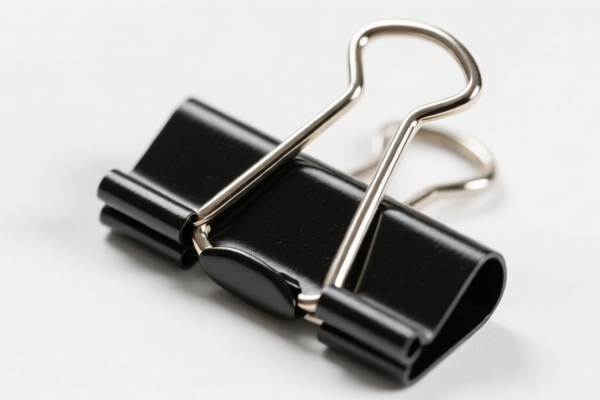
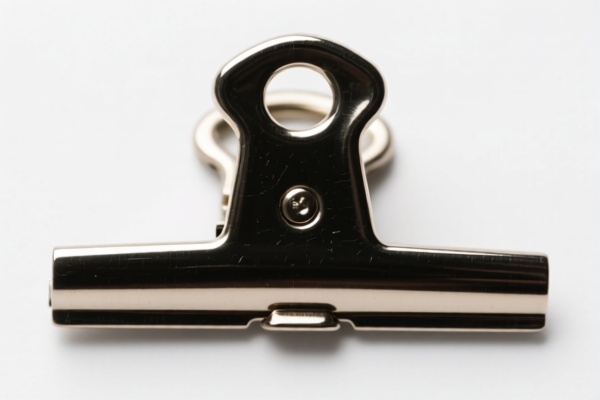
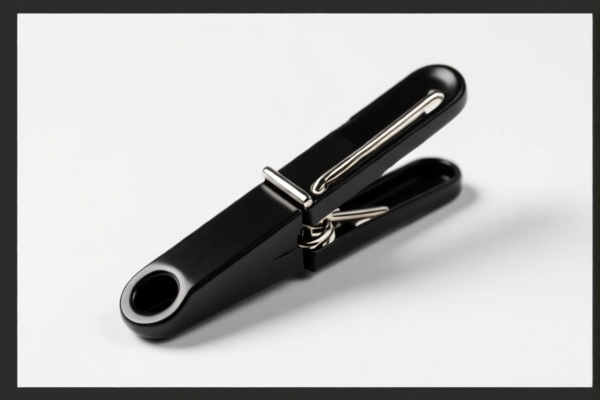
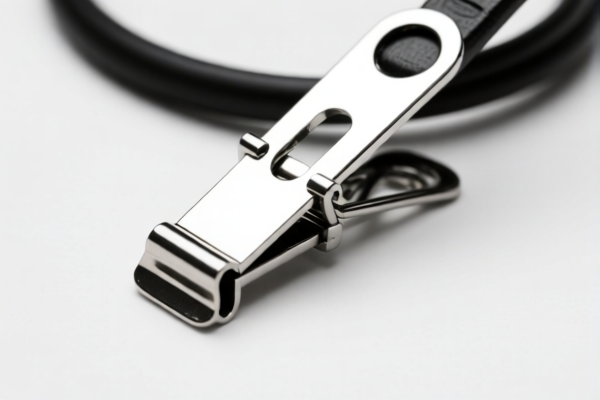
AI Analysis
❄️ Ice Clip (Ice Tongs / Ice Tongs)
🌐 HS Code Reference & Clearance Guide | 2026 Latest Tariff Analysis | Professional Entry Strategy
📌 1. Product Definition and Classification: Do You Really Understand "Ice Clips"?
An "Ice Clip" (commonly known as Ice Tongs) is a small hand tool used for gripping and transporting ice cubes, blocks, or crushed ice. In international trade, classification depends strictly on the material composition and specific functional description. Misclassification leads to massive tax discrepancies (e.g., 13.4% vs. 87.9%).
Two Main Categories: * Metal Ice Clips: Made of iron, steel, stainless steel, or aluminum. These fall under Chapter 73 or 82. * Plastic Ice Clips: Made entirely or primarily of plastics. These fall under Chapter 39.
⚠️ Key Distinction Point:
- If the product is Metal/Stainless Steel: It is classified under Chapter 73 (Articles of Iron/Steel) or Chapter 82 (Hand Tools/Kitchen Utensils).
- If the product is Plastic: It is classified under Chapter 39 (Plastics and Articles Thereof).
- Warning: Even small differences in material description can shift the total tax rate from 13.4% to 87.9%.
📦 2. HS Code Classification Details (Based on Provided Data)
| HS Code | Product Description | Material | Total Tax Rate | Tax Breakdown Details |
|---|---|---|---|---|
7326.90.86.88 |
Other articles of iron or steel | Iron/Steel | 87.9% | Base: 2.9% Retaliatory: 25.0% Section 122 (Steel/Aluminum): 50% |
7326.19.00.80 |
Other articles of iron or steel | Iron/Steel | 87.9% | Base: 2.9% Retaliatory: 25.0% Section 122 (Steel/Aluminum): 50% |
3924.10.40.00 |
Tableware/Kitchenware (Other) | Plastic | 13.4% | Base: 3.4% Retaliatory: 0.0% Section 122: 10% |
3924.10.20.00 |
Kitchenware | Plastic | 24.0% | Base: 6.5% Retaliatory: 7.5% Section 122: 10% |
8205.51.30.30 |
Kitchen/Table Utensils | Stainless Steel/Metal | 38.7% | Base: 3.7% Retaliatory: 25.0% Section 122: 10% |
🔍 Focus Alert:
- Plastic vs. Metal: Plastic options (3924) are significantly cheaper in terms of tariffs (13.4%–24.0%) compared to Iron/Steel (7326) which attract a staggering 87.9% due to Section 122 penalties. - Stainless Steel Exception: Stainless steel (8205) sits in the middle at 38.7%, as it is treated as a "utensil" rather than a generic "article of steel."
💰 3. 2026 Latest Tariff Rate Breakdown (Including Surcharges & Policy Add-ons)
✅ Applicable Country: United States (US)
✅ Origin: China (CN)
✅ Effective Time: Current Rates Applied (2025-2026 Context)
🎯 1. 7326.90.86.88 & 7326.19.00.80 —— Iron/Steel Ice Clips
| Item | Content |
|---|---|
| Base Tariff | 2.9% (Ad Valorem) |
| Retaliatory Tariff | +25.0% (Section 301) |
| Section 122 Tariff | +50.0% (Steel, Aluminum, Copper Products) |
| Total Rate | 87.9% |
| Tax Calculation | CIF Value × 87.9% |
| De Minimis Eligibility | ❌ None (High-value surcharge applies) |
| Legal Basis Path | USITC:7326.90.86.88 → Section 122: Steel/Aluminum Surcharge → Section 301: 25% |
📌 Explanation:
- Section 122: This is the critical penalty. The 50% surcharge on "Steel, Aluminum, and Copper products" makes importing generic iron/steel kitchen tools extremely costly. - Total 87.9%: This is a prohibitive tariff. Importers must verify if the product is truly "Iron/Steel" or if a Stainless Steel classification (8205) might be more accurate (lower tax).
🎯 2. 3924.10.40.00 —— Plastic Ice Clip (Tableware/Kitchenware)
| Item | Content |
|---|---|
| Base Tariff | 3.4% |
| Retaliatory Tariff | 0.0% |
| Section 122 Tariff | +10.0% |
| Total Rate | 13.4% |
| Tax Calculation | CIF Value × 13.4% |
| De Minimis Eligibility | ⚠️ Check Specifics (Section 122 may limit de minimis benefits depending on volume/value thresholds) |
| Legal Basis Path | USITC:3924.10.40.00 → Section 122: 10% Surcharge |
📌 Explanation:
- This is the most cost-effective option for plastic ice clips. - No Section 301 (25%) retaliatory tariff applies here, only the Section 122 10% surcharge.
🎯 3. 3924.10.20.00 —— Plastic Ice Clip (Kitchenware)
| Item | Content |
|---|---|
| Base Tariff | 6.5% |
| Retaliatory Tariff | +7.5% |
| Section 122 Tariff | +10.0% |
| Total Rate | 24.0% |
| Tax Calculation | CIF Value × 24.0% |
| De Minimis Eligibility | ⚠️ Check Specifics |
| Legal Basis Path | USITC:3924.10.20.00 → Retaliatory 7.5% → Section 122: 10% |
📌 Note:
- Slightly higher than3924.10.40.00due to the 7.5% retaliatory tariff component. - Still vastly cheaper than steel alternatives.
🎯 4. 8205.51.30.30 —— Stainless Steel Metal Ice Clip
| Item | Content |
|---|---|
| Base Tariff | 3.7% |
| Retaliatory Tariff | +25.0% (Section 301) |
| Section 122 Tariff | +10.0% |
| Total Rate | 38.7% |
| Tax Calculation | CIF Value × 38.7% |
| De Minimis Eligibility | ❌ None (Due to Section 301) |
| Legal Basis Path | USITC:8205.51.30.30 → Section 301: 25% → Section 122: 10% |
📌 Explanation:
- Classified as "Kitchen/Table Utensils" rather than "Articles of Steel." - Saves 49.2% taxes compared to generic Iron/Steel (7326). - Ideal for high-quality stainless steel products.
🛠️ 4. Clearance Practical Advice (Battle-Tested Pitfall Guide)
✅ 1. Preparation Checklist (No Exceptions)
| Material | Required Documentation | Reason |
|---|---|---|
| Plastic | ✅ Product Photos (Close-up of texture) ✅ Material Declaration (PP/ABS/PE) |
To prove it is not metal-coated plastic. |
| Stainless Steel | ✅ Mill Test Certificate (if large volume) ✅ Grade Specification (e.g., 304, 430) |
To qualify for 8205 (Utensils) instead of 7326 (General Steel). |
| Iron/Steel | ✅ Composition Analysis | Avoids misclassification. If misclassified as plastic, heavy penalties apply. |
✅ 2. Declaration Tips (Key Mantra)
🔥 "Material Determines Tariff, Stainless Saves Taxes!"
| Scenario | Correct Classification | Wrong Action | Result |
|---|---|---|---|
| Plastic Ice Tong | 3924.10.40.00 (13.4%) |
Declare as "Metal" | 87.9% Tax! |
| Stainless Steel | 8205.51.30.30 (38.7%) |
Declare as "Iron/Steel" | 87.9% Tax! |
| Iron/Steel | 7326.90.86.88 (87.9%) |
Try to avoid Section 122 | Impossible (Unless origin is exempt) |
✅ 3. Special Situations
| Situation | Handling Advice |
|---|---|
| OEM Custom Brand | Provide branding rights. Does not change HS code, but helps in proving "Utensil" nature for 8205. |
| Packaging with Plastic Handle + Metal Jaws | Mixed Material Rule: If metal parts define the essential character, it may be classified as metal (7326 or 8205). Recommendation: Use 8205 if possible for lower tax than 7326. |
| Set with Bucket/Bag | Declare separately. Ice clip as utensil, bucket as plastic container. |
🌍 5. Global Market Comparison (2026 Context)
| Country/Region | Recommended HS Code | Estimated Tax | Notes |
|---|---|---|---|
| 🇺🇸 USA | 8205.51.30.30 |
38.7% | Best balance for Metal. Plastic 3924 is 13.4%. Avoid 7326. |
| 🇨🇳 China | Varies | Low (~3-6%) | No Section 122/301 tariffs. |
| 🇪🇺 EU | Varies | 0-2.7% | No punitive tariffs. Standard MFN rates apply. |
| 🇬🇧 UK | Varies | 2.4-6% | Post-Brexit rates generally lower than US. |
📌 Conclusion:
- USA is the most punitive market for steel ice clips due to Section 122 and 301 tariffs. - Strategic Shift: If importing to the US, Plastic (3924) is the cheapest (13.4%), and Stainless Steel (8205) is the best metal option (38.7%). Avoid generic Iron/Steel (7326) at all costs unless you have a specific exemption.
📌 6. Common Errors & Pitfall Guide (Lessons Learned)
❌ Error 1: Declaring Stainless Steel as "Iron/Steel" (7326)
👉 Consequence: Tax jumps from 38.7% to 87.9%. Loss of ~49% profit margin.
❌ Error 2: Declaring Plastic as "Kitchen Utensil" under Chapter 82
👉 Consequence: If classified incorrectly as metal utensil, high tariffs apply. Must stay in Chapter 39.
❌ Error 3: Ignoring Section 122 for Metal Products
👉 Consequence: Assuming "Kitchen Utensil" avoids Section 122. False. 8205 still has 10% Section 122 surcharge, but 7326 has 50%.
❌ Error 4: Mixed Material (Plastic Handle + Metal Spring)
👉 Consequence: Customs may rule as "Metal Essential Character" → 7326 or 8205. Solution: Clearly define material ratios in declaration.
✅ Correct Practice:
"Stainless Steel Ice Tongs, Food Grade 304, Handle: Plastic, Spring: Metal, Model XYZ, NSF Certified"
🎯 7. Conclusion: Professional Declaration, Cost Optimization!
🎯 Remember the Mantra:
🔹 "Plastic is Cheap (13.4%), Stainless is Smart (38.7%), Iron is Expensive (87.9%)!"
🔹 "Section 122 punishes Steel; Stainless is the Escape!"
🔹 "Declare Material Accurately, Avoid 87.9% Trap!"
📌 Pro Tip:
For US imports, if you are using Plastic, use 3924.10.40.00 for the lowest tax.
If you are using Metal, ensure it is Stainless Steel and declare under 8205.51.30.30 to save 49.2% in taxes compared to generic steel.
Avoid 7326 completely for Ice Clips unless legally required.
📣 Immediate Action:
📞 Confirm Material Composition (Plastic vs. Stainless vs. Iron)
📄 Select Correct HS Code:3924(Plastic) or8205(Stainless)
🚀 Save Huge Taxes, Clear Customs Smoothly!
✨ Professional Customs Clearance Starts with Accurate Classification!
💼 Every Percent of Tariff is Your Profit!
Customer Reviews
About HS Code Classification
The Harmonized System (HS) is an internationally standardized nomenclature developed by the World Customs Organization (WCO) to classify traded products. Over 200 countries use the HS system as the basis for customs tariffs, trade statistics, and import/export regulations.
Each HS code follows a hierarchical structure:
- Chapter (2 digits) — Broad category of goods (e.g., Chapter 84: Machinery and Mechanical Appliances)
- Heading (4 digits) — More specific grouping within the chapter
- Subheading (6 digits) — Internationally standardized breakdown, used by all WCO member countries
- National subdivisions (8-10 digits) — Country-specific extensions for further classification, such as US HTSUS 10-digit codes
Correct HS code classification is essential for smooth customs clearance, accurate duty payment, and compliance with trade regulations. Misclassification can lead to customs delays, overpayment of duties, or penalties.
When importing from CN to US, the applicable tariff rates may include:
- Most-Favored-Nation (MFN) rate — The standard duty rate applied to WTO members
- General rate — Applied to countries without trade agreements
- Trade remedy duties — Additional tariffs such as Section 301 (anti-dumping), Section 232 (national security), or countervailing duties
The information provided on this page is for reference purposes only. For official classification, please consult with your local customs authority or a licensed customs broker.