imitation earrings
CN → US| HS Code | Tariff Rate | Origin | Destination | Doc |
|---|---|---|---|---|
| 7117909000 | 28.5% | CN | US | Official Doc |
| 3926904000 | 12.8% | CN | US | Official Doc |
| 4205008000 | 35.0% | CN | US | Official Doc |
| 4205001000 | 35.0% | CN | US | Official Doc |
| 3926909989 | 22.8% | CN | US | Official Doc |
Product Images
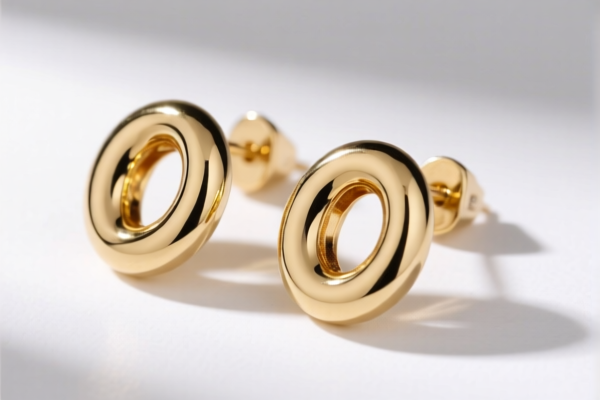
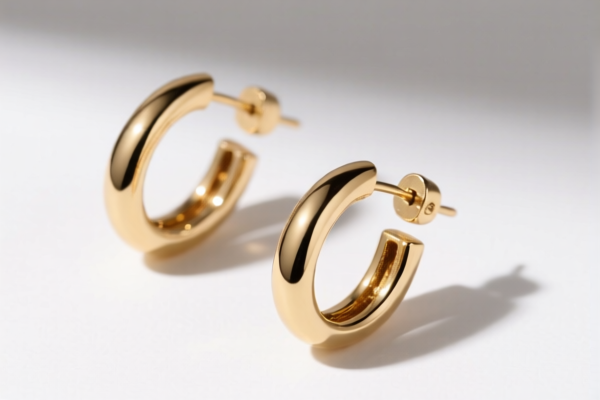
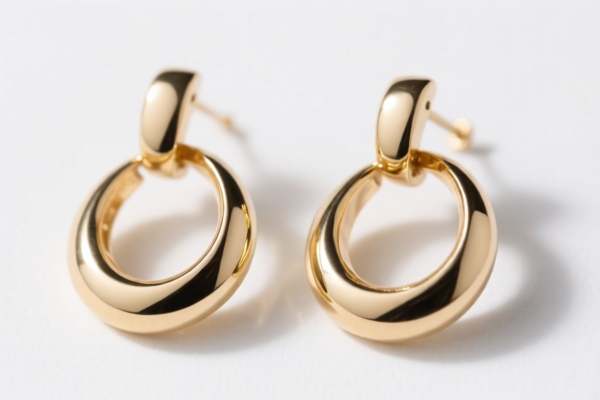
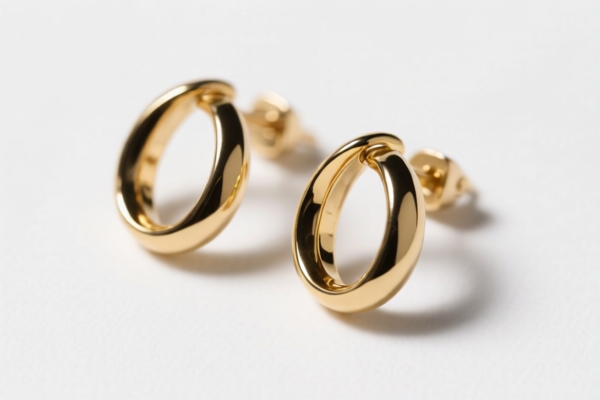
AI Analysis
💍 Imitation Earrings (Fashion Jewelry & Accessories)
🌐 HS Code Reference & Clearance Guide | 2026 Latest Tariff Analysis | Strategic Clearance Strategy
📌 I. Product Definition & Classification: Do You Know What "Imitation Earrings" Really Are?
In international trade, "Imitation Earrings" are not a single standardized commodity. Their classification depends entirely on the material composition and manufacturing process. Misclassification is the most common reason for customs delays or excessive tariffs.
1. Metal-Based Imitation Jewelry: Non-precious metals plated with gold/silver or alloy bases. 2. Synthetic/Plastic Based: Made from acrylic, resin, PVC, or other synthetic polymers. 3. Leather/Synthetic Leather Based: Made from genuine leather alternatives, PU, or regenerated leather.
⚠️ Critical Distinction Point:
- If made of non-precious metal without specific gemstone substitutes → HS 7117.90.90.00
- If made of plastic/synthetic resin → HS 3926.90.40.00 or 3926.90.99.89
- If made of synthetic leather/regenerated leather → HS 4205.00.80.00 or 4205.00.10.00
📦 II. HS Code Classification Details (2026 Latest Tariff Authority Mapping)
| HS Code | Product Description | Applicable Scenario | Material Basis | Total Tax Rate |
|---|---|---|---|---|
7117.90.90.00 |
Imitation jewelry (other than precious metal/stone) | Metal-based fashion earrings, alloy studs, plated jewelry | Non-precious metal/alloy | 28.5% |
3926.90.40.00 |
Articles of plastic resembling jewelry | Plastic resin, acrylic, synthetic gem-style earrings | Synthetic materials (plastic) | 12.8% |
4205.00.80.00 |
Other articles of leather/chamois leather | Earrings made from PU, faux leather, or synthetic leather | Synthetic leather | 35.0% |
4205.00.10.00 |
Other articles of leather (reprocessed) | Earrings made from regenerated/reconstituted leather | Regenerated leather | 35.0% |
3926.90.99.89 |
Other plastic articles (miscellaneous) | Mixed plastic composites, non-specific synthetic earrings | Composite plastics | 22.8% |
🔍 Key Reminder:
- Metal vs. Plastic: Earrings that look like metal but are actually coated plastic often fall under Plastic (Chapter 39) if the metal content is negligible or purely decorative plating on a plastic base. However, standard "imitation jewelry" in Chapter 71 refers to items intended to resemble precious jewelry but made of base metals. - Leather vs. Plastic: "Faux leather" (PU/PVC) is generally classified under Leather Articles (Chapter 42) if it meets the definition of "imitation leather," leading to higher tariffs. Check the specific material tag.
💰 III. 2026 Latest Tariff Rate Breakdown (Including Additional Duties & Policy Surcharges)
✅ Applicable Country: United States (US)
✅ Origin: China (CN)
✅ Effective Time: 2025/2026 Current Trade Policies
🎯 1. 7117.90.90.00 – Imitation Jewelry (Base Metal/Alloy)
| Item | Content |
|---|---|
| Base Tariff | 11.0% |
| Section 301 Additional Duty | 7.5% (Standard Trade War Tariff) |
| Section 122 Tariff | 10.0% (Specific surcharge for this category) |
| Total Tax Rate | 28.5% |
| Calculation | CIF Value × 28.5% |
| De Minimis Exemption | ❌ Not Applicable (High tariff items are excluded) |
| Legal Basis Path | USITC:7117.90.90.00 → Section 301 → Section 122 |
📌 Explanation:
- This is the standard classification for metal-based fashion jewelry. - The 28.5% rate is significant. It includes the base duty, the Section 301 penalty, and the specific Section 122 levy. - Cost Impact: For a $100 shipment, expect $28.50 in duties alone.
🎯 2. 3926.90.40.00 – Plastic Articles Resembling Jewelry
| Item | Content |
|---|---|
| Base Tariff | 2.8% |
| Section 301 Additional Duty | 0.0% (Exempt from standard 301 list in some contexts, or low rate applied) |
| Section 122 Tariff | 10.0% |
| Total Tax Rate | 12.8% |
| Calculation | CIF Value × 12.8% |
| De Minimis Exemption | ❌ Not Applicable |
| Legal Basis Path | USITC:3926.90.40.00 → Section 122 |
📌 Explanation:
- Plastic earrings are cheaper to import regarding duties compared to metal ones. - The 12.8% rate is driven primarily by the Section 122 tariff. - Strategic Advantage: If your design allows for plastic/resin materials, this is the most cost-effective classification.
🎯 3. 4205.00.80.00 / 4205.00.10.00 – Leather/Imitation Leather Articles
| Item | Content |
|---|---|
| Base Tariff | 0.0% |
| Section 301 Additional Duty | 25.0% (High penalty for leather products) |
| Section 122 Tariff | 10.0% |
| Total Tax Rate | 35.0% |
| Calculation | CIF Value × 35.0% |
| De Minimis Exemption | ❌ Not Applicable |
| Legal Basis Path | USITC:4205.00 → Section 301 → Section 122 |
📌 Explanation:
- Leather and imitation leather goods face the highest penalty rate (25%) under Section 301. - Even though the base tariff is 0%, the 35.0% total is the highest among all options. - Warning: "Faux leather" (PU) is often misclassified as plastic. If customs determines it is "imitation leather," the cost jumps to 35%.
🎯 4. 3926.90.99.89 – Other Plastic Articles (Miscellaneous)
| Item | Content |
|---|---|
| Base Tariff | 5.3% |
| Section 301 Additional Duty | 7.5% |
| Section 122 Tariff | 10.0% |
| Total Tax Rate | 22.8% |
| Calculation | CIF Value × 22.8% |
| De Minimis Exemption | ❌ Not Applicable |
| Legal Basis Path | USITC:3926.90.99.89 → Section 301 → Section 122 |
📌 Explanation:
- Used for plastic earrings that do not fit the "resembling jewelry" specific code (3926.90.40.00). - A middle-ground option (22.8%) between standard plastic jewelry and leather.
🛠️ IV. Clearance Practical Advice (Combat Pitfalls Guide)
✅ 1. Documentation Checklist (Mandatory)
| Document | Required? | Purpose |
|---|---|---|
| ✅ Product Specification Sheet | ✔️ | Must detail material composition (e.g., "90% Acrylic, 10% Steel Post") |
| ✅ Material Certificate | ✔️ | Proves if "leather" is actually PU or genuine; crucial for Chapter 39 vs 42 |
| ✅ High-Res Photos | ✔️ | Show texture, clasp type, and packaging to prove it's "imitation" not "precious" |
| ✅ Commercial Invoice | ✔️ | Clearly state "Imitation Earrings" not "Jewelry" (ambiguous) |
| ✅ Bill of Lading | ✔️ | Ensure weight and volume match invoice |
✅ 2. Declaration Strategy (Key Mantra)
🔥 "Material Defines Code, Code Defines Cost!"
| Scenario | Correct Declaration | Wrong Declaration | Consequence |
|---|---|---|---|
| Plastic/Resin Earrings | 3926.90.40.00 (12.8%) |
7117.90.90.00 (28.5%) |
Overpay by 15.7%! |
| Metal Alloy Earrings | 7117.90.90.00 (28.5%) |
3926.90.40.00 (12.8%) |
Customs Penalty & Back Taxes! |
| PU/Faux Leather Earrings | 4205.00.80.00 (35.0%) |
3926.90.99.89 (22.8%) |
Risk of Re-classification & Audit |
| Mixed Material (Metal + Plastic) | Consult HS Guidelines | Guessing | Customs Delay |
📌 Tip: For mixed-material earrings (e.g., plastic bead on a metal post), the essential character determines the code. If the bead is the main value/component, it may still fall under plastic or jewelry depending on design. Consult a customs broker for mixed items.
🌍 V. Global Market Clearance Comparison (2026)
| Country/Region | Recommended HS Code | Estimated Duty (China Origin) | Key Certifications | Notes |
|---|---|---|---|---|
| 🇺🇸 USA | 7117.90.90.00 (Metal) / 3926.90.40.00 (Plastic) |
12.8% - 35.0% | FDA (if cosmetic contact), ASTM F963 (if for children) | Highest tariffs due to 301/122 |
| 🇪🇺 EU | 7117.19 (Base metal) / 3926.90 (Plastic) |
0% - 4.5% | CE Mark, REACH Compliance | No Section 122/301 equivalents |
| 🇨🇦 Canada | 7117.90 / 3926.90 |
5% - 10% | Health Canada (if cosmetic) | CETA benefits may apply |
| 🇬🇧 UK | 7117.90 / 3926.90 |
0% - 6% | UKCA Mark | Post-Brexit rules apply |
| 🇦🇺 Australia | 7117.90 / 3926.90 |
5% | ABE/ACMA (if electronic) | GST 10% applies |
📌 Conclusion:
- USA is the most expensive market due to Section 301 and Section 122 tariffs. - EU/Canada/Australia offer significantly lower duty rates, making them more attractive for high-volume imports. - Strategy: For the US market, optimize material choice towards plastic (3926.90.40.00) to save ~15.7% in duties compared to metal.
📌 VI. Common Errors & Pitfall Avoidance (Lessons Learned)
❌ Error 1: Calling all "Fictional Jewelry" one HS Code
👉 Consequence: If you declare leather earrings as plastic (3926.90.40.00), customs will re-classify and charge 35% + penalties.
❌ Error 2: Ignoring "Section 122"
👉 Consequence: Many brokers only quote "Base + Section 301." If Section 122 (10%) is not added, your cost estimation is wrong by 10%.
❌ Error 3: Mislabeling "Imitation" as "Precious"
👉 Consequence: If you declare as "Gold Plated Jewelry" (Chapter 71 specific subheadings), you may face anti-dumping duties or higher scrutiny. Always clarify "Base Metal" or "Alloy."
❌ Error 4: Not distinguishing "Leather" vs "Plastic" for Faux Leather
👉 Consequence: PU leather is Chapter 42 (35% tax), not Chapter 39 (12.8% tax). Material test results are critical.
✅ Correct Practice:
"Earrings, Imitation, Plastic Resin Beads on Steel Posts, Model XYZ, Non-Precious Metal"
🎯 VII. Conclusion: Precision Classification Saves Money!
🎯 Remember the Mantra:
🔹 "Plastic is Cheapest (12.8%), Metal is Mid (28.5%), Leather is Priciest (35%)."
🔹 "Check the Material Tag First, Then Choose the Code."
🔹 "Section 122 is Always 10% on these items – Don't Forget It!"
📌 Pro Tip:
- For US Imports: Consider sourcing Plastic/Resin earrings (3926.90.40.00) to minimize duty costs.
- For Mixed Materials: Request a Binding Ruling from CBP before shipping to avoid surprise audits.
- Always include "Material Composition" in your packing list and invoice.
📣 Immediate Action:
📞 Verify Material → 📝 Select Correct HS Code → 📊 Calculate Total Landed Cost (Base + 301 + 122)
🚀 Clear Customs Smoothly, Maximize Margins!
✨ Professional Clearance Starts with Accurate Classification!
💼 Your Cost Efficiency Depends on This Detail!
Customer Reviews
About HS Code Classification
The Harmonized System (HS) is an internationally standardized nomenclature developed by the World Customs Organization (WCO) to classify traded products. Over 200 countries use the HS system as the basis for customs tariffs, trade statistics, and import/export regulations.
Each HS code follows a hierarchical structure:
- Chapter (2 digits) — Broad category of goods (e.g., Chapter 84: Machinery and Mechanical Appliances)
- Heading (4 digits) — More specific grouping within the chapter
- Subheading (6 digits) — Internationally standardized breakdown, used by all WCO member countries
- National subdivisions (8-10 digits) — Country-specific extensions for further classification, such as US HTSUS 10-digit codes
Correct HS code classification is essential for smooth customs clearance, accurate duty payment, and compliance with trade regulations. Misclassification can lead to customs delays, overpayment of duties, or penalties.
When importing from CN to US, the applicable tariff rates may include:
- Most-Favored-Nation (MFN) rate — The standard duty rate applied to WTO members
- General rate — Applied to countries without trade agreements
- Trade remedy duties — Additional tariffs such as Section 301 (anti-dumping), Section 232 (national security), or countervailing duties
The information provided on this page is for reference purposes only. For official classification, please consult with your local customs authority or a licensed customs broker.