impregnated coated/faced fabric under 1 square meter
CN → US| HS Code | Tariff Rate | Origin | Destination | Doc |
|---|---|---|---|---|
| 5911102000 | 38.8% | CN | US | Official Doc |
| 5903102010 | 35.0% | CN | US | Official Doc |
| 5903102090 | 35.0% | CN | US | Official Doc |
Product Images
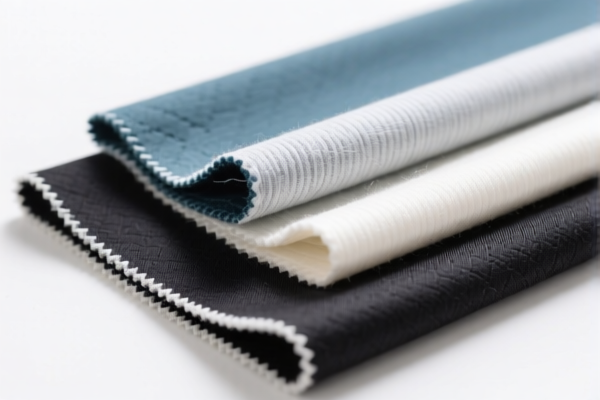
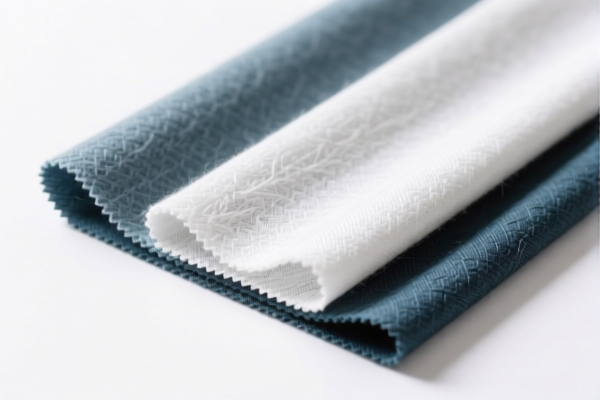
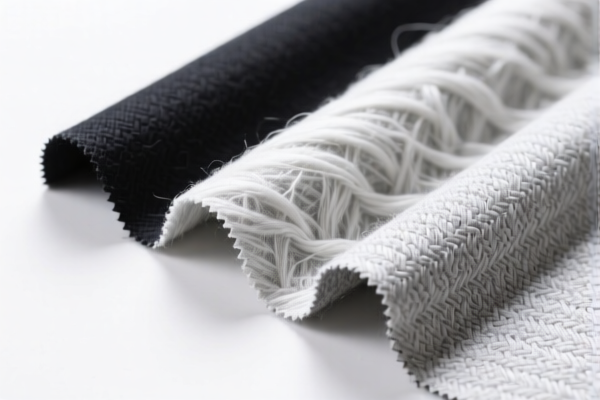
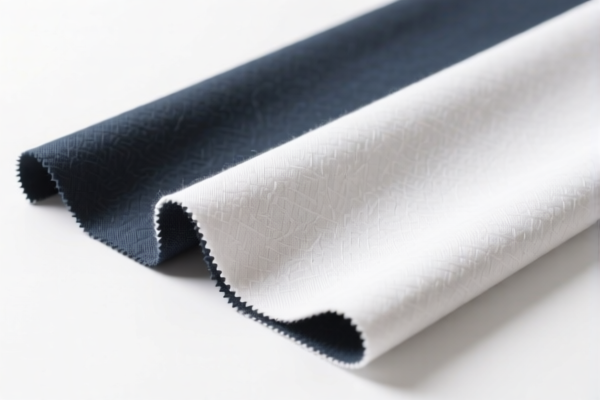
AI Analysis
🏭 Industrial Textile Fabrics (Impregnated/Coated) < 1 m²
🌐 HS Code Reference & Customs Clearance Guide | 2026 Latest Tariff Analysis | Professional Clearance Strategy
📌 I. Product Definition & Classification: What Exactly Is "Impregnated Coated Fabric"?
Textile products designed for technical uses are strictly regulated under Chapter 59 of the Harmonized System. Specifically, fabrics that are impregnated, coated, covered, or laminated with rubber, leather, or other materials fall under Note 8 to Chapter 59.
When the product is under 1 square meter, it is typically classified as "Narrow Fabrics" or small-sized technical textiles. The key determinant for classification is the intended technical application, not just the size.
Two Main Categories in Chapter 59:
- Card Clothing & Technical Fabrics (HS 5911.10): Fabrics used for carding machinery, weaving spindles, or similar technical purposes. This includes velvet impregnated with rubber for covering weaving beams.
- Other Technical Textiles (HS 5911.90+): Fabrics used for filtering, sieving, or other industrial purposes not specified in 5911.10.
⚠️ Key Distinction:
- If the fabric is velvet-like and used for carding or weaving beams → HS 5911.10
- If it is for filtering, sieving, or general industrial use → HS 5911.90 (not covered in )
- Size Note: Pieces < 1 m² are still classified under their technical function. Do not misclassify as "rag" or "waste" unless defective.
📦 II. HS Code Classification Details (2026 Latest Tariff Authority)
Based on the provided , the only relevant HS Code is:
| HS Code | Product Description | Technical Use | Rubber/Lamination Type |
|---|---|---|---|
5911.10.10.00 |
Card clothing fabrics; similar technical fabrics | Carding machines, weaving spindles | Coated with rubber, leather, or other material |
5911.10.20.00 |
Printers' rubberized blankets | Textile printing presses | Rubberized textile fabric |
🔍 Critical Note:
-5911.10.10.00covers card clothing and fabrics for weaving beams (e.g., narrow velvet fabric impregnated with rubber).
-5911.10.20.00covers printers' rubberized blankets (used in textile printing).
- If your product is neither card clothing nor printer’s blanket, it may fall under 5911.90 (not in ), but for the scope of this guide, we focus on the provided codes.
💰 III. 2026 Latest Tariff Rate Details (Detailed Breakdown)
✅ Applicable Countries: United States (US)
✅ Origin: China (CN)
✅ Effective Time: Current (2026)
🎯 1. 5911.10.10.00 — Card Clothing & Technical Fabrics
| Item | Content |
|---|---|
| Base Tariff | 0.0% |
| Additional Tariff (Section 301) | 0.0% |
| Total Tax Rate | 0.0% |
| Tax Calculation | CIF Value × 0% = $0 |
| De Minimis Eligibility | ✅ Yes (if value < $800 for US citizens, otherwise standard clearance) |
| Legal Basis | HTSUS 5911.10.10.00 |
📌 Explanation:
- Base Tariff: 0% under the Harmonized Tariff Schedule of the United States (HTSUS).
- Additional Tariff: 0% for this specific subheading under Section 301 tariffs (as per ).
- Total Cost: No tariff payable. This is a zero-duty item for US imports from China.
🎯 2. 5911.10.20.00 — Printers' Rubberized Blankets
| Item | Content |
|---|---|
| Base Tariff | 0.0% |
| Additional Tariff (Section 301) | 0.0% |
| Total Tax Rate | 0.0% |
| Tax Calculation | CIF Value × 0% = $0 |
| De Minimis Eligibility | ✅ Yes (if value < $800) |
| Legal Basis | HTSUS 5911.10.20.00 |
📌 Explanation:
- Same as above: 0% base + 0% additional = 0% total tax.
- These are specialized industrial items with no punitive tariffs.
🛠️ IV. Customs Clearance Practical Advice (Real-World Pitfall Avoidance)
✅ 1. Required Documentation Checklist
| Document | Mandatory | Notes |
|---|---|---|
| ✅ Commercial Invoice | ✔️ | Must clearly state: "Textile fabric impregnated with rubber for technical use" |
| ✅ Packing List | ✔️ | Specify dimensions, weight, and quantity |
| ✅ Product Specification Sheet | ✔️ | Describe material composition (e.g., velvet, polyester, rubber coating thickness) |
| ✅ Statement of Use | ✔️ | Confirm technical application (e.g., "for carding machine" or "printer’s blanket") |
| ✅ Photos of Product | ✔️ | Show texture, coating, and any labels |
✅ 2. Declaration Best Practices
🔥 "Be Specific, Not Generic!"
| Scenario | Correct Declaration | Incorrect Declaration |
|---|---|---|
| Velvet fabric with rubber coating | "Narrow textile fabric, velvet, impregnated with rubber, for weaving beam covering" | "Fabric for industrial use" (Too vague → Risk of misclassification) |
| Printer’s rubberized blanket | "Printers’ rubberized blanket, textile-based, for textile printing machines" | "Rubber mat" (Wrong category → May trigger different duties) |
| Sample < 1 m² | "Sample of technical textile fabric for carding use" | "Cloth sample" (Insufficient detail → May delay clearance) |
✅ 3. Special Considerations
| Situation | Handling Advice |
|---|---|
| Mixed shipments | If the shipment contains both card clothing and non-technical fabrics, separate them in the invoice. |
| Small pieces (< 1 m²) | Clearly state "Narrow Fabric" or "Small Technical Textile" to avoid classification as "rag" or "waste." |
| Customs Inspection | Be prepared to provide material test reports confirming rubber impregnation. |
🌍 V. Global Market Comparison (2026 Latest)
| Country/Region | Recommended HS Code | Tariff Rate | Certification | Remarks |
|---|---|---|---|---|
| 🇺🇸 United States | 5911.10.10.00 / 5911.10.20.00 |
0% | None specific | Zero duty |
| 🇨🇳 China | 5911.10.10.00 / 5911.10.20.00 |
0% | None specific | Zero duty |
| 🇪🇺 European Union | 5911.10.10.00 / 5911.10.20.00 |
0% | REACH Compliance | Check for chemical restrictions (rubber additives) |
| 🇬🇧 United Kingdom | 5911.10.10.00 / 5911.10.20.00 |
0% | UKCA | Post-Brexit rules apply |
| 🇯🇵 Japan | 5911.10.10.00 / 5911.10.20.00 |
0% | JIS | No specific restrictions |
📌 Conclusion:
- Zero Duty in all major markets for these specific HS Codes.
- Focus on correct classification to avoid delays, not on tariff savings.
📌 VI. Common Mistakes & Pitfalls (Lessons Learned)
❌ Mistake 1: Declaring as "Rubber Products"
👉 Consequence: Misclassification → May face higher duties or inspections.
❌ Mistake 2: Declaring as "Textile Articles, Not Elsewhere Specified"
👉 Consequence: Incorrect HS Code → Potential penalties or audits.
❌ Mistake 3: Ignoring "Technical Use"
👉 Consequence: If not declared as technical, customs may classify under general textiles (higher duty).
✅ Correct Approach:
"Textile Fabric, Impregnated with Rubber, for Technical Use (Carding/Printing)"
Clearly link to Chapter 59 Note 8 and HTSUS 5911.
🎯 VII. Conclusion: Precision in Classification, Zero Duty Advantage
🎯 Key Takeaways:
🔹 HS 5911.10.10.00 & 5911.10.20.00 are 0% duty items.
🔹 Correct technical description is critical to avoid misclassification.
🔹 Small pieces (< 1 m²) are still subject to technical use classification.
📌 Pro Tip:
If your product does not fit card clothing or printer’s blankets, it may fall under 5911.90. Consult a customs broker for alternative classification.
📣 Immediate Action:
📞 Confirm technical use with your supplier.
📄 Ensure invoice clearly states "Technical Textile Fabric" and specific use.
🚀 Enjoy zero-duty clearance with accurate documentation!
✨ Professional Clearance Starts with Accurate Classification!
💼 Every detail counts in global trade!
Customer Reviews
About HS Code Classification
The Harmonized System (HS) is an internationally standardized nomenclature developed by the World Customs Organization (WCO) to classify traded products. Over 200 countries use the HS system as the basis for customs tariffs, trade statistics, and import/export regulations.
Each HS code follows a hierarchical structure:
- Chapter (2 digits) — Broad category of goods (e.g., Chapter 84: Machinery and Mechanical Appliances)
- Heading (4 digits) — More specific grouping within the chapter
- Subheading (6 digits) — Internationally standardized breakdown, used by all WCO member countries
- National subdivisions (8-10 digits) — Country-specific extensions for further classification, such as US HTSUS 10-digit codes
Correct HS code classification is essential for smooth customs clearance, accurate duty payment, and compliance with trade regulations. Misclassification can lead to customs delays, overpayment of duties, or penalties.
When importing from CN to US, the applicable tariff rates may include:
- Most-Favored-Nation (MFN) rate — The standard duty rate applied to WTO members
- General rate — Applied to countries without trade agreements
- Trade remedy duties — Additional tariffs such as Section 301 (anti-dumping), Section 232 (national security), or countervailing duties
The information provided on this page is for reference purposes only. For official classification, please consult with your local customs authority or a licensed customs broker.