impregnated/laminated fabric
CN → US| HS Code | Tariff Rate | Origin | Destination | Doc |
|---|---|---|---|---|
| 5906913000 | 37.7% | CN | US | Official Doc |
| 5907001500 | 43.0% | CN | US | Official Doc |
| 5903902500 | 42.5% | CN | US | Official Doc |
| 5906993000 | 38.3% | CN | US | Official Doc |
| 5907003500 | 43.0% | CN | US | Official Doc |
| 5903102090 | 35.0% | CN | US | Official Doc |
Product Images
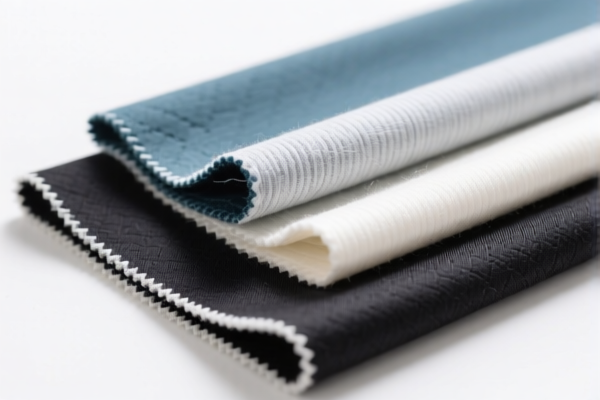
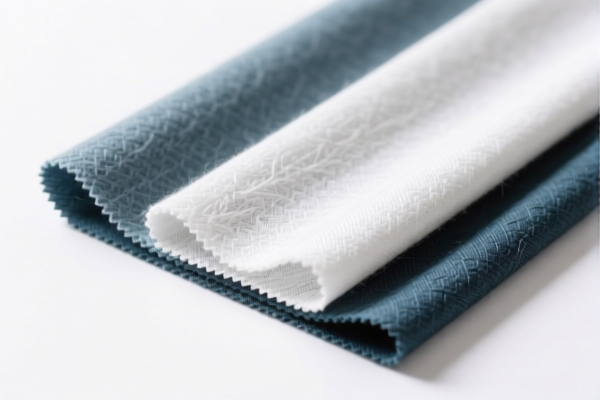
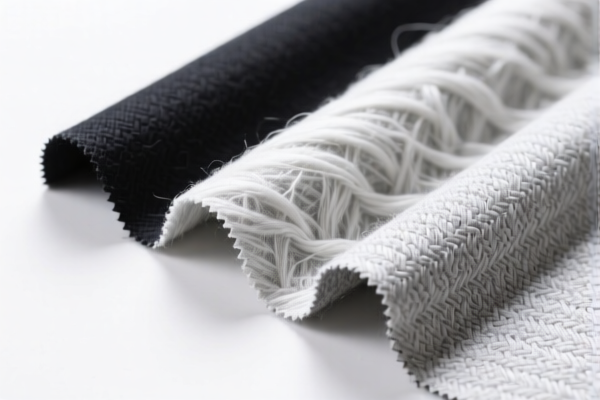
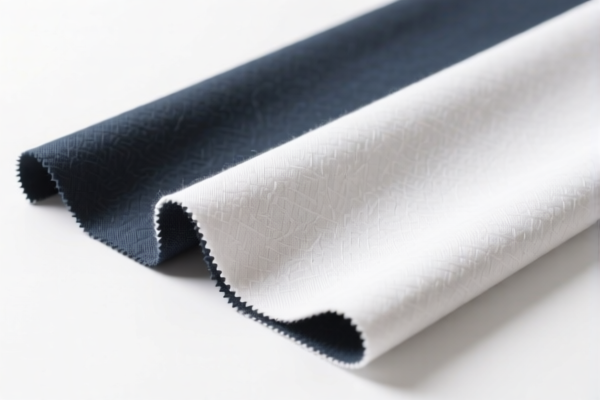
AI Analysis
🧵 Impregnated & Laminated Fabrics: The HS Code Puzzle
🌐 HS Code Reference & Customs Clearance Guide | 2024/2025 Tariff Analysis | Expert Classification Strategy
📌 I. Product Definition: What Are "Impregnated Fabrics"?
Impregnated and laminated fabrics are textile materials treated with chemical substances (impregnation) or covered with plastic/rubber layers (lamination/coating) to enhance properties like water resistance, fire retardancy, strength, or aesthetic appeal.
In international trade, these materials are highly sensitive to classification errors because small differences in material composition (e.g., cotton vs. synthetic) and treatment type (rubber vs. plastic) lead to drastically different HS codes and huge tax differences.
⚠️ Key Classification Triggers:
- Material Base: Is it natural fiber (cotton/wool) or man-made/synthetic fiber?
- Treatment Type: Is it impregnated with rubber, plastic, or other chemicals?
- Form: Is it in rolls, cut pieces, or made into specific articles?
📦 II. HS Code Classification Matrix (2024/2025 Authorized Tariff Data)
Based on the provided dataset, here are the 6 possible classifications for Impregnated/Laminated Fabrics. Note that these codes reflect a mix of potential classifications based on varying material attributes.
| HS Code | Summary Description | Total Tax Rate | Tax Breakdown | Key Characteristics |
|---|---|---|---|---|
5906.91.30.00 |
Impregnated Fabric, Rubberized, Matched by Coating/Reinforcement | 37.7% | Base: 2.7% Section 301: 25.0% Section 122: 10% |
Likely rubber-based impregnation; inferred from other categories; specific coating/matching features. |
5907.00.15.00 |
Impregnated Fabric, Synthetic/Other Fiber Match | 43.0% | Base: 8.0% Section 301: 25.0% Section 122: 10% |
"Impregnation" explicitly named in code; default assumption of synthetic/man-made fiber form. |
5903.90.25.00 |
Impregnated Fabric, Full Form Match, No Material Conflict | 42.5% | Base: 7.5% Section 301: 25.0% Section 122: 10% |
Form and classification fully consistent; base on general judgment of material type (likely plastic-coated). |
5906.99.30.00 |
Impregnated Fabric, Rubberized Textile, Chemically Treated | 38.3% | Base: 3.3% Section 301: 25.0% Section 122: 10% |
Fits rubberized textile fabric characteristics; chemically impregnated with rubber-like substances. |
5907.00.35.00 |
Impregnated Fabric, Material/Form Consistent | 43.0% | Base: 8.0% Section 301: 25.0% Section 122: 10% |
Material and form completely match the classification description; likely synthetic-based impregnation. |
5903.10.20.90 |
Impregnated Fabric, Other Type, Form Match | 35.0% | Base: 0.0% Section 301: 25.0% Section 122: 10% |
Form matches; common sense judgment applied to "other types" (likely low-base plastic-coated fabric with no special material conflict). |
🔍 Critical Insight:
- Lowest Tax Rate:5903.10.20.90at 35.0% (Base 0%).
- Highest Tax Rate:5907.00.15.00&5907.00.35.00at 43.0% (Base 8%).
- Difference: A 8% gap in total duty can mean thousands of dollars in savings for large shipments.
- Common Factor: All codes include Section 301 (25%) and Section 122 (10%) surcharges, indicating origin from China and import into the United States.
💰 III. Detailed Tariff Breakdown (2024/2025 US Import Regulations)
✅ Applicable Country: United States (US)
✅ Origin: China (CN)
✅ Effective Date: Current tariff regime (Section 301 & 122 remain active)
🎯 1. Why the Tax Difference? The Role of "Base Duty"
The total tax is calculated as:
Total Duty = (Base Duty + Section 301 Duty + Section 122 Duty) × CIF Value
| HS Code Group | Base Duty | Section 301 (USITC) | Section 122 (USTR) | Total Effective Rate | Typical Material Profile |
|---|---|---|---|---|---|
| 5906 Series (Rubberized) | 2.7% – 3.3% | 25.0% | 10.0% | 37.7% – 38.3% | Rubber-impregnated textiles (e.g., raincoat material, conveyor belts). |
| 5907 Series (Impregnated Synthetic) | 8.0% | 25.0% | 10.0% | 43.0% | Chemical/Plastic impregnation on synthetic fibers (e.g., technical textiles). |
| 5903 Series (Plastic-Coated) | 0.0% – 7.5% | 25.0% | 10.0% | 35.0% – 42.5% | Plastic-coated fabrics (e.g., PVC/PU coated materials). |
📌 Explanation:
- Section 301 (25%): Imposed on thousands of Chinese goods under Trade Act Section 301.
- Section 122 (10%): Additional tariff on Chinese imports targeting specific strategic goods.
- Base Duty Variation: Depends on the exact material (rubber vs. plastic vs. synthetic fiber) and processing method.
- No De Minimis Exemption: All these goods are subject to de minimis denial for China-origin items.
🛠️ IV. Customs Clearance Practical Advice (Avoiding Pitfalls)
✅ 1. Required Documentation Checklist
| Document | Mandatory? | Purpose |
|---|---|---|
| Product Specification Sheet | ✅ Yes | Must detail: Fiber content (% cotton/polyester/etc.), coating/impregnation type (rubber/PVC/PU), thickness, weight. |
| Chemical Composition Report | ✅ Yes | To determine if impregnation is "rubber" (5906) or "plastic/other" (5903/5907). |
| Product Photos (Raw & Finished) | ✅ Yes | Show texture, cross-section, and coating uniformity. |
| Commercial Invoice | ✅ Yes | Must clearly state: "Impregnated Fabric," "Coated Textile," or "Laminated Fabric," plus CIF value. |
| Packing List | ✅ Yes | Specify roll dimensions, weight, and packaging type. |
| Certificate of Origin | ✅ Yes | Confirm Chinese origin to apply correct Section 301/122 rates. |
| Third-Party Test Report | ✅ Recommended | ASTM/ISO tests for coating adhesion, chemical composition, and flammability. |
✅ 2. Declaration Tips (Key Mnemonic)
🔥 "Rubber is 5906, Plastic is 5903/5907, Base Rate Decides Fate!"
| Scenario | Correct HS Code | Incorrect Classification | Consequence |
|---|---|---|---|
| Rubber-impregnated fabric (e.g., raincoat, hose) | 5906.91.30.00 or 5906.99.30.00 |
Misclassified as 5903 |
Overpayment of ~3.5% tax |
| Plastic-coated fabric (e.g., tarpaulin, PVC sheet) | 5903.90.25.00 or 5903.10.20.90 |
Misclassified as 5906 |
Overpayment of ~3.5–5% tax |
| Synthetic fiber impregnated (e.g., technical textile) | 5907.00.15.00 or 5907.00.35.00 |
Misclassified as 5903 |
Overpayment of ~0.5–9.5% tax |
| Mixed materials (e.g., fabric + foam + plastic) | Case-by-case (often 5906 or 5903) |
Split declaration | Delay + Penalties |
✅ 3. Special Cases & Solutions
| Situation | Handling Advice |
|---|---|
| Multi-layer Laminated Fabric | If layers are inseparable, classify based on the primary function or most significant material. |
| Sample vs. Bulk | Samples for R&D may qualify for temporary admission, but not de minimis exemption for China-origin goods. |
| OEM Custom Fabric | Provide customer design specs + material test reports to justify specific HS code. |
| New Material (e.g., Graphene-coated) | Apply for Advance Ruling (PAR) before shipment to avoid classification disputes. |
🌍 V. Global Market Comparison (2024/2025)
| Market | Recommended HS Code (Example) | Base Duty | Section 301/122? | Total Tax (China Origin) | Notes |
|---|---|---|---|---|---|
| 🇺🇸 United States | 5903.10.20.90 (Low Base) |
0% | ✅ Yes (35%) | 35.0% | Highest risk of misclassification due to complex coating types. |
| 🇺🇸 United States | 5907.00.15.00 (High Base) |
8% | ✅ Yes (43%) | 43.0% | Synthetic-based impregnation attracts highest duty. |
| 🇪🇺 European Union | 5903.20 or 5906.10 |
0% – 4% | ❌ No | 0% – 14% | No Section 301/122; simpler classification. |
| 🇨🇳 China (Import) | 5903.90 or 5906.91 |
0% – 7% | ❌ No | 0% – 17% | Lower duties; focus on material composition. |
| 🇦🇺 Australia | 5903.20 |
5% | ❌ No | 5% – 10% | FTA benefits may apply if originating from partner countries. |
📌 Conclusion:
- The US is the most complex and expensive market due to Section 301/122 surcharges.
- EU and China offer simpler, lower-tax pathways if you can adjust your supply chain or material sourcing.
- Strategic Recommendation: For US exports, optimize material composition to qualify for 5903.10.20.90 (35%) instead of 5907 series (43%) if technically feasible.
📌 VI. Common Mistakes & Blood Lessons
❌ Mistake 1: Using generic terms like "Fabric" or "Textile" in the invoice
👉 Result: Customs delays, reclassification, and potential penalties.
✅ Fix: Use precise terms: "PVC-Coated Polyester Fabric," "Rubber-Impregnated Cotton Textile."
❌ Mistake 2: Assuming all "impregnated" fabrics are the same
👉 Result: Misclassification between 5906 (rubber) and 5903/5907 (plastic/synthetic), leading to 8% tax discrepancy.
✅ Fix: Obtain a chemical composition report to determine the impregnation agent.
❌ Mistake 3: Ignoring Section 122 (10%) surcharge
👉 Result: Underpayment of duties, leading to back taxes + interest upon audit.
✅ Fix: Always calculate total duty including Base + 301 + 122.
❌ Mistake 4: Splitting multi-layer fabric into separate components
👉 Result: If layers are inseparable, they must be declared as one composite good, not multiple items.
✅ Fix: Declare as a single HS code based on the essential character of the product.
🎯 VII. Conclusion: Precision Classification Saves Money!
🎯 Remember the Mnemonic:
🔹 "Rubber = 5906 (37-38%), Plastic = 5903 (35-42%), Synthetic = 5907 (43%). Base Rate is King!"
🔹 "HS Code Determines Fate, 8% Difference Means Thousands Saved!"
🔹 "De Minimis Denial for China, Always Declare Total Value!"
📌 Pro Tip:
If your fabric is originally from Vietnam, Mexico, or Malaysia, you may be eligible for Section 301/122 exemptions under FTA rules.
Recommendation: Apply for an Advance Ruling (PAR) with US Customs (CBP) before shipment to lock in your HS code and duty rate.
📣 Take Action Now:
📞 Contact a Professional Customs Broker + Provide Product Photos + Request HS Code Pre-Ruling
🚀 Ensure Smooth Customs Clearance, Efficient Export, and Maximized Profit!
✨ Professional Clearance Starts with Accurate Classification!
💼 Every Dollar of Duty Should Be Precisely Calculated!
Customer Reviews
About HS Code Classification
The Harmonized System (HS) is an internationally standardized nomenclature developed by the World Customs Organization (WCO) to classify traded products. Over 200 countries use the HS system as the basis for customs tariffs, trade statistics, and import/export regulations.
Each HS code follows a hierarchical structure:
- Chapter (2 digits) — Broad category of goods (e.g., Chapter 84: Machinery and Mechanical Appliances)
- Heading (4 digits) — More specific grouping within the chapter
- Subheading (6 digits) — Internationally standardized breakdown, used by all WCO member countries
- National subdivisions (8-10 digits) — Country-specific extensions for further classification, such as US HTSUS 10-digit codes
Correct HS code classification is essential for smooth customs clearance, accurate duty payment, and compliance with trade regulations. Misclassification can lead to customs delays, overpayment of duties, or penalties.
When importing from CN to US, the applicable tariff rates may include:
- Most-Favored-Nation (MFN) rate — The standard duty rate applied to WTO members
- General rate — Applied to countries without trade agreements
- Trade remedy duties — Additional tariffs such as Section 301 (anti-dumping), Section 232 (national security), or countervailing duties
The information provided on this page is for reference purposes only. For official classification, please consult with your local customs authority or a licensed customs broker.