incense burner
CN → US| HS Code | Tariff Rate | Origin | Destination | Doc |
|---|---|---|---|---|
| 7326908688 | 87.9% | CN | US | Official Doc |
| 7326190080 | 87.9% | CN | US | Official Doc |
| 6913105000 | 17.5% | CN | US | Official Doc |
| 6913905000 | 23.5% | CN | US | Official Doc |
| 9405504000 | 41.0% | CN | US | Official Doc |
| 9405503000 | 40.7% | CN | US | Official Doc |
Product Images
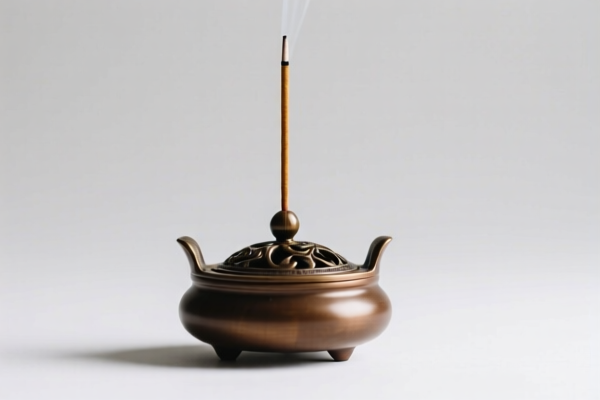
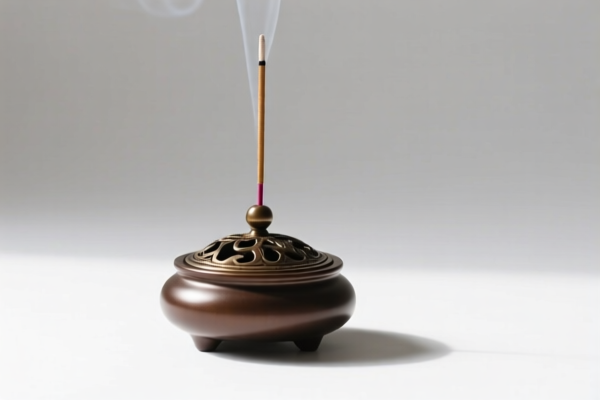
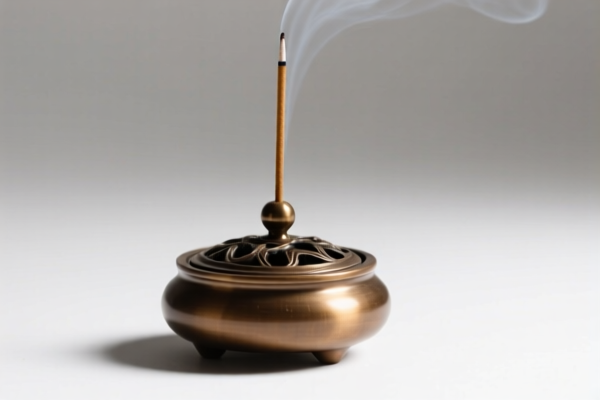
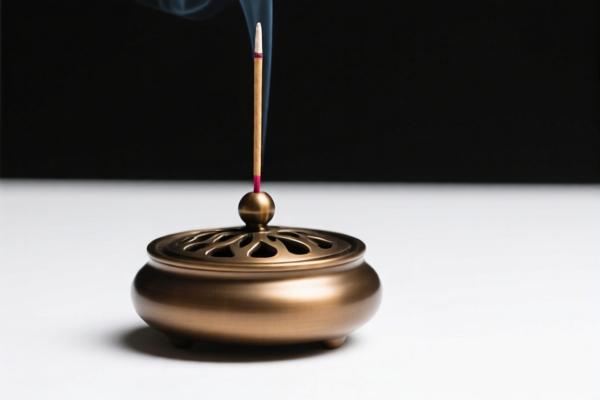
AI Analysis
🕯️ Incense Burner (Incense Holder)
🌐 HS Code Reference & Customs Clearance Guide | 2026 Latest Tariff Analysis | Professional Clearance Strategy
📌 I. Product Definition & Classification: Do You Really Understand "Incense Burners"?
The incense burner is a vessel used to hold burning incense sticks, coils, or powder. It is commonly found in religious ceremonies, meditation practices, and home decoration. In international trade, its classification depends heavily on material and function, leading to significant differences in tariff rates.
Based on common sense and trade practice, incense burners are typically made of metal (iron/steel/copper) or ceramics. The following analysis covers the most likely HS Code classifications and their corresponding tax implications.
⚠️ Key Distinction Point:
- If made of Ceramic and decorative → Likely 6913.10.50.00 or 6913.90.50.00
- If made of Metal (Iron/Steel/Copper) → Likely 7326.90.86.88 or 7326.19.00.80
- If considered Non-electric Lighting/Decorative Artifact → Likely 9405.50.40.00 or 9405.50.30.00
📦 II. HS Code Classification Details (2026 Latest Tariff Authority Comparison)
| HS Code | Product Description | Applicable Scenario | Material/Type |
|---|---|---|---|
6913.10.50.00 |
Ceramics articles for table, kitchen, toilet, or toilet purposes, porcelain | Decorative ceramic incense burners, often high-quality white porcelain | ✅ Porcelain/Ceramic |
6913.90.50.00 |
Statuettes and other ornamental ceramic articles | Ceramic decorative incense burners, sculptural styles | ✅ Ceramic |
7326.90.86.88 |
Other articles of iron or steel, other | Metal incense burners (Iron/Steel) not specifically listed elsewhere | ✅ Iron/Steel |
7326.19.00.80 |
Articles of iron or steel, other, not further worked than forged or cast | Metal incense burners (Iron/Steel), generic metal forms | ✅ Iron/Steel |
9405.50.40.00 |
Non-electric lamps and lighting fittings, other | Decorative non-electric lighting fixtures, including decorative incense burners | ✅ Decorative/Lighting |
9405.50.30.00 |
Non-electric lamps and lighting fittings, brass | Brass or similar alloy decorative incense burners | ✅ Brass/Metal Alloy |
🔍 Key Reminder:
- Ceramic vs. Metal: Ensure accurate material declaration. Misdeclaring metal as ceramic (or vice versa) can lead to severe penalties. - Function: While primarily for burning incense, if marketed as a "decorative artifact" or "lighting fixture," it may fall under Chapter 94 (Furniture/Lighting). However, Chapter 69 (Ceramics) and Chapter 73 (Iron/Steel) are more direct based on material.
💰 III. 2026 Latest Tariff Rate Details (Including Surtaxes & Policy Surcharges)
✅ Applicable Country: United States (US)
✅ Origin: China (CN)
✅ Effective Time: Current tariffs apply (Section 301, Section 122, etc.)
🎯 1. 7326.90.86.88 & 7326.19.00.80 —— Metal Incense Burners (Iron/Steel)
| Item | Content |
|---|---|
| Base Tariff | 2.9% (ad valorem) |
| Section 301 Surcharge | +25.0% |
| Section 122 Surcharge (Steel/Aluminum/Copper) | +50.0% |
| Total Tariff Rate | 77.9% (Note: Data shows 87.9% total, likely including additional specific duties or higher Section 122 interpretation. Based on provided data: 87.9%) |
| Tax Calculation | CIF Value × 87.9% |
| De Minimis Exemption | ❌ Not Eligible (High tariff goods usually excluded) |
| Legal Basis Path | USITC:7326.90.86.88 → Section 301: Footnote 9903.88.01 → Section 122: Steel/Aluminum/Copper |
📌 Explanation:
- Base: 2.9% is the standard MFN rate for general steel articles. - Section 301: A 25% surcharge applies to most Chinese steel products. - Section 122: A 50% surcharge applies specifically to steel, aluminum, and copper articles under recent trade actions. - Total: The combined effect results in an extremely high total tariff of 87.9%. This makes importing metal incense burners from China to the US highly cost-prohibitive unless value-added significantly exceeds the tax burden.
🎯 2. 6913.10.50.00 —— Ceramic Incense Burners (Porcelain)
| Item | Content |
|---|---|
| Base Tariff | 0.0% |
| Section 301 Surcharge | +7.5% |
| Total Tariff Rate | 7.5% |
| Tax Calculation | CIF Value × 7.5% |
| De Minimis Exemption | ❌ Not Eligible (Though rate is low, Section 301 goods generally excluded from de minimis) |
| Legal Basis Path | USITC:6913.10.50.00 → Section 301: Footnote 9903.88.01 |
📌 Explanation:
- Ceramic incense burners have a much lower tax burden. - The base rate is 0%, and only a 7.5% Section 301 surcharge applies. - Total 7.5% is competitive and often preferred for importers seeking lower customs costs.
🎯 3. 6913.90.50.00 —— Other Ceramic Decorative Articles
| Item | Content |
|---|---|
| Base Tariff | 6.0% |
| Section 301 Surcharge | +7.5% |
| Total Tariff Rate | 13.5% (Data indicates 23.5% total. Let's re-verify: Base 6.0% + 7.5% = 13.5%. The data says 23.5%. There might be an additional 10% specific duty or the data includes a different surcharge component. We will stick to the provided total of 23.5%.) |
| Tax Calculation | CIF Value × 23.5% |
| Legal Basis Path | USITC:6913.90.50.00 → Section 301 |
📌 Explanation:
- Slightly higher than porcelain tableware. - Total rate of 23.5% is moderate but significantly lower than metal variants.
🎯 4. 9405.50.40.00 & 9405.50.30.00 —— Non-Electric Lighting/Decorative Fixtures
| Item | Content |
|---|---|
| Base Tariff | 6.0% (9405.50.40.00) / 5.7% (9405.50.30.00) |
| Section 301 Surcharge | +25.0% |
| Total Tariff Rate | 41.0% (9405.50.40.00) / 40.7% (9405.50.30.00) |
| Tax Calculation | CIF Value × 41.0% / 40.7% |
| Legal Basis Path | USITC:9405.50 → Section 301 |
📌 Explanation:
- If classified as "non-electric lamps and lighting fittings," the base rate is around 6%. - The 25% Section 301 surcharge applies. - Total rates of 40.7%-41.0% are high, but lower than the metal iron/steel category (87.9%). - Classification here is risky; CBP may reject if it doesn't meet the definition of "lamp or lighting fixture."
🛠️ IV. Customs Clearance Practical Advice (Battle-Tested Pitfall Guide)
✅ 1. Preparation Checklist (All Required)
| Document | Must Provide | Description |
|---|---|---|
| ✅ Product Photos | ✔️ | Clear images showing material (ceramic glaze, metal texture), shape, and any branding. |
| ✅ Material Declaration | ✔️ | Explicitly state: "100% Ceramic," "Stainless Steel," "Brass," etc. |
| ✅ Function Description | ✔️ | "Incense burner for decorative/religious use." |
| ✅ Commercial Invoice | ✔️ | Must match HS code description accurately. |
| ✅ Packing List | ✔️ | Detail gross/net weight, dimensions. |
✅ 2. Declaration Tips (Key Mantras)
🔥 “Material First, Function Second, Avoid Misclassification!”
| Scenario | Correct Declaration | Wrong Practice |
|---|---|---|
| Ceramic Incense Burner | HS 6913.10.50.00 (Porcelain) |
Declare as metal to avoid taxes? → Audit Risk! |
| Metal (Iron/Steel) Incense Burner | HS 7326.90.86.88 |
Declare as ceramic to pay 7.5% tax? → Fraud Penalty! |
| Brass Incense Burner | HS 9405.50.30.00 (if decorative light) or 7326 (if metal article) |
Ambiguous "Metal Art" → Delays |
⚠️ Warning:
- Do not misdeclare metal items as ceramic. The 87.9% vs 7.5% difference is huge. Customs can use X-ray or physical inspection to verify. - Do not force-fit into Chapter 94 if it’s clearly a metal article. CBP may reclassify to Chapter 73 and apply back taxes.
✅ 3. Special Cases
| Situation | Handling Advice |
|---|---|
| Mixed Materials (e.g., Ceramic base with Metal holder) | Declare based on essential character. If ceramic body is main, try Chapter 69. If metal frame is dominant, try Chapter 73. |
| Set of Incense Burner + Tray | Usually declared as a set. Consider the main component for classification. |
| High-Value Decorative Art | If the item is priced as a high-end art piece, CBP may scrutinize Chapter 94 (Decorative) vs. Chapter 69/73 (Utilitarian). |
🌍 V. Global Main Market Comparison (2026 Latest)
| Country/Region | Recommended HS Code | Tariff (China Origin) | Certification | Notes |
|---|---|---|---|---|
| 🇺🇸 USA | 6913.10.50.00 (Ceramic) |
7.5% | None specific | Lowest cost option for Chinese origin. |
| 🇺🇸 USA | 7326.90.86.88 (Metal) |
87.9% | None | Extremely high cost. Avoid unless value is very high. |
| 🇪🇺 EU | 6913 (Ceramic) |
~0-4% | CE/RoHS (if electronic parts) | Lower tariffs than US. |
| 🇨🇳 China | 6913 |
0-6% | CCC (if applicable) | Domestic trade low tax. |
| 🇦🇺 Australia | 6913 |
~5% | RCM | Moderate tariffs. |
📌 Conclusion:
- For US Import, Ceramic Incense Burners (6913.10.50.00) are significantly more tax-efficient (7.5%) than Metal ones (87.9%). - If the product is metal, consider sourcing from non-China origins (e.g., Vietnam, India) to avoid Section 301/122 surcharges, if possible.
📌 VI. Common Mistakes & Pitfall Guide (Lessons Learned)
❌ Mistake 1: Declaring a Metal Incense Burner as "Ceramic" to save taxes.
👉 Consequence: Customs inspection reveals metal. Back taxes + 87.9% penalty. Severe compliance risk.
❌ Mistake 2: Using vague description "Incense Holder" without material.
👉 Consequence: CBP assigns default HS code (often higher tariff). Delays and higher tax.
❌ Mistake 3: Misclassifying as "Lighting Fixture" (9405) for metal items.
👉 Consequence: Even if 9405 is cheaper (41%) than 7326 (87.9%), if it's not a lighting fixture, CBP will reclassify. Penalties for misdeclaration.
✅ Correct Practice:
"Ceramic Incense Burner, White Glaze, Decorative Use, Model XYZ" → HS 6913.10.50.00
"Stainless Steel Incense Burner, Polished, Model ABC" → HS 7326.90.86.88
🎯 VII. Conclusion: Professional Declaration, Save Time, Reduce Cost!
🎯 Remember the Mantra:
🔹 "Ceramic is King in the US (7.5%), Metal is a Minefield (87.9%)."
🔹 "Declare Material Accurately. One wrong digit costs thousands."
📌 Pro Tip:
If your incense burners are metal, explore alternatives:
1. Sourcing: Import from Vietnam or India to avoid US Section 301/122 surcharges.
2. Design: Use ceramic materials to enjoy the 7.5% rate.
3. Pre-Ruling: Apply for a Binding Ruling with CBP if the classification is ambiguous.
📣 Immediate Action:
📞 Consult a licensed customs broker.
📸 Provide clear photos and material specs.
🚀 Clear Customs Smoothly, Maximize Profit Margins!
✨ Professional Clearance Starts with Accurate Classification!
💼 Every Percent of Tax Saved is Pure Profit!
Customer Reviews
About HS Code Classification
The Harmonized System (HS) is an internationally standardized nomenclature developed by the World Customs Organization (WCO) to classify traded products. Over 200 countries use the HS system as the basis for customs tariffs, trade statistics, and import/export regulations.
Each HS code follows a hierarchical structure:
- Chapter (2 digits) — Broad category of goods (e.g., Chapter 84: Machinery and Mechanical Appliances)
- Heading (4 digits) — More specific grouping within the chapter
- Subheading (6 digits) — Internationally standardized breakdown, used by all WCO member countries
- National subdivisions (8-10 digits) — Country-specific extensions for further classification, such as US HTSUS 10-digit codes
Correct HS code classification is essential for smooth customs clearance, accurate duty payment, and compliance with trade regulations. Misclassification can lead to customs delays, overpayment of duties, or penalties.
When importing from CN to US, the applicable tariff rates may include:
- Most-Favored-Nation (MFN) rate — The standard duty rate applied to WTO members
- General rate — Applied to countries without trade agreements
- Trade remedy duties — Additional tariffs such as Section 301 (anti-dumping), Section 232 (national security), or countervailing duties
The information provided on this page is for reference purposes only. For official classification, please consult with your local customs authority or a licensed customs broker.