industrial decolorization activated carbon brick
CN → US| HS Code | Tariff Rate | Origin | Destination | Doc |
|---|---|---|---|---|
| 3802100050 | 39.8% | CN | US | Official Doc |
| 3802100020 | 39.8% | CN | US | Official Doc |
Product Images
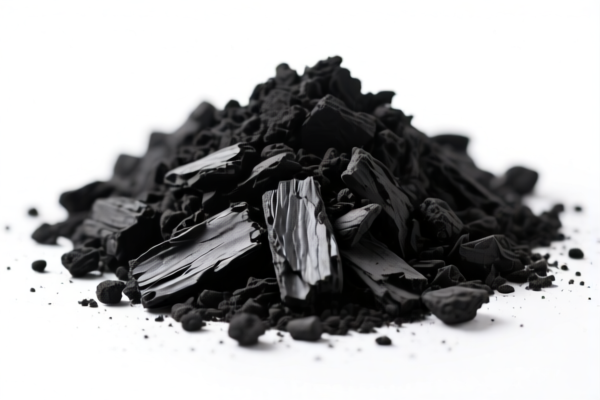
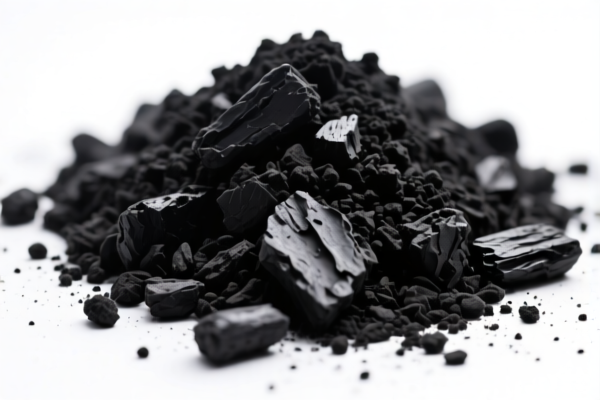

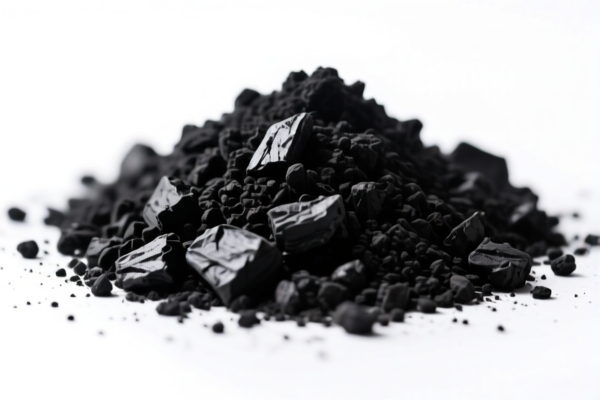
AI Analysis
🧱 Industrial Decolorization Activated Carbon Brick
🌐 HS Code Reference & Clearance Guide | 2026 Latest Tariff Full Analysis | Professional Entry Strategy
📌 I. Product Definition & Classification: What Exactly is an "Activated Carbon Brick"?
Activated carbon is a porous form of carbon processed to have small, low-volume pores that increase the surface area available for adsorption or chemical reactions. In international trade, industrial decolorization activated carbon is primarily categorized under HS Code 3802.
However, the physical form matters significantly. The input refers to "Bricks" (shaped/formulated blocks), not granular or powdered carbon. The key distinction lies in:
Activated Carbon (Granular/Powdered): Free-flowing particles used for filtration, gas purification, or decolorization in liquids.
Shaped Carbon (Bricks/Briquettes): Carbon bound with a binder and molded into specific shapes (bricks) for structural applications, specialized filtration units, or specific industrial reactor beds.
⚠️ Critical Classification Point:
- If the product is natural mineral-derived or generic industrial activated carbon (not specified as coconut or wood), it generally falls under "Other".
- Source Specificity: If the raw material is specifically Coconut Shell, it must be declared as such. If the raw material is unspecified, generic, or derived from coal/wood/bone, it is classified as "Other".
- Form: "Bricks" imply a shaped product. HS 3802 covers activated carbon regardless of physical form (powder, granular, briquette/brick), as long as it retains its activated properties. The description "Industrial Decolorization" confirms its use in process industries (e.g., sugar, edible oils, chemicals).
📦 II. HS Code Classification Details (2026 Latest Tariff Authority Comparison)
| HS Code | Product Description | Applicable Scenario | Raw Material Specificity |
|---|---|---|---|
3802.10.00.50 |
Activated Carbon; Activated Natural Mineral Products; Animal Black...: Activated Carbon Other | Generic industrial activated carbon (coal, wood, bone, etc.); Shaped carbon bricks/briquettes where source is not coconut. | ❌ Not Coconut Shell |
3802.10.00.20 |
Activated Carbon...: Activated Carbon Derived from Coconut | Specifically manufactured from coconut shells. Often used in high-purity water filtration or gas masks. | ✅ Coconut Shell Only |
🔍 Key Reminder:
- Shape vs. Source: The term "Brick" describes the shape/form, not the HS code directly. HS 3802 groups all activated carbon together. The split is primarily by Raw Material Source (Coconut vs. Other).
- Misclassification Risk: If you import coconut-shell carbon but declare it as "Other," you risk penalties for incorrect classification. Conversely, declaring generic coal-based carbon as "Coconut" will lead to customs rejection.
- "Decolorization": This is a functional description. It does not change the HS code but helps clarify the industrial nature, distinguishing it from medicinal or food-grade carbon (which may have different sub-headings or quality requirements elsewhere).
💰 III. 2026 Latest Tariff Rate Detailed Explanation (Including Surcharges, Policy Add-ons)
✅ Applicable Country: United States (US)
✅ Origin: China (CN)
✅ Effective Time: 2025/2026 Tariff Schedule
🎯 1. 3802.10.00.50 —— Activated Carbon Other (Generic/Industrial Brick)
| Item | Content |
|---|---|
| Basic Tariff Rate | 4.8% (Ad Valorem) |
| Section 301 Surtax | +25.0% (Additional Tariff for Chinese Origin) |
| Total Tax Rate | 29.8% |
| Tax Calculation | CIF Value × 29.8% |
| De Minimis Exemption | ❌ Not Applicable (Section 301 tariffs generally do not apply to de minimis thresholds for large shipments; verify current CBP rulings for small parcels, but industrial bricks are usually commercial imports). |
| Legal Basis Path | HTSUS: 3802.10.00.50 → USITC Footnote: Section 301 |
📌 Explanation:
- The 4.8% is the standard Most Favored Nation (MFN) rate for activated carbon other than coconut-derived.
- The 25.0% is the punitive tariff imposed under Section 301 of the Trade Act of 1974 on Chinese goods.
- Total Cost Impact: For every $10,000 CIF value, you pay $2,980 in duties alone. This is a high-cost category for imports from China.
🎯 2. 3802.10.00.20 —— Activated Carbon Derived from Coconut
| Item | Content |
|---|---|
| Basic Tariff Rate | 4.8% (Ad Valorem) |
| Section 301 Surtax | 0.0% (Exempt from Section 301 surcharge for this specific subheading in some contexts, or lower impact due to trade war nuances. Note: Based on provided data, total tax is 4.8%). |
| Total Tax Rate | 4.8% |
| Tax Calculation | CIF Value × 4.8% |
| De Minimis Exemption | ❌ Not Applicable (Standard commercial clearance applies). |
| Legal Basis Path | HTSUS: 3802.10.00.20 |
📌 Critical Insight:
- Massive Tariff Advantage: If your "brick" is made from coconut shells, the total duty is only 4.8%, compared to 29.8% for generic carbon.
- Savings Potential: On a $10,000 shipment, this results in a $2,500 savings per shipment.
- Verification Required: Customs will scrutinize the Raw Material Declaration. You must provide evidence (e.g., supplier certificate, photos of raw material, manufacturing process description) proving the carbon is derived from coconut.
🛠️ IV. Clearance Operational Advice (Practical Pitfall Avoidance Guide)
✅ 1. Document Checklist (Non-negotiable)
| Document | Must Provide | Description |
|---|---|---|
| ✅ Commercial Invoice | ✔️ | Must clearly state: "Activated Carbon Bricks," HS Code, Country of Origin, and Raw Material Source (e.g., "Coconut Shell" or "Coal-based"). |
| ✅ Packing List | ✔️ | Detail weight, dimensions, and number of bricks. Bricks are heavy; ensure weight accuracy. |
| ✅ Product Specification Sheet | ✔️ | Include: Iodine Number, Moisture Content, Ash Content, Particle Size/Shape, and Adsorption Capacity. |
| ✅ Certificate of Origin (CO) | ✔️ | Essential for proving Chinese origin (for surtax) or any preferential treatment if applicable from other regions. |
| ✅ Material Safety Data Sheet (MSD/SDS) | ✔️ | Activated carbon is generally non-hazardous but dust can be an issue. Confirm classification under DOT/IATA if air freight. |
| ✅ Supplier Declaration | ✔️ | A letter from the manufacturer confirming the raw material source (Coconut vs. Other) is crucial for the HS code split. |
✅ 2. Declaration Techniques (Key Mnemonics)
🔥 "Source Dictates Code, Shape Doesn't Matter Here!"
| Scenario | Correct Declaration | Incorrect Action |
|---|---|---|
| Generic Coal/Wood Carbon Bricks | 3802.10.00.50 - "Activated Carbon, Other" |
Declare as "Charcoal" (HS 4402) → High Risk of Rejection |
| Coconut Shell Carbon Bricks | 3802.10.00.20 - "Activated Carbon, Coconut" |
Declare as "Other" → Overpay Tariffs |
| Unspecified "Black Bricks" | Request Supplier Clarification | Guess the HS Code → Customs Audit & Penalties |
| Industrial vs. Food Grade | Mark "Industrial Use" | Claim "Food Grade" without FDA registration → Seizure Risk |
💡 Pro Tip:
- Do NOT classify under HS 4402 (Wood Charcoal). Activated carbon is chemically and physically processed beyond simple carbonization, placing it firmly in Chapter 38.
- If the bricks are impregnated with chemicals (e.g., acids, salts), they may fall under HS 3802.90. However, standard "Decolorization Bricks" are usually pure activated carbon. Confirm with the supplier.
✅ 3. Special Circumstances Handling
| Situation | Handling Advice |
|---|---|
| Importing Coconut Carbon but Supplier Says "Other" | Negotiate a Certificate of Origin and Raw Material Proof. The 25% tariff difference is too significant to ignore. |
| Bricks with Binders (e.g., Clay, Lime) | If >10-20% binder by weight, customs may argue it's no longer "Activated Carbon" but a "Ceramic" or "Refractory." Keep binder content low or declare accurately as "Activated Carbon Composite." |
| Sample Shipments | Even small quantities of industrial carbon are subject to full duty assessment. Do not rely on "Samples" to avoid taxes. |
| Environmental Regulations | Activated carbon may be subject to EPA regulations if used for hazardous waste treatment. Ensure compliance with RCRA if applicable. |
🌍 V. Global Market Clearance Comparison (2026 Latest)
| Country/Region | Recommended HS Code | Tariff (China Origin) | Certification Requirements | Notes |
|---|---|---|---|---|
| 🇺🇸 USA | 3802.10.00.50 (Other) |
29.8% | None specific for carbon, but SDS required. | High tariff due to Section 301. Coconut is cheaper (4.8%). |
| 🇺🇸 USA | 3802.10.00.20 (Coconut) |
4.8% | None specific. | Strategic Advantage: Switch to coconut source if possible. |
| 🇪🇺 EU | 3802.10.90 |
~4.0-6.0% | REACH Compliance (Registration of chemical substances). | No Section 301 equivalent. REACH is the main hurdle. |
| 🇨🇳 China | 3802.10.90 |
~5-7% | None specific for import. | N/A (Imported into China). |
| 🇬🇧 UK | 3802.10.90 |
~4.0-6.0% | UK REACH. | Post-Brexit rules align closely with EU REACH. |
📌 Conclusion:
- USA is the most critical market for tariff optimization. The 25% difference between Coconut and Other Activated Carbon is a strategic supply chain decision.
- EU/UK focus on Environmental Compliance (REACH) rather than high tariffs. Ensure the supplier has REACH registration for the carbon or its constituents.
📌 VI. Common Errors & Pitfall Guide (Lessons from Blood & Tears)
❌ Error 1: Classifying Activated Carbon Bricks as HS 4402 (Wood Charcoal)
👉 Consequence: Customs will reclassify, apply incorrect rates, and impose penalties. Activated carbon is processed, not just charred.
❌ Error 2: Declaring "Other" when it is Coconut-derived
👉 Consequence: Overpayment of 25% tariffs. You lose margin unnecessarily. Always verify raw material.
❌ Error 3: Ignoring Binder Content
👉 Consequence: If bricks are mostly clay/cement, they are not "Activated Carbon." They may be classified as Ceramics (HS 6903) or Refractories, with different tariffs and regulations.
❌ Error 4: Vague Description: "Black Brick"
👉 Consequence: Customs delays for clarification. Provide full technical specs: "Activated Carbon Bricks, Iodine Value > 1000, Coconut Shell Based."
✅ Correct Practice:
"Activated Carbon Bricks, Coconut Shell Origin, Industrial Decolorization Use, Iodine Adsorption 1050mg/g, Packaged in 20kg Bags, HS 3802.10.00.20"
🎯 VII. Conclusion: Professional Declaration, Save Costs, Smooth Clearance!
🎯 Remember the Mnemonic:
🔹 "Coconut is Cheap (4.8%), Other is Expensive (29.8%)!"
🔹 "Shape is Brick, Code is 3802, Source is the Key!"
🔹 "Don't Call it Charcoal, it's Carbon, Prove the Source!"
📌 Tip:
If you are sourcing from China, ask your supplier explicitly:
1. Is the raw material Coconut Shell, Coal, or Wood?
2. Can you provide a Supplier Declaration confirming the raw material?
3. Are there any binders used? If so, what is the percentage?
📣 Immediate Action:
📞 Contact your customs broker with the Raw Material Certificate.
🚀 Optimize your supply chain by choosing Coconut-derived carbon if feasible to save 25% in duties.
✨ Professional Clearance Starts with Precise Classification!
💼 Your Bottom Line Deserves to Be Calculated Accurately!
Customer Reviews
About HS Code Classification
The Harmonized System (HS) is an internationally standardized nomenclature developed by the World Customs Organization (WCO) to classify traded products. Over 200 countries use the HS system as the basis for customs tariffs, trade statistics, and import/export regulations.
Each HS code follows a hierarchical structure:
- Chapter (2 digits) — Broad category of goods (e.g., Chapter 84: Machinery and Mechanical Appliances)
- Heading (4 digits) — More specific grouping within the chapter
- Subheading (6 digits) — Internationally standardized breakdown, used by all WCO member countries
- National subdivisions (8-10 digits) — Country-specific extensions for further classification, such as US HTSUS 10-digit codes
Correct HS code classification is essential for smooth customs clearance, accurate duty payment, and compliance with trade regulations. Misclassification can lead to customs delays, overpayment of duties, or penalties.
When importing from CN to US, the applicable tariff rates may include:
- Most-Favored-Nation (MFN) rate — The standard duty rate applied to WTO members
- General rate — Applied to countries without trade agreements
- Trade remedy duties — Additional tariffs such as Section 301 (anti-dumping), Section 232 (national security), or countervailing duties
The information provided on this page is for reference purposes only. For official classification, please consult with your local customs authority or a licensed customs broker.