industrial machinery hs code 6004902085
CN → US| HS Code | Tariff Rate | Origin | Destination | Doc |
|---|---|---|---|---|
| 8479899599 | 87.5% | CN | US | Official Doc |
| 8438800000 | 35.0% | CN | US | Official Doc |
| 8479899599 | 87.5% | CN | US | Official Doc |
| 8438800000 | 35.0% | CN | US | Official Doc |
| 8479899599 | 87.5% | CN | US | Official Doc |
Product Images
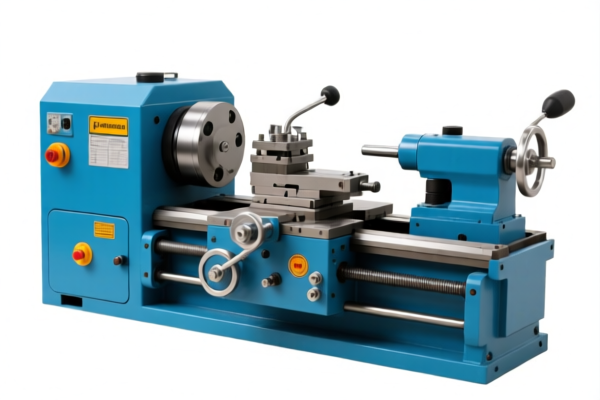
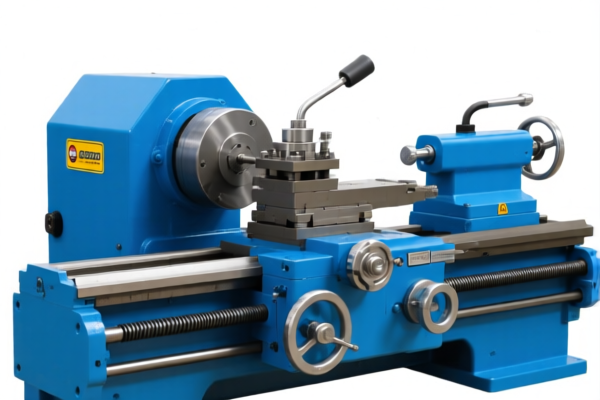
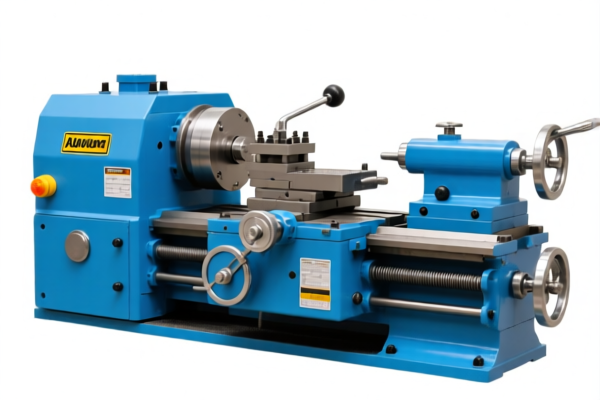
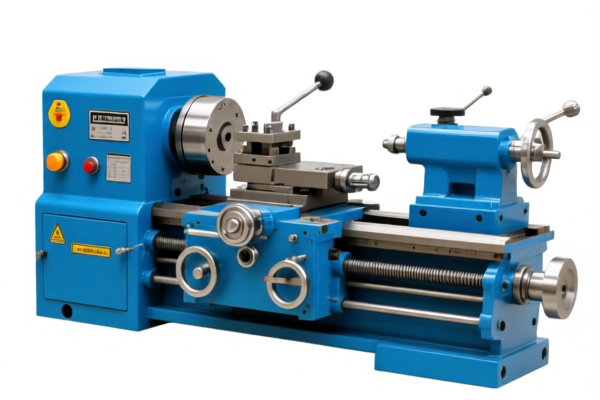
AI Analysis
🏭 Industrial Machinery (Industrial Mechanical Equipment)
🌐 HS Code Reference & Customs Clearance Guide | 2026 Latest Tariff Analysis | Professional Import Strategy
📌 One, Product Definition & Classification: Do You Really Understand "Industrial Machinery"?
Industrial machinery refers to machines or mechanical equipment with independent functional capabilities, designed for industrial processing, manufacturing, automation, or production control. These are not mere components but complete systems capable of performing specific industrial tasks — such as assembly, cutting, welding, packaging, or material handling.
⚠️ Key Differentiation: - If the equipment is a standalone unit with power, control systems, and functional output → Classify under 8479.89.95.99
- If used specifically for food or beverage processing → May fall under 8438.80.00.00
- If only a part or component (e.g., motor, gear, sensor) → Should not be classified here
📦 Two, HS Code Classification Details (2026 Latest Tariff Authority Match)
| HS Code | Product Description | Applicable Use Case | Independent Functionality? |
|---|---|---|---|
8479.89.95.99 |
Other machinery having individual functions, not specified elsewhere (e.g., industrial robots, CNC machines, automated assembly lines) | General-purpose industrial equipment, automation systems, factory integration tools | ✅ Yes |
8438.80.00.00 |
Machinery for the preparation or manufacture of food or beverages (e.g., mixers, fillers, bottling lines, packaging machines) | Food & beverage production lines, dairy processing, beverage canning | ✅ Yes (but narrower scope) |
🔍 Critical Insight:
- 8479.89.95.99 is a general-purpose "catch-all" category for industrial machines that don’t fit into more specific subheadings.
- 8438.80.00.00 is narrowly focused on food & drink processing — if your machine is not used in food/beverage production, do not use this code.
💰 Three, 2026 Latest Tariff Breakdown (With Full Add-on Tax Clauses)
✅ Applicable Country: United States (US)
✅ Origin: China (CN)
✅ Effective Date: November 10, 2025 (including subsequent imports)
🎯 1. 8479.89.95.99 — Industrial Machinery (General Purpose)
| Item | Detail |
|---|---|
| Base Duty Rate | 2.5% (ad valorem) |
| Section 301 (USITC) Additional Tariff | +25.0% |
| Section 122 (Steel & Aluminum) Additional Tariff | +10.0% (applies to steel/aluminum-based products) |
| Section 122 (Copper & Aluminum) Additional Tariff | +50.0% (if made from copper or aluminum alloys) |
| Total Effective Tariff | 87.5% |
| Tax Calculation | CIF Value × 87.5% |
| De Minimis Threshold | ❌ Not eligible (denied de minimis) |
| Legal Basis Path | USITC:8479.89.95.99 → FOOTNOTE:9903.88.01 → IEEPA:9903.01.24 → SECTION 122: 10% + 50% |
📌 Explanation: - 2.5% base: Standard tariff for industrial machinery. - 25% USITC (Section 301): From the U.S. Trade Act of 1974 — targeted at Chinese goods. - 10% Steel/Aluminum Tariff (Section 122): Applies if the machine contains steel or aluminum components. - 50% Copper/Aluminum Tariff (Section 122): Applies if the machine is made from copper or aluminum alloys — this is extremely punitive. - Total: 87.5% — one of the highest tariffs in the industrial sector.
🔥 Warning:
- If your machine is made of aluminum or copper alloys, the 50% tariff applies even if it's not structural — e.g., motor housings, heat sinks, electrical enclosures. - Even small copper parts can trigger this clause.
🎯 2. 8438.80.00.00 — Machinery for Food or Beverage Processing
| Item | Detail |
|---|---|
| Base Duty Rate | 0.0% (ad valorem) |
| Section 301 (USITC) Additional Tariff | +25.0% |
| Section 122 (Steel & Aluminum) Additional Tariff | +10.0% |
| Total Effective Tariff | 35.0% |
| Tax Calculation | CIF Value × 35.0% |
| De Minimis Threshold | ❌ Not eligible |
| Legal Basis Path | USITC:8438.80.00.00 → FOOTNOTE:9903.88.01 → IEEPA:9903.01.24 → SECTION 122: 10% |
📌 Explanation: - 0% base tariff — very favorable. - 25% USITC — applies to all Chinese-origin goods under Section 301. - 10% Section 122 tariff — applies if the machine contains steel or aluminum. - No 50% copper/aluminum surcharge — only applies to 8479.89.95.99, not this code. - Total: 35% — still high, but much lower than 87.5%.
✅ Best for:
- Packaging machines
- Mixers
- Filling lines
- Beverage bottling systems
- Dairy processing equipment
🛠️ Four, Customs Clearance Best Practices (Real-World Tips)
✅ 1. Required Documentation (No Exceptions)
| Document | Must Provide | Notes |
|---|---|---|
| ✅ Product Specification Sheet | ✔️ | Include model, power, control system, function, materials |
| ✅ Bill of Lading & Commercial Invoice | ✔️ | Clearly state “Industrial Machinery” or “Food Processing Equipment” |
| ✅ Technical Drawings / Circuit Diagrams | ✔️ | Prove independence of function, materials used |
| ✅ Photos (with serial number & label) | ✔️ | Show full unit, not just parts |
| ✅ Certificate of Origin (CO) | ✔️ | If from Vietnam, Mexico, Thailand, or ASEAN — may qualify for exemptions |
| ✅ Material Composition Report | ✔️ | Critical if copper/aluminum is used → avoid 50% tariff |
| ✅ Third-Party Test Report | ✔️ | CE, FCC, UL (if applicable) |
✅ 2.申报技巧 (Key Rules of Thumb)
🔥 “Function First, Material Second, Name Matters!”
| Scenario | Correct HS Code | Wrong Code | Risk |
|---|---|---|---|
| CNC machine made of aluminum alloy | 8479.89.95.99 |
8438.80.00.00 |
50% extra tariff |
| Food packaging machine with steel frame | 8438.80.00.00 |
8479.89.95.99 |
25% extra tariff |
| Industrial robot with copper wiring | 8479.89.95.99 |
8438.80.00.00 |
50% tariff triggered |
| Machine used in both food & general industry | Use 8438.80.00.00 only if food-focused | Misuse → penalty | Risk of audit |
✅ 3. Special Cases & Workarounds
| Situation | Recommended Action |
|---|---|
| Machine made in Vietnam/Mexico/Thailand | Apply for IEEPA exemption → 0% tariff (if origin is not China) |
| Machine has aluminum parts but not structural | Provide material certificate to argue against 50% tariff |
| Machine is reconditioned or used | Still subject to full tariff — no discount |
| Machine is for R&D or non-commercial use | Apply for non-commercial exemption — requires documentation |
| Machine is imported under FTA (Free Trade Agreement) | Check if country has USMCA, ASEAN, or RCEP — may reduce or eliminate tariffs |
🌍 Five, Global Market Comparison (2026 Latest)
| Country/Region | Recommended HS Code | Tariff Rate | Certification Required | Notes |
|---|---|---|---|---|
| 🇺🇸 United States | 8479.89.95.99 |
87.5% (China) | FCC, CE, UL | 50% copper/aluminum tariff applies |
| 🇨🇳 China | 8479.89.95.99 |
5% | CCC | No extra tariffs |
| 🇪🇺 European Union | 8479.89.95.99 |
0% (if CE) | CE, RoHS | No 301/122 tariffs |
| 🇦🇺 Australia | 8479.89.95.99 |
5% | RCM | No additional tariffs |
| 🇯🇵 Japan | 8479.89.95.99 |
0% | PSE | No extra charges |
📌 Takeaway:
- U.S. is the only market with 87.5% tariff on industrial machinery from China. - Vietnam/Mexico/Thailand offer tariff-free access under trade agreements.
📌 Six, Common Mistakes & How to Avoid Them (Pain Points)
❌ Mistake 1: Using 8479.89.95.99 for a food processing machine
👉 Result: You pay 87.5% instead of 35% — massive overpayment
❌ Mistake 2: Not disclosing copper/aluminum content
👉 Result: 50% tariff triggered — no appeal possible
❌ Mistake 3: Calling a food machine “industrial” in invoice
👉 Result: Customs may reclassify → higher tariff + penalties
❌ Mistake 4: Not providing material report
👉 Result: Customs assumes copper/aluminum → 50% tariff applied
✅ Correct Labeling Example:
“Industrial CNC Machine, 3-axis, aluminum frame, copper motor, 220V, Model XYZ, CE & FCC Certified”
🎯 Seven, Conclusion: Precision Matters — One Mistake Can Cost Thousands
🎯 Remember the Golden Rules:
🔹 “Function First, Material Second”
🔹 “If it’s food-related, use 8438.80.00.00”
🔹 “If it’s aluminum/copper — disclose it or pay 50%!”
🔹 “China origin → 87.5% in the U.S. — plan accordingly!”
📌 Pro Tip:
✅ Apply for an Advance Ruling (Pre-Review) with U.S. Customs before shipment.
✅ Use a U.S.-based customs broker with experience in industrial machinery.
✅ Consider shifting production to Vietnam/Mexico if you’re shipping to the U.S.
📣 Act Now:
📞 Contact a licensed customs broker + Submit product photos + Request HS Code Pre-Approval
🚀 Avoid delays, penalties, and catastrophic tariff hikes — get it right the first time!
✨ Expert Customs, One Code at a Time
💼 Your Profit Margin Depends on This One Decision
Customer Reviews
About HS Code Classification
The Harmonized System (HS) is an internationally standardized nomenclature developed by the World Customs Organization (WCO) to classify traded products. Over 200 countries use the HS system as the basis for customs tariffs, trade statistics, and import/export regulations.
Each HS code follows a hierarchical structure:
- Chapter (2 digits) — Broad category of goods (e.g., Chapter 84: Machinery and Mechanical Appliances)
- Heading (4 digits) — More specific grouping within the chapter
- Subheading (6 digits) — Internationally standardized breakdown, used by all WCO member countries
- National subdivisions (8-10 digits) — Country-specific extensions for further classification, such as US HTSUS 10-digit codes
Correct HS code classification is essential for smooth customs clearance, accurate duty payment, and compliance with trade regulations. Misclassification can lead to customs delays, overpayment of duties, or penalties.
When importing from CN to US, the applicable tariff rates may include:
- Most-Favored-Nation (MFN) rate — The standard duty rate applied to WTO members
- General rate — Applied to countries without trade agreements
- Trade remedy duties — Additional tariffs such as Section 301 (anti-dumping), Section 232 (national security), or countervailing duties
The information provided on this page is for reference purposes only. For official classification, please consult with your local customs authority or a licensed customs broker.