industrial sterile packaging
CN → US| HS Code | Tariff Rate | Origin | Destination | Doc |
|---|---|---|---|---|
| 3923900080 | 38.0% | CN | US | Official Doc |
| 3923109000 | 38.0% | CN | US | Official Doc |
| 3926901000 | 20.9% | CN | US | Official Doc |
| 3926909989 | 22.8% | CN | US | Official Doc |
Product Images
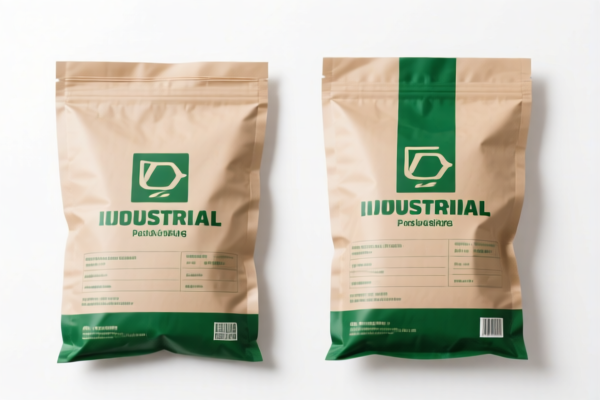
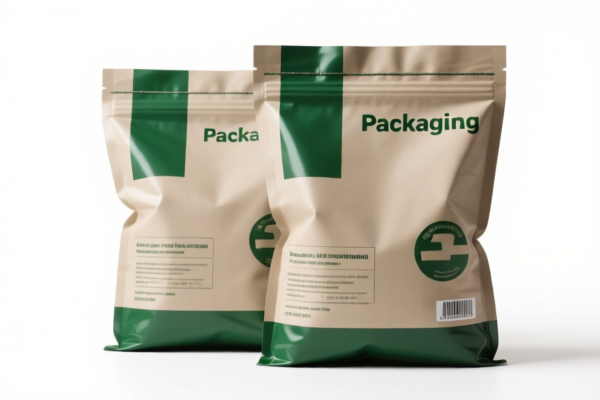
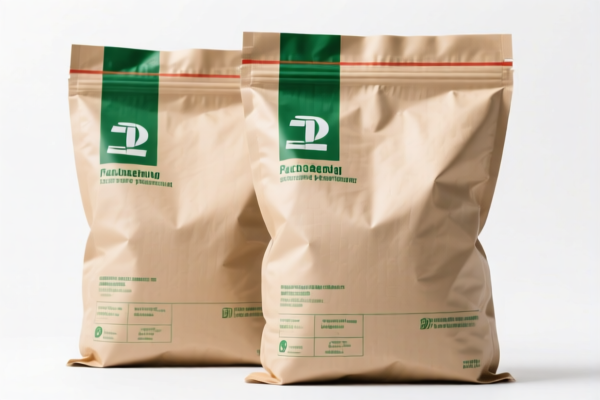
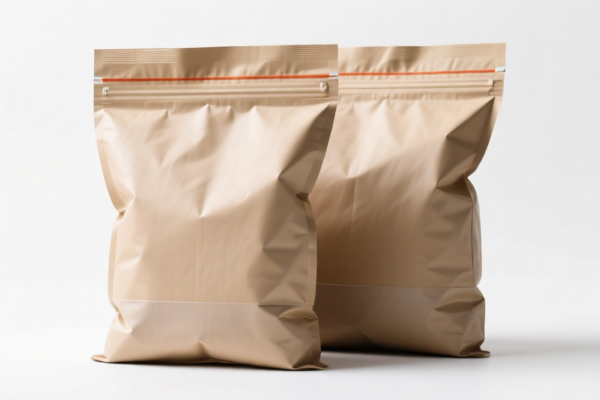
AI Analysis
🏥 Industrial Sterile Packaging (Plastic Industrial Packaging)
🌐 HS Code Reference & Customs Clearance Guide | 2024 Latest Tariff Analysis | Professional Clearance Strategy
📌 I. Product Definition & Classification: Do You Understand "Sterile Packaging"?
"Industrial Sterile Packaging" in this context refers to plastic packaging materials used for the transport or storage of industrial goods, which may maintain sterility or provide a protective barrier. In international trade, these items are primarily classified under Chapter 39 (Plastics and Articles Thereof).
The classification depends on the specific form of the plastic article: * Boxes, Sacks, Bags, Containers: Classified under Heading 3923 (Articles for the conveyance or packing of goods). * Other Plastic Articles (Containers, Boxes, Cases): Classified under Heading 3926 (Other articles of plastics). * Miscellaneous Plastic Articles: Classified under 3926.90 (Other plastic articles, not elsewhere specified).
⚠️ Key Distinction Point:
- If the item is a bag, sack, box, or container specifically for packing/transport → Go to 3923.
- If it is a rigid container, box, or case not specifically listed elsewhere → Go to 3926.
- If it is a general plastic accessory or part → Go to 3926.90.
📦 II. HS Code Classification Details (2024 Latest Tariff Authority Comparison)
| HS Code | Product Description | Application Scenario | Key Feature |
|---|---|---|---|
3923.90.00.80 |
Plastic industrial packaging, fits the definition of plastic goods for transport/packing | Flexible plastic bags, shrink wrap, industrial sacks | ✅ Transport/Packing Function |
3923.10.90.00 |
Plastic industrial packaging, other classification within plastic goods for transport/packing | Specific plastic boxes/crates for transport, not elsewhere specified | ✅ Transport/Packing Function |
3926.90.10.00 |
Plastic industrial packaging, fits the category of plastic material and products container | Rigid plastic containers, sterile storage boxes, industrial drums | ✅ Container/Storage Function |
3926.90.99.89 |
Plastic industrial packaging, other plastic articles not specifically listed elsewhere | Generic plastic parts, miscellaneous sterile packaging accessories | ❌ General Purpose/Miscellaneous |
🔍 Key Reminder:
- All items classified under 3923 are primarily for conveyance or packing.
- Items under 3926 are generally rigid containers or miscellaneous plastic articles.
- The term "Sterile" does not change the HS code if the material is plastic; it is still governed by Chapter 39.
💰 III. 2024 Latest Tariff Rate Detail (Including Surtax, Policy Surtax)
✅ Applicable Country: United States (US)
✅ Origin: China (CN)
✅ Effective Time: Current rates (subject to ongoing trade policies)
🎯 1. 3923.90.00.80 —— Plastic Industrial Packaging (Packing/Bags)
| Item | Content |
|---|---|
| Base Tariff | 3.0% (ad valorem) |
| Section 301 Surcharge | +25.0% |
| Section 122 Surcharge | +10.0% |
| Total Tax Rate | 38.0% |
| Tax Calculation | CIF Value × 38.0% |
| De Minimis Exemption | ❌ Not Eligible (Deny_de_minimis) |
| Legal Basis Path | Section 301: Footnote 9903.88.01 → Section 122 → USITC:3923.90.00.80 |
📌 Explanation:
- "Base Tariff 3.0%": Standard Most Favored Nation (MFN) rate for plastic packaging.
- "Section 301 Surcharge 25%": The major trade war tariff on Chinese plastic goods.
- "Section 122 Surcharge 10%": Additional tariff under Section 232 (National Security) or related trade actions.
- Total 38% is a high cost factor. Must be calculated in advance!
🎯 2. 3923.10.90.00 —— Other Plastic Transport/Packing Goods
| Item | Content |
|---|---|
| Base Tariff | 3.0% |
| Section 301 Surcharge | +25.0% |
| Section 122 Surcharge | +10.0% |
| Total Tax Rate | 38.0% |
| Tax Calculation | CIF × 38.0% |
| De Minimis Exemption | ❌ Not Eligible |
| Legal Basis Path | Section 301 → Section 122 → USITC:3923.10.90.00 |
📌 Note:
- Same tax structure as above.
- Applies to other plastic containers/bags for transport not listed in3923.90.
🎯 3. 3926.90.10.00 —— Plastic Containers (General)
| Item | Content |
|---|---|
| Base Tariff | 3.4% |
| Section 301 Surcharge | +7.5% |
| Section 122 Surcharge | +10.0% |
| Total Tax Rate | 20.9% |
| Tax Calculation | CIF × 20.9% |
| De Minimis Exemption | ❌ Not Eligible |
| Legal Basis Path | Section 301: Lower Footnote → Section 122 → USITC:3926.90.10.00 |
📌 Note:
- Lower Section 301 Rate (7.5%): Some plastic containers under 3926 may benefit from a lower 301 surcharge rate compared to general packaging (3923).
- Total 20.9% is significantly lower than 38.0%. This makes 3926.90.10.00 a more cost-effective classification if the product fits the definition of a "container" rather than general "packing material."
🎯 4. 3926.90.99.89 —— Other Plastic Articles
| Item | Content |
|---|---|
| Base Tariff | 5.3% |
| Section 301 Surcharge | +7.5% |
| Section 122 Surcharge | +10.0% |
| Total Tax Rate | 22.8% |
| Tax Calculation | CIF × 22.8% |
| De Minimis Exemption | ❌ Not Eligible |
| Legal Basis Path | Section 301 → Section 122 → USITC:3926.90.99.89 |
📌 Note:
- For miscellaneous plastic articles not elsewhere specified.
- Total 22.8%.
- Higher base tariff (5.3%) but lower 301 surcharge (7.5%) compared to 3923 codes.
🛠️ IV. Customs Clearance Practical Advice (Avoid Pitfalls Guide)
✅ 1. Preparation Checklist (Missing Items Risk Delay)
| Material | Mandatory? | Description |
|---|---|---|
| ✅ Product Specifications | ✔️ | Material type (PP, PE, PET), dimensions, weight, sterilization method |
| ✅ Product Photos | ✔️ | Clear images of the product, label, and any "Sterile" markings |
| ✅ Commercial Invoice | ✔️ | Accurate description: "Plastic Sterile Packaging Container" or "Plastic Packing Bag" |
| ✅ Packing List | ✔️ | Detail quantity, net weight, gross weight |
| ✅ Certificate of Origin | ✔️ | If applicable for preferential treatment (though rates are high for China) |
| ✅ Statement of Non-Exemption | ✔️ | Acknowledge that Section 301 and 122 surcharges apply |
✅ 2. Declaration Tips (Key Mantra)
🔥 "Packaging vs. Container: Choose Right, Save Half the Tax!"
| Scenario | Correct Declaration | Wrong Action |
|---|---|---|
| Plastic bags, shrink wrap, sacks | 3923.90.00.80 or 3923.10.90.00 |
Declare as "Container" → Risk of penalty |
| Rigid plastic boxes, sterile jars | 3926.90.10.00 |
Declare as "Bag" → Wrong HS Code |
| Generic plastic parts/accessories | 3926.90.99.89 |
Declare as "Container" → Wrong HS Code |
| Any Plastic Import from China | Expect 20.9% - 38.0% Total Tax | Assume "De Minimis" exemption → High Risk! |
✅ 3. Special Situation Handling
| Situation | Advice |
|---|---|
| "Sterile" Claim | Ensure the product actually meets sterility standards. If it's just "clean" but not medically sterile, do not over-declare as "Medical Device" (which has different HS codes like 3006). Stick to Plastic Packaging (39xx). |
| Mixed Shipments | If a shipment contains both bags (3923) and rigid containers (3926), split the declaration. Do not combine them into one line item to avoid classification disputes. |
| Section 122/301 Exemptions | Check if the specific HS Code was previously exempted. Most plastic packaging is NOT exempt. |
| Re-export | If using US ports for re-export to third countries, ensure proper bond entry procedures are followed. |
🌍 V. Global Market Clearance Comparison (2024 Latest)
| Country/Region | Recommended HS Code | Tariff Rate (China Origin) | Certification Requirements | Notes |
|---|---|---|---|---|
| 🇺🇸 United States | 3923.90.00.80 / 3926.90.10.00 |
20.9% - 38.0% (incl. Surtax) | None specific for plastic packaging | High surtax burden |
| 🇨🇳 China | 3923.90.00.80 / 3926.90.10.00 |
3.0% - 5.3% | None | Low import tariff |
| 🇪🇺 European Union | 3923.29.00 / 3926.90.98 |
4.5% - 6.5% | REACH, Food Contact (if applicable) | No Section 301 surtax |
| 🇬🇧 United Kingdom | 3923.29.00 / 3926.90.98 |
4.5% - 6.5% | UKCA (if deemed medical) | Post-Brexit rules apply |
| 🇯🇵 Japan | 3923.29.00 / 3926.90.90 |
5.0% - 6.0% | JIS, Food Contact (if applicable) | No Section 301 surtax |
📌 Conclusion:
- The US market is the most expensive due to the combination of Base Tariff + Section 301 (25%/7.5%) + Section 122 (10%).
- Total tax ranges from 20.9% to 38.0%, significantly higher than other major markets.
- China-origin plastic packaging faces a high barrier in the US.
📌 VI. Common Mistakes & Pitfalls (Lessons Learned)
❌ Mistake 1: Assuming "Sterile Packaging" qualifies for medical device exemption (HS 3006).
👉 Result: If it's just plastic packaging, it remains 39xx. Misclassification leads to penalties.
👉 Correction: Only HS 3006 if it's a complete medical dressing/stroke set with specific medical function. Plain plastic bags/boxes are 3923/3926.
❌ Mistake 2: Ignoring Section 122 and 301 surcharges in cost calculation.
👉 Result: Profit margin wiped out.
👉 Correction: Always calculate Total Duty = Base + 301 + 122.
❌ Mistake 3: Applying De Minimis (Section 321) for shipments under $800.
👉 Result: DEMINIMIS DENIED for Chinese plastic goods under Section 301.
👉 Correction: Even small shipments from China are subject to full duty.
✅ Correct Practice:
"Plastic Sterile Packaging Bag, HDPE, 100mic, Industrial Grade, Made in China"
HS Code:3923.90.00.80
Total Duty: 38.0%
🎯 VII. Conclusion: Professional Declaration, Cost Control!
🎯 Remember the Mantra:
🔹 "Plastic Packaging from China: 301 + 122 = High Cost!"
🔹 "Bags go to 3923 (38%), Boxes go to 3926 (20.9-22.8%)."
🔹 "No De Minimis Exemption! Calculate Total Duty Before Shipment."
📌 Tips:
- If your product is food-contact or medical device, additional certifications (FDA, EU MDR) may be required.
- Consult a Customs Broker: For high-volume shipments, consider Section 301 Exclusions (if still available) or Supply Chain Diversification (e.g., manufacturing in Vietnam/Mexico) to mitigate tariffs.
📣 Immediate Action:
📞 Contact your Customs Broker + Provide Product Photos + Verify HS Code Pre-Ruling
🚀 Ensure Accurate Declaration, Avoid Penalties, Optimize Costs!
✨ Professional Customs Clearance Starts with Accurate Classification!
💼 Every Cent Saved is Pure Profit!
Customer Reviews
About HS Code Classification
The Harmonized System (HS) is an internationally standardized nomenclature developed by the World Customs Organization (WCO) to classify traded products. Over 200 countries use the HS system as the basis for customs tariffs, trade statistics, and import/export regulations.
Each HS code follows a hierarchical structure:
- Chapter (2 digits) — Broad category of goods (e.g., Chapter 84: Machinery and Mechanical Appliances)
- Heading (4 digits) — More specific grouping within the chapter
- Subheading (6 digits) — Internationally standardized breakdown, used by all WCO member countries
- National subdivisions (8-10 digits) — Country-specific extensions for further classification, such as US HTSUS 10-digit codes
Correct HS code classification is essential for smooth customs clearance, accurate duty payment, and compliance with trade regulations. Misclassification can lead to customs delays, overpayment of duties, or penalties.
When importing from CN to US, the applicable tariff rates may include:
- Most-Favored-Nation (MFN) rate — The standard duty rate applied to WTO members
- General rate — Applied to countries without trade agreements
- Trade remedy duties — Additional tariffs such as Section 301 (anti-dumping), Section 232 (national security), or countervailing duties
The information provided on this page is for reference purposes only. For official classification, please consult with your local customs authority or a licensed customs broker.