inflatable cup holder
CN → US| HS Code | Tariff Rate | Origin | Destination | Doc |
|---|---|---|---|---|
| 4016950000 | 21.7% | CN | US | Official Doc |
| 3926907500 | 14.2% | CN | US | Official Doc |
| 4016990500 | 20.9% | CN | US | Official Doc |
| 3926909989 | 22.8% | CN | US | Official Doc |
Product Images
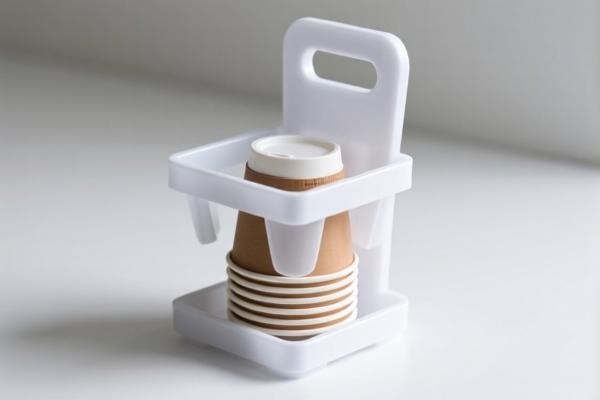
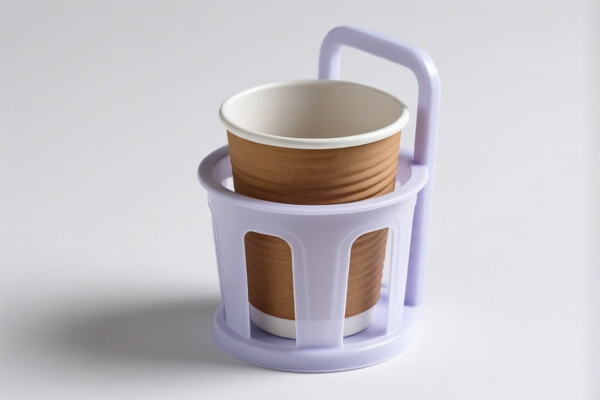
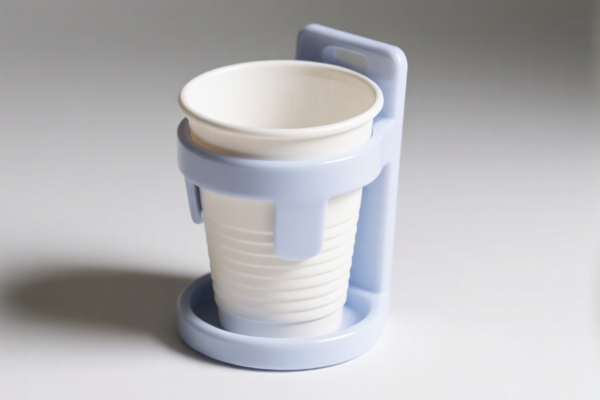
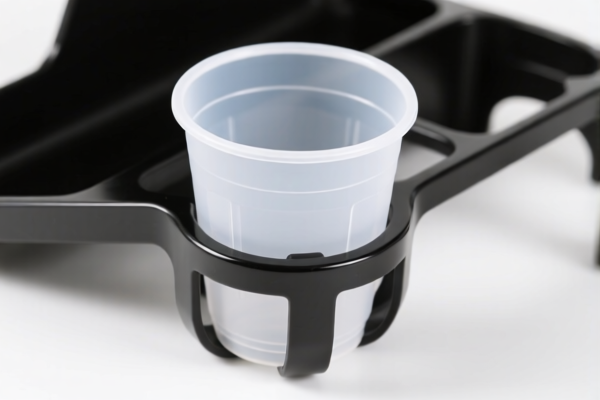
AI Analysis
🍻 Inflatable Cup Holder (Portable Drink Stand)
🌐 HS Code Reference & Customs Clearance Guide | 2026 Latest Tariff Analysis | Professional Clearance Strategy
📌 I. Product Definition & Classification: What Exactly is an "Inflatable Cup Holder"?
An inflatable cup holder is a portable accessory used to stabilize beverages, typically made from flexible, air-filled materials. In international trade, its classification hinges on two critical factors: Material Composition and Physical Form.
Key Distinction:
- Rubber/Plastic-Based Inflatable Goods: If made of rubber (natural or synthetic), it falls under Chapter 40.
- Plastic-Based Non-Rubber Goods: If made of PVC, TPU, or other polymers not classified as rubber, it falls under Chapter 39.
⚠️ Critical Differentiator:
- If the material is "vulcanized rubber" (硫化橡胶) or similar elastomers → Chapter 40 (HS Codes 4016.xx).
- If the material is "Plastic" (e.g., PVC, TPU) without rubber classification → Chapter 39 (HS Codes 3926.xx).
- Note: Most commercial inflatable cup holders are PVC/TPU, making Chapter 39 the most common classification, but rubber variants exist.
📦 II. HS Code Classification Details (2026 Tariff Authority Comparison)
Based on the provided data, here are the four potential classifications with their specific tax implications.
| HS Code | Product Description | Material Inference | Key Matching Criteria | Total Tax Rate |
|---|---|---|---|---|
4016.95.00.00 |
Other inflatable articles | Vulcanized Rubber / Elastomer | Form: "Inflatable"; Material: Rubber/Elastomer inferred by common sense. | 21.7% |
3926.90.75.00 |
Other articles of plastics | Plastic (PVC/TPU/etc.) | Form: "Inflatable"; Material: Plastic inferred; No conflict with Chapters 3901-3914. | 14.2% |
4016.99.05.00 |
Other rubber articles (Household) | Vulcanized Rubber | Attribute: "Inflatable" + Usage: "Household/Cup Holder"; Matches "Other Household Articles." | 20.9% |
3926.90.99.89 |
Other plastic articles | Plastic (PVC/TPU/etc.) | Material: Plastic/Polymer; Form: Not specifically listed in other subheadings. | 22.8% |
🔍 Key Insight:
- The cheapest tariff option is3926.90.75.00(14.2%), assuming the product is made of plastic (PVC/TPU).
- The most expensive is3926.90.99.89(22.8%), which applies if the plastic product doesn't fit the specific "inflatable" sub-heading or other specific plastic categories.
- Rubber variants (4016codes) range from 20.9% to 21.7%, generally higher than the preferred plastic classification3926.90.75.00.
💰 III. 2026 Latest Tariff Rate Breakdown (Including Additional Duties & Policies)
✅ Applicable Country: United States (US)
✅ Origin: China (CN)
✅ Effective Date: Current rates apply as of 2026
🎯 1. 4016.95.00.00 — Other Inflatable Articles (Rubber)
| Item | Detail |
|---|---|
| Base Tariff | 4.2% |
| Section 301 Additional Tariff | +7.5% |
| Section 122 Tariff (122条款) | +10.0% |
| Total Effective Rate | 21.7% |
| Tax Calculation | CIF Value × 21.7% |
| De Minimis Exemption? | ❌ No (Deny de minimis) |
| Legal Basis Path | Base Tariff → Sec 301 → Sec 122 |
📌 Explanation:
- This code applies if the cup holder is made of vulcanized rubber or similar elastic materials.
- High Cost: The combination of base, Section 301, and Section 122 duties results in a significant tax burden.
🎯 2. 3926.90.75.00 — Other Plastic Articles (Plastic)
| Item | Detail |
|---|---|
| Base Tariff | 4.2% |
| Section 301 Additional Tariff | 0.0% |
| Section 122 Tariff (122条款) | +10.0% |
| Total Effective Rate | 14.2% |
| Tax Calculation | CIF Value × 14.2% |
| De Minimis Exemption? | ❌ No (Deny de minimis) |
| Legal Basis Path | Base Tariff → Sec 122 |
📌 Explanation:
- Optimal Choice: This is the lowest tax rate among all options.
- Why? It benefits from 0% Section 301 duty, likely due to specific exclusions or lower sensitivity for this particular plastic sub-category.
- Condition: Must be clearly identified as Plastic (PVC/TPU) and not Rubber.
🎯 3. 4016.99.05.00 — Other Rubber Household Articles
| Item | Detail |
|---|---|
| Base Tariff | 3.4% |
| Section 301 Additional Tariff | +7.5% |
| Section 122 Tariff (122条款) | +10.0% |
| Total Effective Rate | 20.9% |
| Tax Calculation | CIF Value × 20.9% |
| De Minimis Exemption? | ❌ No (Deny de minimis) |
| Legal Basis Path | Base Tariff → Sec 301 → Sec 122 |
📌 Explanation:
- This code emphasizes the Household usage and Rubber material.
- Although the base tariff is lower (3.4%), the additional duties push the total to 20.9%, still higher than the plastic option.
🎯 4. 3926.90.99.89 — Other Plastic Articles (Generic)
| Item | Detail |
|---|---|
| Base Tariff | 5.3% |
| Section 301 Additional Tariff | +7.5% |
| Section 122 Tariff (122条款) | +10.0% |
| Total Effective Rate | 22.8% |
| Tax Calculation | CIF Value × 22.8% |
| De Minimis Exemption? | ❌ No (Deny de minimis) |
| Legal Basis Path | Base Tariff → Sec 301 → Sec 122 |
📌 Explanation:
- This is a "catch-all" code for plastic articles not elsewhere specified.
- Highest Cost: Due to the higher base tariff (5.3%) and full additional duties, this is the least favorable classification. Avoid if3926.90.75.00is applicable.
🛠️ IV. Customs Clearance Practical Advice (Battle-Tested Guide)
✅ 1. Preparation Checklist (Non-Negotiable)
| Document | Required? | Explanation |
|---|---|---|
| ✅ Product Specs | ✔️ | Must state material (e.g., "PVC Plastic" vs. "Vulcanized Rubber"). |
| ✅ Photos | ✔️ | Clear images of the product, including texture, labels, and usage. |
| ✅ Commercial Invoice | ✔️ | Must explicitly state "Inflatable Cup Holder" and material. |
| ✅ Packing List | ✔️ | Detail weight and dimensions for accurate valuation. |
| ✅ Material Declaration | ✔️ | Critical: Explicitly declare if PVC/TPU (Plastic) or Rubber to justify HS Code. |
✅ 2. Declaration Strategy (Key Mantra)
🔥 “Material Defines Code, Plastic Saves Money!”
| Scenario | Recommended HS Code | Why? |
|---|---|---|
| PVC/TPU Material | 3926.90.75.00 |
Lowest Tax (14.2%), no Sec 301 duty. |
| Rubber Material | 4016.95.00.00 |
Standard inflatable rubber classification. |
| Generic Plastic | 3926.90.99.89 |
Avoid unless 3926.90.75.00 is not applicable. Higher base rate. |
| Rubber Household | 4016.99.05.00 |
Only if specifically marketed as "Rubber Household Item." |
⚠️ Warning:
- Do NOT declare as "Rubber" if it is PVC, to avoid misclassification penalties.
- Do NOT declare as "Plastic" if it is Rubber, to avoid false declaration.
✅ 3. Special Cases
| Case | Advice |
|---|---|
| Mixed Material | If the base is rubber and the top is plastic, consult a customs broker. Likely falls under the primary material or the component that gives essential character. |
| OEM Customization | Provide design files showing material composition. |
| Sample vs. Bulk | Ensure samples match bulk material exactly. |
🌍 V. Global Market Comparison (2026)
| Country/Region | Recommended HS Code | Tax Rate (China Origin) | Certification | Notes |
|---|---|---|---|---|
| 🇺🇸 USA | 3926.90.75.00 |
14.2% | None usually required for plastic inflatables | Best Rate |
| 🇺🇸 USA | 4016.95.00.00 |
21.7% | None | Higher cost |
| 🇪🇺 EU | Check local rules | Varies | CE (if applicable) | EU may have different plastic classifications |
| 🇨🇳 China | 3926.90.90 |
~5-10% | None | Export from China has low duties |
📌 Conclusion:
- USA is the most complex market due to Section 301 and Section 122 duties.
- Choosing3926.90.75.00for plastic cup holders saves ~8.5% in taxes compared to rubber or generic plastic codes.
📌 VI. Common Mistakes & Pitfalls (Lessons Learned)
❌ Mistake 1: Calling it "Rubber" when it's PVC
👉 Result: Higher tax (21.7% vs 14.2%) + potential misclassification fine.
❌ Mistake 2: Calling it "Plastic" when it's Rubber
👉 Result: Customs inspection, delay, and possible penalties for false declaration.
❌ Mistake 3: Using Generic Code 3926.90.99.89
👉 Result: Paying 22.8% tax instead of 14.2%. Simple error, expensive consequence.
❌ Mistake 4: Ignoring Section 122
👉 Result: All these codes have a 10% Section 122 duty. Failing to account for this leads to budget shortfalls.
✅ Correct Practice:
“Inflatable Cup Holder, Made of PVC Plastic, Blue, Model XYZ”
➡️ HS Code: 3926.90.75.00
➡️ Tax: 14.2%
🎯 VII. Conclusion: Precision Classification for Maximum Profit
🎯 Remember the Mantra:
🔹 “Plastic Inflatable? Go for 3926.75!”
🔹 “Rubber Inflatable? Check 4016.95.”
🔹 “Don’t Pay 22.8% if you can Pay 14.2%!”
📌 Pro Tip:
If your supplier confirms the material is PVC or TPU, insist on using 3926.90.75.00 for US imports. This single decision can save you 8.5% on every shipment.
📣 Immediate Action:
📞 Verify material composition with supplier.
📄 Declare explicitly as "PVC Plastic" in invoices.
🚀 Clear customs fast and protect your margins!
✨ Professional clearance starts with accurate classification!
💼 Every percentage point saved is pure profit!
Customer Reviews
About HS Code Classification
The Harmonized System (HS) is an internationally standardized nomenclature developed by the World Customs Organization (WCO) to classify traded products. Over 200 countries use the HS system as the basis for customs tariffs, trade statistics, and import/export regulations.
Each HS code follows a hierarchical structure:
- Chapter (2 digits) — Broad category of goods (e.g., Chapter 84: Machinery and Mechanical Appliances)
- Heading (4 digits) — More specific grouping within the chapter
- Subheading (6 digits) — Internationally standardized breakdown, used by all WCO member countries
- National subdivisions (8-10 digits) — Country-specific extensions for further classification, such as US HTSUS 10-digit codes
Correct HS code classification is essential for smooth customs clearance, accurate duty payment, and compliance with trade regulations. Misclassification can lead to customs delays, overpayment of duties, or penalties.
When importing from CN to US, the applicable tariff rates may include:
- Most-Favored-Nation (MFN) rate — The standard duty rate applied to WTO members
- General rate — Applied to countries without trade agreements
- Trade remedy duties — Additional tariffs such as Section 301 (anti-dumping), Section 232 (national security), or countervailing duties
The information provided on this page is for reference purposes only. For official classification, please consult with your local customs authority or a licensed customs broker.