inflatable mattress
CN → US| HS Code | Tariff Rate | Origin | Destination | Doc |
|---|---|---|---|---|
| 4016950000 | 21.7% | CN | US | Official Doc |
| 6306404900 | 13.7% | CN | US | Official Doc |
| 9404210095 | 38.0% | CN | US | Official Doc |
| 9404909670 | 17.3% | CN | US | Official Doc |
| 9404210095 | 38.0% | CN | US | Official Doc |
Product Images
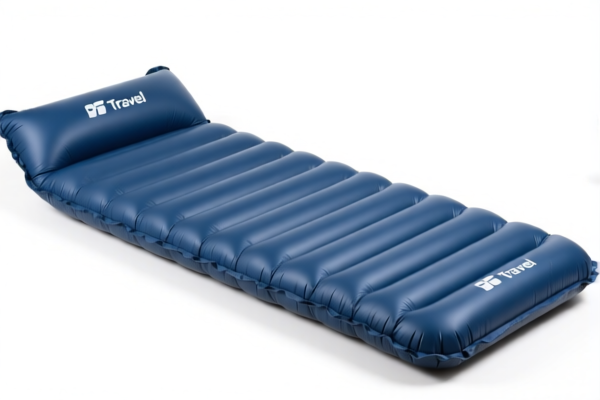
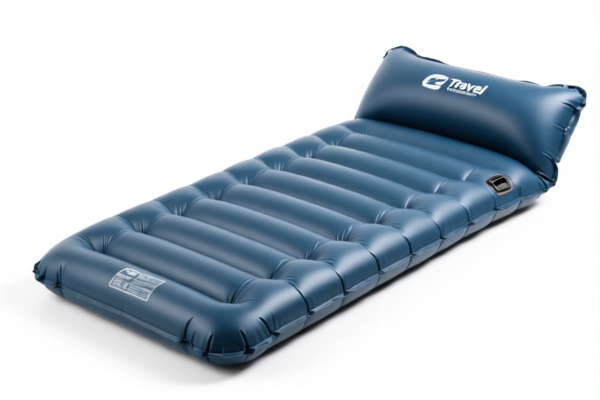
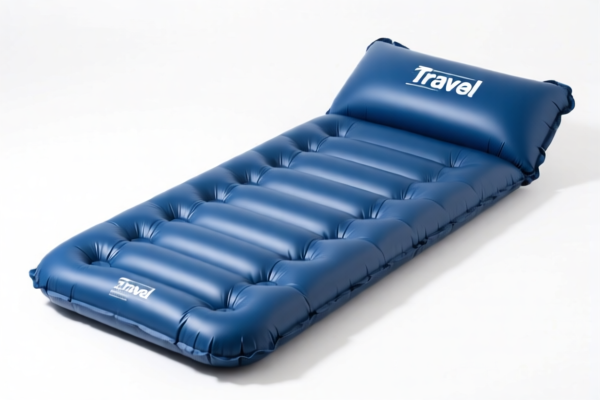
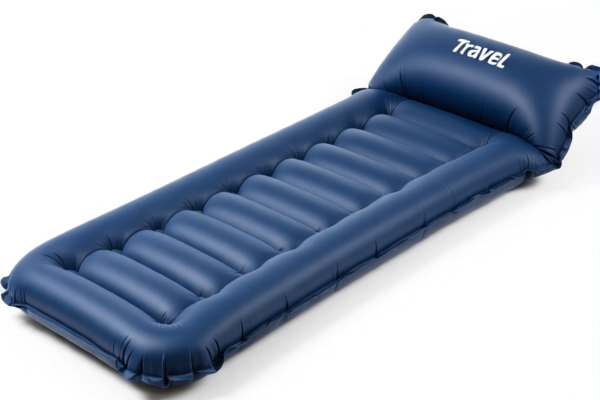
AI Analysis
🛏️ Inflatable Mattress (充气床垫)
🌐 HS Code Classification & Customs Clearance Guide | 2026 Tariff Analysis for US Imports
📌 I. Product Definition & Core Classification Logic: Is it Rubber or Textile?
The Inflatable Mattress is a versatile sleeping aid, commonly used for camping, guest rooms, and emergency shelter. However, in international trade, its HS Code classification is strictly determined by its material composition. Since the generic term "Inflatable Mattress" does not specify the primary material, customs authorities and classifiers often present multiple possibilities based on common manufacturing materials:
1. Textile-Based (PVC/Nylon Fabric):
Common for household or camping mattresses. The outer shell is made of synthetic fibers or coated textile.
→ Classification Focus: Chapter 63 (Other Made-Up Articles; Set... of textiles).
2. Cellular Rubber:
Manufactured entirely from vulcanized rubber or synthetic rubber compounds, often used for specialized or industrial beds.
→ Classification Focus: Chapter 40 (Rubber and Articles Thereof).
3. Plastic/Synthetic Polymer:
Made primarily of PVC, TPU, or other plastics without a textile reinforcement layer, or classified under "Plastic Mattresses."
→ Classification Focus: Chapter 94 (Furniture... Mattresses...).
⚠️ Critical Distinction Point:
- If the mattress is primarily textile (even if coated with PVC) → Go to 6306 or 9404.90.
- If the mattress is primarily rubber → Go to 4016.95.
- If the mattress is considered a plastic/synthetic foam mattress (non-textile) → Go to 9404.21.
📦 II. HS Code Classification Details (2026 Latest Tariff Data)
Based on the provided data, here are the four most likely HS Codes for an "Inflatable Mattress," categorized by material inference:
| HS Code | Product Description & Matching Logic | Tax Rate | Key Customs Notes |
|---|---|---|---|
6306.40.49.00 |
Other Textile Material Inflatable Goods 🔹 Match Logic: Name "Inflatable Mattress" matches usage. Material inferred as textile (common for consumer goods). No material conflict. |
13.7% | Lowest Duty. • Base: 3.7% • Section 301: 0% • 122 Clause: 10% |
9404.90.96.70 |
Other Sleeping Bags & Similar Articles; Mattresses (Other) 🔹 Match Logic: Shape is a mattress. Material inferred as plastic/PVC (common for inflatables), falling under "Other" materials (not cellular rubber). |
17.3% | Moderate Duty. • Base: 7.3% • Section 301: 0% • 122 Clause: 10% |
4016.95.00.00 |
Other Rubber Articles, Inflatable 🔹 Match Logic: Shape is "Inflatable Article." Material inferred as vulcanized rubber or synthetic rubber. |
21.7% | High Section 301 Duty. • Base: 4.2% • Section 301: 7.5% • 122 Clause: 10% |
9404.21.00.95 |
Mattresses Containing Cellular Rubber or Cellular Plastics 🔹 Match Logic: Shape is mattress. Material inferred as plastic/synthetic ("of plastics"). Fits definition of cellular plastic mattresses. |
38.0% | Highest Duty. • Base: 3.0% • Section 301: 25% • 122 Clause: 10% |
🔍 Key Insight:
-6306.40.49.00is the most favorable for textile-based inflatables (common camping/household mats).
-9404.21.00.95and4016.95.00.00carry heavy Section 301 tariffs (25% and 7.5% respectively) due to the "Cellular Rubber/Plastic" or "Rubber" classification.
-9404.90.96.70offers a middle ground (17.3%) if the product is plastic but not classified as "cellular."
💰 III. Detailed Tariff Breakdown (US Market, China Origin)
✅ Applicable Country: United States (US)
✅ Origin: China (CN)
✅ Effective Date: Current (Post-2025 adjustments included)
🎯 1. 6306.40.49.00 – Textile-Based Inflatable Goods
| Item | Detail |
|---|---|
| Base Tariff | 3.7% |
| Section 301 Tariff | 0.0% |
| Section 122 Tariff | 10.0% |
| Total Effective Rate | 13.7% |
| Calculation | CIF Value × 13.7% |
| De Minimis Eligibility | ❌ No (Section 321 does not apply to textile inflatables if value > $800 or specific restrictions apply, but typically de minimis is blocked for China textile goods under certain conditions; Note: Always verify current de minimis rules as they are frequently subject to suspension). |
📌 Why 0% Section 301?
Textile inflatable goods (Chapter 63) are not targeted by the major Section 301 tariffs that hit Chapter 94 (Furniture) or Chapter 40 (Rubber). This makes it the most cost-effective classification for textile-based mats.
🎯 2. 9404.90.96.70 – Other Mattresses (Plastic/Non-Textile)
| Item | Detail |
|---|---|
| Base Tariff | 7.3% |
| Section 301 Tariff | 0.0% |
| Section 122 Tariff | 10.0% |
| Total Effective Rate | 17.3% |
| Calculation | CIF Value × 17.3% |
| De Minimis Eligibility | ❌ No |
📌 Why 0% Section 301?
While Chapter 94 is generally subject to Section 301, this specific subheading (9404.90.96) may be exempt or excluded from the 25% bracket depending on the specific exclusion list or footnote. However, classification is risky if the product is actually "cellular plastic" (which would fall under 9404.21 and incur 25%).
🎯 3. 4016.95.00.00 – Rubber Inflatable Articles
| Item | Detail |
|---|---|
| Base Tariff | 4.2% |
| Section 301 Tariff | 7.5% |
| Section 122 Tariff | 10.0% |
| Total Effective Rate | 21.7% |
| Calculation | CIF Value × 21.7% |
| De Minimis Eligibility | ❌ No |
📌 Why 7.5% Section 301?
Rubber articles are subject to Section 301, but at a reduced rate (7.5%) compared to the standard 25% for many manufactured goods.
🎯 4. 9404.21.00.95 – Cellular Rubber/Plastic Mattresses
| Item | Detail |
|---|---|
| Base Tariff | 3.0% |
| Section 301 Tariff | 25.0% |
| Section 122 Tariff | 10.0% |
| Total Effective Rate | 38.0% |
| Calculation | CIF Value × 38.0% |
| De Minimis Eligibility | ❌ No |
📌 Why 25% Section 301?
This is the standard maximum Section 301 tariff for mattresses. If your product is made of cellular plastic (PVC/TPU with air cells) and classified here, you face the highest duty. Avoid this classification unless absolutely necessary.
🛠️ IV. Customs Clearance Practical Advice (Proven Strategies)
✅ 1. Documentation Checklist (Must-Have)
| Document | Requirement | Purpose |
|---|---|---|
| ✅ Product Specification Sheet | ✔️ Mandatory | Must specify material composition (e.g., "PVC-coated nylon," "Vulcanized Rubber," "TPU"). This determines the HS Code. |
| ✅ Material Safety Data Sheet (MSDS) | ✔️ If applicable | For rubber/plastic content verification. |
| ✅ Commercial Invoice | ✔️ Mandatory | Clearly state "Inflatable Mattress" and material type (e.g., "100% Nylon with PVC Coating"). |
| ✅ Packing List | ✔️ Mandatory | Show dimensions and weight. Inflatable items are voluminous; ensure CBM is accurate. |
| ✅ Test Reports (CPC) | ✔️ Mandatory for US | Children’s Products? If marketed for kids, CPSC test report is required. |
| ✅ Proof of Non-Rubber (if claiming 6306) | ✔️ Recommended | Provide photos showing textile weave structure to argue for 6306 over 4016. |
✅ 2. Classification Strategy & Cost Optimization
🔥 "Know Your Material, Save Your Duty!"
| Scenario | Recommended HS Code | Duty | Action Item |
|---|---|---|---|
| Household/Camping Mattress (Textile Surface) | 6306.40.49.00 |
13.7% | ✅ Best Choice. Ensure invoice says "Textile" or "Nylon/Polyester." Avoid words like "Rubber" or "Foam." |
| Simple PVC Mat (No Textile) | 9404.90.96.70 |
17.3% | ⚠️ Alternative. Only if truly no textile. Ensure it's not "cellular plastic" to avoid 9404.21. |
| Rubber Air Bed (Industrial/Special) | 4016.95.00.00 |
21.7% | ❌ Higher Cost. Only if made of actual rubber. |
| Foam/PVC Cellular Mattress | 9404.21.00.95 |
38.0% | 🚫 Avoid. Highest duty. Do not classify as such unless it’s a rigid cellular plastic mattress. |
✅ 3. Common Pitfalls & How to Avoid Them
❌ Mistake 1: Vague Description "Inflatable Bed"
👉 Risk: Customs may assume the highest duty category (Cellular Plastic, 38%).
👉 Fix: Always specify material: "Inflatable Mattress, 100% Nylon Fabric with PVC Coating."
❌ Mistake 2: Using "Rubber" Keywords for Textile Goods
👉 Risk: Customs may misclassify as 4016.95.00.00 (21.7%) or 9404.21.00.95 (38%) if they suspect rubber content.
👉 Fix: Emphasize "Textile," "Fabric," or "Nylon" in description.
❌ Mistake 3: Ignoring Section 122 Tariff
👉 Risk: All these HS codes include a 10% Section 122 tariff (on specific Chinese goods).
👉 Fix: Factor this 10% into your cost calculation. It applies to all four options.
🌍 V. Global Market Comparison (2026)
| Market | Recommended HS Code | Est. Duty Rate | Notes |
|---|---|---|---|
| 🇺🇸 USA | 6306.40.49.00 |
13.7% | Best for textile inflatables. Avoid 9404.21 (38%). |
| 🇨🇳 China | 6306.40.49.00 |
~7-9% | Import duty varies, but no Section 301. |
| 🇪🇺 EU | 6306.22.00 |
~6-9% | EU uses 8-digit CN code. Textile inflatables are lower duty. |
| 🇬🇧 UK | 6306.22.00 |
~6-9% | Post-Brexit tariffs align with EU for textiles. |
📌 Conclusion:
The US market is the most sensitive to tariff differentials. Classifying correctly as6306.40.49.00(Textile) saves ~24-44% in duties compared to rubber/plastic classifications.
📌 VI. Final Checklist for Importers
- Confirm Material: Is it textile (nylon/polyester) or rubber/plastic?
- Draft Description: "Inflatable Mattress, [Material], for [Usage]."
- Select HS Code:
- Textile →
6306.40.49.00(13.7%) ✅ - Plastic (Non-Cellular) →
9404.90.96.70(17.3%) - Rubber →
4016.95.00.00(21.7%) - Cellular Plastic →
9404.21.00.95(38.0%) 🚫 - Prepare Docs: Invoice, Packing List, Spec Sheet, CPC (if applicable).
- Verify De Minimis: Check if package value < $800 qualifies (often blocked for China textiles).
📣 Pro Tip:
📞 Get an Advance Ruling (PAR) from CBP if your product is borderline (e.g., mixed materials).
💡 Cost-Saving Tip: Even a small shift from9404.21(38%) to6306.40(13.7%) can save $24,300 per $100,000 shipment!
✨ Smart Classification = Higher Profit Margins
💼 Don’t let duty rates eat your margins!
Customer Reviews
About HS Code Classification
The Harmonized System (HS) is an internationally standardized nomenclature developed by the World Customs Organization (WCO) to classify traded products. Over 200 countries use the HS system as the basis for customs tariffs, trade statistics, and import/export regulations.
Each HS code follows a hierarchical structure:
- Chapter (2 digits) — Broad category of goods (e.g., Chapter 84: Machinery and Mechanical Appliances)
- Heading (4 digits) — More specific grouping within the chapter
- Subheading (6 digits) — Internationally standardized breakdown, used by all WCO member countries
- National subdivisions (8-10 digits) — Country-specific extensions for further classification, such as US HTSUS 10-digit codes
Correct HS code classification is essential for smooth customs clearance, accurate duty payment, and compliance with trade regulations. Misclassification can lead to customs delays, overpayment of duties, or penalties.
When importing from CN to US, the applicable tariff rates may include:
- Most-Favored-Nation (MFN) rate — The standard duty rate applied to WTO members
- General rate — Applied to countries without trade agreements
- Trade remedy duties — Additional tariffs such as Section 301 (anti-dumping), Section 232 (national security), or countervailing duties
The information provided on this page is for reference purposes only. For official classification, please consult with your local customs authority or a licensed customs broker.