inflatable stick
CN → US| HS Code | Tariff Rate | Origin | Destination | Doc |
|---|---|---|---|---|
| 6114200055 | 28.3% | CN | US | Official Doc |
| 3926909989 | 22.8% | CN | US | Official Doc |
| 6114909070 | 15.6% | CN | US | Official Doc |
| 9503000013 | 10.0% | CN | US | Official Doc |
| 9503000011 | 10.0% | CN | US | Official Doc |
Product Images
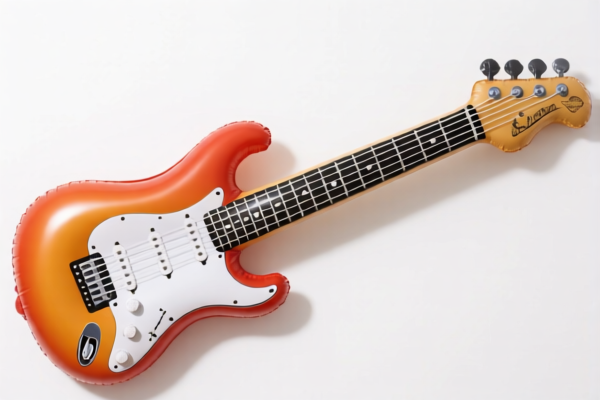
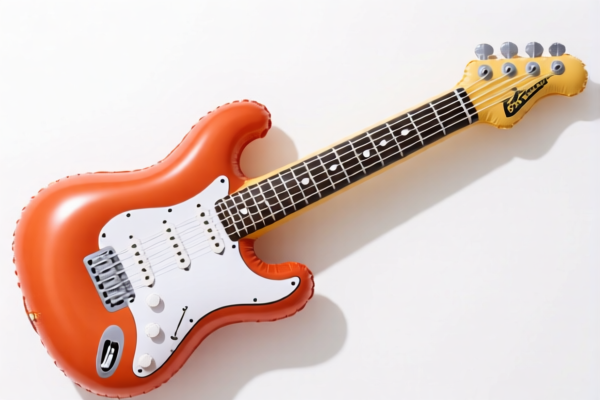
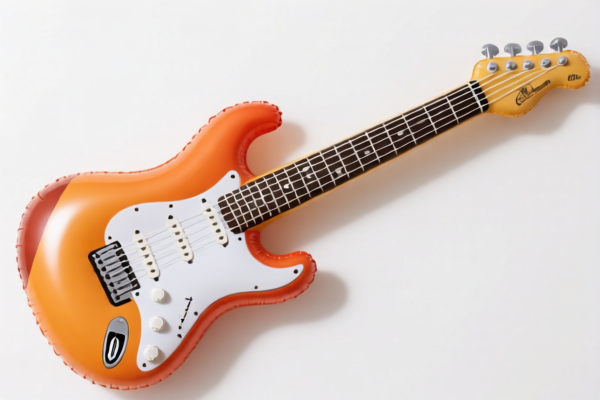
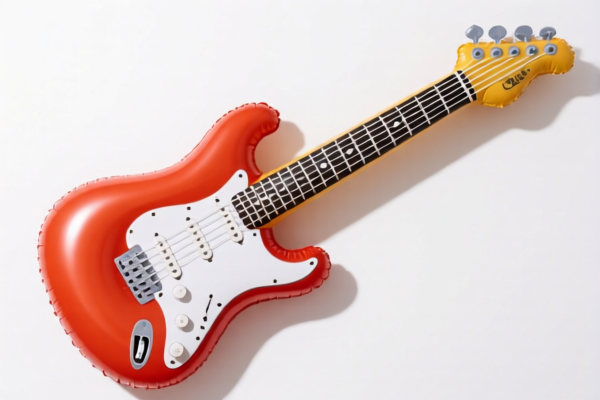
AI Analysis
🎈 Inflatable Stick (Air Blown Plastic/Rubber Sticks)
🌐 HS Code Reference & Customs Clearance Guide | 2026 Latest Tariff Analysis | Professional Strategy for Toy & Plastic Goods
📌 1. Product Definition & Classification: What is an "Inflatable Stick"?
"Inflatable sticks" are typically flexible, air-filled tubes made from PVC, PE, or rubber. They are commonly used as: * Party Toys: "Whoopee" sticks, party blowers, or inflatable batons for celebrations. * Promotional Items: Lightweight, branded advertising tools. * Playground Equipment: Inflatable bumpers or soft play structures.
⚠️ Critical Classification Distinction:
In international trade, the classification depends heavily on the material, form, and primary function.
* If it is a toys (primarily for amusement), it usually falls under Chapter 95 (Toys).
* If it is a general plastic product (not primarily a toy, or ambiguous use), it may fall under Chapter 39 (Plastics) or a residual category.
* Key Differentiator: Is it sold as a "toy"? If yes, 9503 is preferred. If it is a generic plastic tube or accessory, 3926 or 6114 might apply, but for "sticks" that are inflated, 9503 is the most common for consumer goods.
📦 2. HS Code Classification Details (2026 Latest Tariff Data)
Based on the provided <DATA>, here are the relevant HS Codes and their tax implications for goods entering the US (or similar markets with "122 Clause" tariffs).
| HS Code | Product Description | Primary Use/Material | Tax Rate |
|---|---|---|---|
| 9503.00.00.13 | Rubber/Plastic Inflatable Toys / Ball-like Shapes | Inflatable toys, primarily rubber or plastic | 10.0% |
| 9503.00.00.11 | Inflatable Toys (Plastic/Rubber, Inflatable Form) | General inflatable toys, not specifically balls | 10.0% |
| 6114.20.00.55 | Knitted/Crocheted Toys/Apparel Accessories | Synthetic fiber or cotton fabric | 28.3% |
| 3926.90.99.89 | Other Plastic Articles (PVC/PE) | General plastic制品, not classified elsewhere | 22.8% |
| 6114.90.90.70 | Other Consumer Goods (Plastic/PVC Fallback) | Residual category for plastic/PVC items | 15.6% |
🔍 Priority Note:
For a standard "Inflatable Stick" (e.g., a party blower or inflatable wand), the most accurate classification is usually 9503.00.00.11 or 9503.00.00.13, as they are explicitly defined as inflatable toys. This results in the lowest total tax rate among the options.
If the item is not a toy (e.g., an industrial air tube), then 3926.90.99.89 (22.8%) or 6114.90.90.70 (15.6%) might be considered, but "stick" implies a consumer/toy item.
💰 3. Detailed Tariff Breakdown (2026 Latest Rates)
✅ Applicable Country: United States (US)
✅ Origin: China (CN)
✅ Effective Date: Includes subsequent imports under current trade policies
🎯 1. 9503.00.00.11 & 9503.00.00.13 – Inflatable Toys (RECOMMENDED)
Most accurate for inflatable plastic/rubber sticks used as toys.
| Item | Content |
|---|---|
| Base Tariff | 0.0% (ad valorem) |
| Section 301 Additional Tariff | 0.0% |
| "122 Clause" Tariff | 10.0% |
| Total Tax Rate | 10.0% |
| Tax Calculation | CIF Value × 10% |
| De Minimis Eligibility | ❌ No (Deny de minimis for Chapter 95 under certain conditions, but primarily high tariff) |
| Legal Basis | USITC:9503.00.00.11/13 → 122 Clause: 10% |
📌 Explanation:
- Inflatable toys from China are subject to the "122 Clause" tariff of 10%.
- Unlike many electronics or steel products, inflatable toys do not carry the additional 7.5% Section 301 tariff or the 25% USITC footnote in many cases, making them very cost-effective.
- Total duty is only 10%, which is significantly lower than other categories.
🎯 2. 6114.20.00.55 – Knitted/Crocheted Accessories (Synthetic/Cotton)
Only applicable if the "stick" is actually a knitted fabric item (e.g., a party hat or soft fabric accessory), NOT an inflatable plastic tube.
| Item | Content |
|---|---|
| Base Tariff | 10.8% |
| Section 301 Additional Tariff | 7.5% |
| "122 Clause" Tariff | 10.0% |
| Total Tax Rate | 28.3% |
| Tax Calculation | CIF Value × 28.3% |
📌 Note: This is not suitable for standard inflatable plastic sticks. Use only if the product is a knitted textile item.
🎯 3. 3926.90.99.89 – Other Plastic Articles (PVC/PE)
Fallback classification if the item is not clearly a "toy" but a general plastic product.
| Item | Content |
|---|---|
| Base Tariff | 5.3% |
| Section 301 Additional Tariff | 7.5% |
| "122 Clause" Tariff | 10.0% |
| Total Tax Rate | 22.8% |
| Tax Calculation | CIF Value × 22.8% |
📌 Note: Higher than toy classification. Only use if the item cannot be proven to be a toy (e.g., industrial inflatable part).
🎯 4. 6114.90.90.70 – Other Consumer Goods (Plastic/PVC Fallback)
| Item | Content |
|---|---|
| Base Tariff | 5.6% |
| Section 301 Additional Tariff | 0.0% |
| "122 Clause" Tariff | 10.0% |
| Total Tax Rate | 15.6% |
| Tax Calculation | CIF Value × 15.6% |
📌 Note: A mid-range option. Use if the product is ambiguous but clearly plastic/PVC.
🛠️ 4. Customs Clearance Practical Advice (Avoiding Pitfalls)
✅ 1. Preparation Checklist (Must-Have)
| Document | Required | Description |
|---|---|---|
| ✅ Product Photos | ✔️ | Clear images of the inflatable stick, showing it is inflated or has inflation valves. |
| ✅ Product Description | ✔️ | Specify: "Inflatable Plastic Toy Stick, PVC Material, for Party Use." |
| ✅ Material Statement | ✔️ | Confirm if it is PVC, PE, or Rubber. |
| ✅ Intended Use | ✔️ | Must state "For Toy Use" to qualify for 9503. If used industrially, it may be reclassified. |
| ✅ Commercial Invoice | ✔️ | Clearly describe as "Inflatable Toy" to avoid misclassification under general plastics. |
✅ 2. Classification Strategy (Key Tips)
🔥 "Call it a Toy, Keep it at 10%!"
| Scenario | Correct HS Code | Why? |
|---|---|---|
| Party Blower / Inflatable Wand | 9503.00.00.11 or 9503.00.00.13 |
It is a toy, inflated, plastic/rubber. Lowest tax (10%). |
| Industrial Air Hose (Not for Fun) | 3926.90.99.89 |
Not a toy, general plastic article. Higher tax (22.8%). |
| Knitted Fabric Accessory | 6114.20.00.55 |
If it is fabric, not plastic. Highest tax (28.3%). |
| Ambiguous Plastic Item | 6114.90.90.70 |
Fallback. Mid tax (15.6%). |
✅ 3. Special Considerations
| Situation | Recommendation |
|---|---|
| Product Contains Battery | If the inflatable stick has a light/sound module, it may move to 8503 or 8543, which have different tariffs. Check if it's toy-like. |
| Small Quantity (De Minimis) | Caution: Chapter 95 (Toys) may not benefit from de minimis (under $800) exemptions under current US policies for Chinese goods. Verify with your broker. |
| Labeling | Ensure labels say "Toy" and include age warnings (e.g., "Not for children under 3") to support toy classification. |
🌍 5. Global Market Comparison (2026)
| Country | Recommended HS Code | Total Tariff | Notes |
|---|---|---|---|
| 🇺🇸 USA | 9503.00.00.11/13 |
10.0% | Lowest rate due to toy classification. |
| 🇨🇳 China | 9503.00.00.11 |
~5-10% | Standard import duty for toys. |
| 🇪🇺 EU | 9503.00.00 |
~4.7% | Lower tariffs, but strict safety standards (CE, EN71). |
| 🇬🇧 UK | 9503.00.00 |
~4.5% | Post-Brexit tariffs apply. |
📌 Conclusion:
The USA offers a very competitive 10% tariff for inflatable toys from China, thanks to the "122 Clause" structure. This is significantly cheaper than general plastic goods (22.8%) or knitted items (28.3%).
📌 6. Common Errors & Pitfalls (Blood Lessons)
❌ Error 1: Classifying an inflatable toy as "General Plastic Article" (3926)
👉 Consequence: Tax jumps from 10% to 22.8%. Don't do it!
❌ Error 2: Calling it "Clothing Accessory" when it's plastic
👉 Consequence: Misclassification, potential fines, and 28.3% tax.
❌ Error 3: Not proving it's a "Toy"
👉 Consequence: Customs may reclassify it as a non-toy plastic item, leading to back taxes + penalties.
✅ Correct Approach:
"Inflatable PVC Toy Stick, Party Favor, Non-Toxic Material, Model XYZ"
🎯 7. Conclusion: Professional Classification Saves Money
🎯 Key Takeaway:
🔹 "Inflatable Stick = Toy = 10% Tax"
🔹 "Plastic Tube = General Article = 22.8% Tax"
🔹 "Fabric Accessory = Knitted = 28.3% Tax"
📌 Pro Tip:
Ensure your commercial invoice and product photos explicitly state "Toy" and show the item in its inflated state. This supports classification under 9503, saving you 12.8% to 18.3% in tariffs compared to other categories.
✨ Professional Customs Clearance Starts with Accurate Classification!
💼 Every Percentage Point Counts – Choose 9503 for Inflatable Sticks!
Customer Reviews
About HS Code Classification
The Harmonized System (HS) is an internationally standardized nomenclature developed by the World Customs Organization (WCO) to classify traded products. Over 200 countries use the HS system as the basis for customs tariffs, trade statistics, and import/export regulations.
Each HS code follows a hierarchical structure:
- Chapter (2 digits) — Broad category of goods (e.g., Chapter 84: Machinery and Mechanical Appliances)
- Heading (4 digits) — More specific grouping within the chapter
- Subheading (6 digits) — Internationally standardized breakdown, used by all WCO member countries
- National subdivisions (8-10 digits) — Country-specific extensions for further classification, such as US HTSUS 10-digit codes
Correct HS code classification is essential for smooth customs clearance, accurate duty payment, and compliance with trade regulations. Misclassification can lead to customs delays, overpayment of duties, or penalties.
When importing from CN to US, the applicable tariff rates may include:
- Most-Favored-Nation (MFN) rate — The standard duty rate applied to WTO members
- General rate — Applied to countries without trade agreements
- Trade remedy duties — Additional tariffs such as Section 301 (anti-dumping), Section 232 (national security), or countervailing duties
The information provided on this page is for reference purposes only. For official classification, please consult with your local customs authority or a licensed customs broker.