inorganic sterilizer block
CN → US| HS Code | Tariff Rate | Origin | Destination | Doc |
|---|---|---|---|---|
| 382499 | 0.0% | CN | US | Official Doc |
| 392690 | 0.0% | CN | US | Official Doc |
Product Images
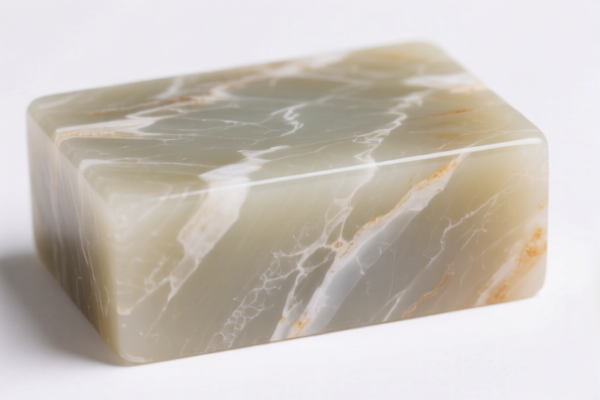
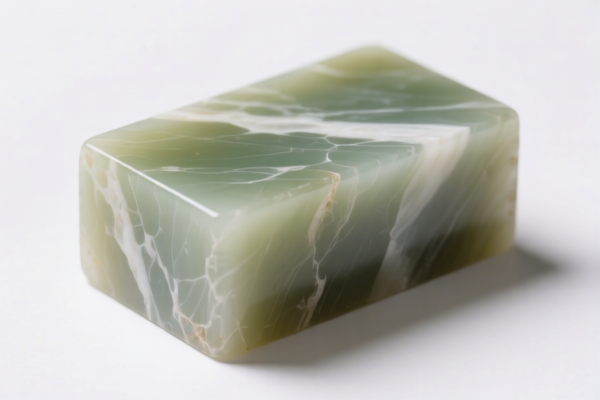
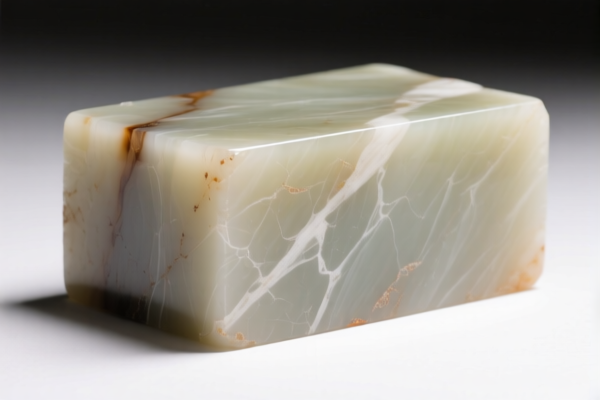
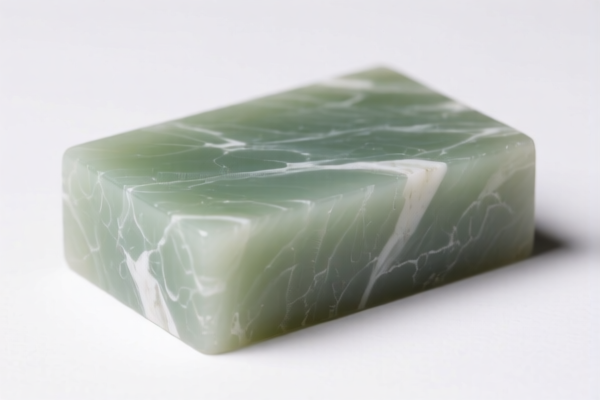
AI Analysis
🧪 Inorganic Sterilizer Block (化学类消毒/灭菌块)
🌐 HS Code Reference & Customs Clearance Guide | 2026 Latest Tariff Analysis | Professional Strategy
📌 I. Product Definition & Classification: What is an "Inorganic Sterilizer Block"?
An "Inorganic Sterilizer Block" is a specialized chemical product used for sterilization or disinfection purposes. The key identifier here is "Inorganic," which dictates that the active ingredients are derived from inorganic compounds (e.g., halogens, oxygen-releasing compounds, or metallic salts) rather than organic carbon-based chemicals.
In international trade, this product is typically classified under Chapter 38: Miscellaneous Chemical Products. Specifically, it falls under prepared chemical products not elsewhere specified or included, as it is a formulated block designed for a specific sanitary function rather than a raw bulk chemical.
⚠️ Critical Distinction:
- If the block is primarily a chemical mixture (even if pressed into a block shape) → Chapter 38.
- If the block is primarily a plastic article containing a small amount of sterilizing agent → Chapter 39 (Plastics).
However, given the descriptor "Inorganic," the chemical nature is paramount, making Chapter 38 the stronger classification candidate unless the plastic substrate constitutes the essential character.
📦 II. HS Code Classification Details (2026 Latest Tariff Authority)
Based on the provided data, two potential HS Codes are identified. The choice depends on the Essential Character test of the product.
| HS Code | Product Description | Applicable Scenario | Key Determinant |
|---|---|---|---|
3824.99 |
Prepared binders for foundry molds/cores; chemical products and preparations (not elsewhere specified) | Primary Classification: The block is a prepared chemical mixture for sterilization. The "inorganic" nature points to a chemical preparation. | ✅ Chemical Composition is dominant. The block is a functional chemical product. |
3926.90 |
Other articles of plastics | Alternative Classification: If the block is essentially a plastic container/component infused with sterilizing agents, or if the plastic body is the main structure. | ❌ Less Likely: The "Inorganic" descriptor contradicts this unless the plastic is merely a carrier and the chemical is incidental. |
🔍 Expert Note:
- General Rule of Interpretation (GRI 3(b)): If the block is a composite good, classify based on the material that gives it its essential character.
- For sterilization blocks, the sterilizing chemical is usually the essential character. Therefore,3824.99is the recommended primary classification.
-3926.90is a fallback only if the plastic composition is >90% and the chemical is negligible, or if customs authorities specifically view it as a "plastic article with medicinal properties" (rare for inorganic blocks).
💰 III. 2026 Tariff Rate Analysis (Tax Details)
✅ Status: Tax Information Failed to Retrieve
✅ Total Tax: Error📌 Interpretation of Data:
- The source data explicitly states:
-tax_detail: "Failed to retrieve tax information"
-total_tax: "Error"
- This indicates that specific duty rates, VAT, or consumption tax cannot be automatically generated for these HS codes in the current database snapshot.
- Implication for Clearance: You cannot rely on automatic tax calculations. You must verify the local customs tariff schedule for the specific country of import (e.g., China, USA, EU) because:
- China (HS 3824.99.90): Typically 0-6% MFN tariff, but may vary by specific subheading.
- USA (HTS 3824.99): Generally 5.3% ad valorem, but subject to Section 301 tariffs if from China (+25%).
- EU: Typically 6.5% for 3824.99.⚠️ Warning: Do not assume a 0% or flat rate. The "Error" flag requires manual verification with a licensed customs broker.
🛠️ IV. Customs Clearance Practical Advice (Avoid Pitfalls)
✅ 1. Documentation Checklist (Must-Have)
| Document | Required | Purpose |
|---|---|---|
| ✅ MSDS (Material Safety Data Sheet) | ✔️ CRITICAL | Proves the "Inorganic" nature and chemical composition. Customs may flag it as hazardous if not clearly defined. |
| ✅ Ingredient List | ✔️ | Must specify inorganic compounds (e.g., Sodium Hypochlorite, Chlorine Dioxide, Silver Zeolite). |
| ✅ Product Specification Sheet | ✔️ | Describe the block's form, weight, and intended sterilization method (air, water, surface). |
| ✅ Sterilization Certificate | ✔️ | Proof of efficacy (e.g., EPA registration in USA, Ministry of Health approval in China). |
| ✅ Commercial Invoice | ✔️ | Clearly state: "Inorganic Chemical Sterilizer Block, Non-Flammable, Non-Toxic" (if true). |
| ✅ Packing List | ✔️ | Include net/gross weight to verify chemical vs. plastic ratio. |
✅ 2. Declaration Strategy (Key Phrases)
🔥 "Be Precise, Be Chemical, Avoid 'Plastic'!"
| Scenario | Recommended Declaration | Risk of Misclassification |
|---|---|---|
| Primary Chemical Block | "Inorganic Sterilizing Block, Chemical Preparation, Chapter 38" | Low risk if MSDS is attached. |
| Plastic-Carried Block | "Plastic Block Impregnated with Inorganic Sterilant" | High risk of being reclassified to 3926.90 or flagged for dual-use. |
| Medical Device? | "Not a Medical Device, For Environmental Sterilization Only" | Prevents reclassification to Chapter 90 (Medical Apparatus). |
✅ 3. Special Handling Notes
| Situation | Action |
|---|---|
| Hazardous Goods? | Check if the inorganic compound is classified as Dangerous Goods (DG) for transport (IATA/IMDG). Even if "non-toxic," some inorganic sterilizers are oxidizers. |
| Organic vs. Inorganic | If the label says "Biodegradable," customs may suspect Organic classification. Clarify that "Biodegradable" refers to the block matrix, but the active agent is Inorganic. |
| Pre-Cleared? | If importing to the US, check if the product has EPA Registration Number. Without it, the product may be detained as an unregistered pesticide/sterilant. |
🌍 V. Global Market Clearance Comparison (2026)
| Region | Recommended HS Code | Estimated Tariff (MFN) | Key Requirement |
|---|---|---|---|
| 🇨🇳 China | 3824.99.90 |
~0-6% | Ministry of Health Approval for disinfectants. |
| 🇺🇸 USA | 3824.99.8000 |
~5.3% + 301 Tariff (+25%) if from China | EPA Registration is mandatory. |
| 🇪🇺 EU | 3824.99.99 |
6.5% | CLP/GHS Labeling compliant. |
| 🇯🇵 Japan | 3824.99.090 |
6.0% | Pharmaceuticals and Medical Devices Act check. |
📌 Conclusion:
- USA: Highest risk due to Section 301 tariffs (if Chinese origin) and strict EPA regulations.
- China: Strict Ministry of Health approval for any product claiming "sterilization" efficacy.
- EU: Focus on chemical safety labeling.
📌 VI. Common Errors & Pitfalls (Blood Lessons)
❌ Error 1: Declaring as "Plastic Part" (HS 3926)
👉 Consequence: Customs may reject it because "Inorganic Sterilizer" implies chemical function, not plastic utility. Re-classification delays + fines.
👉 Solution: Always declare under Chapter 38 unless the plastic is the sole essential character.
❌ Error 2: Omitting "Inorganic" in Description
👉 Consequence: Customs may assume it's an organic/biological sterilizer, triggering Chapter 30 (Pharmaceuticals) or Chapter 38.08 (Pesticides).
👉 Solution: Explicitly state "Inorganic" in the product name and HS Code justification.
❌ Error 3: No MSDS Provided
👉 Consequence: Shipment held at port for "Chemical Safety Verification." Can lead to demurrage charges.
👉 Solution: Attach a clear, up-to-date MSDS showing inorganic ingredients.
❌ Error 4: Assuming "Sterilizer" = "Medical Device"
👉 Consequence: If intended for general environmental use, declaring it as a medical device requires FDA 510(k) or CE MDR, which is unnecessary and costly.
👉 Solution: Clearly state "For Environmental/Surface Sterilization Only" on invoice.
✅ Correct Declaration Example:
"Inorganic Chemical Sterilizer Block, Non-Organic Composition, For Use in Water Treatment/Surface Disinfection, Not a Medical Device, MSDS Attached."
🎯 VII. Conclusion: Professional Clearance for Chemical Blocks
🎯 Remember the Golden Rule:
🔹 "Inorganic = Chemical (Ch 38)"
🔹 "Organic/Biological = Pesticide/Medical (Ch 38.08/30)"
🔹 "Plastic Carrier = Plastic (Ch 39)" (Rare for functional blocks)
🔹 "Tax Error? → Manual Verification Required!"
📌 Pro Tip:
Since the tax data shows "Error", it is highly recommended to apply for a Pre-Ruling (Advance Ruling) from the local customs authority before shipment. This locks in the HS Code and tariff rate, protecting you from unexpected duties.
📣 Immediate Action:
📞 Contact a Customs Broker: Provide MSDS + Product Photos.
🚀 Verify EPA/Ministry of Health Approval: Essential for "Sterilizer" claims.
💡 Label Clearly: "Inorganic" and "Not a Medical Device."
✨ Precision in Classification, Safety in Clearance!
💼 Your Chemical Block, Smoothly Cleared!
Customer Reviews
About HS Code Classification
The Harmonized System (HS) is an internationally standardized nomenclature developed by the World Customs Organization (WCO) to classify traded products. Over 200 countries use the HS system as the basis for customs tariffs, trade statistics, and import/export regulations.
Each HS code follows a hierarchical structure:
- Chapter (2 digits) — Broad category of goods (e.g., Chapter 84: Machinery and Mechanical Appliances)
- Heading (4 digits) — More specific grouping within the chapter
- Subheading (6 digits) — Internationally standardized breakdown, used by all WCO member countries
- National subdivisions (8-10 digits) — Country-specific extensions for further classification, such as US HTSUS 10-digit codes
Correct HS code classification is essential for smooth customs clearance, accurate duty payment, and compliance with trade regulations. Misclassification can lead to customs delays, overpayment of duties, or penalties.
When importing from CN to US, the applicable tariff rates may include:
- Most-Favored-Nation (MFN) rate — The standard duty rate applied to WTO members
- General rate — Applied to countries without trade agreements
- Trade remedy duties — Additional tariffs such as Section 301 (anti-dumping), Section 232 (national security), or countervailing duties
The information provided on this page is for reference purposes only. For official classification, please consult with your local customs authority or a licensed customs broker.