insulated bag
CN → US| HS Code | Tariff Rate | Origin | Destination | Doc |
|---|---|---|---|---|
| 3923290000 | 38.0% | CN | US | Official Doc |
| 4202920807 | 42.0% | CN | US | Official Doc |
| 3923900080 | 38.0% | CN | US | Official Doc |
| 6307909875 | 17.0% | CN | US | Official Doc |
| 4202920809 | 42.0% | CN | US | Official Doc |
| 6307909891 | 24.5% | CN | US | Official Doc |
Product Images
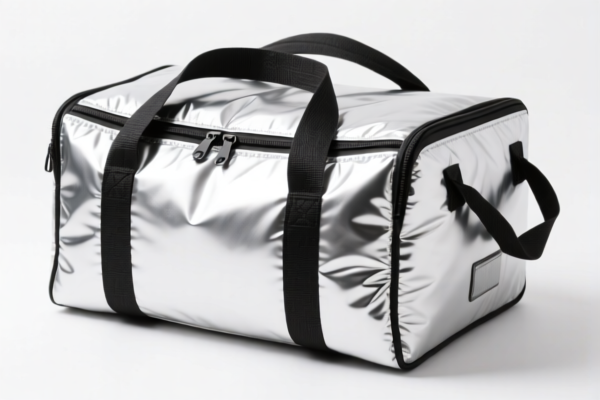
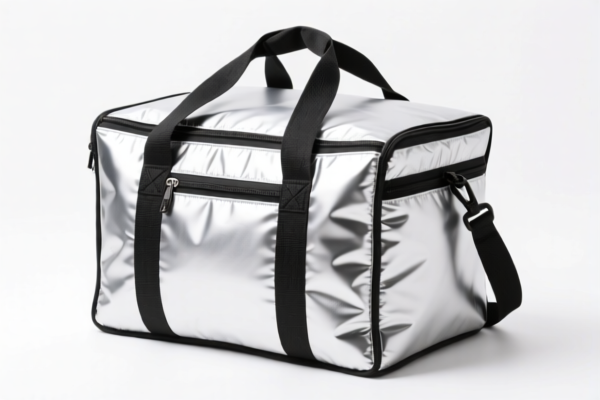
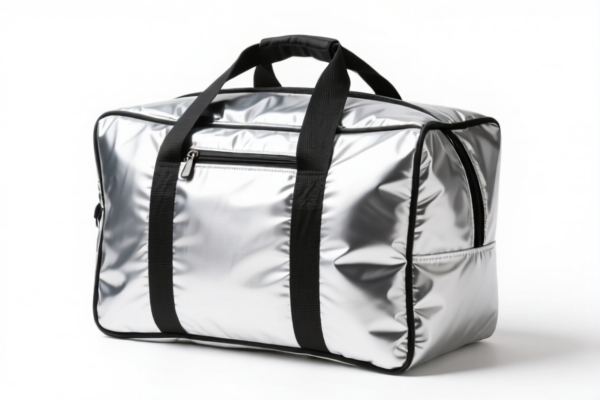
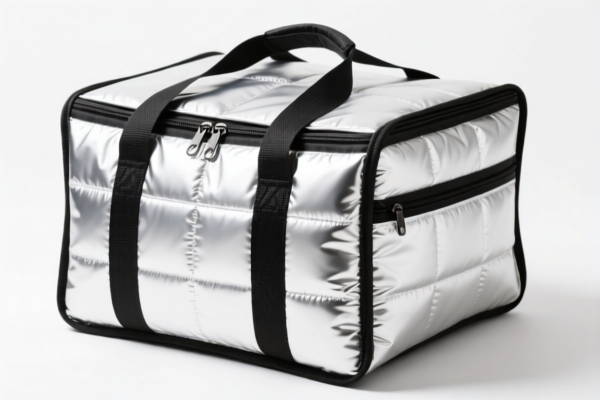
AI Analysis
🧊 Insulated Bag (Thermal Carrier & Cooler Bags)
🌐 HS Code Reference & Customs Clearance Guide | 2026 Latest Tariff Analysis | Strategic Clearance Strategy
📌 I. Product Definition & Classification: Do You Really Understand the "Insulated Bag"?
An Insulated Bag is a versatile container designed to maintain the temperature of its contents, commonly used for food delivery, medical transport, or personal hydration. In international trade, classification depends heavily on material composition (outer surface) and specific function.
Key Distinctions: * Plastic/Coated Bags: If the primary material is plastic film or coated fabric, it often falls under Chapter 39 (Plastics) as a bag or sack. * Textile/Lined Bags: If the outer surface is primarily textile (fabric) and it serves a specific utility like insulation/cooling, it may fall under Chapter 42 (Articles of Leather/Travel Goods) or Chapter 63 (Other Made-up Textile Articles).
⚠️ Critical Classification Point:
- If the bag is made of plastic film or is a plastic sack, it is classified under 3923 or 3923.90.
- If the bag has an outer surface of textile materials and is designed for thermal retention, it is typically classified under 4202 (Travel/Shopping bags) or 6307 (Other made-up articles).
- Note: "Insulated" is a function, not a material. Customs looks at the external material for Chapter 42/63 items.
📦 II. HS Code Classification Details (2026 Latest Tariff Authority Reference)
| HS Code | Product Description | Material/Feature Inference | Total Tax Rate (US/China Origin) |
|---|---|---|---|
3923.29.00.00 |
Plastic bags, sacks, and similar articles (non-rigid) | Material: Plastic film or coated. Form: Bag/Sack. Logic: Fits "Plastic Pouch/Bag" category. |
38.0% |
4202.92.08.07 |
Articles of apparel and clothing accessories, n.e.s. (Outer surface textile) | Material: Outer surface is textile. Function: Insulated/Thermal. Logic: Fits "Other made-up articles" with textile exterior. |
42.0% |
3923.90.00.80 |
Other packings and accessories of plastics (Catch-all) | Material: Plastic or synthetic. Function: Packaging/Holding. Logic: Fallback for plastic packaging items not specifically listed elsewhere. |
38.0% |
6307.90.98.75 |
Other made-up articles, including dress patterns (Textile/Non-specific) | Material: Made-up textile/article. Function: Consumer good, warm/insulating. Logic: Fallback for general made-up articles not meeting specific Chapter 42 criteria. |
17.0% |
4202.92.08.09 |
Articles of apparel and clothing accessories, n.e.s. (Outer surface textile) | Material: Outer surface is textile. Function: Insulated. Logic: No material conflict; fits "Other" category in Chapter 42. |
42.0% |
6307.90.98.91 |
Other made-up articles (Textile/Plastic mix or generic) | Material: Made-up, bag-like features. Logic: Fallback for made-up articles with plastic/coated textile no specific conflict. |
24.5% |
🔍 Key Takeaway:
- Plastic-heavy bags (3923) generally carry a 38% total tax.
- Textile-surface bags (4202) carry the highest burden at 42% due to higher base duties.
- General textile goods (6307) can offer lower rates (17% - 24.5%) if they do not fit the strict "travel/luggage" definition of Chapter 42.
💰 III. 2026 Latest Tariff Rate Breakdown (Including Surcharges & Policy Add-ons)
✅ Applicable Country: United States (US)
✅ Country of Origin: China (CN)
✅ Effective Date: From November 10, 2025 (including subsequent imports)
🎯 1. 3923.29.00.00 —— Plastic Bags/Sacks (Plastic Material)
| Item | Content |
|---|---|
| Base Duty | 3.0% (ad valorem) |
| Section 301 Surcharge | +25.0% (Additional duty under US Trade Law Section 301) |
| Section 122 Surcharge | +10.0% (Additional duty under Section 122 of the Trade Expansion Act) |
| Total Rate | 38.0% |
| Tax Calculation | CIF Value × 38.0% |
| De Minimis Exemption | ❌ Not Eligible (deny_de_minimis) |
| Legal Basis Path | USITC:3923.29.00.00 → Footnote:301 → Footnote:122 |
📌 Explanation:
- Base 3%: Standard MFN duty for plastic bags.
- +25% (Section 301): The standard US tariff on Chinese plastics/products.
- +10% (Section 122): Specific additional duty applied to these goods.
- Total 38%: High cost. Ensure packaging claims do not overstate "textile" properties if it is plastic.
🎯 2. 4202.92.08.07 & 4202.92.08.09 —— Textile Exterior Bags (Chapter 42)
| Item | Content |
|---|---|
| Base Duty | 7.0% (ad valorem) |
| Section 301 Surcharge | +25.0% |
| Section 122 Surcharge | +10.0% |
| Total Rate | 42.0% |
| Tax Calculation | CIF Value × 42.0% |
| De Minimis Exemption | ❌ Not Eligible (deny_de_minimis) |
| Legal Basis Path | USITC:4202.92.08.xx → Footnote:301 → Footnote:122 |
📌 Warning:
- If your bag has a textile outer surface (even if lined with plastic/foam), it falls here.
- This is the most expensive category at 42%.
- Avoid classifying simple plastic-insulated lunch bags here unless the outer layer is genuinely woven/fabric.
🎯 3. 3923.90.00.80 —— Other Plastic Packings (Plastic Material)
| Item | Content |
|---|---|
| Base Duty | 3.0% |
| Section 301 Surcharge | +25.0% |
| Section 122 Surcharge | +10.0% |
| Total Rate | 38.0% |
| Tax Calculation | CIF Value × 38.0% |
| De Minimis Exemption | ❌ Not Eligible |
| Legal Basis Path | USITC:3923.90.00.80 → Footnote:301 → Footnote:122 |
📌 Note:
- Similar to3923.29, this is a "catch-all" for plastic packings.
- Tax burden is identical to3923.29.00.00(38%).
🎯 4. 6307.90.98.75 —— Other Made-up Textile Articles (Generic)
| Item | Content |
|---|---|
| Base Duty | 7.0% |
| Section 301 Surcharge | 0.0% |
| Section 122 Surcharge | +10.0% |
| Total Rate | 17.0% |
| Tax Calculation | CIF Value × 17.0% |
| De Minimis Exemption | ❌ Not Eligible |
| Legal Basis Path | USITC:6307.90.98.75 → Footnote:122 |
📌 Optimization Opportunity:
- Lowest Tax Rate! (17%).
- Only applicable if the item is classified as a "General Made-up Article" (Chapter 63) rather than a "Bag" (Chapter 42) or "Plastic Bag" (Chapter 39).
- This usually applies to items that don't fit the standard "luggage/shopping bag" definition or have mixed materials that don't trigger Chapter 42 exclusivity.
- Strategy: If the bag is loosely constructed or primarily for "warmth" rather than "carrying goods," this code may be applicable.
🎯 5. 6307.90.98.91 —— Other Made-up Textile/Plastic Articles
| Item | Content |
|---|---|
| Base Duty | 7.0% |
| Section 301 Surcharge | +7.5% |
| Section 122 Surcharge | +10.0% |
| Total Rate | 24.5% |
| Tax Calculation | CIF Value × 24.5% |
| De Minimis Exemption | ❌ Not Eligible |
| Legal Basis Path | USITC:6307.90.98.91 → Footnote:301(7.5%) → Footnote:122 |
📌 Mid-Range Option:
- Applicable for made-up articles with plastic/coated textile that don't fit the stricter Chapter 42 definition.
- 24.5% is significantly better than the 42% of Chapter 42.
🛠️ IV. Customs Clearance Practical Advice (Field Guide)
✅ 1. Required Documentation Checklist
| Document | Mandatory? | Description |
|---|---|---|
| ✅ Product Specification Sheet | ✔️ | Must detail: Outer material (e.g., "600D Polyester," "PET Film"), Lining material (e.g., "PE Foam," "Aluminized Film"), Capacity, Dimensions. |
| ✅ Product Photos | ✔️ | Clear shots of the outer surface texture (to prove textile vs. plastic) and interior lining. |
| ✅ Commercial Invoice | ✔️ | Describe as "Insulated Cooler Bag" or "Thermal Carrier Bag." Avoid vague terms like "Plastic Sack" if it's structured. |
| ✅ Bill of Lading/Air Waybill | ✔️ | Standard shipping docs. |
| ✅ Country of Origin Certificate | ✔️ | Critical for proving Chinese origin to apply correct Section 301/122 rates. |
| ✅ Material Breakdown | ✔️ | If claiming Chapter 63 (6307), provide evidence that the item is not primarily a "bag" under Chapter 42/39. |
✅ 2. Declaration Strategy (Key Rules)
🔥 “Material Determines Chapter, Function Determines Subheading!”
| Scenario | Recommended HS Code | Why? |
|---|---|---|
| Bag made entirely of plastic film/foil | 3923.29.00.00 or 3923.90.00.80 |
Clearly plastic packaging. Tax: 38%. |
| Bag with woven fabric exterior + plastic liner | 4202.92.08.07 / .09 |
Outer surface is textile. Fits Chapter 42. Tax: 42%. |
| Bag made of non-woven fabric or coated fabric (generic use) | 6307.90.98.75 |
Fits "Other made-up articles." Tax: 17% (Best case). |
| Bag with mixed textile/plastic exterior | 6307.90.98.91 |
Complex material structure. Tax: 24.5%. |
📌 Strategic Tip:
- If your bag is made of non-woven fabric (common for cheap cooler bags), argue for Chapter 63 (6307) instead of Chapter 42 to save 25% in taxes.
- If it is woven fabric (e.g., Oxford cloth, Nylon), it almost certainly falls under Chapter 42, leading to the 42% rate.
- If it is plastic film (like a vacuum bag), use Chapter 39 (38%).
✅ 3. Special Case Handling
| Scenario | Handling Advice |
|---|---|
| OEM Lunch Boxes with Insulation | If rigid, it might be 3924 (Tableware), but if soft/bag-like, stick to 3923 or 4202. |
| Medical Cold Chain Bags | Still classified by material. High-end medical bags often use textile exteriors → 42%. |
| Promotional "Free" Bags | Still taxable. Value must be declared. No de minimis exemption for Section 301/122 goods. |
| Bags with Batteries/Thermal Elements | If active heating/cooling, classification changes to Chapter 85 (Electrical). If passive insulation, stay in Chapter 39/42/63. |
🌍 V. Global Market Comparison (2026 Latest)
| Country/Region | Recommended HS Code | Tariff (China Origin) | Key Requirement | Notes |
|---|---|---|---|---|
| 🇺🇸 USA | 6307.90.98.75 |
17% (Best) | Proof of "Generic Made-up Article" | Avoid 4202 if possible due to 42% rate. |
| 🇪🇺 EU | 6307.90 or 4202 |
0-6% | CE/REACH (if contact with food) | No Section 301/122 surcharges. |
| 🇨🇳 China | 4202 or 6307 |
5-10% | CCC (if applicable) | Lower base duties, but different rules. |
| 🇬🇧 UK | 4202 |
0-12% | UKCA Marking | Post-Brexit tariffs vary by origin. |
📌 Conclusion:
- The US market is the most challenging due to the Section 301 (25%) and Section 122 (10%) surcharges.
- Total tax ranges from 17% to 42%.
- Optimization: Try to classify under Chapter 63 (6307.90.98.75) for the 17% rate if the product design allows (e.g., non-woven, generic shapes).
📌 VI. Common Mistakes & Pitfalls (Lessons Learned)
❌ Mistake 1: Declaring a Textile Bag as "Plastic Bag" (3923) to avoid Chapter 42 | 42%
👉 Result: If Customs inspects and finds a woven fabric exterior, they will reclassify to 4202, apply 42% tax, plus penalties and delays.
❌ Mistake 2: Declaring a Plastic Bag as "Textile Bag" (4202) to avoid Plastic duties | 38%
👉 Result: Incorrect. Plastic bags have a lower base duty (3%) but still face 301/122. Misclassification leads to audit risks.
❌ Mistake 3: Ignoring Section 122 Surcharge | 10%
👉 Result: Forgetting to account for the 10% Section 122 adds to the cost calculation error. Total is 38-42%, not just 25%.
❌ Mistake 4: Assuming De Minimis ($800) applies | ❌
👉 Result: Section 301 and 122 goods are explicitly excluded from de minimis exemption. All imports are taxed.
✅ Correct Practice:
"Insulated Cooler Bag, 10L, Outer Material: 600D Polyester (Textile), Inner Lining: PE Foam. Model XYZ."
- If Polyester: Likely4202(42%).
- If Non-Woven Polypropylene: Argue for6307(17%).
- If Aluminized PET Film:3923(38%).
🎯 VII. Conclusion: Precise Classification Saves Money!
🎯 Remember the Formula:
🔹 "Textile Outer = 42% (Chapter 42)"
🔹 "Plastic Outer = 38% (Chapter 39)"
🔹 "Generic Made-up = 17% (Chapter 63)"
🔹 "No De Minimis for US/China Trade!"
📌 Pro Tip:
If your product is made of Non-Woven Fabric (common for cheap insulated bags), aggressively pursue HS Code
6307.90.98.75to reduce tax from 42% to 17%.
Always provide material samples or detailed specs to customs brokers to support this classification.
📣 Immediate Action:
📞 Consult a Customs Broker + Provide Material Specs + Request Advance Ruling
🚀 Optimize your HS Code to save 25% in taxes on every shipment!
✨ Professional Clearance Starts with Accurate Classification!
💼 Every Dollar Saved in Duty is Pure Profit!
Customer Reviews
About HS Code Classification
The Harmonized System (HS) is an internationally standardized nomenclature developed by the World Customs Organization (WCO) to classify traded products. Over 200 countries use the HS system as the basis for customs tariffs, trade statistics, and import/export regulations.
Each HS code follows a hierarchical structure:
- Chapter (2 digits) — Broad category of goods (e.g., Chapter 84: Machinery and Mechanical Appliances)
- Heading (4 digits) — More specific grouping within the chapter
- Subheading (6 digits) — Internationally standardized breakdown, used by all WCO member countries
- National subdivisions (8-10 digits) — Country-specific extensions for further classification, such as US HTSUS 10-digit codes
Correct HS code classification is essential for smooth customs clearance, accurate duty payment, and compliance with trade regulations. Misclassification can lead to customs delays, overpayment of duties, or penalties.
When importing from CN to US, the applicable tariff rates may include:
- Most-Favored-Nation (MFN) rate — The standard duty rate applied to WTO members
- General rate — Applied to countries without trade agreements
- Trade remedy duties — Additional tariffs such as Section 301 (anti-dumping), Section 232 (national security), or countervailing duties
The information provided on this page is for reference purposes only. For official classification, please consult with your local customs authority or a licensed customs broker.