iron on patch
CN → US| HS Code | Tariff Rate | Origin | Destination | Doc |
|---|---|---|---|---|
| 5807902090 | 38.3% | CN | US | Official Doc |
| 5807102090 | 38.3% | CN | US | Official Doc |
| 5810921000 | 0.0% | CN | US | Official Doc |
| 5810910020 | 0.0% | CN | US | Official Doc |
| 6117909060 | 32.1% | CN | US | Official Doc |
| 6117909095 | 32.1% | CN | US | Official Doc |
Product Images
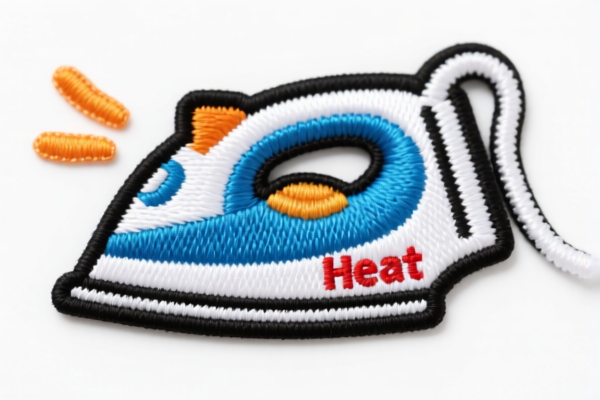
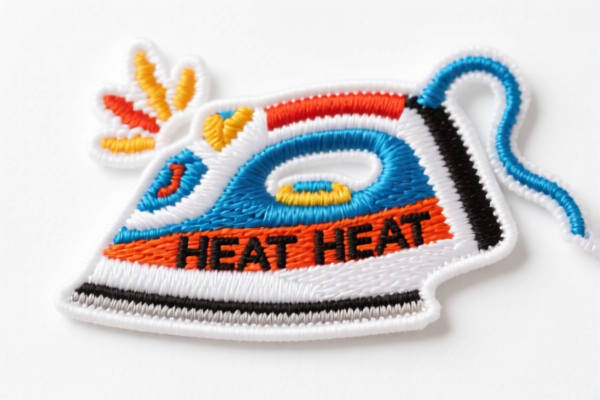
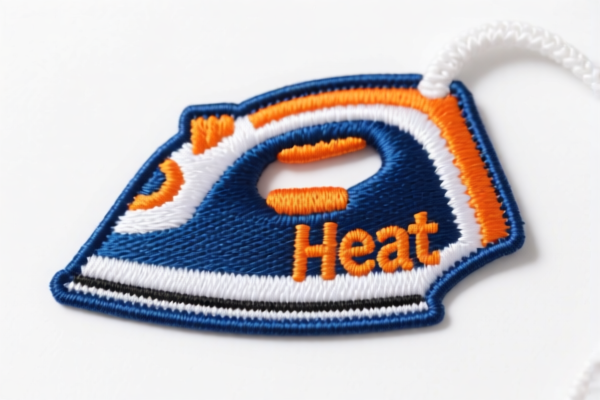
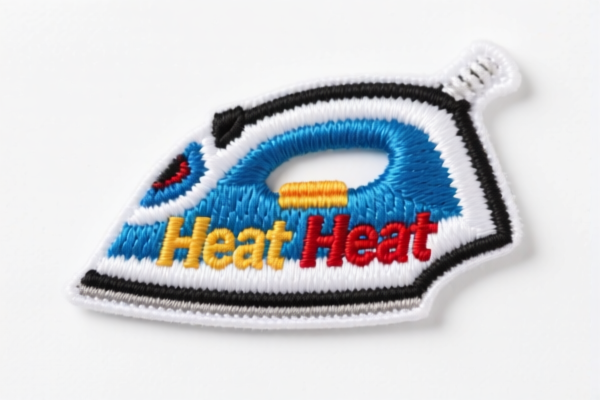
AI Analysis
🏷️ Iron-On Patches (Textile Embroidery & Labels)
🌐 HS Code Reference & Customs Clearance Guide | 2026 Latest Tariff Analysis | Professional-Level Classification Strategy
📌 I. Product Definition & Classification: Do You Really Understand "Iron-On Patches"?
Iron-on patches are decorative or functional textile items used for personalization, branding, or identification. In international trade, they are strictly categorized based on their manufacturing method (embroidery vs. woven vs. non-embroidered) and material composition.
1. Embroidered Patches (The Most Common "Iron-On"):
These feature raised thread patterns created by embroidery machines. They are often backed with adhesive (iron-on) but classified by their embroidery nature.
2. Woven Labels/Emblems:
Flat, woven textile badges. These lack the raised texture of embroidery and are classified differently.
3. Non-Embroidered Textile Badges:
Printed or simple cut-out textile labels that are not embroidered.
⚠️ Key Distinction Point:
- If the item is embroidered (raised threads) → It falls under Chapter 58 (Special Fabrics) or Chapter 58/61 depending on material.
- If the item is woven but not embroidered → It falls under Chapter 58 (Labels/Badges).
- Crucial Note: The "Iron-On" backing (adhesive) does NOT change the HS Code classification. The textile construction and embroidery status are the determining factors.
📦 II. HS Code Classification Details (2026 Latest Tariff Authority Comparison)
| HS Code | Product Description | Material | Key Characteristics | Applicable Scenario |
|---|---|---|---|---|
5810.92.10.00 |
Embroidery in the piece... Other embroidery: Of man-made fibers: Badges, emblems and motifs | Man-Made Fibers (Synthetic) | Embroidered motifs/badges made of polyester/nylon. | Custom logo patches, team jerseys, synthetic embroidery. |
5810.91.00.20 |
Embroidery... Other embroidery: Of cotton Other | Cotton | Embroidered motifs made of 100% cotton. | Traditional cotton patches, denim jacket patches. |
5807.90.20.90 |
Labels, badges... not embroidered: Other: Other Other | Various Textiles | Non-embroidered labels/badges. | Printed labels, satin labels, non-embroidered cloth tags. |
5807.10.20.90 |
Labels, badges... not embroidered: Woven: Other Other | Woven Textile | Woven labels/badges that are NOT embroidered. | Woven care labels, woven brand tags, flat woven emblems. |
6117.90.90.60 |
Other made up clothing accessories... Parts: Containing ≥70% silk | Silk | Knitted/Crocheted parts of clothing accessories. | Silk embroidery patches or trimmings (less common for standard iron-ons). |
6117.90.90.95 |
Other made up clothing accessories... Parts: Other Other | Various | Knitted/Crocheted parts of clothing accessories (Other). | Other knitted/crocheted textile accessories not elsewhere specified. |
🔍 Critical Reminder:
- Embroidered patches (the vast majority of "iron-on patches") are NOT classified as clothing (Chapter 61/62) but as Special Fabrics (Chapter 58).
- If it is embroidered, look first at 5810.
- If made of synthetic fibers (polyester, nylon) → 5810.92.10.00.
- If made of cotton → 5810.91.00.20.
- If it is woven but NOT embroidered → Look at 5807.
- Woven labels/badges → 5807.10.20.90 or 5807.90.20.90.
💰 III. 2026 Latest Tariff Rate Details (Including Surtaxes, Policy Add-ons)
✅ Applicable Country: United States (US)
✅ Origin: China (CN)
✅ Effective Date: November 10, 2025 (for subsequent imports)
🎯 1. 5810.92.10.00 —— Embroidered Badges (Man-Made Fibers)
| Item | Content |
|---|---|
| Base Tariff Rate | 0% (ad valorem) |
| USITC Surcharge | 0% |
| IEEPA Surcharge | 0% |
| Total Tax Rate | 0.0% |
| Tax Calculation | CIF Value × 0% |
| De Minimis Eligibility | ✅ YES (Standard de minimis rules apply if under $800) |
| Legal Basis Path | HTSUS:5810.92.10.00 → No special surcharge footnotes for this subheading. |
📌 Explanation:
- Unlike electronics or steel, textile embroidery patches currently enjoy 0% base tariff from the US.
- There are NO Section 301 or IEEPA surcharges applied to these specific HS codes as of 2026.
- This makes them a low-cost, low-risk item for import compared to other categories.
🎯 2. 5810.91.00.20 —— Embroidered Badges (Cotton)
| Item | Content |
|---|---|
| Base Tariff Rate | 0% (ad valorem) |
| USITC Surcharge | 0% |
| IEEPA Surcharge | 0% |
| Total Tax Rate | 0.0% |
| Tax Calculation | CIF Value × 0% |
| De Minimis Eligibility | ✅ YES |
| Legal Basis Path | HTSUS:5810.91.00.20 → No special surcharge footnotes. |
📌 Note:
- Identical tax treatment to synthetic embroidery patches.
- Whether cotton or synthetic, embroidered badges are tax-exempt in the US under current 2026 rules.
🎯 3. 5807.90.20.90 & 5807.10.20.90 —— Non-Embroidered Labels/Badges
| Item | Content |
|---|---|
| Base Tariff Rate | 0% (ad valorem) |
| USITC Surcharge | 0% |
| IEEPA Surcharge | 0% |
| Total Tax Rate | 0.0% |
| Tax Calculation | CIF Value × 0% |
| De Minimis Eligibility | ✅ YES |
| Legal Basis Path | HTSUS:5807.90.20.90 / 5807.10.20.90 |
📌 Explanation:
- Woven labels and non-embroidered badges also face 0% duty.
- No hidden taxes or surcharges apply to these textile labeling products.
🎯 4. 6117.90.90.60 & 6117.90.90.95 —— Knitted/Crocheted Accessories (Silk/Other)
| Item | Content |
|---|---|
| Base Tariff Rate | 0% (ad valorem) |
| USITC Surcharge | 0% |
| IEEPA Surcharge | 0% |
| Total Tax Rate | 0.0% |
| Tax Calculation | CIF Value × 0% |
| De Minimis Eligibility | ✅ YES |
📌 Note:
- These codes are for knitted/crocheted parts, which are less common for standard "iron-on patches" but may apply to knitted patches with adhesive backing.
- Still 0% total tax.
🛠️ IV. Customs Clearance Practical Advice (Battlefield Pitfall Avoidance Guide)
✅ 1. Required Document Checklist (Missing Any Will Cause Delays)
| Document | Must Provide | Description |
|---|---|---|
| ✅ Product Specification Sheet | ✔️ | Must clearly state: Embroidered vs. Woven, Material (Cotton/Polyester), Backing Type (Iron-On Adhesive). |
| ✅ Clear Product Photos | ✔️ | Front, back, and close-up of texture. Must show if threads are raised (embroidered) or flat (woven). |
| ✅ Commercial Invoice | ✔️ | Must use precise HS Code descriptions. Avoid vague terms like "Garment Accessories." Use "Embroidered Patches." |
| ✅ Packing List | ✔️ | Detail items to match invoice. Ensure no mixed classifications without proper breakdown. |
| ✅ Material Composition Certificate | ✔️ | If claimed as 100% Cotton, provide proof. Mismatch can lead to reclassification and penalties. |
✅ 2. Declaration Tips (Key Mantra)
🔥 "Embroidery First, Material Second, Adhesive Irrelevant!"
| Scenario | Correct Declaration | Incorrect Practice |
|---|---|---|
| Polyester Embroidered Patch | 5810.92.10.00 - "Embroidered Patches, Man-Made Fibers" |
Mislabel as "Textile Labels" → 5807 (Wrong classification) |
| Cotton Embroidered Patch | 5810.91.00.20 - "Embroidered Patches, Cotton" |
Mislabel as "Clothing Parts" → 6117 (Risk of audit) |
| Woven Label (No Embroidery) | 5807.10.20.90 - "Woven Labels, Badges" |
Mislabel as "Embroidered" → 5810 (Over-compliance or error) |
| Printed Patch (No Thread) | 5807.90.20.90 - "Non-Embroidered Labels" |
Mislabel as "Embroidered" → Incorrect HS Code |
📌 Crucial Point:
- The "Iron-On" adhesive is irrelevant for HS Code classification. Do not include "with adhesive" as a primary descriptor in the HS Code logic. Focus on Embroidery vs. Woven/Printed.
- Embroidery =5810.
- Woven/Printed (Non-Embroidered) =5807.
✅ 3. Special Case Handling
| Scenario | Handling Advice |
|---|---|
| Mixed Materials | If a patch has both cotton and polyester, classify based on the dominant material or the primary decorative element. For embroidery, the thread material usually dictates 5810. |
| OEM Custom Patches | Provide design files or sample approvals to prove custom nature. Avoid generic descriptions. |
| Samples vs. Commercial | Samples under $800 may enter under De Minimis. Commercial shipments must declare full value. |
| Silk Embroidered Patches | Rare, but if applicable, use 6117.90.90.60. Confirm with customs broker if it qualifies as "Knitted/Crocheted" vs. "Embroidered." |
🌍 V. Global Market Customs Comparison (2026 Latest)
| Country/Region | Recommended HS Code | Tariff (China Origin) | Certification | Note |
|---|---|---|---|---|
| 🇺🇸 USA | 5810.92.10.00 (Synthetic Embroidery) |
0% | None | No surcharges. Most favorable. |
| 🇨🇳 China | 5810.92.10.00 |
5% - 8% | CCC (if applicable) | Domestic consumption tax may apply. |
| 🇪🇺 EU | 5810.92.10.00 |
0% - 4% | CE (if functional) | Varies by member state. Generally low. |
| 🇬🇧 UK | 5810.92.10.00 |
0% - 5% | UKCA | Post-Brexit rules apply. |
| 🇦🇺 Australia | 5810.92.10.00 |
5% | RCM | GST applies on entry. |
📌 Conclusion:
- USA is the most tariff-friendly market for embroidered patches (0%).
- No major surcharges currently apply to textile embroidery items.
- Ensure accurate material declaration to avoid unexpected duties in other markets.
📌 VI. Common Mistakes & Pitfall Guide (Lessons Learned)
❌ Mistake 1: Classifying Embroidered Patches as Clothing Accessories (Chapter 61).
👉 Consequence: Wrong HS Code → Potential audit, delays, or incorrect duty calculation. Patches are Special Fabrics (Chapter 58).
❌ Mistake 2: Assuming "Iron-On" changes the classification.
👉 Consequence: No effect. The adhesive is considered incidental. Focus on Embroidery.
❌ Mistake 3: Confusing Embroidered with Woven.
👉 Consequence: Embroidery (5810) vs. Woven (5807) have different descriptions. Mislabeling can cause confusion for customs officers.
❌ Mistake 4: Vague Descriptions like "Textile Patches."
👉 Consequence: Customs may classify under the highest duty rate or hold the shipment for clarification. Always specify Embroidery and Material.
✅ Correct Declaration Example:
"Embroidered Iron-On Patches, 100% Polyester Thread, Cotton Backing, HS Code 5810.92.10.00"
🎯 VII. Conclusion: Professional Classification Saves Time and Money!
🎯 Remember the Mantra:
🔹 "Embroidery = 5810, Woven/Printed = 5807. Adhesive Doesn't Matter!"
🔹 "0% Tariff in USA for Patches, Just Get the Code Right!"
📌 Pro Tip:
- For De Minimis shipments (under $800 to the US), ensure your broker knows the correct HS Code to avoid unnecessary paperwork.
- Always keep sample photos and material specs ready for customs audits.
📣 Immediate Action:
📞 Confirm with your freight forwarder: "Is this Embroidered or Woven?"
🚀 Use5810.92.10.00for synthetic embroidered patches → 0% Duty in the US.
✨ Professional Classification Starts with Precision!
💼 Your Profit Margin Depends on Accurate HS Codes!
Customer Reviews
About HS Code Classification
The Harmonized System (HS) is an internationally standardized nomenclature developed by the World Customs Organization (WCO) to classify traded products. Over 200 countries use the HS system as the basis for customs tariffs, trade statistics, and import/export regulations.
Each HS code follows a hierarchical structure:
- Chapter (2 digits) — Broad category of goods (e.g., Chapter 84: Machinery and Mechanical Appliances)
- Heading (4 digits) — More specific grouping within the chapter
- Subheading (6 digits) — Internationally standardized breakdown, used by all WCO member countries
- National subdivisions (8-10 digits) — Country-specific extensions for further classification, such as US HTSUS 10-digit codes
Correct HS code classification is essential for smooth customs clearance, accurate duty payment, and compliance with trade regulations. Misclassification can lead to customs delays, overpayment of duties, or penalties.
When importing from CN to US, the applicable tariff rates may include:
- Most-Favored-Nation (MFN) rate — The standard duty rate applied to WTO members
- General rate — Applied to countries without trade agreements
- Trade remedy duties — Additional tariffs such as Section 301 (anti-dumping), Section 232 (national security), or countervailing duties
The information provided on this page is for reference purposes only. For official classification, please consult with your local customs authority or a licensed customs broker.