jacquard fabric under 1 square meter
CN → US| HS Code | Tariff Rate | Origin | Destination | Doc |
|---|---|---|---|---|
| 5111909000 | 60.0% | CN | US | Official Doc |
| 5407942050 | 49.9% | CN | US | Official Doc |
| 5208494020 | 43.1% | CN | US | Official Doc |
| 5208498020 | 49.7% | CN | US | Official Doc |
| 5208298090 | 48.5% | CN | US | Official Doc |
Product Images
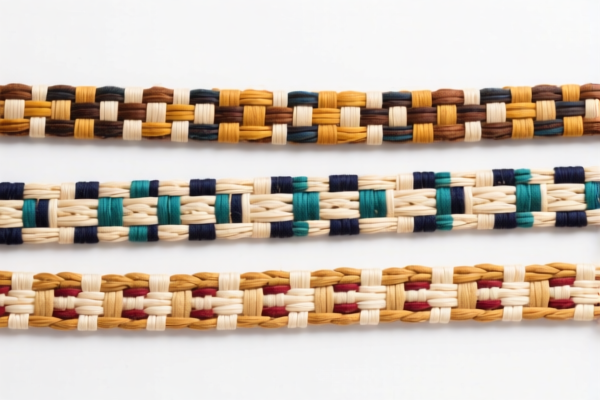
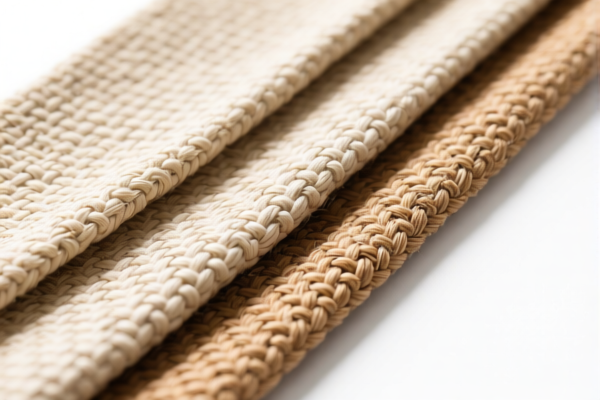
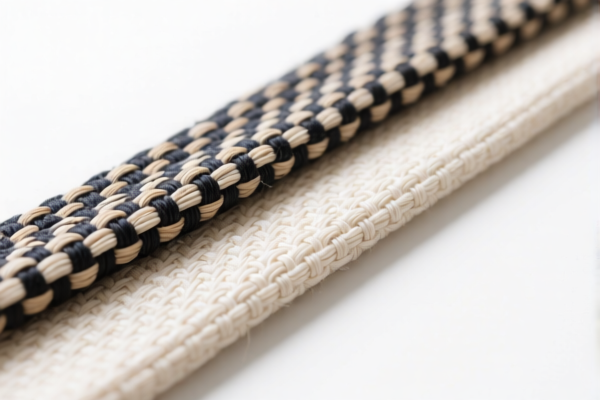
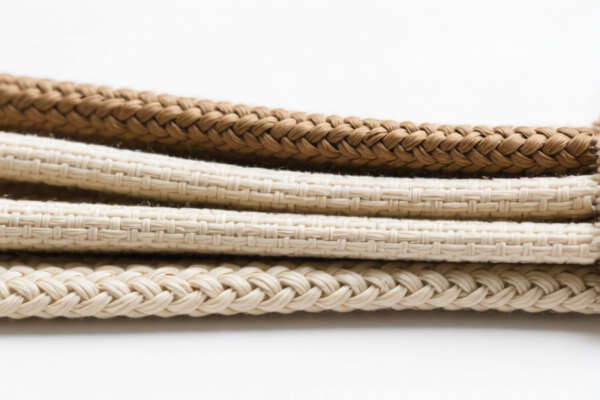
AI Analysis
🧵 Jacquard Fabric (< 1 Sq. Meter)
🌐 HS Code Reference & Customs Clearance Guide | 2026 Latest Tariff Analysis | Professional Classification Strategy
📌 I. Product Definition & Classification: What is "Jacquard Fabric"?
Jacquard fabric refers to a class of textiles woven on a Jacquard loom, creating intricate patterns, textures, or designs directly into the fabric (not printed or embroidered after weaving).
When the quantity is under 1 square meter, it is typically classified as a sample, swatch, or small cut. However, for customs classification purposes, the material composition and weave structure dictate the HS Code, not just the size.
⚠️ Critical Distinction:
- If the fabric is wool/hair-based → It falls under Chapter 51.
- If the fabric is synthetic fiber (polyester/nylon) → It falls under Chapter 54.
- If the fabric is cotton → It falls under Chapter 52.
- Size does not change the HS Code, but it may affect the declaration description (e.g., "Sample" vs. "Roll").
📦 II. HS Code Classification Details (2026 Latest Tariff Authority)
Based on the provided data, here are the 5 possible HS Codes for Jacquard Fabric, categorized by material and tax implication:
| HS Code | Product Description | Material Logic | Total Tax Rate | Tax Breakdown |
|---|---|---|---|---|
5111.90.90.00 |
Wool/Hair Jacquard Fabric | Primary material is wool or animal hair. Fits "Other" fallback logic. | 60.0% | Base: 25.0% + Section 301: 25.0% + Section 301/122: 10% |
5407.94.20.50 |
Synthetic Jacquard Fabric | Primary material is synthetic fiber (e.g., polyester). Fits fabric characteristics. | 49.9% | Base: 14.9% + Section 301: 25.0% + Section 301/122: 10% |
5208.49.40.20 |
Cotton Jacquard Fabric | Primary material is cotton. Based on weaving常识 (common sense) and jacquard process. | 43.1% | Base: 8.1% + Section 301: 25.0% + Section 301/122: 10% |
5208.49.80.20 |
Cotton Jacquard Fabric (Other) | Primary material is cotton. No conflict with classification definitions. | 49.7% | Base: 14.7% + Section 301: 25.0% + Section 301/122: 10% |
5208.29.80.90 |
Bleached Cotton Jacquard | Bleached, cotton-made jacquard. Fits "Other" category logic. | 48.5% | Base: 13.5% + Section 301: 25.0% + Section 301/122: 10% |
🔍 Key Insight:
- Highest Tax:5111.90.90.00(60.0%) – For Wool/Hair.
- Lowest Tax:5208.49.40.20(43.1%) – For specific Cotton Jacquard.
- All Codes Include: Base Duty + 25% Section 301 Tariff + 10% Section 122/Other Additional Tariff.
💰 III. 2026 Latest Tariff Rate Detailed Explanation (Including Surcharges)
✅ Applicable Country: United States (US)
✅ Origin: China (CN)
✅ Effective Date: 2025+ (Current Policy)
🎯 1. 5111.90.90.00 – Wool/Hair Jacquard Fabric (60.0% Total)
| Item | Content |
|---|---|
| Base Tariff | 25.0% (Standard MFN rate for wool fabrics) |
| Section 301 Surcharge | +25.0% (Trade Remedy on Chinese goods) |
| Section 122/Other Surcharge | +10.0% (Additional tariff on certain textiles) |
| Total Rate | 60.0% |
| Calculation | CIF Value × 60.0% |
| De Minimis Eligibility | ❌ Not Eligible (Section 301 goods are excluded from $800 de minimis exemption if value exceeds limits or is flagged) |
| Legal Path | HTSUS:5111.90.90.00 → USITC Footnote → IEEPA:9903 |
📌 Explanation:
- Wool/hair fabrics face the highest base duties due to domestic protectionism.
- The 60% total rate is extremely high, significantly impacting profit margins.
- Strict Compliance: Must prove material is indeed wool/hair; misclassification can lead to severe penalties.
🎯 2. 5407.94.20.50 – Synthetic Jacquard Fabric (49.9% Total)
| Item | Content |
|---|---|
| Base Tariff | 14.9% (Standard for synthetic fabrics) |
| Section 301 Surcharge | +25.0% |
| Section 122/Other Surcharge | +10.0% |
| Total Rate | 49.9% |
| Calculation | CIF Value × 49.9% |
| De Minimis Eligibility | ❌ Not Eligible |
| Legal Path | HTSUS:5407.94.20.50 → USITC Footnote |
📌 Note:
- Synthetic fabrics (polyester, nylon, etc.) have a moderate base rate.
- Still subject to full Section 301 and additional surcharges.
- Common in fast fashion and home decor.
🎯 3. 5208.49.40.20 – Cotton Jacquard Fabric (43.1% Total)
| Item | Content |
|---|---|
| Base Tariff | 8.1% (Lowest base rate among options) |
| Section 301 Surcharge | +25.0% |
| Section 122/Other Surcharge | +10.0% |
| Total Rate | 43.1% |
| Calculation | CIF Value × 43.1% |
| De Minimis Eligibility | ❌ Not Eligible |
| Legal Path | HTSUS:5208.49.40.20 → USITC Footnote |
📌 Best Option for Cotton:
- This code offers the lowest total tariff (43.1%) for cotton jacquard.
- Ideal for lightweight cotton jacquard samples.
- Ensure the fabric is indeed woven cotton, not blended, to avoid misclassification.
🎯 4. 5208.49.80.20 – Cotton Jacquard (Other) (49.7% Total)
| Item | Content |
|---|---|
| Base Tariff | 14.7% |
| Section 301 Surcharge | +25.0% |
| Section 122/Other Surcharge | +10.0% |
| Total Rate | 49.7% |
| Calculation | CIF Value × 49.7% |
| De Minimis Eligibility | ❌ Not Eligible |
📌 Differentiation:
- This is a fallback "other" category for cotton jacquard not specified in5208.49.40.20.
- Higher base rate than5208.49.40.20, so verify if5208.49.40.20applies first.
🎯 5. 5208.29.80.90 – Bleached Cotton Jacquard (48.5% Total)
| Item | Content |
|---|---|
| Base Tariff | 13.5% |
| Section 301 Surcharge | +25.0% |
| Section 122/Other Surcharge | +10.0% |
| Total Rate | 48.5% |
| Calculation | CIF Value × 48.5% |
| De Minimis Eligibility | ❌ Not Eligible |
📌 Specific Use:
- Only for bleached cotton jacquard fabrics not covered by other cotton codes.
- Bleaching process must be documented if challenged.
🛠️ IV. Customs Clearance Practical Advice (Pitfall Avoidance)
✅ 1. Preparation Checklist (Mandatory)
| Document | Required | Description |
|---|---|---|
| ✅ Product Specification Sheet | ✔️ | Include material composition (e.g., 100% Cotton, 100% Polyester, Wool blend), weave type, weight (GSM). |
| ✅ Fabric Swatch/Photo | ✔️ | Clear image showing the jacquard pattern and texture. |
| ✅ Commercial Invoice | ✔️ | State "Jacquard Fabric Sample (<1 sqm)" and correct HS Code. |
| ✅ Origin Certificate (if applicable) | ✔️ | Proof of Chinese origin. |
| ✅ Testing Report (Optional but Recommended) | ✔️ | Fiber content analysis (e.g., from SGS/Intertek) to prove material. |
✅ 2. Declaration Tips (Key Mnemonics)
🔥 "Material First, Size Second, Pattern Third!"
| Situation | Correct Declaration | Incorrect Practice |
|---|---|---|
| Cotton Jacquard | 5208.49.40.20 (if applicable) |
Mislabel as "Synthetic" → Higher tax |
| Wool Jacquard | 5111.90.90.00 |
Mislabel as "Cotton" → Penalty for fraud |
| Sample < 1 sqm | Declare as "Sample" or "Swatch" | Declare as "Roll" → Inspection delay |
| Blended Fabric | Declare exact % (e.g., 60% Cotton, 40% Polyester) | Vague description → Classification error |
✅ 3. Special Cases
| Case | Handling Advice |
|---|---|
| Micro-Samples (< 0.5 sqm) | Still subject to duties; do not assume "free" entry. |
| Labeled "Gift" | Customs may still assess value; declare commercial value. |
| Return Samples | Can apply for "Returned Goods" relief if exported from US previously (proof required). |
| Pre-Approved HS Code | Obtain an Advance Ruling from CBP if unsure about material classification. |
🌍 V. Global Market Comparison (2026 Latest)
| Country/Region | Recommended HS Code | Approx. Duty | Certification | Notes |
|---|---|---|---|---|
| 🇺🇸 USA | Varies by material (see above) | 43.1% - 60.0% | None specific | Highest duties due to Section 301. |
| 🇨🇳 China | Varies | 5% - 10% | None | No Section 301 surcharge. |
| 🇪🇺 EU | Varies (e.g., 5208, 5111) | 6% - 12% | OEKO-TEX (recommended) | No Section 301. |
| 🇦🇺 Australia | Varies | 5% - 10% | None | No Section 301. |
📌 Conclusion:
- USA is the most expensive market due to Section 301 + 122 surcharges.
- Duty savings potential: Export to non-US markets for lower duties, or use Free Trade Agreements (FTAs) if applicable (e.g., USMCA if assembled in Mexico/Canada).
📌 VI. Common Mistakes & Pitfalls (Lessons Learned)
❌ Mistake 1: Assuming "Under 1 sqm" means "Duty-Free"
👉 Consequence: Customs assesses full duty + penalties. No de minimis for Section 301 goods in most cases.
❌ Mistake 2: Misidentifying Material (e.g., calling wool "textile")
👉 Consequence: Wrong HS Code → 60% vs. 43% difference → Overpayment or Audit Risk.
❌ Mistake 3: Vague Description ("Fabric Sample")
👉 Consequence: Customs delays request for fiber content report → Shipment Hold.
❌ Mistake 4: Not Disclosing "Jacquard" Weave
👉 Consequence: May be misclassified as plain weave → Different duty rate → Compliance Issue.
✅ Correct Practice:
"Jacquard Fabric Swatch, <1 sqm, [Material: 100% Cotton/Polyester/Wool], Pattern: [Describe], for Design Review Only."
🎯 VII. Conclusion: Precision in Classification Saves Money!
🎯 Remember Mnemonics:
🔹 "Material Dictates Code, Section 301 Adds 25%, Pattern Adds 10%, Total Can Hit 60%!"
🔹 "Small Sample Still Pays Big Tax – Declare Accurately!"
📌 Pro Tip:
If your jacquard fabric is woven in Vietnam, India, or Bangladesh, you may qualify for lower or zero Section 301 tariffs.
Recommendation: Obtain an CBP Advance Ruling before shipping to confirm the correct HS Code and duty liability.
📣 Immediate Action:
📞 Contact your customs broker + Provide material test report + Verify HS Code
🚀 Ensure your jacquard fabric clears customs smoothly, avoiding costly delays and fines!
✨ Professional Classification, Starting with Precision!
💼 Every cent of duty, wisely calculated!
Customer Reviews
About HS Code Classification
The Harmonized System (HS) is an internationally standardized nomenclature developed by the World Customs Organization (WCO) to classify traded products. Over 200 countries use the HS system as the basis for customs tariffs, trade statistics, and import/export regulations.
Each HS code follows a hierarchical structure:
- Chapter (2 digits) — Broad category of goods (e.g., Chapter 84: Machinery and Mechanical Appliances)
- Heading (4 digits) — More specific grouping within the chapter
- Subheading (6 digits) — Internationally standardized breakdown, used by all WCO member countries
- National subdivisions (8-10 digits) — Country-specific extensions for further classification, such as US HTSUS 10-digit codes
Correct HS code classification is essential for smooth customs clearance, accurate duty payment, and compliance with trade regulations. Misclassification can lead to customs delays, overpayment of duties, or penalties.
When importing from CN to US, the applicable tariff rates may include:
- Most-Favored-Nation (MFN) rate — The standard duty rate applied to WTO members
- General rate — Applied to countries without trade agreements
- Trade remedy duties — Additional tariffs such as Section 301 (anti-dumping), Section 232 (national security), or countervailing duties
The information provided on this page is for reference purposes only. For official classification, please consult with your local customs authority or a licensed customs broker.