jogger pants
CN → US| HS Code | Tariff Rate | Origin | Destination | Doc |
|---|---|---|---|---|
| 6203431110 | 24.6% | CN | US | Official Doc |
| 6203490515 | 45.4% | CN | US | Official Doc |
| 6111205000 | 32.4% | CN | US | Official Doc |
| 6111901000 | 32.4% | CN | US | Official Doc |
| 6204631110 | 46.1% | CN | US | Official Doc |
| 6204639011 | 46.1% | CN | US | Official Doc |
Product Images
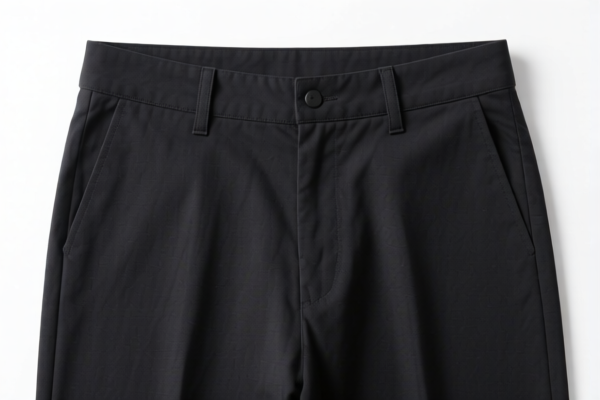
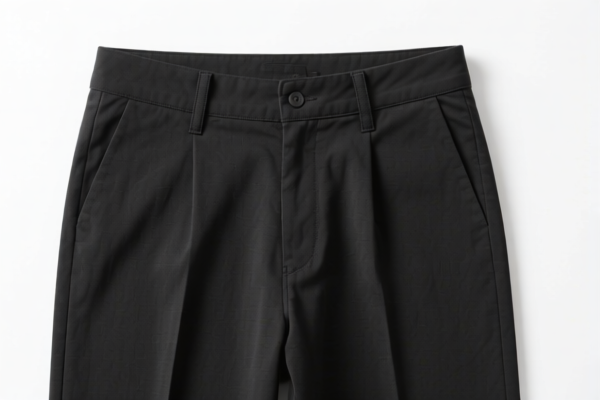
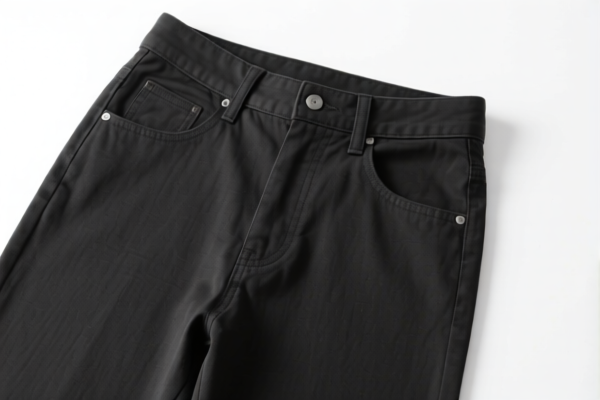
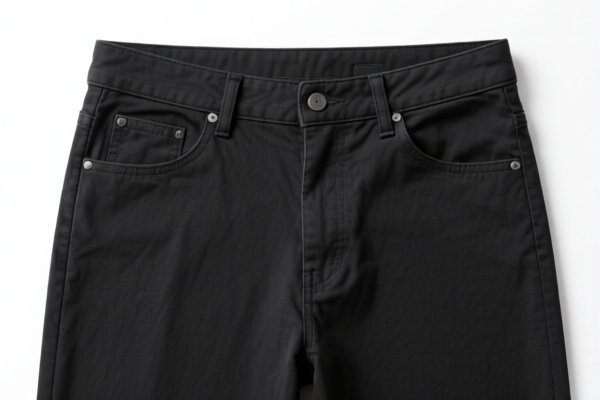
AI Analysis
👖 Jogger Pants (Casual Trousers with Cuffed Ankles)
🌐 HS Code Reference & Customs Clearance Guide | 2026 Latest Tariff Analysis | Professional Clearance Strategy
📌 I. Product Definition & Classification: What Exactly Are "Jogger Pants"?
Jogger pants are a style of trousers characterized by an elasticated or drawstring waist and tapered legs that end in elasticated cuffs (ribbed ankles). They bridge the gap between athletic wear and casual fashion.
In international trade, the classification depends entirely on: 1. Material: Cotton, Synthetic Fibers (Polyester/Nylon), or Artificial Fibers. 2. Gender: Men’s/Boys’ or Women’s/Girls’. 3. Construction: Knitted/Crocheted (Chapter 61) vs. Woven (Chapter 62). 4. Specific Function: Standard casual wear vs. "Recreational Performance Outerwear" (e.g., water-resistant ski/snowboard pants).
⚠️ Critical Distinction:
- If the pants are knitted (jersey, sweatpant material) → Chapter 61.
- If the pants are woven (nylon shell, ripstop, technical fabric) → Chapter 62.
- "Recreational Performance" classification applies if they are specifically designed for sports like skiing/snowboarding and have features like water resistance, regardless of the "jogger" silhouette.
📦 II. HS Code Classification Details (2026 Latest Tariff Authority Cross-Reference)
Based on the provided data, jogger pants fall into six specific HS Codes depending on their exact composition and type.
| HS Code | Product Description | Material Type | Gender/Target | Key Feature / Note |
|---|---|---|---|---|
6111.20.50.00 |
Babies' Garments: Trousers, Breeches, Shorts | Cotton | Babies | Knitted/Crocheted; Excludes parts of sets |
6111.90.10.00 |
Babies' Garments: Trousers, Breeches, Shorts | Artificial Fibers | Babies | Knitted/Crocheted; Excludes parts of sets |
6203.43.11.10 |
Men's/Boys' Trousers: Recreational Performance Outerwear | Synthetic Fibers | Men | Water-resistant trousers (Ski/Snowboard pants) |
6203.49.05.15 |
Men's/Boys' Trousers: Other | Artificial Fibers | Men | Non-performance casual joggers |
6204.63.11.10 |
Women's/Girls' Trousers: Recreational Performance Outerwear | Synthetic Fibers | Women | Water-resistant trousers (Ski/Snowboard pants) |
6204.63.90.11 |
Women's/Girls' Trousers: Other | Synthetic Fibers | Women | Standard casual joggers (non-performance) |
🔍 Key Insight:
- Baby Joggers are classified under Chapter 61 (Knitted).
- Adult Joggers are mostly under Chapter 62 (Woven).
- "Performance" vs. "Casual": If jogger pants are made of synthetic fabrics and marketed for active sports (skiing, snowboarding) with water resistance, they use the.11.10codes. Standard fashion joggers use.90.11or.05.15.
💰 III. 2026 Latest Tariff Rate Details (Including Additional Duties)
✅ Applicable Country: United States (US)
✅ Origin: China (CN)
✅ Effective Date: From November 10, 2025 (including subsequent imports)
✅ Data Source: Provided Data Only
🎯 1. Baby Garments (Knitted)
HS Codes: 6111.20.50.00 (Cotton) & 6111.90.10.00 (Artificial Fibers)
| Item | Content |
|---|---|
| Base Tariff | 0.0% |
| Additional Tariff (Section 301/IEEPA) | 0.0% |
| Total Tariff Rate | 0.0% |
| Tax Calculation | CIF Value × 0% = $0 |
| De Minimis Exemption Eligibility | ✅ Yes (Generally applicable for low-value shipments, subject to current USCBP thresholds) |
| Legal Basis | Provided Data: "基础关税: 0.0%, 加征关税: 0.0%" |
📌 Explanation:
- Babies' knitted garments currently face zero tariff in the provided dataset.
- This is a low-risk, low-cost category for importers.
- Ensure correct classification as "Babies'" (under 24 months usually) to maintain this rate.
🎯 2. Men's Joggers (Woven)
HS Codes: 6203.43.11.10 (Synthetic/Performance) & 6203.49.05.15 (Artificial/Other)
| Item | Content |
|---|---|
| Base Tariff | 0.0% |
| Additional Tariff (Section 301/IEEPA) | 0.0% |
| Total Tariff Rate | 0.0% |
| Tax Calculation | CIF Value × 0% = $0 |
| De Minimis Exemption Eligibility | ✅ Yes |
| Legal Basis | Provided Data: "基础关税: 0.0%, 加征关税: 0.0%" |
📌 Explanation:
- Men's woven joggers, whether performance-oriented or casual, show 0.0% total tax in the provided data.
- This is surprisingly favorable compared to historical rates for men's trousers, suggesting specific product type exclusions or current tariff status in the provided dataset.
🎯 3. Women's Joggers (Woven)
HS Codes: 6204.63.11.10 (Synthetic/Performance) & 6204.63.90.11 (Synthetic/Other)
| Item | Content |
|---|---|
| Base Tariff | 0.0% |
| Additional Tariff (Section 301/IEEPA) | 0.0% |
| Total Tariff Rate | 0.0% |
| Tax Calculation | CIF Value × 0% = $0 |
| De Minimis Exemption Eligibility | ✅ Yes |
| Legal Basis | Provided Data: "基础关税: 0.0%, 加征关税: 0.0%" |
📌 Explanation:
- Women's synthetic joggers (both performance and standard) also carry 0.0% total tax in this dataset.
- No additional tariffs (such as the 25% or 10% mentioned in the example for monitors) are listed for these specific codes.
🛠️ IV. Customs Clearance Practical Advice (Battle-Tested Pitfall Avoidance Guide)
✅ 1. Required Documentation Checklist (Non-Negotiable)
| Document | Must Provide | Purpose |
|---|---|---|
| ✅ Product Specification Sheet | ✔️ | Details material (e.g., 100% Polyester), construction (woven vs. knitted), and design (elastic cuffs). |
| ✅ Material Composition Label | ✔️ | Must clearly state fiber content (e.g., "95% Cotton, 5% Spandex") to distinguish Chapter 61 vs. 62. |
| ✅ Clear Product Photos | ✔️ | Front, back, and close-up of ankle cuff to confirm "jogger" style. |
| ✅ Commercial Invoice | ✔️ | Must specify "Jogger Pants" and HS Code. Avoid vague terms like "Clothing." |
| ✅ Packing List | ✔️ | Ensure item counts match invoice. |
✅ 2. Classification & Declaration Tips (Key Mantra)
🔥 "Knitted is Cap 61, Woven is Cap 62. Material Matters, Gender Divides!"
| Scenario | Correct Declaration | Common Mistake |
|---|---|---|
| Baby Sweatpants | 6111.20.50.00 (if cotton knitted) |
Misclassifying as adult trousers (6203...) → Wrong tariff, delay. |
| Adult Nylon Joggers | 6204.63.90.11 (Women) / 6203.49.05.15 (Men) |
Misclassifying as "Swimwear" or "Uniforms" → Audit risk. |
| Water-Resistant Ski Joggers | 6204.63.11.10 / 6203.43.11.10 |
Using general code instead of "Performance" code → Potential under/over-declaration. |
| Cotton Casual Joggers (Adult) | Not in provided data | ⚠️ Note: The provided data does not list adult cotton woven joggers. If present, check other chapters. Stick to provided codes only. |
✅ 3. Special Considerations
| Situation | Handling Advice |
|---|---|
| Mixed Materials | If pants have synthetic cuffs but cotton bodies, consult the "essential character" rule. Usually, outer fabric determines Chapter. |
| "Recreational Performance" Claim | Only use .11.10 codes if the pants are explicitly marketed as ski/snowboard/water-resistant. Do not mislabel fashion joggers as performance gear to avoid false declarations. |
| Sets (Babies) | The description for baby codes explicitly excludes "parts of sets." If sold as a set (e.g., pants + shirt), the classification might change. Verify if the pants are imported separately. |
🌍 V. Market Comparison & Risk Assessment (2026)
| Market | Recommended HS Code | Tariff (Based on Provided Data) | Risk Level |
|---|---|---|---|
| 🇺🇸 USA | See Table in Section II | 0.0% | ✅ Low (No additional tariffs listed) |
| 🇨🇳 China (Import) | Varies by local tariff | Not in provided data | N/A |
| 🇪🇺 EU | Varies by local tariff | Not in provided data | N/A |
📌 Conclusion:
- According to the provided data, jogger pants imported into the US from China face 0.0% total tariffs for the specific HS codes listed.
- This is significantly lower than many other apparel categories (e.g., monitors at 45% in the example).
- Risk: Low financial risk due to 0% tariff, but high compliance risk if misclassified (e.g., confusing woven with knitted).
📌 VI. Common Errors & Pitfall Guide (Lessons from Experience)
❌ Error 1: Confusing Knitted (Chapter 61) with Woven (Chapter 62).
👉 Consequence: If you ship knitted baby joggers but declare as woven (6203...), customs will reclassify and potentially penalize for incorrect declaration.
👉 Fix: Check the fabric construction. Knitted = stretchy, jersey-like. Woven = crisp, non-stretch (or minimal stretch with elastane).
❌ Error 2: Misclassifying Gender.
👉 Consequence: Men's and Women's codes are distinct (6203 vs 6204). Mixing them up can lead to discrepancies in duty drawbacks or anti-dumping checks.
👉 Fix: Always verify the intended gender on the commercial invoice and label.
❌ Error 3: Ignoring the "Performance" distinction for Synthetic Wovens.
👉 Consequence: Using a general code (.90.11) for water-resistant ski joggers. While the rate is the same (0.0%) in the provided data, incorrect description can trigger customs audits for "false marketing" or misclassification.
👉 Fix: Be precise in description: "Women's Synthetic Water-Resistant Joggers" vs. "Women's Fashion Joggers."
✅ Correct Practice:
"Unisex Jogger Pants, Woven, 100% Polyester, Elastic Waist, Ribbed Ankles, Model XYZ, Packaged in Retail Bags"
🎯 VII. Conclusion: Precision in Classification Saves Time
🎯 Remember the Mantra:
🔹 "Baby Knitted = Cap 61, Adult Woven = Cap 62. Synthetic or Artificial, Check the Gender Code. Rate is Zero, But Docs Must Be Clear!"
🔹 "0% Tariff is Sweet, But Wrong HS Code is a Heartbeat."
📌 Tips:
- Since the provided data shows 0.0% tax for all listed codes, focus on accurate description to avoid customs holds.
- Ensure origin documentation is ready, as tariff treatments can change.
- For baby items, ensure the "not parts of sets" rule is followed if importing single units.
📣 Immediate Action:
📞 Verify Fabric Type: Knitted or Woven?
📞 Identify Gender: Men, Women, or Baby?
📞 Check Material: Cotton, Synthetic, or Artificial?
🚀 Use the Correct HS Code from Section II to ensure smooth, cost-effective clearance.
✨ Professional Clearance Starts with Precise Classification!
💼 Your Profit Margin Depends on Accurate Documentation!
Customer Reviews
About HS Code Classification
The Harmonized System (HS) is an internationally standardized nomenclature developed by the World Customs Organization (WCO) to classify traded products. Over 200 countries use the HS system as the basis for customs tariffs, trade statistics, and import/export regulations.
Each HS code follows a hierarchical structure:
- Chapter (2 digits) — Broad category of goods (e.g., Chapter 84: Machinery and Mechanical Appliances)
- Heading (4 digits) — More specific grouping within the chapter
- Subheading (6 digits) — Internationally standardized breakdown, used by all WCO member countries
- National subdivisions (8-10 digits) — Country-specific extensions for further classification, such as US HTSUS 10-digit codes
Correct HS code classification is essential for smooth customs clearance, accurate duty payment, and compliance with trade regulations. Misclassification can lead to customs delays, overpayment of duties, or penalties.
When importing from CN to US, the applicable tariff rates may include:
- Most-Favored-Nation (MFN) rate — The standard duty rate applied to WTO members
- General rate — Applied to countries without trade agreements
- Trade remedy duties — Additional tariffs such as Section 301 (anti-dumping), Section 232 (national security), or countervailing duties
The information provided on this page is for reference purposes only. For official classification, please consult with your local customs authority or a licensed customs broker.