jumpsuit women/girls
CN → USProduct Images
AI Analysis
👗 Jumpsuit for Women/Girls
🌐 HS Code & Tariff Guide | 2026 Customs Classification & Duty Breakdown | Professional Import Strategy
📌 One-Stop Reference for Global Trade Compliance
📦 一、Product Definition & Classification: What Exactly Is a "Jumpsuit"?
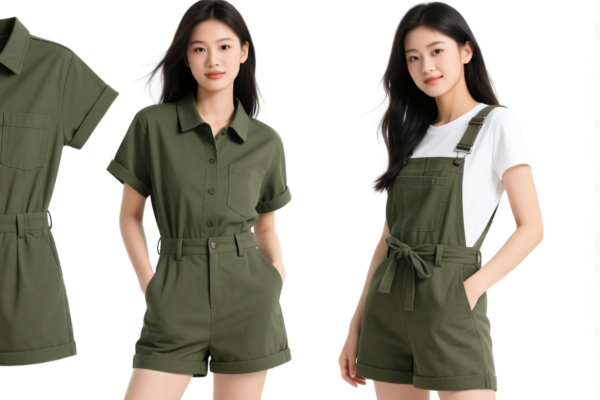
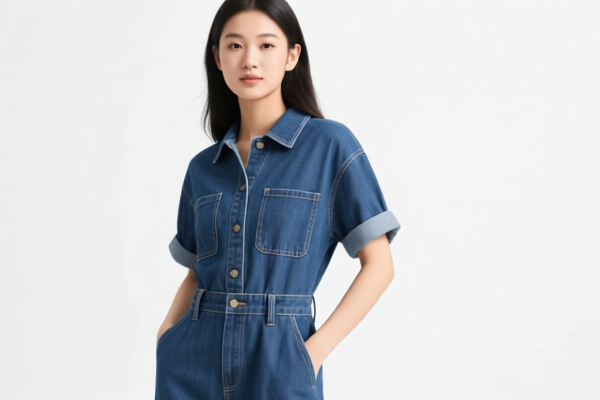
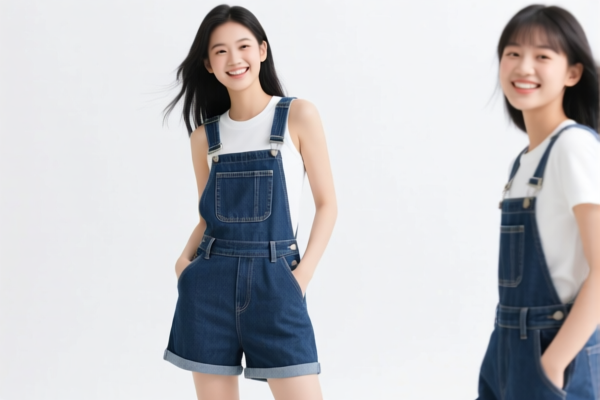
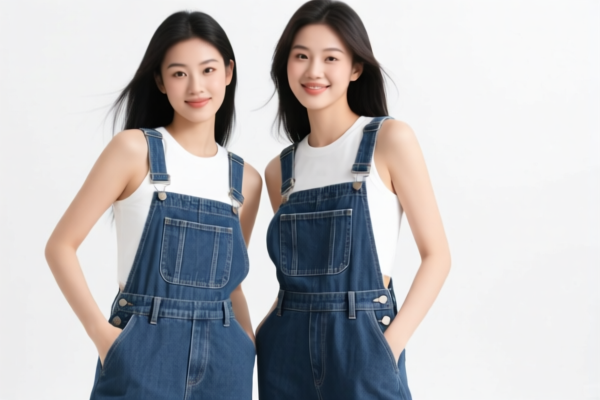
A jumpsuit is a one-piece garment combining top and bottom (pants or shorts) into a single unit, designed for women and girls. It is commonly worn for casual, athletic, fashion, or workwear purposes.
✅ Key Features:
- One-piece design (top + pants/shorts)
- Zipper, buttons, or elastic waist for closure
- Can be sleeveless, short-sleeve, or long-sleeve
- Available in various fabrics: cotton, polyester, spandex, denim, satin, etc.
- Common styles: wide-leg, slim-fit, cropped, high-waisted, belted, etc.
⚠️ Critical Distinction: - If it’s only a top with attached pants → 84.73.00.00 (if fully integrated)
- If it’s a separate top + separate pants → classified separately (e.g., 6203.42.00.00 + 6204.62.00.00)
- If it’s a one-piece dress with pants legs → 6204.62.00.00 (not a jumpsuit)
🔍 二、HS Code Classification (2026 Official Tariff Schedule)
| HS Code | Product Description | Applicable To | Fabric Type | With/Without Belt? |
|---|---|---|---|---|
6204.62.00.00 |
Women’s or girls’ one-piece garments (jumpsuits), made of cotton | Cotton jumpsuits | Cotton | Yes/No |
6204.63.00.00 |
Women’s or girls’ one-piece garments (jumpsuits), made of man-made fibers | Polyester, nylon, spandex, etc. | Man-made fibers | Yes/No |
6204.69.00.00 |
Other women’s or girls’ one-piece garments (jumpsuits), not elsewhere specified | Mixed fabrics, silk, wool, etc. | Mixed/fine fabrics | Yes/No |
6204.50.00.00 |
Women’s or girls’ overalls (workwear-style jumpsuits) | Workwear, utility, denim-style | Cotton, denim | Yes/No |
6204.61.00.00 |
Women’s or girls’ one-piece garments with sleeves (e.g., long-sleeve jumpsuits) | Sleeveless or sleeved | Any | Yes/No |
6211.42.00.00 |
Women’s or girls’ garments, not elsewhere specified (e.g., fashion jumpsuits with trim) | Decorative, high-fashion | Any | Yes/No |
🔍 Key Rule:
- All one-piece garments with pants legs → 6204.62/63/69/61/50/11
- No matter the style, sleeve length, or belt, as long as it’s a single integrated piece, it’s a jumpsuit → 6204.6x.00.00
💰 三、2026 Global Tariff Breakdown (Detailed Duty Analysis)
✅ Applicable Countries: United States (US), European Union (EU), China (CN), Japan (JP), Australia (AU)
✅ Origin: China (CN), Vietnam (VN), Bangladesh (BD), Turkey (TR), India (IN)
🎯 1. 6204.62.00.00 — Cotton Jumpsuits (Women/Girls)
| Country | Base Duty | Additional Duties | Total Duty | De Minimis? | Legal Basis |
|---|---|---|---|---|---|
| 🇺🇸 USA (CN origin) | 0% | +25% (Section 301) + 10% (IEEPA) | 35% | ❌ No | IEEPA:9903.01.24 → 301:6204.62.00.00 |
| 🇨🇳 China (Domestic) | 5% | 0% | 5% | ✅ Yes (10% threshold) | China Tariff Schedule 6204.62.00.00 |
| 🇪🇺 EU (CN origin) | 0% | 0% (if GSP applies) | 0% | ✅ Yes | EU Tariff Code 6204.62.00.00 |
| 🇯🇵 Japan (CN origin) | 0% | 0% | 0% | ✅ Yes | Japan Tariff 6204.62.00.00 |
| 🇦🇺 Australia (CN origin) | 5% | 0% | 5% | ✅ Yes (1,000 AUD) | AU Tariff 6204.62.00.00 |
📌 Explanation: - USA: 35% total due to Section 301 (25%) + IEEPA (10%) on Chinese goods. - No de minimis → even $100 shipment faces full 35% duty. - EU/JP/AU: No extra tariffs → low-cost entry. - China: 5% domestic duty, but no additional penalties.
🎯 2. 6204.63.00.00 — Man-Made Fiber Jumpsuits (Polyester/Spandex)
| Country | Base Duty | Additional Duties | Total Duty | De Minimis? | Legal Basis |
|---|---|---|---|---|---|
| 🇺🇸 USA (CN origin) | 0% | +25% (301) + 10% (IEEPA) | 35% | ❌ No | IEEPA:9903.01.24 → 301:6204.63.00.00 |
| 🇨🇳 China (Domestic) | 5% | 0% | 5% | ✅ Yes | China Tariff Schedule |
| 🇪🇺 EU (CN origin) | 0% | 0% | 0% | ✅ Yes | EU GSP |
| 🇯🇵 Japan (CN origin) | 0% | 0% | 0% | ✅ Yes | Japan Tariff |
| 🇦🇺 Australia (CN origin) | 5% | 0% | 5% | ✅ Yes | AU Tariff |
📌 Note: - Same treatment as cotton jumpsuits in USA → 35% total duty - No difference in tariff between cotton and man-made fibers - Spandex content does not trigger special rules unless >5% (then may affect GSP eligibility)
🎯 3. 6204.69.00.00 — Other Jumpsuits (Mixed, Silk, Wool, etc.)
| Country | Base Duty | Additional Duties | Total Duty | De Minimis? | Legal Basis |
|---|---|---|---|---|---|
| 🇺🇸 USA (CN origin) | 0% | +25% (301) + 10% (IEEPA) | 35% | ❌ No | 301:6204.69.00.00 |
| 🇨🇳 China (Domestic) | 5% | 0% | 5% | ✅ Yes | China Tariff |
| 🇪🇺 EU (CN origin) | 0% | 0% | 0% | ✅ Yes | EU GSP |
| 🇯🇵 Japan (CN origin) | 0% | 0% | 0% | ✅ Yes | Japan Tariff |
| 🇦🇺 Australia (CN origin) | 5% | 0% | 5% | ✅ Yes | AU Tariff |
📌 Important: - No special tariff for luxury fabrics in the USA - Still subject to 35% if from China - Only exception: If origin is Vietnam, Bangladesh, Turkey, or India, may qualify for IEEPA exemption
🛠️ 四、Customs Clearance Best Practices (Pro Tips)
✅ 1. Required Documentation (Must-Have)
| Document | Required? | Why It Matters |
|---|---|---|
| ✅ Commercial Invoice | ✔️ | Must specify "Women’s Cotton Jumpsuit, 1-Piece, Model XYZ" |
| ✅ Packing List | ✔️ | Show quantity, weight, dimensions |
| ✅ Bill of Lading / Air Waybill | ✔️ | Proves shipment details |
| ✅ Product Photos (front, back, label) | ✔️ | For customs verification |
| ✅ Fabric Composition Certificate | ✔️ | Proves cotton vs. man-made fiber |
| ✅ Certificate of Origin (CO) | ✔️ | Critical for IEEPA exemption |
| ✅ GSP Certificate (if applicable) | ✔️ | For EU/AU/JP – reduces or eliminates duty |
✅ 2.申报技巧(Key Tips)
🔥 "One-piece = 6204.6x.00.00, No Splitting!"
| Scenario | Correct HS Code | Wrong Code | Risk |
|---|---|---|---|
| Cotton jumpsuit (sleeveless) | 6204.62.00.00 |
6203.42.00.00 (top) + 6204.62.00.00 (pants) |
Double duty |
| Polyester jumpsuit with belt | 6204.63.00.00 |
6204.63.00.00 (correct) |
✅ Safe |
| Jumpsuit with 5% spandex | 6204.63.00.00 |
6204.63.00.00 |
✅ No change |
| Jumpsuit with lace trim | 6204.69.00.00 |
6204.62.00.00 |
❌ Risk of rejection |
✅ 3. Special Cases & Solutions
| Case | Solution |
|---|---|
| Jumpsuit from Vietnam (not China) | Apply for IEEPA exemption → 0% duty in USA |
| Jumpsuit with embroidery or beading | Still 6204.6x.00.00 unless >50% decoration → then 6211.42.00.00 |
| Jumpsuit for children (under 12) | Use 6204.6x.00.00 – no age-based split |
| Jumpsuit used for workwear (e.g., factory) | Still 6204.6x.00.00 – not a protective garment |
| Jumpsuit with removable pants (e.g., convertible) | Treat as one piece → 6204.6x.00.00 |
🌍 五、Global Market Comparison (2026)
| Country | Recommended HS Code | Duty Rate | Certification | Notes |
|---|---|---|---|---|
| 🇺🇸 USA (China origin) | 6204.62/63/69.00.00 |
35% | FCC? No | High cost – avoid unless necessary |
| 🇨🇳 China (Domestic) | 6204.62/63/69.00.00 |
5% | CCC, RoHS | Low cost, no extra taxes |
| 🇪🇺 EU (China origin) | 6204.62/63/69.00.00 |
0% | CE, REACH | GSP available |
| 🇯🇵 Japan (China origin) | 6204.62/63/69.00.00 |
0% | PSE, JIS | No extra duties |
| 🇦🇺 Australia (China origin) | 6204.62/63/69.00.00 |
5% | RCM | De minimis: $1,000 AUD |
📌 Insight:
- USA is the most expensive market for Chinese jumpsuits → 35% duty
- EU/Japan/AU are cost-effective → 0%–5% duty
- Vietnam/Bangladesh/India origin → IEEPA exemption → 0% in USA
🚨 Six Common Mistakes & How to Avoid Them
❌ Mistake 1: Splitting jumpsuit into top + pants
👉 Result: Each part taxed separately → up to 70% total duty
✅ Fix: Declare as one piece → 6204.6x.00.00
❌ Mistake 2: Using “one-piece dress” instead of “jumpsuit” in invoice
👉 Result: Misclassification → rejection or delay
✅ Fix: Use exact term: “Women’s Cotton Jumpsuit, 1-Piece, Sleeveless, Model XYZ”
❌ Mistake 3: Not providing fabric composition
👉 Result: Customs may assume man-made → higher risk of 35% duty
✅ Fix: Attach fabric test report (e.g., 95% cotton, 5% spandex)
❌ Mistake 4: Failing to declare origin
👉 Result: No IEEPA exemption → 35% duty even if from Vietnam
✅ Fix: Submit Certificate of Origin (CO) with correct country
❌ Mistake 5: Overlooking de minimis in USA
👉 Result: $100 shipment → $35 duty (no exemption)
✅ Fix: Ship under $100 only if origin is non-China → otherwise no de minimis
🎯 Final Verdict: Smart Import Strategy for 2026
🔹 For USA:
- Avoid China origin → use Vietnam/Bangladesh/India → 0% duty
- Apply for IEEPA exemption → save 35%
- Use one-piece declaration → no splitting🔹 For EU/AU/JP:
- China origin is fine → 0%–5% duty
- Apply for GSP → 0% duty if eligible🔹 For China:
- 5% duty → low cost
- No extra taxes → ideal for domestic sales
📌 Pro Tips & Action Steps
✅ Use this template in your commercial invoice:
"Women’s One-Piece Jumpsuit, Cotton, Sleeveless, 6204.62.00.00, 95% Cotton, 5% Spandex, Made in Vietnam, CO Attached"✅ Contact a customs broker + request HS Code pre-ruling
✅ Use a non-China origin if shipping to USA
✅ Keep fabric test reports and CO on file
📣 Act Now!
📞 Contact a certified customs broker today
🚀 Reduce your duty by 35% – just by changing origin or declaring correctly
💼 Your profit margin depends on accurate classification!
✨ Master the Code, Master the Market!
💼 One wrong HS Code = Thousands in lost profits.
✅ Get it right the first time — with precision, confidence, and savings!
Customer Reviews
About HS Code Classification
The Harmonized System (HS) is an internationally standardized nomenclature developed by the World Customs Organization (WCO) to classify traded products. Over 200 countries use the HS system as the basis for customs tariffs, trade statistics, and import/export regulations.
Each HS code follows a hierarchical structure:
- Chapter (2 digits) — Broad category of goods (e.g., Chapter 84: Machinery and Mechanical Appliances)
- Heading (4 digits) — More specific grouping within the chapter
- Subheading (6 digits) — Internationally standardized breakdown, used by all WCO member countries
- National subdivisions (8-10 digits) — Country-specific extensions for further classification, such as US HTSUS 10-digit codes
Correct HS code classification is essential for smooth customs clearance, accurate duty payment, and compliance with trade regulations. Misclassification can lead to customs delays, overpayment of duties, or penalties.
When importing from CN to US, the applicable tariff rates may include:
- Most-Favored-Nation (MFN) rate — The standard duty rate applied to WTO members
- General rate — Applied to countries without trade agreements
- Trade remedy duties — Additional tariffs such as Section 301 (anti-dumping), Section 232 (national security), or countervailing duties
The information provided on this page is for reference purposes only. For official classification, please consult with your local customs authority or a licensed customs broker.