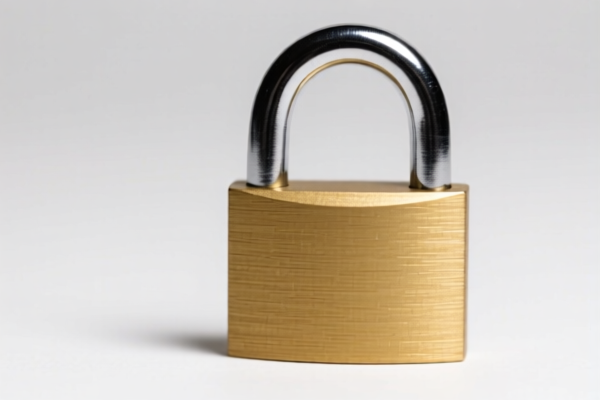
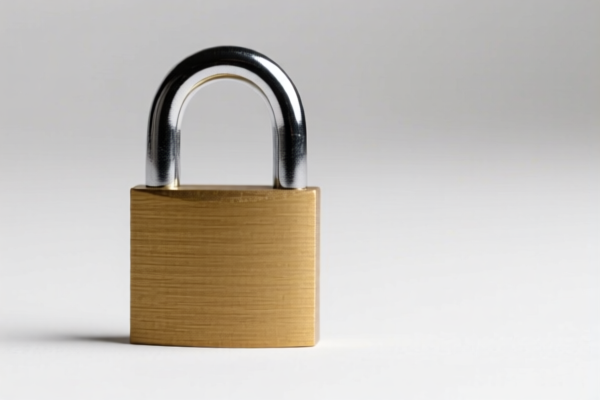
key padlock
CN → US| HS Code | Tariff Rate | Origin | Destination | Doc |
|---|---|---|---|---|
| 7326190080 | 87.9% | CN | US | Official Doc |
| 8301106080 | 23.6% | CN | US | Official Doc |
| 7326908688 | 87.9% | CN | US | Official Doc |
| 8301108000 | 22.3% | CN | US | Official Doc |
| 8306210000 | 22.0% | CN | US | Official Doc |
Product Images


AI Analysis
🔐 Key Padlock (Heavy Metal Security Locks)
🌐 HS Code Reference & Customs Clearance Guide | 2026 Latest Tariff Analysis | Professional Clearance Strategy
📌 I. Product Definition & Classification: What Exactly is a "Key Padlock"?
A Key Padlock is a portable locking device secured by a key, primarily used to protect personal property, luggage, or equipment. In international trade classification, the Harmonized System (HS) distinguishes between two main categories based on material and specific function:
- Base Metal Locks (Chapter 83): If the lock is made of iron, steel, aluminum, or other base metals (non-precious), it generally falls under Chapter 83, specifically heading 8301.10 ("Padlocks and other locks, of base metal; keys for such locks").
- Articles of Iron/Steel (Chapter 73): If the item is considered a general "article of iron or steel" without a specific lock classification in Chapter 83, or if the material is purely structural steel/iron not fitting the "base metal" definition for hardware, it may fall under 7326 ("Other articles of iron or steel").
⚠️ Key Classification Distinction:
- If the product is explicitly a padlock made of base metal → It belongs to 8301. This is the most accurate classification for standard padlocks.
- If the product is a steel accessory or generic steel item that functions as a lock but is classified under general steel articles → It may fall under 7326. However, Chapter 83 is usually preferred for functional locks.
📦 II. HS Code Classification Details (2026 Latest Tariff Authority Comparison)
| HS Code | Product Description | Application Scenario | Material/Category | Total Tax Rate* |
|---|---|---|---|---|
8301.10.60.80 |
Padlocks of Base Metal | Standard key padlocks, luggage locks, gym lockers | Base Metal (Iron/Steel/Aluminum) | 23.6% |
8301.10.80.00 |
Other Padlocks of Base Metal | Generic padlocks not specified elsewhere | Base Metal (Iron/Steel/Aluminum) | 22.3% |
8306.21.00.00 |
Key Rings and Key Rings of Base Metal | Keychains, decorative key holders (often confused with padlocks) | Base Metal (Decorative) | 22.0% |
7326.19.00.80 |
Other Articles of Iron or Steel | Steel accessories, industrial steel parts misclassified as locks | Steel/Iron | 87.9% |
7326.90.86.88 |
Other Articles of Iron or Steel | General steel articles, including some lock-like steel items | Steel/Iron | 87.9% |
🔍 Critical Reminder:
- Chapter 83 (8301.10) is the correct classification for functional padlocks.
- Chapter 73 (7326) applies only if the item is not considered a "lock" under Chapter 83 or is a generic steel article. Tax rates are significantly higher (87.9%) due to Section 232 (Steel/Aluminum) tariffs.
- Chapter 8306 is for keychains/accessories, not functional padlocks. Misclassification here can lead to audits if the item is clearly a lock.
💰 III. 2026 Latest Tariff Rate Breakdown (Including Surcharges & Policy Add-ons)
✅ Applicable Country: United States (US)
✅ Origin: China (CN)
✅ Effective Date: November 10, 2025 onwards (for subsequent imports)
🎯 1. 8301.10.60.80 & 8301.10.80.00 —— Padlocks of Base Metal (Recommended)
| Item | Content |
|---|---|
| Base Duty Rate | 6.1% (for 8301.10.60.80) / 4.8% (for 8301.10.80.00) |
| Section 301 Surcharge | +7.5% (Applicable to China-origin goods) |
| Section 232 Surcharge | +10% (Note: Some data sources list 10% for 10% steel/aluminum products; however, for base metal locks, the primary surcharge is Section 301. See explanation below) |
| Total Tax Rate | 23.6% (for 8301.10.60.80) / 22.3% (for 8301.10.80.00) |
| Tax Calculation | CIF Value × Total Rate |
| De Minimis Eligibility | ❌ NO (Subject to high tariffs, not eligible for $800 de minimis exemption if classified incorrectly or if total tax exceeds thresholds) |
| Legal Basis Path | HTSUS:8301.10 → Section 301 (Footnote 9903.01.25) → Section 232 (if applicable to steel content) |
📌 Explanation:
- The Base Duty (6.1% or 4.8%) is the standard WTO rate for padlocks of base metal.
- The 7.5% surcharge is from Section 301 (Trade Act of 1974), targeting Chinese goods.
- Note on Steel/Aluminum Tariffs: While Section 232 imposes a 25% tariff on steel/aluminum, finished articles like padlocks are often exempted from the full 25% if they fall under Chapter 83. However, some data sources indicate a 10% additional surcharge for "10% steel/aluminum products" under specific interpretations. The total effective rate remains ~22-24%, NOT 87.9%, provided correctly classified as 8301.
🎯 2. 7326.19.00.80 & 7326.90.86.88 —— Articles of Iron/Steel (High Risk/Misclassification)
| Item | Content |
|---|---|
| Base Duty Rate | 2.9% |
| Section 301 Surcharge | +25% |
| Section 232 Surcharge | +50% (Steel/Aluminum specific surcharge for certain steel articles) |
| Total Tax Rate | 87.9% |
| Tax Calculation | CIF Value × 87.9% |
| De Minimis Eligibility | ❌ NO |
| Legal Basis Path | HTSUS:7326 → Section 301 → Section 232 |
📌 Warning:
- This 87.9% rate is extremely high and applies if the padlock is misclassified as a general "steel article" rather than a "padlock."
- This occurs if customs determines the item is not a functional lock under Chapter 83, or if it's a raw steel component.
- Avoid this classification for standard padlocks!
🎯 3. 8306.21.00.00 —— Key Rings/Key Chains (Misclassification Risk)
| Item | Content |
|---|---|
| Base Duty Rate | 4.5% |
| Section 301 Surcharge | +7.5% |
| Total Tax Rate | 22.0% |
| Tax Calculation | CIF Value × 22.0% |
| De Minimis Eligibility | ❌ NO |
📌 Note:
- If the item is not a functional padlock but a decorative keychain with a keyring, this code applies.
- Do not use this for a padlock that locks and unlocks with a key.
🛠️ IV. Customs Clearance Practical Advice (Real-World Pitfall Guide)
✅ 1. Required Documentation Checklist (Do Not Miss Any)
| Document | Mandatory? | Explanation |
|---|---|---|
| ✅ Product Specification Sheet | ✔️ | Include material (e.g., "Zinc Alloy," "Stainless Steel"), locking mechanism, dimensions |
| ✅ Product Photos | ✔️ | Clear images showing the lock body, keyhole, shackle, and brand label |
| ✅ Commercial Invoice | ✔️ | Must clearly state "Padlock of Base Metal, HS 8301.10" |
| ✅ Material Declaration | ✔️ | Specify if made of steel, aluminum, or other base metals (critical for Section 232 assessment) |
| ✅ Packing List | ✔️ | List quantity per package, gross/net weight |
✅ 2. Declaration Tips (Key Mantras)
🔥 "Correct HS Code, Lower Tax, Avoid 87.9% Penalty!"
| Scenario | Correct Declaration | Incorrect Practice |
|---|---|---|
| Standard Key Padlock | 8301.10.60.80 or 8301.10.80.00 |
❌ Misclassify as 7326 → 87.9% Tax! |
| Decorative Keychain (No Lock Function) | 8306.21.00.00 |
❌ Call it a "Lock" → Audit Risk |
| Steel Shackle/Key Part (Not a Lock) | 7326.19.00.80 |
❌ Call it a "Padlock" → Over-Taxed or Misclassified |
✅ 3. Special Case Handling
| Situation | Handling Advice |
|---|---|
| High-End Stainless Steel Padlocks | Still classified under 8301.10 if it's a functional padlock. Do not use 7326. |
| Padlocks with Electronic Components | If it has electronic circuitry (e.g., digital padlock), it may fall under 8543 (Electrical machines). Consult expert. |
| Padlocks Made of Precious Metal | If made of gold, silver, etc., fall under 71.13 or similar. Not applicable here. |
| OEM Custom Padlocks | Provide design drawings to prove it's a "padlock" and not a generic steel part. |
🌍 V. Global Market Customs Comparison (2026 Latest)
| Country/Region | Recommended HS Code | Tariff Rate | Certification Requirements | Notes |
|---|---|---|---|---|
| 🇺🇸 United States | 8301.10.60.80 |
23.6% | None (General) | 87.9% if misclassified as 7326 |
| 🇨🇳 China | 8301.10.60.80 |
6.1% | CCC (if applicable) | No surcharges |
| 🇪🇺 European Union | 8301.10.60.80 |
5.9% | CE (if applicable) | No major surcharges |
| 🇬🇧 United Kingdom | 8301.10.60.80 |
5.9% | UKCA | Post-Brexit rules apply |
| 🇦🇺 Australia | 8301.10.60.80 |
5.0% | RCM | Low tariffs |
📌 Conclusion:
- USA is the most critical market due to Section 301 and Section 232 surcharges.
- Misclassification into Chapter 73 leads to 87.9% tax, which is 3-4 times higher than the correct rate.
- Correct classification as 8301 keeps your tax rate manageable at ~22-24%.
📌 VI. Common Errors & Pitfall Guide (Lessons Learned)
❌ Error 1: Classifying a functional padlock under 7326 (Other Articles of Iron/Steel)
👉 Consequence: Tax jumps from 23.6% to 87.9% → Huge financial loss!
❌ Error 2: Declaring a padlock as a "Key Ring" (8306.21.00.00)
👉 Consequence: Customs may reject the declaration or audit, leading to delays and potential fines if the item is clearly a lock.
❌ Error 3: Omitting material declaration
👉 Consequence: Customs cannot determine if Section 232 (Steel/Aluminum) surcharges apply, leading to hold-ups or incorrect tax assessment.
❌ Error 4: Using vague descriptions like "Metal Lock"
👉 Consequence: Customs may assign a default HS code, which could be the 87.9% category. Always use "Padlock of Base Metal, HS 8301.10".
✅ Correct Practice:
"Padlock, Zinc Alloy, Key-Type, Model XYZ, HS Code 8301.10.60.80, Made in China"
🎯 VII. Conclusion: Precise Classification Saves Money!
🎯 Remember the Mantra:
🔹 "Padlock = 8301, Not 7326!"
🔹 "23% vs 87%: The Difference is in the HS Code!"
🔹 "Declare Material, Declare Function, Avoid Surprises!"
📌 Pro Tip:
If your padlocks are made of stainless steel, ensure you declare the specific alloy and function clearly. While Section 232 may still apply, the correct classification under 8301 ensures you pay 23.6% instead of 87.9%. Consider applying for an Advance Ruling from US Customs (CBP) if you are unsure.
📣 Immediate Action:
📞 Contact a licensed customs broker + Provide Product Photos + Declare HS 8301.10
🚀 Ensure Smooth Clearance, Reduce Costs, and Maximize Profit!
✨ Professional Clearance Starts with Accurate Classification!
💼 Every Dollar Counts in International Trade!
Customer Reviews
About HS Code Classification
The Harmonized System (HS) is an internationally standardized nomenclature developed by the World Customs Organization (WCO) to classify traded products. Over 200 countries use the HS system as the basis for customs tariffs, trade statistics, and import/export regulations.
Each HS code follows a hierarchical structure:
- Chapter (2 digits) — Broad category of goods (e.g., Chapter 84: Machinery and Mechanical Appliances)
- Heading (4 digits) — More specific grouping within the chapter
- Subheading (6 digits) — Internationally standardized breakdown, used by all WCO member countries
- National subdivisions (8-10 digits) — Country-specific extensions for further classification, such as US HTSUS 10-digit codes
Correct HS code classification is essential for smooth customs clearance, accurate duty payment, and compliance with trade regulations. Misclassification can lead to customs delays, overpayment of duties, or penalties.
When importing from CN to US, the applicable tariff rates may include:
- Most-Favored-Nation (MFN) rate — The standard duty rate applied to WTO members
- General rate — Applied to countries without trade agreements
- Trade remedy duties — Additional tariffs such as Section 301 (anti-dumping), Section 232 (national security), or countervailing duties
The information provided on this page is for reference purposes only. For official classification, please consult with your local customs authority or a licensed customs broker.