keyboard wrist guard
CN → US| HS Code | Tariff Rate | Origin | Destination | Doc |
|---|---|---|---|---|
| 9403608093 | 35.0% | CN | US | Official Doc |
| 9403910080 | 35.0% | CN | US | Official Doc |
| 4421919880 | 38.3% | CN | US | Official Doc |
| 4421999880 | 38.3% | CN | US | Official Doc |
| 9504300060 | 17.5% | CN | US | Official Doc |
Product Images
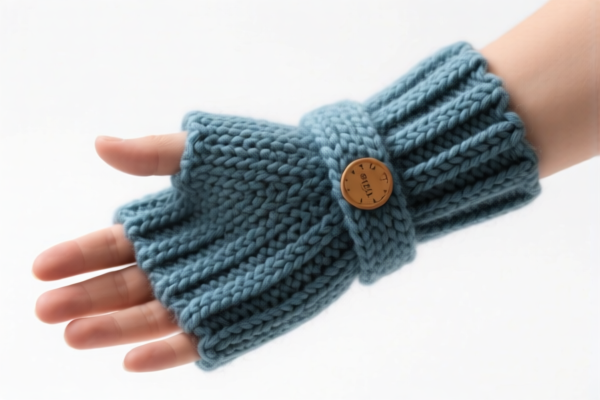
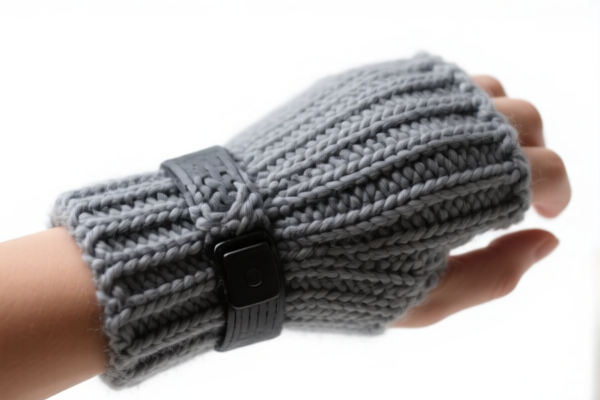
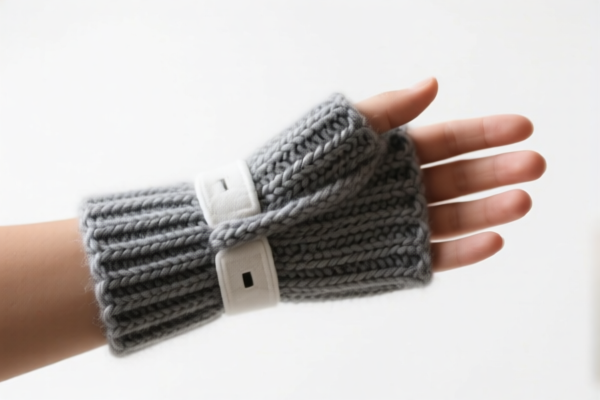
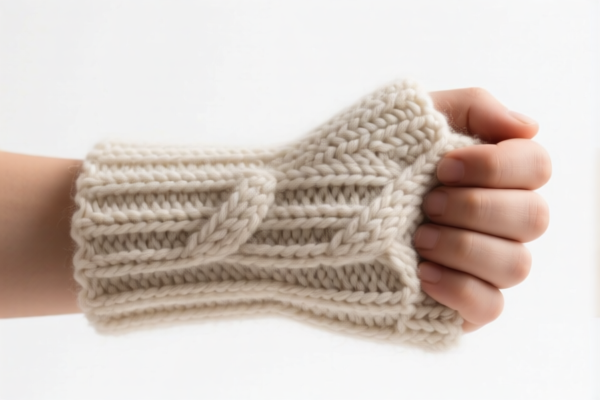
AI Analysis
🖱️ Wooden Keyboard Wrist Rest (木质键盘腕托)
🌐 HS Code Reference & Customs Clearance Guide | 2026 Latest Tariff Analysis | Strategic Compliance for Wood Accessories
📌 Part 1: Product Definition & Classification – What Exactly Is a "Wooden Keyboard Wrist Rest"?
A wooden keyboard wrist rest is an ergonomic accessory designed to support the user’s wrists while typing. In international trade, its classification hinges on two critical factors:
1. Material Composition: Primarily wood (solid, engineered, or veneered).
2. Functional Role: Is it a "part of furniture" or an "accessory for electronic devices/peripherals"?
⚠️ Key Distinction:
- If classified as a wooden accessory for furniture (Chapter 94), it falls under furniture parts/accessories.
- If classified as an accessory for electronic peripherals (Chapter 95), it falls under computer peripheral parts.
- If classified as a general wood product (Chapter 44), it falls under miscellaneous wood articles.
The HS code choice dramatically impacts the total tax burden due to differing base tariffs and Section 301/122附加税 (additional tariffs) applicable to Chinese-origin goods.
📦 Part 2: HS Code Classification Matrix (2026 Latest Tariff Data)
Based on the provided data, here are the 5 valid HS Code options for wooden keyboard wrist rests, along with their tax implications.
| HS Code | Product Description | Classification Logic | Total Tax Rate | Tax Breakdown |
|---|---|---|---|---|
9403.60.80.93 |
Wooden Keyboard Wrist Rest, classified as other wooden furniture accessories | Treated as a component/accessory of wooden furniture (e.g., desk accessories) | 35.0% | Base: 0% + Section 301: 25% + Section 122: 10% |
9403.91.00.80 |
Wooden Keyboard Wrist Rest, classified as parts of wooden furniture | Treated as a spare part for wooden furniture (chairs/desks) | 35.0% | Base: 0% + Section 301: 25% + Section 122: 10% |
4421.91.98.80 |
Wooden Keyboard Wrist Rest, classified as other wood product accessories | Treated as a miscellaneous wooden article under Chapter 44 | 38.3% | Base: 3.3% + Section 301: 25% + Section 122: 10% |
4421.99.98.80 |
Wooden Keyboard Wrist Rest, classified as other wood product parts | Treated as miscellaneous parts of wood products | 38.3% | Base: 3.3% + Section 301: 25% + Section 122: 10% |
9504.30.00.60 |
Wooden Keyboard Wrist Rest, classified as keyboard accessories/parts | Treated as an accessory for electronic equipment (computers/keyboards) | 17.5% | Base: 0% + Section 301: 7.5% + Section 122: 10% |
🔍 Critical Observation:
- Cheapest Option:9504.30.00.60(17.5%) – Classifying it as a keyboard accessory.
- Most Expensive Options:4421.91.98.80/4421.99.98.80(38.3%) – Due to the 3.3% base tariff on general wood products.
- Middle Ground:9403.xxxx(35.0%) – Furniture parts/accessories have a 0% base tariff but still attract high additional tariffs.
💰 Part 3: Detailed Tariff Structure & Legal Basis (2026)
✅ Applicable Country: United States (US)
✅ Origin: China (CN)
✅ Effective Date: Tariffs apply to imports from China.
🎯 1. The "Best Case" Scenario: 9504.30.00.60 (17.5% Total)
| Item | Detail |
|---|---|
| Base Tariff | 0% |
| Section 301 Surcharge | 7.5% (Lower than the standard 25% due to specific exclusions or subcategory rules for electronic accessories) |
| Section 122 Surcharge | 10% (Under International Emergency Economic Powers Act, targeting specific Chinese goods) |
| Total Effective Rate | 17.5% |
| Calculation | CIF Value × 17.5% |
| De Minimis Exemption | ❌ Not Applicable (Section 122 and Section 301 usually override de minimis for certain categories or values) |
📌 Explanation:
- This classification leverages the view that the wrist rest is integral to the keyboard (an electronic input device).
- The Section 301 rate is lower (7.5% vs 25%) for certain electronic accessories, making this the most cost-effective route if defensible.
🎯 2. The "Furniture" Scenario: 9403.60.80.93 / 9403.91.00.80 (35.0% Total)
| Item | Detail |
|---|---|
| Base Tariff | 0% |
| Section 301 Surcharge | 25% (Standard rate for furniture parts/accessories) |
| Section 122 Surcharge | 10% |
| Total Effective Rate | 35.0% |
| Calculation | CIF Value × 35.0% |
📌 Explanation:
- Customs may view a wooden wrist rest as a desk accessory or furniture part.
- While the base tariff is 0%, the full 25% Section 301 tax applies, leading to a higher total than the keyboard accessory route.
🎯 3. The "General Wood Product" Scenario: 4421.91.98.80 / 4421.99.98.80 (38.3% Total)
| Item | Detail |
|---|---|
| Base Tariff | 3.3% |
| Section 301 Surcharge | 25% |
| Section 122 Surcharge | 10% |
| Total Effective Rate | 38.3% |
| Calculation | CIF Value × 38.3% |
📌 Explanation:
- This is the least favorable classification.
- It attracts a base tariff (3.3%) on top of the standard 25% Section 301 and 10% Section 122.
- Avoid this unless no other classification fits.
🛠️ Part 4: Customs Clearance Strategic Advice (Best Practices)
✅ 1. Documentation Requirements (Essential for Accurate Classification)
| Document | Requirement | Purpose |
|---|---|---|
| Product Photos | ✔️ Clear images showing wood material, shape, and relation to keyboard | Proves it is a wrist rest, not a generic wood block or furniture part |
| Material Specification | ✔️ Detailed description (e.g., "Solid Oak," "Bamboo Composite") | Determines Chapter 44 vs. Chapter 94 if ambiguity exists |
| Usage Description | ✔️ Explicit statement: "Accessory used exclusively with electronic keyboards" | Supports classification under 9504 (electronic accessories) |
| Commercial Invoice | ✔️ Description: "Wooden Keyboard Wrist Rest for Ergonomic Typing Support" | Avoids generic terms like "Wooden Block" which may trigger Chapter 44 |
| HS Code Justification | ✔️ Internal memo linking product features to HTSUS 9504.30.00.60 | Helps defend against customs audits |
✅ 2. Classification Strategy: How to Justify 9504.30.00.60
🔥 "Keyboard Accessory, Not Furniture!"
To achieve the 17.5% rate (vs 35%+), you must convince Customs that the wrist rest is: 1. Specifically Designed for use with electronic keyboards (not general-purpose wood blocks). 2. Functionally Integral to the keyboard system (ergonomic extension). 3. Sold Together or marketed explicitly with keyboards/computers.
Recommended Declaration Language:
"Wooden Wrist Rest, Ergonomic Accessory for Computer Keyboards, Model WR-100, Made of Bamboo Wood, Sold as Part of Keyboard Set."
Avoid:
"Wooden Desk Pad" or "Wooden Furniture Accessory" → These trigger 9403 or 4421 classifications.
✅ 3. Risk Mitigation & Audit Defense
| Risk | Mitigation Strategy |
|---|---|
| Misclassification Audit | Keep product catalogues, marketing materials, and sales invoices showing it is marketed with keyboards. |
| Section 122 Exclusion | Check if the specific wooden wrist rest model qualifies for any Section 122 exclusions (rare, but verify). |
| Base Tariff Avoidance | Never classify as 4421 (3.3% base) unless necessary. The 10% Section 122 is unavoidable in most cases, so minimize base + Section 301. |
| De Minimis Loophole | ❌ Do Not Rely on De Minimis: Section 122 tariffs generally apply to all entries from China, regardless of value. |
🌍 Part 5: Comparative Market Overview (2026)
| Destination | Recommended HS Code | Estimated Total Tax | Key Requirement |
|---|---|---|---|
| 🇺🇸 USA | 9504.30.00.60 |
17.5% | Proof of electronic accessory use |
| 🇨🇳 China | 4421.99.00.00 |
~5-10% | Standard import duty for wood products |
| 🇪🇺 EU | 4421.99.95 |
~6.5% | No Section 301/122; standard EU duty |
| 🇬🇧 UK | 4421.99.90 |
~6.5% | Post-Brexit tariff structure |
📌 Conclusion for US Market:
- The 17.5% rate under9504.30.00.60is significantly cheaper than the 35-38% rates for furniture/general wood classifications.
- Success depends on precise product description and marketing alignment with computer peripherals.
📌 Part 6: Common Mistakes & Pitfalls (Learn from Errors)
❌ Mistake 1: Describing the product as "Wooden Desk Pad" or "Office Furniture Accessory"
👉 Result: Customs classifies under 9403 or 4421 → Tax jumps to 35-38.3%.
❌ Mistake 2: Ignoring Section 122 Tariffs
👉 Result: Assuming only Section 301 applies → Unexpected 10% penalty.
❌ Mistake 3: Using Generic Terms like "Wooden Block"
👉 Result: High risk of misclassification, delays, and potential seizure.
✅ Correct Approach:
Always use "Keyboard Wrist Rest" as the primary product name, with "Ergonomic Accessory for Computer Keyboards" as the descriptive subtitle.
🎯 Part 7: Final Recommendations
🎯 Key Takeaway:
Classify as
9504.30.00.60(17.5%) whenever possible.
- How: Ensure marketing, invoices, and product listings emphasize its use with keyboards/computers.
- Avoid: Terms like "furniture part," "desk accessory," or generic "wood product."
- Verify: Check for any Section 122 exclusions for your specific manufacturer/model.
📌 Action Plan:
1. Update Product Descriptions across all sales channels to highlight "Keyboard Accessory."
2. Prepare Documentation showing product integration with keyboards.
3. Consult a Customs Broker for a Pre-Ruling if shipping large volumes.
✨ Smart Classification = Lower Taxes = Higher Profit!
💼 Don't let "wood" cost you an extra 20% in tariffs. Classify as tech accessory, not furniture.
Customer Reviews
About HS Code Classification
The Harmonized System (HS) is an internationally standardized nomenclature developed by the World Customs Organization (WCO) to classify traded products. Over 200 countries use the HS system as the basis for customs tariffs, trade statistics, and import/export regulations.
Each HS code follows a hierarchical structure:
- Chapter (2 digits) — Broad category of goods (e.g., Chapter 84: Machinery and Mechanical Appliances)
- Heading (4 digits) — More specific grouping within the chapter
- Subheading (6 digits) — Internationally standardized breakdown, used by all WCO member countries
- National subdivisions (8-10 digits) — Country-specific extensions for further classification, such as US HTSUS 10-digit codes
Correct HS code classification is essential for smooth customs clearance, accurate duty payment, and compliance with trade regulations. Misclassification can lead to customs delays, overpayment of duties, or penalties.
When importing from CN to US, the applicable tariff rates may include:
- Most-Favored-Nation (MFN) rate — The standard duty rate applied to WTO members
- General rate — Applied to countries without trade agreements
- Trade remedy duties — Additional tariffs such as Section 301 (anti-dumping), Section 232 (national security), or countervailing duties
The information provided on this page is for reference purposes only. For official classification, please consult with your local customs authority or a licensed customs broker.