kids bracelets
CN → US| HS Code | Tariff Rate | Origin | Destination | Doc |
|---|---|---|---|---|
| 9503000071 | 10.0% | CN | US | Official Doc |
| 9503000073 | 10.0% | CN | US | Official Doc |
| 7117196000 | 17.5% | CN | US | Official Doc |
| 7113115000 | 22.5% | CN | US | Official Doc |
| 7117904500 | 10.0% | CN | US | Official Doc |
Product Images
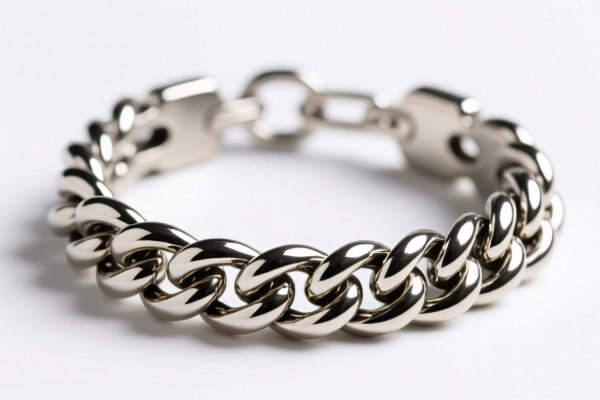
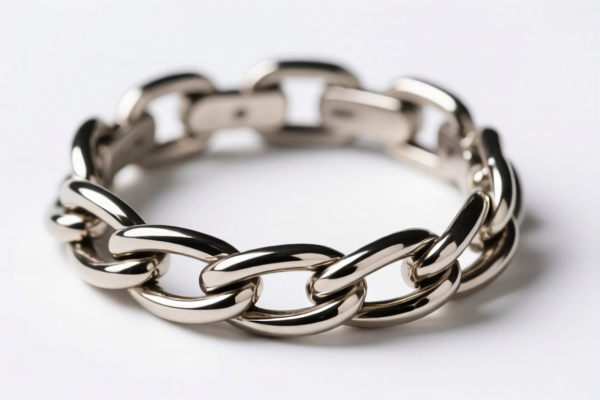
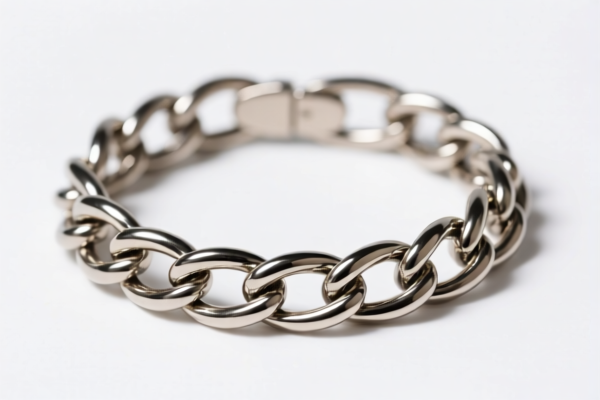
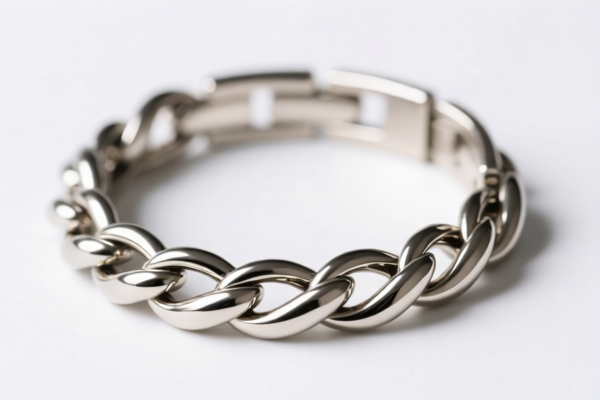
AI Analysis
👶 Kids Bracelets (儿童手链)
🌐 HS Code Reference & Customs Clearance Guide | 2026 Latest Tariff Analysis | Professional Strategy
📌 Part 1: Product Definition & Classification: What Exactly Is a "Kids Bracelet"?
Kids bracelets are not a single, unified commodity in international trade. Their classification depends entirely on material composition and intended use. Misclassification can lead to massive tariff differences (from 10% to 23%).
We must distinguish between three main categories: 1. Jewelry (Precious/Metal): High-end, silver, or gold-plated items. 2. Imitation Jewelry (Base Metal): Fashion accessories, often used as toys. 3. Toys/Children’s Goods: Plastic, fabric, or mixed-material items explicitly marketed as toys.
⚠️ Key Distinction Point:
- If it looks like a "toy" (bright colors, plastic, simple design) → Chapter 95 (Toys)
- If it looks like "fashion jewelry" (metal, beads, charms) → Chapter 71 (Imitation/Real Jewelry)
- Crucial Warning: Even if it’s for kids, if it’s made of precious metal, it is Jewelry, not a Toy.
📦 Part 2: Detailed HS Code Breakdown (2026 Latest Tariff Authority Comparison)
Based on the provided data, here are the five possible classifications for "Kids Bracelets" entering the US market:
| HS Code | Product Description | Primary Material | Total Tax Rate |
|---|---|---|---|
7117.19.60.00 |
Imitation Jewelry (Base Metal), Specifically Children's | Base Metal / Toy Jewelry | 17.5% |
7113.11.50.00 |
Jewelry of Silver (Precious Metal) | Silver / Base Metal Alloy | 22.5% |
7117.90.45.00 |
Imitation Jewelry (Non-Precious), Toy Purpose | Non-Precious Metal / Plastic | 10.0% |
7113.19.50.95 |
Jewelry of Precious/Metal-Clad | Gold / Silver / Plated | 23.0% |
9503.00.00.71 |
Toys, Children’s Goods | Plastic / Fabric / Mixed | 10.0% |
🔍 Critical Insight:
- The biggest risk is misclassifying a "Toy Bracelet" (Plastic) as "Jewelry" or vice versa. - Lowest Tax (10%): Achieved either via7117.90.45.00(Non-precious imitation jewelry) or9503.00.00.71(Toys). - Highest Tax (23%): Precious metals (7113.19.50.95) attract the highest base duty.
💰 Part 3: 2026 Latest Tariff Rate Breakdown (Including Surcharges)
✅ Applicable Country: United States (US)
✅ Origin: China (CN)
✅ Effective Date: 2025年11月10日起 (Post Nov 10, 2025)
🎯 1. 7117.19.60.00 — Base Metal Imitation Jewelry (Children's)
| Item | Detail |
|---|---|
| Base Duty | 0.0% |
| Section 301 Surcharge | 7.5% |
| Section 122 Surcharge | 10.0% |
| Total Rate | 17.5% |
| De Minimis Eligibility | ❌ NO (Subject to Section 301 & 122) |
| Legal Basis | Section 301: 7.5% + Section 122: 10% |
📌 Explanation:
- This category targets base metal fashion items.
- Although the base duty is 0%, the 17.5% total burden is significant for low-margin items.
🎯 2. 7113.11.50.00 — Silver Jewelry
| Item | Detail |
|---|---|
| Base Duty | 5.0% |
| Section 301 Surcharge | 7.5% |
| Section 122 Surcharge | 10.0% |
| Total Rate | 22.5% |
| De Minimis Eligibility | ❌ NO |
| Legal Basis | Section 301: 7.5% + Section 122: 10% |
📌 Explanation:
- Applies if the bracelet is silver (or primarily silver).
- Higher base duty (5%) makes this the second most expensive option.
🎯 3. 7117.90.45.00 — Non-Precious Imitation Jewelry (Toy Use)
| Item | Detail |
|---|---|
| Base Duty | 0.0% |
| Section 301 Surcharge | 0.0% |
| Section 122 Surcharge | 10.0% |
| Total Rate | 10.0% |
| De Minimis Eligibility | ❌ NO (Section 122 applies) |
| Legal Basis | Section 122: 10% |
📌 Explanation:
- Strategic Sweet Spot: No base duty, NO Section 301 (7.5% saved!).
- Only applies if explicitly classified as non-precious imitation jewelry for toy-like purposes.
- Condition: Must not be precious metal. Must clearly fall under "Imitation Jewelry."
🎯 4. 7113.19.50.95 — Precious/Metal-Clad Jewelry
| Item | Detail |
|---|---|
| Base Duty | 5.5% |
| Section 301 Surcharge | 7.5% |
| Section 122 Surcharge | 10.0% |
| Total Rate | 23.0% |
| De Minimis Eligibility | ❌ NO |
| Legal Basis | Section 301: 7.5% + Section 122: 10% |
📌 Explanation:
- Highest total rate. Avoid this unless selling premium/high-end silver/gold items where margin can absorb 23%.
🎯 5. 9503.00.00.71 — Toys / Children’s Goods
| Item | Detail |
|---|---|
| Base Duty | 0.0% |
| Section 301 Surcharge | 0.0% |
| Section 122 Surcharge | 10.0% |
| Total Rate | 10.0% |
| De Minimis Eligibility | ❌ NO (Section 122 applies) |
| Legal Basis | Section 122: 10% |
📌 Explanation:
- Strategic Sweet Spot 2: Identical 10% rate to7117.90.45.00.
- Condition: The item must be clearly a Toy (plastic, fabric, simple mechanism).
- Risk: If CBP determines it’s "Jewelry" not "Toy," you will face back duties + penalties.
🛠️ Part 4: Customs Clearance Practical Advice (Battle-Tested Guide)
✅ 1. Preparation Checklist (Non-Negotiable)
| Document | Required? | Notes |
|---|---|---|
| ✅ Product Photos | ✔️ | Show materials (plastic vs. metal), packaging, and any "Toy" markings. |
| ✅ Material Spec Sheet | ✔️ | Critical: Declare exact composition (e.g., "99% Plastic," "Sterling Silver"). |
| ✅ Marketing Materials | ✔️ | Ads, website screenshots showing it’s marketed as a "Toy" vs. "Fashion Accessory." |
| ✅ Commercial Invoice | ✔️ | Clearly state "Kids Toy Bracelet" or "Silver Jewelry Bracelet." Do NOT use vague terms like "Accessory." |
| ✅ Packaging Photos | ✔️ | Show if it comes in a toy box (supports 9503) vs. jewelry box (supports 7113). |
✅ 2. Declaration Strategy (Key Formulas)
🔥 “Toy Claim, Plastic Prove; Metal Claim, Silver Prove; Avoid Section 301!”
| Scenario | Correct HS Code | Tax Rate | Why? |
|---|---|---|---|
| Plastic/Fabric Bracelet (Market as Toy) | 9503.00.00.71 |
10% | Exempt from Section 301. Must look like a toy. |
| Base Metal/Alloy (Fashion/Toy Look) | 7117.90.45.00 |
10% | Exempt from Section 301. Must be "Imitation Jewelry." |
| Base Metal (Jewelry Look) | 7117.19.60.00 |
17.5% | Subject to Section 301 + 122. |
| Silver/Gold | 7113.xx.xx |
22.5%~23% | Subject to Base + 301 + 122. |
| Mixed Material (High Risk) | CBP Discretion | ⚠️ High | If ambiguous, CBP may classify as Jewelry (higher tax). |
✅ 3. Special Case Handling
| Situation | Recommendation |
|---|---|
| "Jewelry-Like" Plastic Bracelet | Try to declare under 9503.00.00.71 (Toy). Provide photos showing child-friendly, non-sharp, simple design. |
| "Toy-Like" Metal Bracelet | Try to declare under 7117.90.45.00 (Imitation Jewelry). Emphasize "Non-Precious" and "Toy Purpose" to avoid Section 301. |
| Silver Bracelet for Kids | Must declare as 7113.11.50.00. No avoiding Section 301. Price accordingly. |
| Ambiguous Items | Avoid. If you can’t prove it’s a toy OR non-precious imitation jewelry, the risk of reclassification is too high. |
🌍 Part 5: Global Market Comparison (2026 Latest)
| Country/Region | Recommended HS Code | Tariff (China Origin) | Notes |
|---|---|---|---|
| 🇺🇸 USA | 9503.00.00.71 / 7117.90.45.00 |
10% | Best option: Avoid Section 301. |
| 🇺🇸 USA | 7117.19.60.00 |
17.5% | High tax, but common for metal charms. |
| 🇺🇸 USA | 7113.19.50.95 |
23.0% | Highest tax, for premium items. |
| 🇨🇳 China | 9503.00.00.00 |
8% | Export clearance. |
| 🇪🇺 EU | 9503.00.00 |
0%~6% | Varies by material. No Section 301. |
| 🇬🇧 UK | 9503.00.00 |
0%~6% | Similar to EU. |
📌 Conclusion:
- The USA is the most complex market due to Section 301 (7.5%) and Section 122 (10%).
- Goal: Classify under9503(Toys) or7117.90(Non-precious) to pay only 10%.
- Avoid:7113(Precious) and7117.19(Precious base metal) if margins are thin.
📌 Part 6: Common Mistakes & Pitfalls (Lessons Learned)
❌ Mistake 1: Declaring a Plastic Bracelet as 7117.19.60.00 (Base Metal Jewelry)
👉 Consequence: Paying 17.5% instead of 10%. Unnecessary cost.
❌ Mistake 2: Declaring a Silver Bracelet as 9503.00.00.71 (Toy)
👉 Consequence: CBP detects silver content. Back duties + penalties (23% retroactive).
❌ Mistake 3: Using "Jewelry" in the description for a Plastic Toy
👉 Consequence: CBP assumes it’s fashion jewelry. Risk of reclassification to 7117.19 (17.5%) or higher.
❌ Mistake 4: Ignoring Section 122
👉 Consequence: All these HS codes are subject to Section 122 (10%). You cannot avoid this surcharge. Factor it into your pricing!
✅ Correct Action:
“Plastic Toy? Declare 9503. Metal Fashion? Declare 7117.90. Silver? Declare 7113. Never guess!”
🎯 Part 7: Conclusion: Precision Classification Saves Money
🎯 Remember the Golden Rule:
🔹 “Toy or Imitation = 10% (Save 7.5% Section 301!)”
🔹 “Real Metal/Preicous = 22.5%+ (Pay Full Price)”
🔹 “Section 122 is Always 10% (Budget for it)”
📌 Pro Tip:
If your product is on the borderline (e.g., a metal bracelet with plastic charms), consider:
1. Pre-Ruling (Advance Ruling): Request a binding opinion from CBP.
2. Product Design: Add "Toy" labeling or use more plastic components to support 9503 classification.
📣 Immediate Action:
📞 Contact a Customs Broker + Provide Material Spec + Photos
🚀 Classify Correctly, Pay 10%, Stay Compliant, Maximize Profit!
✨ Professional Clearance, Starting with Accurate Classification!
💼 Your Every Dollar of Profit, Deserves Precise Calculation!
Customer Reviews
About HS Code Classification
The Harmonized System (HS) is an internationally standardized nomenclature developed by the World Customs Organization (WCO) to classify traded products. Over 200 countries use the HS system as the basis for customs tariffs, trade statistics, and import/export regulations.
Each HS code follows a hierarchical structure:
- Chapter (2 digits) — Broad category of goods (e.g., Chapter 84: Machinery and Mechanical Appliances)
- Heading (4 digits) — More specific grouping within the chapter
- Subheading (6 digits) — Internationally standardized breakdown, used by all WCO member countries
- National subdivisions (8-10 digits) — Country-specific extensions for further classification, such as US HTSUS 10-digit codes
Correct HS code classification is essential for smooth customs clearance, accurate duty payment, and compliance with trade regulations. Misclassification can lead to customs delays, overpayment of duties, or penalties.
When importing from CN to US, the applicable tariff rates may include:
- Most-Favored-Nation (MFN) rate — The standard duty rate applied to WTO members
- General rate — Applied to countries without trade agreements
- Trade remedy duties — Additional tariffs such as Section 301 (anti-dumping), Section 232 (national security), or countervailing duties
The information provided on this page is for reference purposes only. For official classification, please consult with your local customs authority or a licensed customs broker.