kids hoody
CN → US| HS Code | Tariff Rate | Origin | Destination | Doc |
|---|---|---|---|---|
| 6114200010 | 28.3% | CN | US | Official Doc |
| 6114200060 | 28.3% | CN | US | Official Doc |
| 6104220080 | 0.0% | CN | US | Official Doc |
| 6104220090 | 0.0% | CN | US | Official Doc |
| 6211420560 | 25.6% | CN | US | Official Doc |
| 6211421060 | 25.6% | CN | US | Official Doc |
Product Images
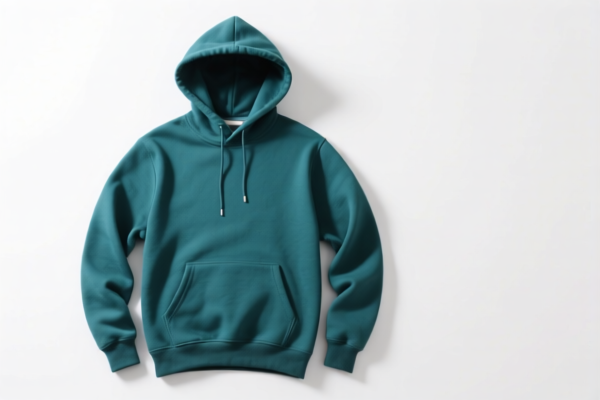
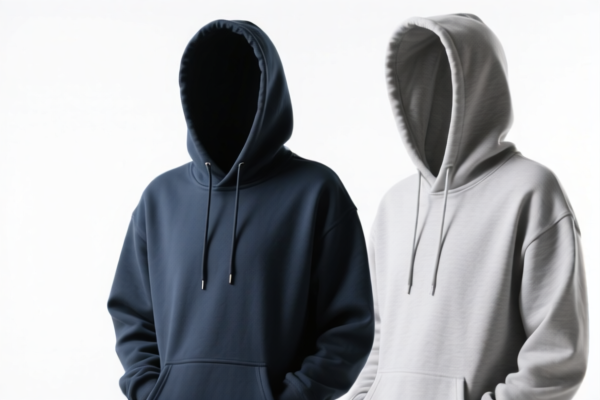
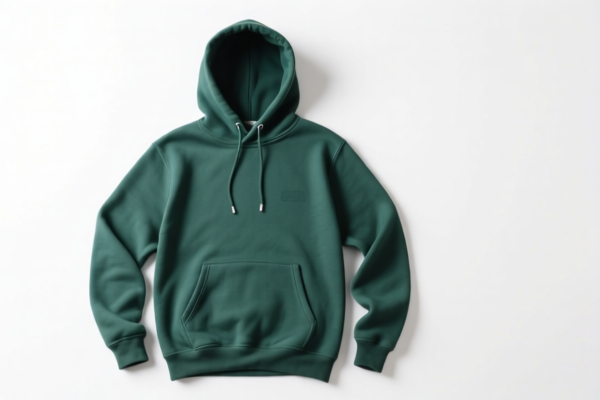
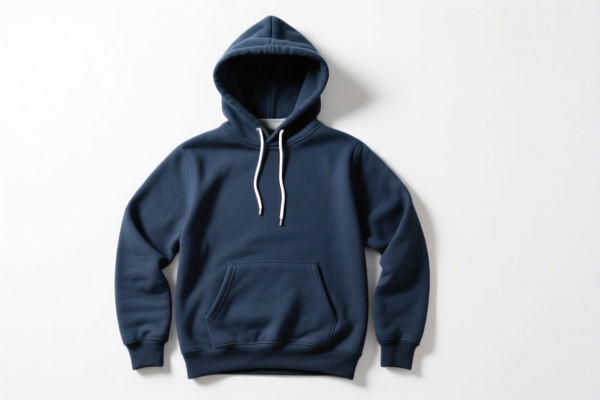
AI Analysis
👕 Kids' Hoody (Children's Cotton Pullover)
🌐 HS Code Reference & Customs Clearance Guide | 2026 Latest Tariff Analysis | Professional Entry Strategy
📌 I. Product Definition & Classification: What Exactly is a "Kids' Hoody"?
A Kids' Hoody (often referred to as a sweatshirt or pullover for children) is a casual knit garment designed for girls. In international trade, its classification depends heavily on the specific construction details (knitted vs. woven, presence of pockets/hoods, and exact material composition).
⚠️ Key Distinction:
- If it is Knitted/Crocheted: It generally falls under Chapter 61 (Chapter 61 covers articles of apparel and clothing accessories, knitted or crocheted).
- If it is Woven: It falls under Chapter 62 (Chapter 62 covers articles of apparel and clothing accessories, not knitted or crocheted).
- Note: Most "hoodies" are knitted. However, some structured pullovers may be woven. The data provided highlights potential conflicts between Chapter 61 and 62.
📦 II. HS Code Classification Details (2026 Latest Tariff Authority Comparison)
Based on the provided data for "Girls' Cotton Hoody", here are the valid HS Codes and their corresponding tax rates.
| HS Code | Product Description | Category Context | Total Tax Rate |
|---|---|---|---|
6114.20.00.10 |
Girls' Cotton Hoodie Material: Cotton Form: Hoody/Sweatshirt |
Knitted Sweater/Clothing Specifically classified as "Sweaters" or similar knitted garments. |
28.3% |
6114.20.00.60 |
Girls' Cotton Hoodie Material: Cotton Form: Other Knitted Apparel |
Knitted Apparel (Other) Classified under "Other knitted or crocheted apparel" if not strictly a sweater. |
28.3% |
6104.22.00.80 |
Girls' Cotton Hoody Material: Cotton Form: Pullover |
Knitted Girl's Suit/Jacket Classified as a "Suit, Ensemble, Suit-Type, or Jacket" if structured as a jacket-like pullover. |
Rate Applicable to Each Garment in Ensemble + 17.5% |
6104.22.00.90 |
Girls' Cotton Hoody Material: Cotton Form: Upper Garment from Suit Set |
Knitted Girl's Suit/Jacket Classified as an extension of an upper garment in a suit ensemble. |
Rate Applicable to Each Garment in Ensemble + 17.5% |
6211.42.05.60 |
Girls' Cotton Hoody Material: Cotton Form: Pullover |
Woven Girl's Apparel Classified under "Other woven garments for girls" (Chapter 62 implies woven). |
25.6% |
6211.42.10.60 |
Girls' Cotton Hoody Material: Cotton Form: Pullover |
Woven Girl's Apparel Another sub-category for woven pullovers for girls. |
25.6% |
🔍 Critical Analysis:
- Knitted (Ch 61): Generally incurs a flat 28.3% total tax rate (6114.20...).
- Woven (Ch 62): Generally incurs a lower base tax but includes additional surcharges, totaling 25.6% (6211.42...).
- Special Cases: Codes6104.22...have complex tax formulas ("Rate applicable to each garment... + 17.5%"). This usually implies a higher effective duty if the "base rate" is significant.
💰 III. 2026 Latest Tariff Rate Breakdown (Including Surcharges & Policy Add-ons)
✅ Applicable Country: United States (US)
✅ Origin: China (CN)
✅ Effective Time: Post-2025/2026 Trade Rules
🎯 1. Knitted Cotton Hoody (6114.20.00.10 & 6114.20.00.60)
| Item | Details |
|---|---|
| Total Tax Rate | 28.3% |
| Breakdown | - Base Tariff: 10.8% - Section 301 Surcharge: 7.5% - Section 122 Tariff: 10% |
| Calculation | CIF Value × 28.3% |
| Legal Basis | Sum of Base MFN + Section 301 + Specific Policy Surcharge |
📌 Explanation:
- The 28.3% is a fixed total rate for these specific knitted classifications.
- The 10% Section 122 Tariff is a specific policy addition often applied to certain textile categories from China.
- This is a high-cost category due to the layered surcharges.
🎯 2. Woven Cotton Hoody (6211.42.05.60 & 6211.42.10.60)
| Item | Details |
|---|---|
| Total Tax Rate | 25.6% |
| Breakdown | - Base Tariff: 8.1% - Section 301 Surcharge: 7.5% - Section 122 Tariff: 10% |
| Calculation | CIF Value × 25.6% |
| Legal Basis | Sum of Base MFN + Section 301 + Specific Policy Surcharge |
📌 Explanation:
- Woven garments (6211) have a lower Base Tariff (8.1% vs 10.8%).
- However, with the same surcharges (7.5% + 10%), the total is 25.6%.
- Savings: Choosing a Woven classification over a Knitted one can save 2.7% in total duty.
🎯 3. Special Suit/Jacket Classification (6104.22.00.80 & 6104.22.00.90)
| Item | Details |
|---|---|
| Total Tax Formula | (Base Rate per Garment) + 17.5% |
| Surcharge Details | - Base Tariff: Variable (depends on specific garment rate) - Section 301 Surcharge: 7.5% - Section 122 Tariff: 10% |
| Legal Basis | Complex ensemble rules under Chapter 61 |
📌 Warning:
- These codes are for structured hoodies that resemble jackets or suit pieces.
- The "Rate applicable to each garment" must be checked in the full tariff book. If the base rate is, for example, 10%, the total could be 10% + 7.5% + 10% = 27.5%, or higher if the base rate is higher.
- Risk: Misclassification here can lead to significant underpayment or overpayment.
🛠️ IV. Customs Clearance Practical Advice (Real-World Pitfall Guide)
✅ 1. Documentation Checklist (Essential)
| Document | Required | Notes |
|---|---|---|
| Product Specification | ✔️ | Must state: "Girls' Cotton Hoody", Material: 100% Cotton (or blend), Knitted vs. Woven. |
| Construction Details | ✔️ | Critical: Is it knitted (loops) or woven (threads)? This determines Chapter 61 vs. 62. |
| Photos | ✔️ | Clear images of the inside (seams) to prove knitting/weaving. |
| Commercial Invoice | ✔️ | Clearly describe as "Children's Knitted/Woven Cotton Pullover". Avoid vague terms like "Clothes". |
| Origin Certificate | ✔️ | To prove Origin: China (subject to surcharges). |
✅ 2. Classification Strategy (Key Takeaways)
🔥 "Knit vs. Woven Defines the Chapter; Structure Defines the Rate!"
| Scenario | Recommended HS Code | Tax Rate | Why? |
|---|---|---|---|
| Soft, Loop-Knit Hoodie | 6114.20.00.10 |
28.3% | Standard knitted sweatshirt. Most common. |
| Stiff, Woven Hoodie | 6211.42.05.60 |
25.6% | Woven fabric saves 2.7% duty. |
| Structured Jacket-Hoodie | 6104.22.00.80 |
Varies + 17.5% | Only if it resembles a suit jacket. High risk of audit. |
✅ 3. Special Handling
| Situation | Advice |
|---|---|
| OEM/ODM Orders | Ensure the supplier specifies the exact knitting technique (e.g., French Terry vs. Fleece) as this can sometimes influence sub-classification. |
| Mixed Materials | If the hoodie has elastane or polyester blends, the classification may shift. Ensure the invoice lists exact percentages. |
| Section 122 Impact | Be aware that the 10% Section 122 Tariff is a significant cost driver. If possible, explore if any exclusions or alternative origins apply (though unlikely for China origin). |
🌍 V. Global Market Comparison (2026)
| Country | HS Code Example | Base Tariff | Total with Surcharges (China) | Notes |
|---|---|---|---|---|
| 🇺🇸 USA | 6114.20.00.10 |
10.8% | 28.3% | High due to Section 301 & 122. |
| 🇨🇳 China | 6114.20.00.10 |
10-15% | ~10-15% | No Section 301/122. |
| 🇪🇺 EU | 6114.20.00.00 |
8-12% | ~8-12% | No Section 301/122. CE/RoHS needed. |
| 🇬🇧 UK | 6114.20.00.00 |
8-12% | ~8-12% | Post-Brexit rules apply. |
📌 Conclusion:
- The USA is the most expensive market for Chinese-made kids' hoodies due to Section 301 (7.5%) and Section 122 (10%) surcharges.
- Total Duty: 28.3% (Knitted) or 25.6% (Woven).
- Profit Impact: These surcharges can eat into margins significantly. Consider pricing strategies accordingly.
📌 VI. Common Mistakes & Pitfalls (Blood & Tears Lessons)
❌ Mistake 1: Calling it a "T-shirt" instead of a "Hoodie"
👉 Consequence: Misclassification. Hoodies are heavier and often classified differently than t-shirts (6109.10). Risk of audit and back taxes.
❌ Mistake 2: Ignoring "Knitted vs. Woven"
👉 Consequence: Chapter 61 vs. 62 difference. A woven hoodie declared as knitted might be flagged for incorrect duty payment.
❌ Mistake 3: Omitting "Girls'" from Description
👉 Consequence: Customs may classify it as Boys' or Unisex (6114.20.00.90 or 6114.20.00.50), which may have different base rates or regulatory requirements.
❌ Mistake 4: Not Accounting for Section 122 Tariff
👉 Consequence: Unexpected 10% charge at customs. This is a policy-specific tariff that many importers overlook.
✅ Correct Practice:
"Girls' Knitted Cotton Hoodie, 100% Cotton, French Terry, Size 4-16, Made in China"
🎯 VII. Conclusion: Professional Declaration, Cost Control!
🎯 Remember the Rule:
🔹 "Knit to 61, Woven to 62; Check for Structure and Surcharge!"
🔹 "Section 122 is 10% extra; Don't let it surprise you!"
🔹 "Base + 301 + 122 = Total Duty (28.3% for Knitted, 25.6% for Woven)."
📌 Pro Tip:
- If you are importing large volumes, consider pre-classification rulings from Customs to confirm whether your specific hoodie fits 6114.20.00.10 or 6114.20.00.60 to ensure consistency.
- Evaluate if switching from Knitted to Woven fabric (if design allows) can save 2.7% in duty, as seen in the comparison above.
📣 Immediate Action:
📞 Contact your customs broker with detailed fabric swatches.
📄 Verify the "Knitted vs. Woven" status on your supplier's invoice.
🚀 Calculate total landed cost using 28.3% (Knitted) or 25.6% (Woven) to protect your margins.
✨ Professional Clearance, Precise Classification!
💼 Every percentage point counts in cross-border trade!
Customer Reviews
About HS Code Classification
The Harmonized System (HS) is an internationally standardized nomenclature developed by the World Customs Organization (WCO) to classify traded products. Over 200 countries use the HS system as the basis for customs tariffs, trade statistics, and import/export regulations.
Each HS code follows a hierarchical structure:
- Chapter (2 digits) — Broad category of goods (e.g., Chapter 84: Machinery and Mechanical Appliances)
- Heading (4 digits) — More specific grouping within the chapter
- Subheading (6 digits) — Internationally standardized breakdown, used by all WCO member countries
- National subdivisions (8-10 digits) — Country-specific extensions for further classification, such as US HTSUS 10-digit codes
Correct HS code classification is essential for smooth customs clearance, accurate duty payment, and compliance with trade regulations. Misclassification can lead to customs delays, overpayment of duties, or penalties.
When importing from CN to US, the applicable tariff rates may include:
- Most-Favored-Nation (MFN) rate — The standard duty rate applied to WTO members
- General rate — Applied to countries without trade agreements
- Trade remedy duties — Additional tariffs such as Section 301 (anti-dumping), Section 232 (national security), or countervailing duties
The information provided on this page is for reference purposes only. For official classification, please consult with your local customs authority or a licensed customs broker.