kitchenware kit
CN → US| HS Code | Tariff Rate | Origin | Destination | Doc |
|---|---|---|---|---|
| 8215200000 | 0.0% | CN | US | Official Doc |
| 3924102000 | 24.0% | CN | US | Official Doc |
| 6911103510 | 43.5% | CN | US | Official Doc |
| 3924104000 | 13.4% | CN | US | Official Doc |
| 9503000073 | 10.0% | CN | US | Official Doc |
Product Images
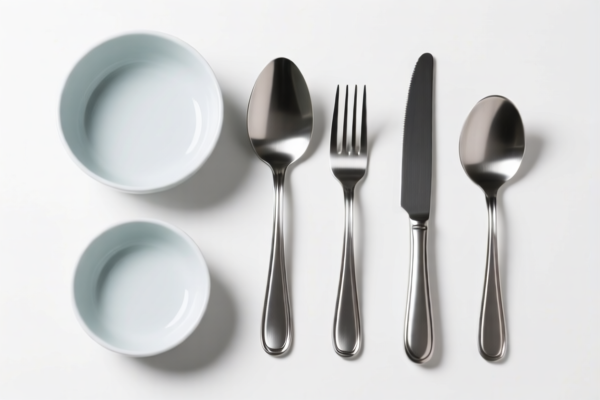
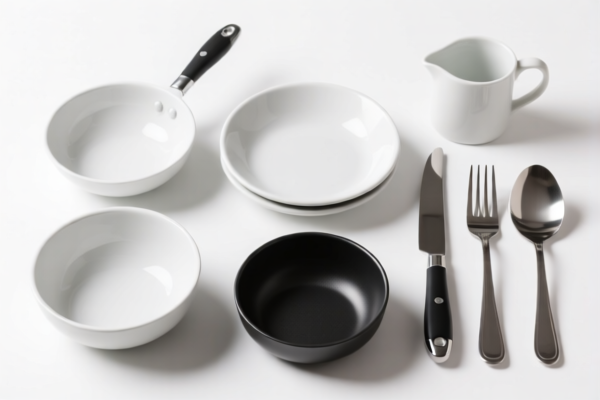
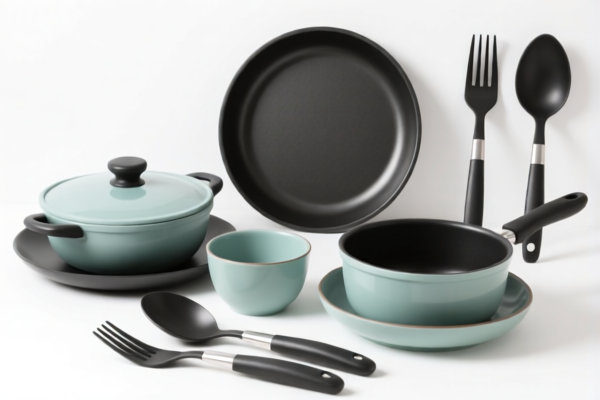
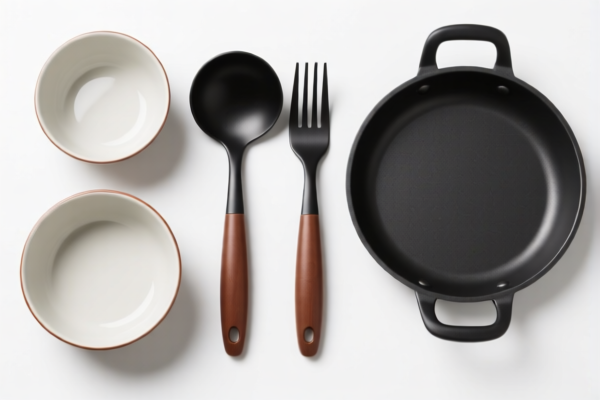
AI Analysis
🍴 Kitchenware Kit (Kitchen Utensil Sets)
🌐 HS Code Reference & Customs Clearance Guide | 2026 Latest Tariff Analysis | Professional Clearance Strategy
📌 I. Product Definition & Classification: What Exactly Is a "Kitchenware Kit"?
A "Kitchenware Kit" is a broad category comprising utensils, tools, and tableware used for food preparation, serving, and cooking. In international trade, these sets are not assigned a single HS Code but are classified based on their primary material and function. The key to accurate classification lies in identifying the dominant material or the specific nature of the items (e.g., plastic vs. ceramic vs. metal).
Key Classification Criteria: 1. Metal Sets (Base Metal): Typically stainless steel, aluminum, or other non-precious metals. (Section XV) 2. Plastic/Laminates Sets: Made of plastics or laminated plastic materials. (Chapter 39) 3. Ceramic/China Sets: Made of porcelain or other ceramic materials. (Chapter 69) 4. Toys: Plastic or other material sets designed for play, not functional use. (Chapter 95)
⚠️ Critical Distinction:
- If the set contains items of different materials (e.g., metal spatula + plastic bowl), customs often looks at the essential character of the set.
- If it is a "Set" for retail sale, it is classified as a whole unit, not by individual components.
- Toy Kitchen Sets are strictly differentiated from functional ones by design (miniature, non-functional materials) and marketing.
📦 II. HS Code Classification Details (2026 Latest Tariff Authority)
The following HS Codes are derived directly from the provided dataset. Each corresponds to a specific material composition or product type.
| HS Code | Product Description | Material/Category | Primary Use |
|---|---|---|---|
| 8215.20.00.00 | Sets of table or kitchen utensils (base metal) | Base Metal (e.g., Stainless Steel, Aluminum) | Functional cooking & serving |
| 3924.10.20.00 | Kitchenware & tableware sets | Plastic or similar materials | Functional use (heat-resistant plastics) |
| 6911.10.35.10 | Kitchenware & tableware sets | Ceramic or Porcelain | Functional use (dinnerware, bakeware) |
| 3924.10.40.00 | Kitchenware sets (plastic/composite) | Plastic or other materials | Functional use (lightweight, often single-use or low-heat) |
| 9503.00.00.73 | Toy kitchen sets | Plastic, metal, or mixed | Play only (not for actual food preparation) |
🔍 Key Insight:
- 8215.20.00.00 is the standard for metal kitchen utensil sets.
- 3924.10.xxxx covers plastic sets, with 3924.10.20.00 being common for standard plastic kitchenware and 3924.10.40.00 for other plastic/composite sets.
- 6911.10.35.10 is specific to ceramic/porcelain sets.
- 9503.00.00.73 is reserved for toys. Misclassifying a toy as functional kitchenware (or vice versa) can lead to significant duty discrepancies.
💰 III. 2026 Latest Tariff Rate Breakdown (Including Surcharges & Policy Add-ons)
✅ Applicable Country: United States (US)
✅ Origin: China (CN)
✅ Effective Date: Current tariffs apply (including Section 301 and IEEPA measures)
🎯 1. 8215.20.00.00 – Metal Kitchenware Sets
| Item | Content |
|---|---|
| Base Duty | Subject to base duty rate (specific rate not provided in summary, but applicable) |
| Additional Duty (Sec 301) | 25.0% (Section 301 Tariff) |
| 122 Clause Tariff | 10.0% (Specific Section 122/IEEPA-related surcharge) |
| Total Effective Tax Rate | 35.0% (Approximate aggregate based on summary) |
| Tax Calculation | CIF Value × Total Rate |
| De Minimis Exemption | ❌ Not Applicable (High duty rates exceed threshold) |
| Legal Basis | Section 301 (35%) + Section 122 (10%) |
📌 Explanation:
- Metal kitchen sets face the 25% Section 301 tariff due to their classification as base metal products from China.
- An additional 10% is applied under Section 122 provisions.
- Total Impact: High cost. Essential to verify if any specific exclusions apply.
🎯 2. 3924.10.20.00 – Plastic Kitchenware Sets (Standard)
| Item | Content |
|---|---|
| Base Duty | 6.5% |
| Additional Duty (Sec 301) | 7.5% |
| 122 Clause Tariff | 10.0% |
| Total Effective Tax Rate | 24.0% |
| Tax Calculation | CIF Value × 24.0% |
| De Minimis Exemption | ❌ Not Applicable |
| Legal Basis | Base Rate (6.5%) + Sec 301 (7.5%) + Sec 122 (10%) |
📌 Explanation:
- Plastic kitchen sets have a lower base duty (6.5%) compared to metal.
- The 7.5% Section 301 tariff is lower than the metal category.
- The 10% Section 122 tariff still applies.
- Total: 24%, making it more cost-effective than metal sets.
🎯 3. 6911.10.35.10 – Ceramic/Porcelain Kitchenware Sets
| Item | Content |
|---|---|
| Base Duty | 26.0% |
| Additional Duty (Sec 301) | 7.5% |
| 122 Clause Tariff | 10.0% |
| Total Effective Tax Rate | 43.5% |
| Tax Calculation | CIF Value × 43.5% |
| De Minimis Exemption | ❌ Not Applicable |
| Legal Basis | Base Rate (26.0%) + Sec 301 (7.5%) + Sec 122 (10%) |
📌 Explanation:
- Ceramic sets have the highest base duty (26.0%).
- Combined with 7.5% Section 301 and 10% Section 122, the total rate is 43.5%.
- High Cost Alert: This is one of the most expensive categories among the four.
🎯 4. 3924.10.40.00 – Other Plastic/Kitchenware Sets
| Item | Content |
|---|---|
| Base Duty | 3.4% |
| Additional Duty (Sec 301) | 0.0% (No Sec 301 surcharge) |
| 122 Clause Tariff | 10.0% |
| Total Effective Tax Rate | 13.4% |
| Tax Calculation | CIF Value × 13.4% |
| De Minimis Exemption | ❌ Not Applicable (if value > $800, but duty still applies) |
| Legal Basis | Base Rate (3.4%) + Sec 122 (10%) |
📌 Explanation:
- This is the most cost-effective option.
- Base duty is low (3.4%).
- No Section 301 surcharge (0%) applies to this specific subheading.
- Only the 10% Section 122 tariff is added.
- Total: 13.4%. Ideal for budget-conscious importers.
🎯 5. 9503.00.00.73 – Toy Kitchen Sets
| Item | Content |
|---|---|
| Base Duty | 0.0% |
| Additional Duty (Sec 301) | 0.0% |
| 122 Clause Tariff | 10.0% |
| Total Effective Tax Rate | 10.0% |
| Tax Calculation | CIF Value × 10.0% |
| De Minimis Exemption | ❌ Not Applicable (Toy imports subject to standard rules) |
| Legal Basis | Base Rate (0%) + Sec 122 (10%) |
📌 Explanation:
- Toys have 0% base duty and 0% Section 301 surcharge.
- Only the 10% Section 122 tariff applies.
- Total: 10%.
- ⚠️ Warning: Only apply if the product is genuinely a toy (e.g., miniature, non-food-safe materials). Functional kitchen sets misclassified as toys will face severe penalties and back-duties.
🛠️ IV. Customs Clearance Practical Advice (Real-World Pitfall Guide)
✅ 1. Documentation Checklist (Non-Negotiable)
| Document | Required | Description |
|---|---|---|
| ✅ Product Specification Sheet | ✔️ | Details material composition (e.g., "304 Stainless Steel," "BPA-Free Plastic," "Porcelain") |
| ✅ HS Code Justification | ✔️ | Explain why the set is classified as Metal, Plastic, Ceramic, or Toy |
| ✅ Commercial Invoice | ✔️ | Clearly state "Kitchenware Set" or "Toy Kitchen Set" with item count |
| ✅ Packing List | ✔️ | List contents (e.g., "5 pieces: spatula, spoon, tongs, ladle, fork") |
| ✅ Material Safety Certificates | ✔️ | FDA/LFGB compliance for food-contact items; ASTM for toys |
| ✅ Photos of Product & Packaging | ✔️ | Show labels, materials, and any "Not for Food Use" warnings if toys |
✅ 2. Classification Strategy (Key Mnemonics)
🔥 “Material Dictates Duty: Metal High, Plastic Low, Ceramic Expensive, Toys Cheapest!”
| Scenario | Correct HS Code | Duty Rate | Common Mistake |
|---|---|---|---|
| Stainless Steel Set | 8215.20.00.00 |
35.0% | Misclassifying as plastic → Audited & Penalized |
| Plastic Set (Standard) | 3924.10.20.00 |
24.0% | Using 3924.10.40.00 → Underpayment |
| Plastic Set (Other) | 3924.10.40.00 |
13.4% | Using 8215.20.00.00 → Overpayment |
| Ceramic Set | 6911.10.35.10 |
43.5% | None major, but ensure it's not "Plastic-coated" |
| Toy Kitchen Set | 9503.00.00.73 |
10.0% | Using functional HS Code → Overpayment OR Using functional code for toy → Penalty |
✅ 3. Special Handling Cases
| Scenario | Handling Advice |
|---|---|
| Mixed Material Set (e.g., metal handle, plastic head) | Classify based on essential character. If metal is dominant, use 8215.20.00.00. If plastic, use 3924.10.xxxx. |
| Gift Set with Toys & Functional Items | Split the shipment. Functional items as kitchenware, toys as 9503.00.00.73. Do not mix in one line item. |
| "Food-Grade" Plastic Claims | Ensure compliance with FDA 21 CFR. Non-compliant plastic sets may be rejected. |
| Toy Sets with Real Knives | Prohibited. Toys cannot contain sharp, functional blades. Must be clearly marked "Not Sharp." |
🌍 V. Global Market Comparison (2026 Update)
| Market | Recommended HS Code | Approx. Duty | Key Requirement |
|---|---|---|---|
| 🇺🇸 USA | Varies by Material | 10%–43.5% | Section 301 + Section 122 apply to most non-toy items |
| 🇪🇺 EU | Varies (Ch. 73, 39, 69, 95) | 0%–12% | CE Marking (Toys), LFGB/FDA (Food Contact) |
| 🇨🇳 China | Varies | 5%–15% | CCC (if applicable), GB Standards |
| 🇦🇺 Australia | Varies | 5%–10% | AS/NZS Compliance (Food Contact, Toys) |
📌 Conclusion:
- The US market is the most complex due to Section 301 and 122 tariffs.
- Plastic sets (3924.10.40.00) offer the lowest duty (13.4%) in the US.
- Metal sets (8215.20.00.00) are the most expensive (35.0%).
- Toys (9503.00.00.73) are the cheapest (10.0%), but strict product differentiation is required.
📌 VI. Common Errors & Pitfalls (Lessons Learned)
❌ Error 1: Classifying a stainless steel set as plastic to save on tariffs.
👉 Consequence: Customs audit → Back-duties of 21.6% (35% - 13.4%) + penalties.
❌ Error 2: Classifying a functional kitchen set as a toy (9503.00.00.73).
👉 Consequence: Goods seized for misdeclaration. Toy standards (ASTM) are stricter on small parts; functional items don't meet them.
❌ Error 3: Ignoring the Section 122 10% surcharge.
👉 Consequence: Underpayment of 10% on all categories. This is a mandatory add-on.
❌ Error 4: Not specifying material in the invoice.
👉 Consequence: Customs may assign the highest default duty (often metal or ceramic) to protect revenue.
✅ Correct Practice:
"Plastic Kitchen Utensil Set, BPA-Free, Heat Resistant, 10-Piece, Model XYZ, For Food Use Only"
→ Use3924.10.20.00or3924.10.40.00based on exact plastic type.
🎯 VII. Conclusion: Professional Declaration, Save Cost, Ensure Compliance!
🎯 Remember the Mnemonic:
🔹 "Metal 35%, Plastic 13-24%, Ceramic 43.5%, Toys 10%!"
🔹 "Material is King: Declare correctly, avoid the 301/122 trap!"
📌 Pro Tip:
- If importing plastic sets, verify if 3924.10.40.00 (13.4%) is applicable instead of 3924.10.20.00 (24.0%). The difference is 10.6%, a significant saving!
- For toy kitchen sets, ensure they are clearly marketed as toys (no functional sharp edges, bright colors, simple design) to justify 9503.00.00.73.
📣 Immediate Action:
📞 Consult with a licensed customs broker.
📦 Provide detailed material specs and product photos.
🚀 Accurate classification is the key to minimizing duty costs!
✨ Professional Customs Clearance Starts with Accurate Classification!
💼 Every percentage point saved is pure profit!
Customer Reviews
About HS Code Classification
The Harmonized System (HS) is an internationally standardized nomenclature developed by the World Customs Organization (WCO) to classify traded products. Over 200 countries use the HS system as the basis for customs tariffs, trade statistics, and import/export regulations.
Each HS code follows a hierarchical structure:
- Chapter (2 digits) — Broad category of goods (e.g., Chapter 84: Machinery and Mechanical Appliances)
- Heading (4 digits) — More specific grouping within the chapter
- Subheading (6 digits) — Internationally standardized breakdown, used by all WCO member countries
- National subdivisions (8-10 digits) — Country-specific extensions for further classification, such as US HTSUS 10-digit codes
Correct HS code classification is essential for smooth customs clearance, accurate duty payment, and compliance with trade regulations. Misclassification can lead to customs delays, overpayment of duties, or penalties.
When importing from CN to US, the applicable tariff rates may include:
- Most-Favored-Nation (MFN) rate — The standard duty rate applied to WTO members
- General rate — Applied to countries without trade agreements
- Trade remedy duties — Additional tariffs such as Section 301 (anti-dumping), Section 232 (national security), or countervailing duties
The information provided on this page is for reference purposes only. For official classification, please consult with your local customs authority or a licensed customs broker.