label tape
CN → US| HS Code | Tariff Rate | Origin | Destination | Doc |
|---|---|---|---|---|
| 4821102000 | 35.0% | CN | US | Official Doc |
| 4821902000 | 35.0% | CN | US | Official Doc |
| 3916905000 | 40.8% | CN | US | Official Doc |
| 5607491000 | 37.7% | CN | US | Official Doc |
| 3920591000 | 41.0% | CN | US | Official Doc |
Product Images
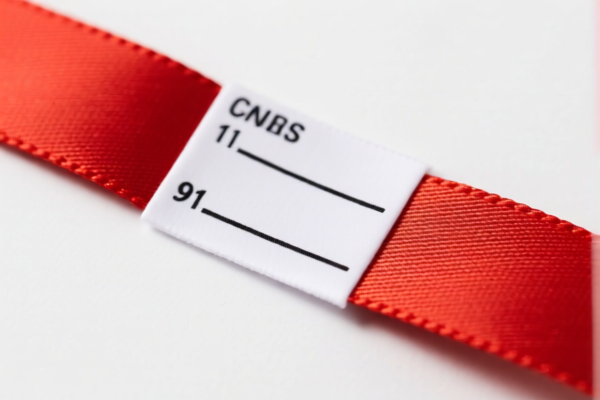


AI Analysis
🏷️ Label Tape (Labels, Tagging, and Packaging Straps)
🌐 HS Code Reference & Customs Clearance Guide | 2024/2025 Latest Tariff Analysis | Professional Clearance Strategy
📌 1. Product Definition & Classification: Do You Know "Label Tape"?
"Label Tape" is a broad term in international trade that typically refers to two distinct types of products based on material and function: 1. Paper/Cardboard Labels: Self-adhesive or non-adhesive tags used for product identification, pricing, or logistics. 2. Plastic Packaging Straps/Tapes: Plastic strips (polypropylene or polyethylene) used for bundling, securing, or strapping packages.
⚠️ Critical Distinction:
- If the product is Paper/Cardboard (e.g., sticker labels, shipping tags) → Classify under Chapter 48.
- If the product is Plastic Strip/Strap (e.g., polypropylene strapping, PET tape) → Classify under Chapter 39 or 56.
- Note: The provided data infers classifications based on unspecified materials, assuming logical deduced forms.
📦 2. HS Code Classification Details (Based on Provided Data)
| HS Code | Product Description | Inferred Material/Form | Key Characteristic |
|---|---|---|---|
4821.10.20.00 |
Labels (Paper/Cardboard) | Paper or Cardboard | Standard label use, material inferred as paper-based. |
4821.90.20.00 |
Other Paper Labels | Paper or Self-adhesive | Broad category for paper labels, no material conflict. |
3916.90.50.00 |
Packaging Straps (Plastic) | Plastic (Single Filaments/Profiles) | Strip/belt shape, fits plastic monofilament profile. |
5607.49.10.00 |
Packaging Straps (PP/PE) | Polyethylene (PE) or Polypropylene (PP) | Belt form, specific polymer type inferred. |
3920.59.10.00 |
Packaging Straps (Plastic) | Plastic (Plastic Strips) | General plastic strip category, fits broad plastic belt definition. |
🔍 Key Reminder:
- Paper Labels (4821.xx) are generally subject to different duties than Plastic Straps (39xx/5607).
- Misclassification between Paper (4821) and Plastic (3920) can lead to significant duty differences and customs delays.
💰 3. 2024/2025 Latest Tariff Rate Details (Including Additional Taxes)
✅ Applicable Country: USA (US)
✅ Origin: China (CN)
✅ Effective Time: Current rates apply (Note: Section 301 and IEEPA measures are active)
🎯 1. 4821.10.20.00 & 4821.90.20.00 —— Paper/Cardboard Labels
| Item | Content |
|---|---|
| Base Duty Rate | 0.0% (Ad Valorem) |
| Section 301 Additional Duty | +25.0% |
| Section 122 Duty (IEEPA) | +10.0% (On Chinese goods) |
| Total Effective Rate | 35.0% |
| Tax Calculation | CIF Value × 35% |
| De Minimis Eligibility | ❌ No (Deny De Minimis for these codes under current sanctions) |
| Legal Basis Path | USITC:4821.10.20.00 → Section 301 Footnote → IEEPA Section 122 |
📌 Explanation:
- Base Rate (0%): Paper labels often have low base tariffs.
- Section 301 (+25%): Standard USITC tariff on many Chinese manufactured goods.
- IEEPA Section 122 (+10%): Specific additional duty on Chinese imports under the International Emergency Economic Powers Act.
- Total 35%: This is a high effective rate. Even with a 0% base, the additionals make it expensive.
🎯 2. 3916.90.50.00 —— Plastic Packaging Straps (Filament/Profile)
| Item | Content |
|---|---|
| Base Duty Rate | 5.8% |
| Section 301 Additional Duty | +25.0% |
| Section 122 Duty (IEEPA) | +10.0% |
| Total Effective Rate | 40.8% |
| Tax Calculation | CIF Value × 40.8% |
| De Minimis Eligibility | ❌ No |
| Legal Basis Path | USITC:3916.90.50.00 → Section 301 Footnote → IEEPA Section 122 |
📌 Explanation:
- Base Rate (5.8%): Plastic articles generally have a modest base duty.
- Total 40.8%: The combination of base + Section 301 + Section 122 results in the highest effective rate among the listed codes.
- Note: This code refers to plastic "monofilaments" or "profiles," which may include specific types of strapping tape.
🎯 3. 5607.49.10.00 —— Packaging Straps (PE/PP)
| Item | Content |
|---|---|
| Base Duty Rate | 2.7% |
| Section 301 Additional Duty | +25.0% |
| Section 122 Duty (IEEPA) | +10.0% |
| Total Effective Rate | 37.7% |
| Tax Calculation | CIF Value × 37.7% |
| De Minimis Eligibility | ❌ No |
| Legal Basis Path | USITC:5607.49.10.00 → Section 301 Footnote → IEEPA Section 122 |
📌 Explanation:
- Base Rate (2.7%): Lower base duty for specific plastic ropes/strands (PE/PP).
- Total 37.7%: Slightly lower than the3916code but still very high.
- Note: This code is specific to polyethylene or polypropylene straps.
🎯 4. 3920.59.10.00 —— Plastic Straps (General Plastic Strip)
| Item | Content |
|---|---|
| Base Duty Rate | 6.0% |
| Section 301 Additional Duty | +25.0% |
| Section 122 Duty (IEEPA) | +10.0% |
| Total Effective Rate | 41.0% |
| Tax Calculation | CIF Value × 41.0% |
| De Minimis Eligibility | ❌ No |
| Legal Basis Path | USITC:3920.59.10.00 → Section 301 Footnote → IEEPA Section 122 |
📌 Explanation:
- Base Rate (6.0%): Higher base duty for general plastic strips/sheets.
- Total 41.0%: This is the highest total rate in the provided dataset.
- Note: This is a "catch-all" for plastic strips not specified elsewhere.
🛠️ 4. Customs Clearance Practical Advice (Pitfall Avoidance Guide)
✅ 1. Preparation Checklist (Missing items cause delays)
| Document | Required | Reason |
|---|---|---|
| ✅ Product Spec Sheet | ✔️ | Must specify Material (Paper vs. PP/PE) and Form (Label vs. Strap). |
| ✅ Photos (Label & Strap) | ✔️ | Clear images of adhesive side, texture, and edge finish. |
| ✅ Composition Declaration | ✔️ | Exact % of material (e.g., "100% Paper" or "100% Polypropylene"). |
| ✅ Commercial Invoice | ✔️ | Must clearly state "Label" or "Packaging Strap" – avoid vague terms like "Tape" alone. |
| ✅ HS Code Pre-ruling | ✔️ | Highly recommended due to high additional tariffs. |
✅ 2. Classification Strategy (Critical Tips)
🔥 "Material First, Function Second!"
| Scenario | Correct HS Code | Incorrect Code | Consequence |
|---|---|---|---|
| Paper Sticker Label | 4821.10.20.00 or 4821.90.20.00 |
3916/3920 |
Major Misclassification: Paper vs. Plastic. Customs will reclassify and penalize. |
| Plastic PP Strap | 5607.49.10.00 or 3920.59.10.00 |
4821.xx |
Major Misclassification: Plastic vs. Paper. Duty difference is minimal here, but accuracy is key for compliance. |
| Self-Adhesive Label | 4821.10.20.00 (if paper) |
3506 (Adhesives) |
Do not classify the label as "adhesive." The label uses adhesive but is classified as a label. |
📌 Key Insight:
- Paper Labels (4821): Base duty is 0%, but still pay 35% total due to additional tariffs.
- Plastic Straps (39xx/5607): Base duty is 2.7%-6.0%, but total 37.7%-41.0%.
- Conclusion: Plastic straps are more expensive in total duty than paper labels, despite having a base duty.
✅ 3. Special Situations
| Situation | Handling Advice |
|---|---|
| Self-Adhesive Paper Labels | Ensure the "paper" component is >50%. If composite, it may still fall under 4821 if paper is the essential character. |
| Plastic Straps with Ink Printing | Still classified under 39 or 5607. Printing does not change the base material classification. |
| Rolls vs. Sheets | For labels: Rolls are still 4821. For straps: Rolls are standard for 3920/5607. Ensure packaging matches declaration. |
| Section 122 Exemptions? | ❌ None listed. All codes in the data include the 10% IEEPA duty. Check for specific exclusions if applicable, but generally not available for these general goods. |
🌍 5. Global Market Comparison (2024/2025)
| Market | Recommended HS Code | Total Duty (China Origin) | Notes |
|---|---|---|---|
| 🇺🇸 USA | 4821.xx or 3920/5607 |
35% - 41% | High due to Section 301 (+25%) + IEEPA (+10%). |
| 🇨🇳 China | 4821.10.20.00 / 3920.59.10.00 |
~0-6% (Import Duty) | No Section 301 or IEEPA. Base rates apply. |
| 🇪🇺 EU | 4823.69 / 3920 |
~0-6% | No additional US-style tariffs. VAT applies separately. |
| 🇬🇧 UK | Similar to EU | ~0-6% | Post-Brexit rates generally mirror EU for these goods. |
📌 Conclusion:
- USA is the most expensive market for these goods due to layered tariffs.
- Paper Labels (4821) are ~3-6% cheaper in total duty than Plastic Straps (3920/5607) in the US.
- Consider supply chain diversification (e.g., Vietnam, Mexico) if tariff costs are prohibitive.
📌 6. Common Errors & Pitfalls (Lessons Learned)
❌ Error 1: Using generic term "Tape" on invoice
👉 Result: Customs confusion. Is it adhesive tape (3506)? Label tape (4821)? Or strapping (3920)?
👉 Fix: Use precise terms: "Self-Adhesive Paper Labels" or "Polypropylene Packaging Straps."
❌ Error 2: Misclassifying Plastic Straps as Paper Labels
👉 Result: While both might have similar total duties (~35-40%), it raises red flags for compliance.
👉 Fix: Always declare Material Composition accurately.
❌ Error 3: Assuming "De Minimis" applies
👉 Result: Packages under $800 from China do NOT enjoy tax-free entry for these codes.
👉 Fix: Prepare full customs entry (CBP Form 7501) for all shipments.
🎯 7. Conclusion: Professional Classification Saves Money!
🎯 Remember the Golden Rules:
🔹 "Paper Labels = 35% Total Duty (0% Base + 35% Add-ons)"
🔹 "Plastic Straps = 37.7%-41% Total Duty (Higher Base + 35% Add-ons)"
🔹 "No De Minimis for China Origin!"🔹 "Label vs. Strap? Check the Material! Paper vs. Plastic makes a difference in base duty, but both are heavily taxed in the US."
📌 Pro Tip:
If you are importing Large Volumes, consider applying for a Section 301 Exclusion if your specific product code was eligible in previous rounds (check USTR website). However, as of 2024, most general labels and straps remain taxed.
For Cost Optimization, evaluate Plastic Type:
- 5607.49.10.00 (37.7%) is slightly cheaper than 3920.59.10.00 (41.0%).
- If your strap is PP/PE, try to classify under 5607 if specifications allow.
📣 Immediate Action:
📞 Consult a Customs Broker: Verify material composition.
📄 Precise Invoice Description: Avoid vague terms.
🚀 Plan for 35-41% Duty Cost: Factor this into your FOB/CIF pricing models.
✨ Accurate Classification is Key to Smooth Customs Clearance!
💼 Every Percentage Point Counts in Tariff Management!
Customer Reviews
About HS Code Classification
The Harmonized System (HS) is an internationally standardized nomenclature developed by the World Customs Organization (WCO) to classify traded products. Over 200 countries use the HS system as the basis for customs tariffs, trade statistics, and import/export regulations.
Each HS code follows a hierarchical structure:
- Chapter (2 digits) — Broad category of goods (e.g., Chapter 84: Machinery and Mechanical Appliances)
- Heading (4 digits) — More specific grouping within the chapter
- Subheading (6 digits) — Internationally standardized breakdown, used by all WCO member countries
- National subdivisions (8-10 digits) — Country-specific extensions for further classification, such as US HTSUS 10-digit codes
Correct HS code classification is essential for smooth customs clearance, accurate duty payment, and compliance with trade regulations. Misclassification can lead to customs delays, overpayment of duties, or penalties.
When importing from CN to US, the applicable tariff rates may include:
- Most-Favored-Nation (MFN) rate — The standard duty rate applied to WTO members
- General rate — Applied to countries without trade agreements
- Trade remedy duties — Additional tariffs such as Section 301 (anti-dumping), Section 232 (national security), or countervailing duties
The information provided on this page is for reference purposes only. For official classification, please consult with your local customs authority or a licensed customs broker.