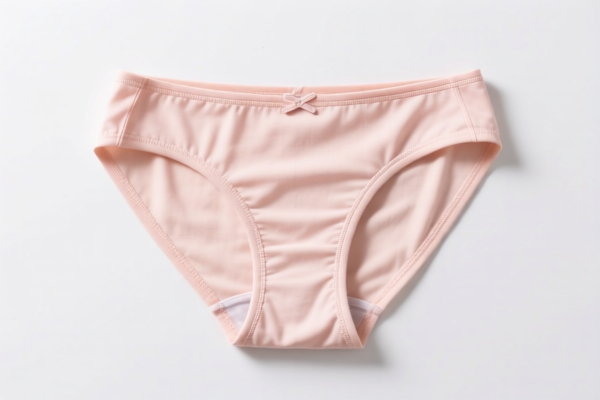
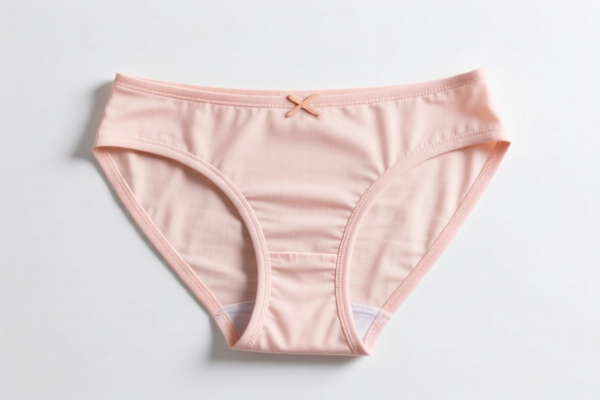
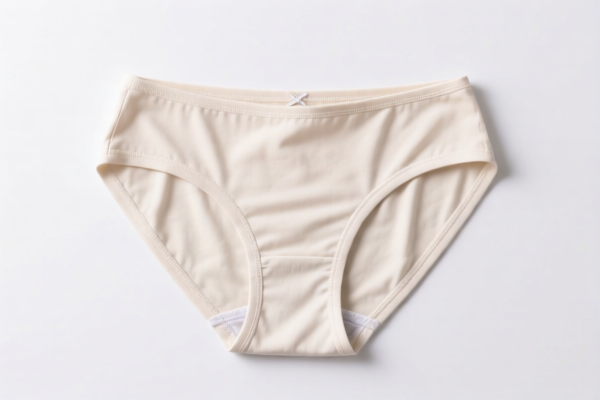
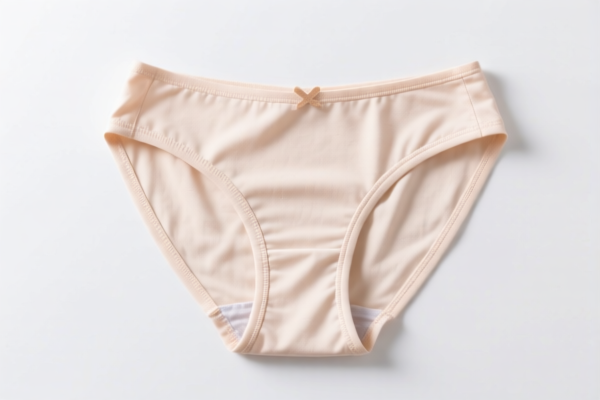
ladies underwear
CN → US| HS Code | Tariff Rate | Origin | Destination | Doc |
|---|---|---|---|---|
| 6208210020 | 26.4% | CN | US | Official Doc |
| 6108320010 | 33.5% | CN | US | Official Doc |
| 6208220000 | 33.5% | CN | US | Official Doc |
| 6114200010 | 28.3% | CN | US | Official Doc |
| 6114200060 | 28.3% | CN | US | Official Doc |
Product Images
AI Analysis
👙 Ladies Underwear (Women's Apparel)
🌐 HS Code Reference & Customs Clearance Guide | 2026 Latest Tariff Analysis | Professional Clearance Strategy
📌 I. Product Definition and Classification: Do You Really Understand "Ladies Underwear"?
"Ladies Underwear" is a broad term in international trade that covers various categories of women's intimate apparel. The critical factor for HS Code classification is the material composition (Knitted vs. Woven, Cotton vs. Synthetic) and the specific function (Nightwear/Sleepwear vs. General Apparel).
In the context of the provided data, the items are primarily classified as Women's Nightwear/Underwear based on keywords like "Pyjamas" (implied by context of similar items) or general "Apparel" inference.
⚠️ Key Distinction: - Knitted/Cotton Nightwear: If it is knitted and made of cotton, it falls under 6108.32.00.10. - Woven/Cotton Nightwear: If it is woven (woven fabric) and made of cotton, it falls under 6208.21.00.20. - Synthetic/Blended Nightwear: If it is made of synthetic fibers or blends, it often falls under 6208.22.00.00 or general apparel codes like 6114.
📦 II. HS Code Classification Details (2026 Latest Tariff Authority)
| HS Code | Product Description | Inference Basis | Total Tax Rate |
|---|---|---|---|
6208.21.00.20 |
Women's Pyjamas/Underwear, Woven, Cotton | Inferred from "Cotton" | 26.4% |
6108.32.00.10 |
Women's Pyjamas/Underwear, Knitted, Artificial Fibers | Inferred from "Artificial Fiber" | 33.5% |
6208.22.00.00 |
Women's Pyjamas/Underwear, Woven, Synthetic/Natural Fibers | Inferred from "Chemical/Natural Fiber" | 33.5% |
6114.20.00.10 |
Women's Apparel, Knitted, Cotton/Polyester | Inferred from "Cotton/Polyester" | 28.3% |
6114.20.00.60 |
Women's Apparel, Knitted, Cotton | Inferred from "Cotton" | 28.3% |
🔍 Critical Note: - Knitted (Chapter 61) vs. Woven (Chapter 62) is the primary split. - Nightwear/Sleepwear (Pyjamas) often has specific sub-headings (6208.21/6208.22). - General "Underwear" or "Apparel" without specific nightwear designation may fall under 6114.
💰 III. 2026 Latest Tariff Rate Breakdown (Including Surcharges)
✅ Applicable Country: USA (US)
✅ Origin: China (CN)
✅ Effective Date: Current rates apply as per data
🎯 1. 6208.21.00.20 – Women's Cotton Woven Pyjamas/Underwear
| Item | Content |
|---|---|
| Base Tariff | 8.9% |
| Section 301 Surcharge | 7.5% |
| Section 122 Tariff | 10% |
| Total Tax Rate | 26.4% |
| Tax Calculation | CIF Value × 26.4% |
| De Minimis Exemption | ❌ Not Eligible (High rates trigger scrutiny) |
| Legal Basis | Base Rate (8.9%) + 301 (7.5%) + 122 (10%) |
📌 Explanation: - Base 8.9%: Standard MFN rate for woven women's cotton nightwear. - 301 7.5%: Additional tariff imposed under US Trade Act Section 301 on Chinese goods. - 122 10%: Additional tariff under Section 122 (national security/emergency powers, often applied to specific categories). - Total 26.4%: A significant cost factor. Ensure accurate material declaration (Cotton) to avoid overpayment.
🎯 2. 6108.32.00.10 – Women's Knitted Artificial Fiber Pyjamas
| Item | Content |
|---|---|
| Base Tariff | 16.0% |
| Section 301 Surcharge | 7.5% |
| Section 122 Tariff | 10% |
| Total Tax Rate | 33.5% |
| Tax Calculation | CIF Value × 33.5% |
| De Minimis Exemption | ❌ Not Eligible |
| Legal Basis | Base Rate (16.0%) + 301 (7.5%) + 122 (10%) |
📌 Explanation: - Base 16.0%: Higher base rate for knitted synthetic/artificial fiber garments. - 301 & 122: Same surcharges apply, leading to a higher total burden than cotton woven options.
🎯 3. 6208.22.00.00 – Women's Woven Synthetic/Natural Fiber Pyjamas
| Item | Content |
|---|---|
| Base Tariff | 16.0% |
| Section 301 Surcharge | 7.5% |
| Section 122 Tariff | 10% |
| Total Tax Rate | 33.5% |
| Tax Calculation | CIF Value × 33.5% |
| De Minimis Exemption | ❌ Not Eligible |
| Legal Basis | Base Rate (16.0%) + 301 (7.5%) + 122 (10%) |
📌 Explanation: - This code captures woven items made of synthetic or natural fibers (excluding pure cotton which has a lower base rate). - Same high burden as knitted synthetic: 33.5% total.
🎯 4. 6114.20.00.10 & 6114.20.00.60 – Women's Knitted Apparel (Cotton/Polyester/Cotton)
| Item | Content |
|---|---|
| Base Tariff | 10.8% |
| Section 301 Surcharge | 7.5% |
| Section 122 Tariff | 10% |
| Total Tax Rate | 28.3% |
| Tax Calculation | CIF Value × 28.3% |
| De Minimis Exemption | ❌ Not Eligible |
| Legal Basis | Base Rate (10.8%) + 301 (7.5%) + 122 (10%) |
📌 Explanation: - These codes are for general knitted women's apparel (not specifically classified as nightwear under 6208/6108). - Base 10.8%: Mid-range base rate for knitted cotton/polyester blends. - Total 28.3%: Lower than pure synthetic/artificial fiber nightwear but still substantial.
🛠️ IV. Customs Clearance Practical Advice (Avoid Pitfalls)
✅ 1. Preparation Checklist (Mandatory)
| Document | Must Provide | Description |
|---|---|---|
| ✅ Product Specification | ✔️ | Material composition (e.g., "100% Cotton", "80% Polyester/20% Spandex"), Knit vs. Woven. |
| ✅ Label & Hangtag Photo | ✔️ | Clear image of care labels and fiber content tags. |
| ✅ Commercial Invoice | ✔️ | Must state "Women's Knitted/Woven Apparel, Pyjamas, Underwear" and exact material %. |
| ✅ Packing List | ✔️ | Detail item counts and weights. |
| ✅ Origin Certificate (if applicable) | ✔️ | If not China-origin, claim FTZ benefits. |
| ✅ Fiber Content Test Report | ✔️ | Third-party lab report to confirm material composition. |
✅ 2. Declaration Tips (Key Mnemonics)
🔥 "Knit vs. Woven, Cotton vs. Synthetic, Nightwear vs. General!"
| Scenario | Correct HS Code | Incorrect Practice | Consequence |
|---|---|---|---|
| Cotton Woven Pyjamas | 6208.21.00.20 |
Declared as "Apparel" 6114 |
Underpayment → Penalties |
| Knitted Synthetic Pyjamas | 6108.32.00.10 |
Declared as "Cotton" 6208 |
Overpayment + Audit Risk |
| Blend (Cotton/Poly) Knit | 6114.20.00.10 |
Declared as "Nightwear" 6208 |
Misclassification → Delays |
| Pure Cotton Knit (Non-Nightwear) | 6114.20.00.60 |
Declared as "Artificial Fiber" | Overpayment |
✅ 3. Special Cases
| Situation | Handling Advice |
|---|---|
| Blended Fabrics | Declare the principal material by weight. If cotton > 50%, use cotton codes. |
| Sets (Top+Bottom) | If sold as a set, classify based on the primary characteristic. Usually, the top determines the code. |
| Samples | Still subject to tariffs. Do not misdeclare as "Sample with no value." |
| OEM/Private Label | Provide design approvals and brand authorization to avoid IP-related delays. |
🌍 V. Global Market Comparison (2026)
| Country/Region | Recommended HS Code | Tariff (China Origin) | Certification | Notes |
|---|---|---|---|---|
| 🇺🇸 USA | 6208.21.00.20 etc. |
26.4% - 33.5% | None | High surcharges (301+122) |
| 🇨🇳 China | 6108.32.00.10 etc. |
~5-15% | CCC (if applicable) | Lower tariffs, no US surcharges |
| 🇪🇺 EU | 6108.32 etc. |
~4-8% | CE/RoHS (if chemicals) | No US-style surcharges |
| 🇦🇺 Australia | 6108.32 etc. |
~5-10% | Standard Compliance | Moderate tariffs |
📌 Conclusion: - USA has the highest landed cost due to the combination of base tariffs + Section 301 + Section 122. - Material accuracy is paramount. Misdeclaring "Cotton" as "Artificial Fiber" can increase taxes by 7.1% (33.5% - 26.4%).
📌 VI. Common Errors & Pitfalls (Lessons Learned)
❌ Error 1: Declaring "Women's Clothing" without specifying Knitted/Woven or Material. 👉 Result: Customs may assign the highest default rate or request additional docs, causing delays.
❌ Error 2: Misidentifying Pyjamas as General Underwear.
👉 Result: Different HS Codes (6208 vs. 6108) have different base rates. Incorrect code → Audit/Re-classification.
❌ Error 3: Ignoring Section 122 impact. 👉 Result: Underestimating landed cost. The 10% surcharge is significant for low-margin goods.
❌ Error 4: Using vague descriptions like "Ladies' Set" without fiber content. 👉 Result: Customs cannot determine the correct 8.9% vs 16.0% base rate.
✅ Correct Approach:
"Women's Knitted Cotton Pyjama Set, 100% Cotton, Woven/Knitted, Model XYZ, Labeled with Fiber Content"
🎯 VII. Conclusion: Precision in Classification Saves Money
🎯 Remember the Rules:
🔹 "Cotton Woven Pyjamas: 26.4% (Best Case)"
🔹 "Artificial/Knit/Woven Synthetic: 33.5% (Highest)"
🔹 "General Knitted Apparel: 28.3% (Mid-Range)"
🔹 "Always declare Fiber Content and Structure (Knit/Woven)!"
📌 Pro Tip:
- If your product is Cotton Woven, ensure it is classified under 6208.21.00.20 for the lowest rate (26.4%).
- If it is Knitted, check if it's Cotton (6114.20.00.60 @ 28.3%) or Artificial Fiber (6108.32.00.10 @ 33.5%).
- Avoid generic terms like "Underwear" if it is actually "Pyjamas," as the codes differ.
📣 Immediate Action:
📞 Consult a Customs Broker to verify the Knitted/Woven status and Fiber Composition. 🚀 Accurate Declaration prevents delays, penalties, and excessive tariffs.
✨ Professional Clearance Starts with Precise Classification!
💼 Your Cost Efficiency Depends on the Right HS Code!
Customer Reviews
About HS Code Classification
The Harmonized System (HS) is an internationally standardized nomenclature developed by the World Customs Organization (WCO) to classify traded products. Over 200 countries use the HS system as the basis for customs tariffs, trade statistics, and import/export regulations.
Each HS code follows a hierarchical structure:
- Chapter (2 digits) — Broad category of goods (e.g., Chapter 84: Machinery and Mechanical Appliances)
- Heading (4 digits) — More specific grouping within the chapter
- Subheading (6 digits) — Internationally standardized breakdown, used by all WCO member countries
- National subdivisions (8-10 digits) — Country-specific extensions for further classification, such as US HTSUS 10-digit codes
Correct HS code classification is essential for smooth customs clearance, accurate duty payment, and compliance with trade regulations. Misclassification can lead to customs delays, overpayment of duties, or penalties.
When importing from CN to US, the applicable tariff rates may include:
- Most-Favored-Nation (MFN) rate — The standard duty rate applied to WTO members
- General rate — Applied to countries without trade agreements
- Trade remedy duties — Additional tariffs such as Section 301 (anti-dumping), Section 232 (national security), or countervailing duties
The information provided on this page is for reference purposes only. For official classification, please consult with your local customs authority or a licensed customs broker.