ladle
CN → US| HS Code | Tariff Rate | Origin | Destination | Doc |
|---|---|---|---|---|
| 3924104000 | 13.4% | CN | US | Official Doc |
| 8215994500 | 17.5% | CN | US | Official Doc |
| 6911104100 | 16.3% | CN | US | Official Doc |
| 6911108010 | 38.3% | CN | US | Official Doc |
| 8215994060 | 15.0% | CN | US | Official Doc |
Product Images
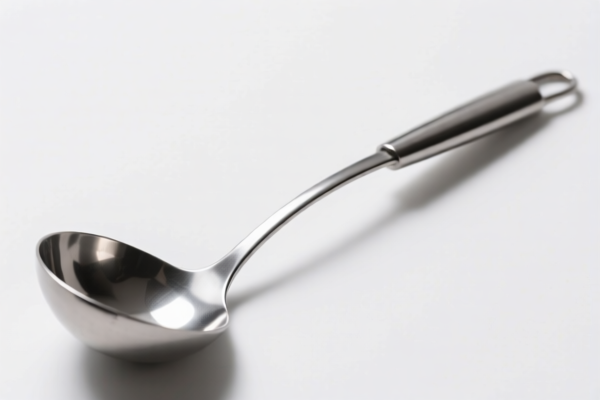
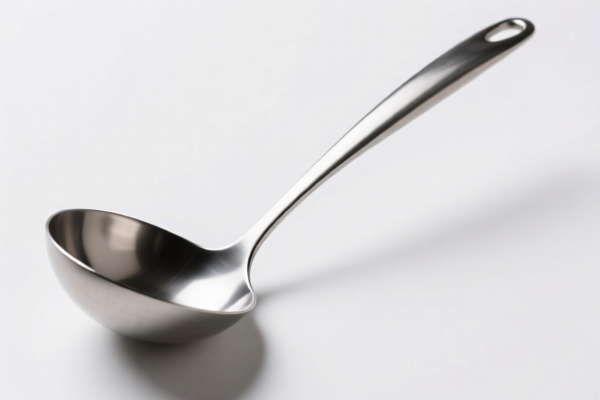
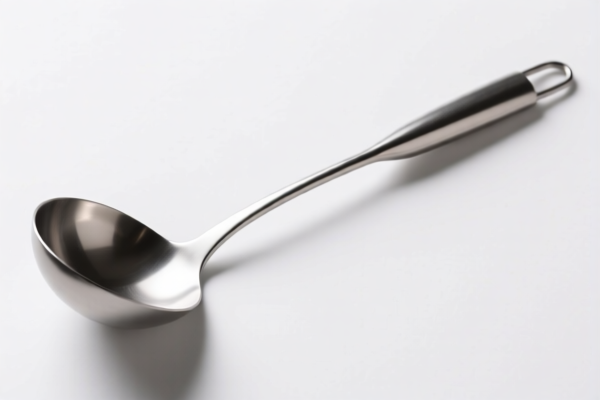
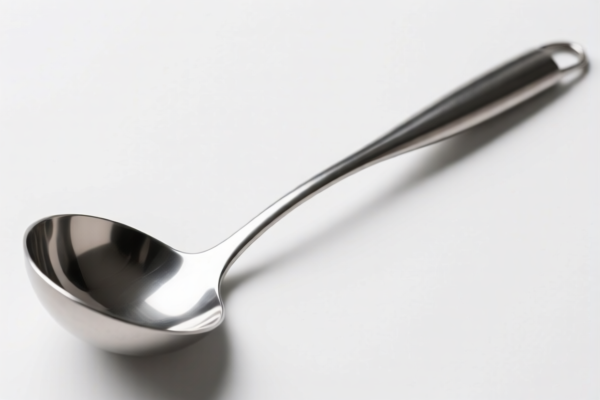
AI Analysis
🥄 Ladle(Serving Spoon / Soup Ladle)
🌐 HS Code Reference & Customs Clearance Guide | 2024/2026 Latest Tariff Breakdown | Professional Clearance Strategy
📌 I. Product Definition & Classification: Do You Know What a "Ladle" Really Is?
A ladle is a kitchen utensil typically consisting of a long handle and a large, bowl-shaped spoon used for serving soup, stew, or other liquids. In international trade, classification depends heavily on the material, which is often inferred when not explicitly stated in the product name.
Based on common commercial inference, ladles are primarily made of: 1. Plastic (for serving or kitchen use) 2. Base Metal (Stainless Steel, Iron, etc.) 3. Ceramic/China (for dining/serving)
⚠️ Key Classification Point:
- If made of Plastic → Classified under Chapter 39
- If made of Base Metal (like stainless steel) → Classified under Chapter 82
- If made of Ceramic/China → Classified under Chapter 69
- Material mismatch leads to misclassification penalties!
📦 II. HS Code Classification Details (Based on Provided Data)
The following table maps the product "Ladle" to the specific HS Codes provided in the reference data, along with the logical basis for each.
| HS Code | Product Description / Summary | Material Inference | Key Logic |
|---|---|---|---|
3924.10.40.00 |
Plastic tableware, including ladles/spoons | Plastic | Matches use (tableware) and material (plastic). No conflict. |
8215.99.45.00 |
Other tableware, kitchenware, of base metal | Base Metal (Inferred) | Matches use (ladle/serving spoon). Inferred as base metal (e.g., stainless steel). |
6911.10.41.00 |
Ceramic tableware, including ladles | Ceramic (Inferred) | Matches use (tableware). Inferred as ceramic/common edible material. |
6911.10.80.10 |
Other ceramic tableware | Ceramic (Inferred) | Matches use (kitchenware/tableware). No material conflict with ceramic. |
8215.99.40.60 |
Other base metal tableware | Base Metal / Mixed | Matches use (ladle). Covers non-stainless steel metals or mixed materials without conflict. |
🔍 Critical Reminder:
- Since the input "Ladle" does not specify material, three main categories exist. You must confirm the actual material to avoid customs penalties. - Misclassifying a Plastic ladle as Metal or vice versa can result in significant duty discrepancies and audits.
💰 III. 2024/2026 Latest Tariff Rate Breakdown (Detailed Tax Clauses)
✅ Applicable Country: United States (US)
✅ Origin: China (CN) (Inferred from "Section 301" and "122 Clause" references in data)
✅ Context: Import duties include Base Duty, Section 301 Additional Duty, and Section 122 Duty (if applicable).
🎯 1. 3924.10.40.00 —— Plastic Tableware (Ladle)
| Item | Content |
|---|---|
| Base Duty | 3.4% |
| Section 301 Additional Duty | 0.0% |
| Section 122 Duty | 10% |
| Total Tax Rate | 13.4% |
| Tax Calculation | CIF Value × 13.4% |
| De Minimis Exemption | ⚠️ Check Specifics: Section 122 duties often apply to small packages, potentially negating de minimis benefits. |
| Legal Basis | HTSUS 3924.10 + Section 122 provisions |
📌 Explanation:
- 3.4% is the standard Most Favored Nation (MFN) duty for plastic tableware. - 0% Section 301 indicates this specific plastic subheading may not be on the current 25% tariff list, or the data reflects a specific exclusion. - 10% Section 122 duty applies to certain small value imports from China, significantly increasing the cost for de minimis shipments.
🎯 2. 8215.99.45.00 —— Base Metal Tableware (Ladle)
| Item | Content |
|---|---|
| Base Duty | 0.0% |
| Section 301 Additional Duty | 7.5% |
| Section 122 Duty | 10% |
| Total Tax Rate | 17.5% |
| Tax Calculation | CIF Value × 17.5% |
| De Minimis Exemption | ❌ Unlikely due to Section 122. |
| Legal Basis | HTSUS 8215.99 + Section 301 (Footnote) + Section 122 |
📌 Explanation:
- 0% Base duty reflects the MFN rate for certain base metal tableware. - 7.5% Section 301 duty is applied to specific base metal goods from China. - 10% Section 122 duty applies, pushing the total to 17.5%.
🎯 3. 6911.10.41.00 —— Ceramic Tableware (Ladle)
| Item | Content |
|---|---|
| Base Duty | 6.3% |
| Section 301 Additional Duty | 0.0% |
| Section 122 Duty | 10% |
| Total Tax Rate | 16.3% |
| Tax Calculation | CIF Value × 16.3% |
| De Minimis Exemption | ❌ Unlikely due to Section 122. |
| Legal Basis | HTSUS 6911.10 + Section 122 |
📌 Explanation:
- 6.3% is the standard duty for ceramic tableware. - 0% Section 301 suggests this specific ceramic subheading may not be subject to the higher 25% tariff. - 10% Section 122 duty applies.
🎯 4. 6911.10.80.10 —— Other Ceramic Tableware (Ladle)
| Item | Content |
|---|---|
| Base Duty | 20.8% |
| Section 301 Additional Duty | 7.5% |
| Section 122 Duty | 10% |
| Total Tax Rate | 38.3% |
| Tax Calculation | CIF Value × 38.3% |
| De Minimis Exemption | ❌ High Risk |
| Legal Basis | HTSUS 6911.10 + Section 301 + Section 122 |
📌 Warning:
- This is the most expensive option due to the high base duty (20.8%). - Ensure the ladle fits this specific "other ceramic" category. Misclassification here leads to massive overpayment.
🎯 5. 8215.99.40.60 —— Other Base Metal Tableware (Ladle)
| Item | Content |
|---|---|
| Base Duty | 5.0% |
| Section 301 Additional Duty | 0.0% |
| Section 122 Duty | 10% |
| Total Tax Rate | 15.0% |
| Tax Calculation | CIF Value × 15.0% |
| De Minimis Exemption | ❌ Unlikely due to Section 122. |
| Legal Basis | HTSUS 8215.99 + Section 122 |
📌 Explanation:
- 5.0% Base duty. - 0% Section 301. - 10% Section 122. - This is a competitive rate if the ladle is made of non-stainless base metal.
🛠️ IV. Customs Clearance Practical Advice (Pitfall Avoidance Guide)
✅ 1. Material Declaration is Critical
| Material | Recommended HS Code | Total Tax | Risk if Misclassified |
|---|---|---|---|
| Plastic | 3924.10.40.00 |
13.4% | Reporting as Metal → 17.5%-17.5% (Overpay) or Plastic penalty |
| Stainless Steel | 8215.99.45.00 |
17.5% | Reporting as Plastic → 13.4% (Underpay, leads to audit/fine) |
| Ceramic | 6911.10.41.00 |
16.3% | Reporting as Metal → 17.5% (Overpay) |
🔥 Golden Rule:
"Declare Material Clearly! Don't guess!"
Provide Product Specifications that explicitly state: "Material: 100% PP Plastic" or "Material: 304 Stainless Steel". Vague terms like "Kitchenware" are rejected.
✅ 2. Preparation Checklist
| Document | Required | Notes |
|---|---|---|
| ✅ Product Photo | ✔️ | Show the handle and bowl shape to confirm it's a "ladle" and not a "spatula". |
| ✅ Material Spec Sheet | ✔️ | Explicitly state the polymer type (e.g., Polypropylene) or metal grade (e.g., 304 SS). |
| ✅ Commercial Invoice | ✔️ | Use precise descriptions: "Plastic Serving Ladle" or "Stainless Steel Soup Ladle". |
| ✅ Section 122 Compliance | ✔️ | If shipping under de minimis ($800), be aware of the 10% Section 122 duty on Chinese goods. |
✅ 3. Special Scenarios
| Scenario | Advice |
|---|---|
| Mixed Material (e.g., Plastic Handle + Metal Head) | Classify based on the essential character. If the head (part) determines use, it might be base metal. If the handle dominates, it might be plastic. Consult a broker. |
| Set of Ladles | If sold as a set with other utensils, classification depends on the principal purpose and material dominance. |
| High-Value Commercial Shipments | Section 122 may not apply, but Section 301 (7.5% or 25%) will. Ensure correct HTSUS to avoid 25% vs 7.5% disputes. |
🌍 V. Global Market Comparison (2024/2026)
| Country/Region | Recommended HS Code (Plastic Example) | Base Duty | Additional Duties | Notes |
|---|---|---|---|---|
| 🇺🇸 USA | 3924.10.40.00 |
3.4% | +10% (Sec 122) | Total 13.4%. Watch out for Sec 301 changes. |
| 🇪🇺 EU | 3924.10 |
4.0% | VAT (19-27%) | No Section 122. Standard MFN applies. |
| 🇨🇳 China | 3924.10 |
5.0% | None | Import duty only. No Section 122. |
| 🇬🇧 UK | 3924.10 |
4.0% | VAT (20%) | Post-Brexit tariffs. |
📌 Conclusion:
- USA has the most complex tariff structure due to Section 122 and Section 301. - Plastic ladles have the lowest total tax burden (13.4%) among the provided options. - Ceramic ladles carry the highest risk of high duty (38.3%) if misclassified into the "other" category.
📌 VI. Common Mistakes & Pitfalls (Blood & Tears Lessons)
❌ Mistake 1: Calling it just "Spoon" without specifying "Ladle"
👉 Consequence: CBP may reclassify it to a different subheading with higher duties (e.g., flatware vs. kitchenware).
❌ Mistake 2: Ignoring the "Section 122" Duty
👉 Consequence: If you ship under de minimis ($800) from China, you will be charged an extra 10% on top of standard duties. Many importers forget this!
❌ Mistake 3: Assuming "Metal" means "Stainless Steel"
👉 Consequence: If it's carbon steel or iron, it still falls under 8215.99, but material proof is needed. If it's actually Plastic, declaring it as metal leads to duty evasion penalties.
✅ Correct Practice:
"Stainless Steel Ladle, Handle: 304 SS, Bowl: 304 SS, Model XYZ, Made in China"
🎯 VII. Conclusion: Precision in Classification Saves Money!
🎯 Remember the Key Takeaway:
🔹 "Material Determines Duty: Plastic (13.4%) vs Metal (17.5%) vs Ceramic (16.3%-38.3%)"
🔹 "Section 122 is the Silent Killer for De Minimis: +10% Tax!"
🔹 "Never Guess the Material. Declare It Explicitly."
📌 Pro Tip:
If you are shipping small quantities (<$800) from China to the US, factor in the 10% Section 122 duty in your cost calculation. For bulk shipments, focus on Section 301 exclusions if available.
📣 Immediate Action:
📞 Contact a Licensed Customs Broker to verify the exact material composition.
📄 Request a Pre-Ruling (Binding Ruling) from CBP if importing large volumes.
🚀 Optimize your supply chain by choosing the material with the lowest total tax burden (Plastic is currently the most competitive at 13.4%).
✨ Professional Clearance Starts with Accurate Classification!
💼 Every Percent of Duty Saves You Profit!
Customer Reviews
About HS Code Classification
The Harmonized System (HS) is an internationally standardized nomenclature developed by the World Customs Organization (WCO) to classify traded products. Over 200 countries use the HS system as the basis for customs tariffs, trade statistics, and import/export regulations.
Each HS code follows a hierarchical structure:
- Chapter (2 digits) — Broad category of goods (e.g., Chapter 84: Machinery and Mechanical Appliances)
- Heading (4 digits) — More specific grouping within the chapter
- Subheading (6 digits) — Internationally standardized breakdown, used by all WCO member countries
- National subdivisions (8-10 digits) — Country-specific extensions for further classification, such as US HTSUS 10-digit codes
Correct HS code classification is essential for smooth customs clearance, accurate duty payment, and compliance with trade regulations. Misclassification can lead to customs delays, overpayment of duties, or penalties.
When importing from CN to US, the applicable tariff rates may include:
- Most-Favored-Nation (MFN) rate — The standard duty rate applied to WTO members
- General rate — Applied to countries without trade agreements
- Trade remedy duties — Additional tariffs such as Section 301 (anti-dumping), Section 232 (national security), or countervailing duties
The information provided on this page is for reference purposes only. For official classification, please consult with your local customs authority or a licensed customs broker.