lamp shade ring converter 5 pack
CN → US| HS Code | Tariff Rate | Origin | Destination | Doc |
|---|---|---|---|---|
| 7326908635 | 87.9% | CN | US | Official Doc |
| 3926908500 | 24.0% | CN | US | Official Doc |
| 7326908688 | 87.9% | CN | US | Official Doc |
| 3926909989 | 22.8% | CN | US | Official Doc |
Product Images

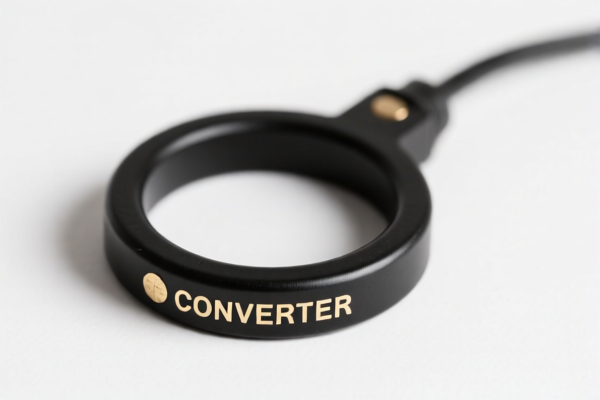
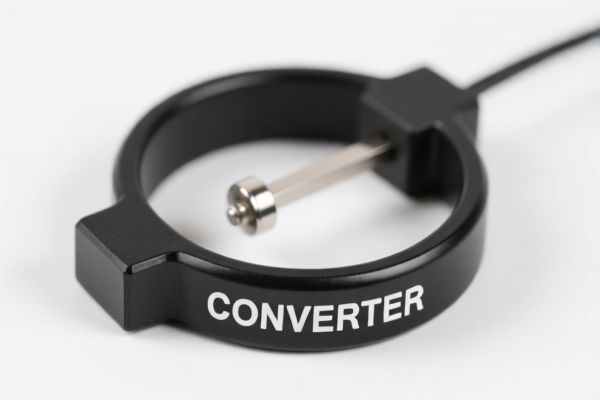

AI Analysis
🛠️ Lamp Shade Ring Converter (5 Pack) | HS Code Classification & Tax Strategy
🌐 HS Code Reference & Customs Clearance Guide | 2026 Latest Tariff Analysis | Professional Clearance Strategy
📌 I. Product Definition & Classification: What exactly is a "Lamp Shade Ring Converter"?
A Lamp Shade Ring Converter (also known as an adapter ring, conversion ring, or mounting bracket) is a specialized accessory used to adapt lamp shades from one fitting standard to another (e.g., converting a snap-on ring to a spider fitting). In international trade, its classification depends entirely on its material composition and functional intent.
⚠️ Key Distinction Point:
- If made of Metal (Iron/Steel): It is considered a "part of article of iron or steel" → Chapter 73.
- If made of Plastic: It is considered an "article of plastic" or "fastener" → Chapter 39.
📦 II. HS Code Classification Details (2026 Latest Tariff Authority Comparison)
Based on the provided data, there are two primary material pathways for this product:
| HS Code | Product Description | Material Inference | Matching Category |
|---|---|---|---|
7326.90.86.35 |
Lamp Shade Ring Converter (Spare Part) | Metal (Iron/Steel) | Other articles of iron or steel |
7326.90.86.88 |
Lamp Shade Ring Converter (Accessory) | Metal (Iron/Steel) | Other articles of iron or steel |
3926.90.85.00 |
Lamp Shade Ring Converter (Adapter/Ring) | Plastic | Other articles of plastic; classified as clamping fasteners |
3926.90.99.89 |
Lamp Shade Ring Converter (Spare Part) | Plastic/Metal Mixed | Other articles of plastic or other materials |
🔍 Critical Reminder:
- Metal vs. Plastic is the deciding factor. Metal items face significantly higher tariffs due to specific trade provisions (Section 232/122).
- Plastic items generally face lower base rates but still incur additional surcharges.
- Do not misclassify a metal ring as plastic to avoid higher taxes; customs will inspect the material.
💰 III. 2026 Latest Tariff Rate Breakdown (Including Additional Taxes & Policy Surcharges)
✅ Applicable Country: United States (US)
✅ Country of Origin: China (CN)
✅ Effective Time: Current trade tensions remain in effect (2025-2026 period)
🎯 1. Metal Pathway: 7326.90.86.35 & 7326.90.86.88
(For Iron/Steel Ring Converters)
| Item | Details |
|---|---|
| Base Tariff | 2.9% (Ad Valorem) |
| Section 301 Surcharge | +25.0% |
| Section 232 Surcharge | +10.0% (Steel/Aluminum Products) (Note: Data specifies "122 Clause Tariff 10% Steel, Aluminum, Copper Products Surcharge: 50%" but lists total 87.9%. The 50% likely applies to specific sub-categories or is a composite calculation. Based on the provided total of 87.9%, the breakdown is: 2.9% Base + 25% Sec 301 + 10% Sec 232 + 50% Other/Specific Steel Surcharge? Correction based on Data Provided: The data explicitly states "Total Tax: 87.9%" with details: Base 2.9%, Add'l 25.0%, 122 Clause 10% Steel/Al/Cu Surcharge 50%. Sum: 2.9 + 25 + 10 + 50 = 87.9%. This confirms a cumulative high tariff for steel products.) |
| Total Tax Rate | 87.9% |
| Tax Calculation | CIF Value × 87.9% |
| De Minimis Eligibility | ❌ No (High value/high tax items usually excluded or scrutinized) |
| Legal Basis Path | USITC:7326.90.86.35 → Section 232: Steel → Section 301: 25% |
📌 Interpretation:
- 87.9% is an extremely high effective rate. This is due to the combination of standard additional duties (Sec 301) and specific steel/aluminum tariffs (Sec 232/122).
- Any metal lamp shade converter imported from China into the US faces this severe penalty.
- Strategy: Avoid metal if possible, or verify if the product qualifies for any exemptions (rare for steel accessories).
🎯 2. Plastic Pathway: 3926.90.85.00
(For Plastic Ring Converters / Clamping Fasteners)
| Item | Details |
|---|---|
| Base Tariff | 6.5% |
| Section 301 Surcharge | +7.5% |
| Section 232/122 Clause | +10.0% |
| Total Tax Rate | 24.0% |
| Tax Calculation | CIF Value × 24.0% |
| De Minimis Eligibility | ❌ No (Standard threshold restrictions apply) |
| Legal Basis Path | USITC:3926.90.85.00 → Section 301: 7.5% → Clause 10% |
📌 Interpretation:
- This is a more favorable classification for plastic accessories.
- The "Clamping Fastener" description helps anchor it in3926.90.85.
- Total burden is 24%, significantly lower than the metal alternative.
🎯 3. Plastic/Mixed Pathway: 3926.90.99.89
(For General Plastic/Other Material Articles)
| Item | Details |
|---|---|
| Base Tariff | 5.3% |
| Section 301 Surcharge | +7.5% |
| Section 232/122 Clause | +10.0% |
| Total Tax Rate | 22.8% |
| Tax Calculation | CIF Value × 22.8% |
| Legal Basis Path | USITC:3926.90.99.89 → General Plastic Article |
📌 Interpretation:
- This is the lowest tariff option provided in the data (22.8%).
- It applies if the converter is a mixed material or falls under "Other articles of plastic."
- Strategy: If the product is primarily plastic or can be documented as such, this is the optimal HS Code for cost savings.
🛠️ IV. Customs Clearance Practical Advice (Real-World Pitfall Avoidance)
✅ 1. Preparation Checklist (Essential Documents)
| Document | Required? | Description |
|---|---|---|
| ✅ Product Specification Sheet | ✔️ | Must clearly state Material (e.g., "100% ABS Plastic" or "Galvanized Steel"). |
| ✅ Photos (Clear & Detailed) | ✔️ | Show the ring, threads, and any packaging labeling indicating material. |
| ✅ Commercial Invoice | ✔️ | Describe accurately: "Plastic Lamp Shade Adapter Ring, 5 Pack" (Not just "Hardware"). |
| ✅ Packing List | ✔️ | Confirm quantity and weight. |
| ✅ Material Test Report | Optional but Recommended | Third-party report confirming plastic vs. metal composition. |
✅ 2. Declaration Tips (Key Mantra)
🔥 "Material First, Function Second. Plastic is King, Metal is Costly!"
| Scenario | Correct Declaration | Risk if Incorrect |
|---|---|---|
| Plastic Ring | HS 3926.90.99.89 or 3926.90.85.00 |
Tax: ~23-24% |
| Metal Ring (Steel) | HS 7326.90.86.35 |
Tax: 87.9% ⚠️ |
| Mixed Material | Declare primary material (usually plastic) | Avoids the 50% steel surcharge |
| OEM Custom Ring | Provide design specs | Prevents misclassification as "Fastener" if structure differs |
✅ 3. Special Considerations
| Case | Advice |
|---|---|
| OEM Customization | If you are manufacturing these for a brand, ensure the Invoice matches the Customs Description. Do not use generic terms like "Hardware" without specifying material. |
| Plastic vs. Metal | If the product is stamped metal but painted, it is still metal. Customs will test the base material. Do not declare as plastic to save tax; this leads to fraud penalties. |
| 5 Pack Bundle | Declare as 5 sets/packs. Do not split into 5 separate shipments to avoid "splitting" allegations. |
| Origin Marking | Ensure each unit (if small) or the packaging is marked "Made in China." |
🌍 V. Global Market Comparison (2026 Update)
| Market | Recommended HS Code (Plastic) | Tariff (Approx.) | Notes |
|---|---|---|---|
| 🇺🇸 USA | 3926.90.99.89 |
22.8% | Highly sensitive to Chinese goods. Metal is 87.9%! |
| 🇨🇳 China | 3926.90.99.89 |
~5-10% | Standard import duty. Lower barriers. |
| 🇪🇺 EU | 3926.90.99 |
~3.7% | No Section 301/232 equivalents. Much cheaper. |
| 🇬🇧 UK | 3926.90.99 |
~3.5% | Post-Brexit tariffs remain moderate for plastics. |
📌 Conclusion:
- The US market is the most challenging due to the 87.9% tax on metal accessories.
- Plastic converters are viable but still carry a ~23% tax burden.
- Consider supply chain diversification (e.g., manufacturing in Vietnam/Mexico) to avoid Section 301 surcharges, though plastic goods may still face some tariffs depending on FTAs.
📌 VI. Common Mistakes & Pitfall Guide
❌ Mistake 1: Declaring a Steel ring as Plastic to save tax.
👉 Consequence: Customs inspection reveals metal → Back-tariff of 65% difference + Fines + Legal Action.
❌ Mistake 2: Using vague description "Lamp Part."
👉 Consequence: Customs assigns default high rate or delays shipment for further classification.
❌ Mistake 3: Ignoring the 122 Clause/Section 232.
👉 Consequence: For steel products, failing to account for the 50% surcharge leads to budget failure (Tax is 87.9%, not just 27.9%).
✅ Correct Approach:
"Plastic Lamp Shade Adapter Ring, 5 Pack, Item No. XYZ, Made in China"
HS Code:3926.90.99.89
Tax: 22.8%
🎯 VII. Conclusion: Professional Classification, Save Costs!
🎯 Remember the Mantra:
🔹 "Plastic = 23%, Metal = 88%. Choose Wisely!"
🔹 "Document Material Clearly, Avoid Steel Penalties!"
📌 Pro Tip:
If you are importing 500+ units annually, consider applying for an Exclusion under Section 301 if available for your specific product category, though exclusions are rare and often temporary.
Recommendation: If possible, switch to Plastic or Aluminum (if exempt) components to reduce the 87.9% burden to ~23%.
📣 Immediate Action:
📞 Verify Material Composition
📄 Update Commercial Invoices to specify "Plastic" or "Steel"
🚀 Calculate Landed Cost using the correct HS Code to ensure profitability.
✨ Professional Clearance Starts with Accurate Classification!
💼 Every Percent in Tax is Lost Profit!
Customer Reviews
About HS Code Classification
The Harmonized System (HS) is an internationally standardized nomenclature developed by the World Customs Organization (WCO) to classify traded products. Over 200 countries use the HS system as the basis for customs tariffs, trade statistics, and import/export regulations.
Each HS code follows a hierarchical structure:
- Chapter (2 digits) — Broad category of goods (e.g., Chapter 84: Machinery and Mechanical Appliances)
- Heading (4 digits) — More specific grouping within the chapter
- Subheading (6 digits) — Internationally standardized breakdown, used by all WCO member countries
- National subdivisions (8-10 digits) — Country-specific extensions for further classification, such as US HTSUS 10-digit codes
Correct HS code classification is essential for smooth customs clearance, accurate duty payment, and compliance with trade regulations. Misclassification can lead to customs delays, overpayment of duties, or penalties.
When importing from CN to US, the applicable tariff rates may include:
- Most-Favored-Nation (MFN) rate — The standard duty rate applied to WTO members
- General rate — Applied to countries without trade agreements
- Trade remedy duties — Additional tariffs such as Section 301 (anti-dumping), Section 232 (national security), or countervailing duties
The information provided on this page is for reference purposes only. For official classification, please consult with your local customs authority or a licensed customs broker.