laptop stand
CN → US| HS Code | Tariff Rate | Origin | Destination | Doc |
|---|---|---|---|---|
| 7326908688 | 87.9% | CN | US | Official Doc |
| 7326190080 | 87.9% | CN | US | Official Doc |
| 8473309100 | 35.0% | CN | US | Official Doc |
| 8473509000 | 35.0% | CN | US | Official Doc |
| 7326908688 | 87.9% | CN | US | Official Doc |
Product Images
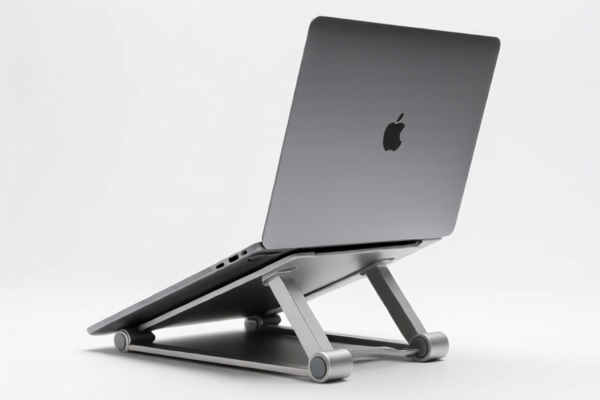
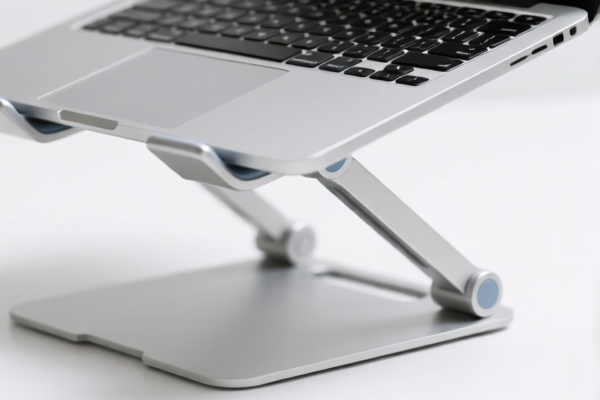
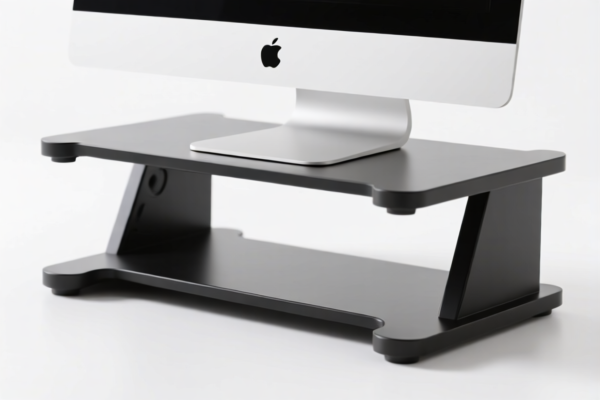
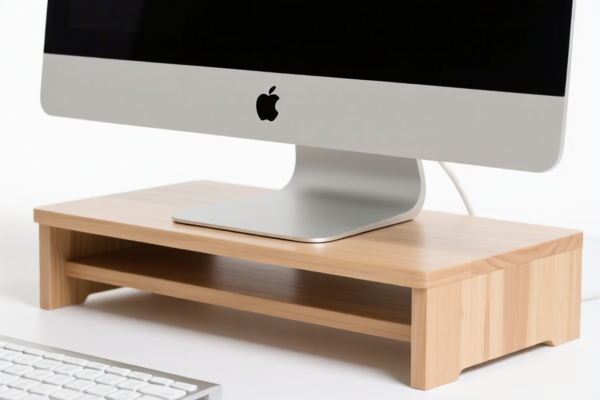
AI Analysis
💻 Laptop Stand (Notebook Support Stands)
🌐 HS Code Reference & Clearance Guide | 2026 Latest Tariff Breakdown | Professional通关 Strategy
📌 I. Product Definition & Classification: Do You Really Know Your "Laptop Stand"?
Laptop stands are essential ergonomic accessories designed to elevate notebooks for better viewing angles, cooling, and posture. In international trade, they are not classified as "laptop parts" (which would fall under Chapter 84 or 85), but rather as "miscellaneous metal products" or "parts of machines", depending on their design, material, and specific use case.
⚠️ Critical Distinction:
- Metal Stands (Iron/Steel): Classified under Chapter 73 (Articles of Iron or Steel). Highly susceptible to heavy punitive tariffs (up to 87.9%).
- Machine Parts (Parts of 8471): If strictly defined as "parts of automatic data processing machines," they fall under Chapter 84. Tariffs are lower (35%).
📦 II. HS Code Classification Details (2026 Authority Reference)
Based on the provided data, here is the authoritative breakdown for Laptop Stands:
| HS Code | Product Description | Material / Category | Key Classification Logic |
|---|---|---|---|
| 7326.90.86.88 | Laptop Stand | Iron or Steel (Misc. Metal) | Classified as "Other articles of iron or steel." NOT a machine part, but a standalone metal fixture. |
| 7326.19.00.80 | Laptop Stand | Iron or Steel (Misc. Metal) | Classified as "Parts of other articles of iron or steel." Often used for smaller bracket-type supports. |
| 8473.30.91.00 | Laptop Stand (as Part) | Parts of 8471 Machines | Classified as a "Part of the machine" (specifically for 8471 automatic data processing machines). |
| 8473.50.90.00 | Laptop Stand (as Part) | Parts/Accessories of 8471 | Classified as "Parts and accessories" specifically for the machine itself. |
🔍 Key Insight:
- Chapters 73 (7326.xx.xx): These are treated as general metal goods. They attract the highest tariffs due to "Section XXII" and "122" provisions on steel/aluminum.
- Chapter 84 (8473.xx.xx): These are treated as parts of computers. They enjoy a 0% base tariff but still face the 25% Section 301 tariff.
- The Difference: If the stand is sold as a standalone "furniture/fixture" item, it falls to 7326 (High Tax). If sold explicitly as a "part of a computer" (often harder to justify), it may fall to 8473 (Lower Tax).
💰 III. 2026 Tariff Rate Breakdown (USA - Import from China)
✅ Applicable Country: United States (US)
✅ Origin: China (CN)
✅ Effective Date: Current (Based on provided data logic)
🎯 Scenario A: High-Tariff Metal Classification (7326.90.86.88 & 7326.19.00.80)
This is the most common and most expensive classification for generic laptop stands made of metal.
| Item | Details |
|---|---|
| Base Tariff (MFN) | 2.9% |
| Section 301 Tariff (Add-on) | +25.0% |
| Section 122 Tariff (Steel/Aluminum) | +50.0% (Specific to Iron/Steel products under Section 122) |
| Total Effective Rate | 87.9% |
| Tax Calculation | CIF Value × 87.9% |
| De Minimis Exemption | ❌ NO (High-risk category for Section 122/301) |
📌 Explanation of Terms:
- Base Tariff (2.9%): Standard Most Favored Nation rate for "Other articles of iron or steel."
- Section 301 (25%): The standard punitive tariff on Chinese goods under the "Trade Act of 1974."
- Section 122 (50%): CRITICAL. This is a specific levy on Steel, Aluminum, and Copper products imported from China. Since laptop stands are predominantly iron/steel, this 50% surcharge applies, doubling the tax burden.
- Total: 2.9% + 25% + 50% = 87.9%.
🎯 Scenario B: "Part of Machine" Classification (8473.30.91.00 & 8473.50.90.00)
This classification attempts to argue the stand is an integral "part" of the computer, avoiding the "Steel" surcharge.
| Item | Details |
|---|---|
| Base Tariff (MFN) | 0.0% |
| Section 301 Tariff (Add-on) | +25.0% |
| Section 122 Tariff (Steel/Aluminum) | +10% (Note: Data indicates 10% here, likely due to different sub-classification logic or exclusion from full 50% steel surcharge) |
| Total Effective Rate | 35.0% |
| Tax Calculation | CIF Value × 35.0% |
| De Minimis Exemption | ❌ NO |
📌 Explanation of Terms:
- Base Tariff (0%): Parts of automatic data processing machines often have 0% base duty.
- Section 301 (25%): Still applies as it is a Chinese-origin good.
- Section 122 (10%): Unlike the standalone metal goods (50%), parts of machinery may fall under a lighter "122" rate or a different statutory provision, reducing the total tax to 35%.
🛠️ IV. Clearance Practical Advice (Avoiding Pitfalls)
✅ 1. Strategic HS Code Selection (The "Tax Trap")
| Scenario | Recommended HS Code | Total Tax | Strategy |
|---|---|---|---|
| Generic Metal Stand (Sold separately) | 7326.90.86.88 |
87.9% | Avoid if possible. High tax makes margins impossible. |
| Sold as "Computer Part" | 8473.30.91.00 |
35.0% | Preferred. Requires strong documentation proving it's a "part" of an 8471 machine. |
| Aluminum Stand | 7326.xx |
~87.9% | Watch out. Aluminum is often grouped with Steel in Section 122 (50% rate). |
🔥 Key Insight:
- The 50% difference (87.9% vs 35%) is driven by the Section 122 Steel Surcharge.
- If you can legally classify the product as a "Part of Machine" (8473), you save 52.9% in taxes.
✅ 2. Documentation Checklist (Mandatory for 8473 Classification)
To successfully claim the lower 35% tax rate under 8473, you must prove the stand is a "Part of an Automatic Data Processing Machine":
| Document | Requirement | Why It Matters |
|---|---|---|
| Product Photos | Show the stand attached to a laptop/PC, or explicitly marketed as a "PC Accessory" | Proves functional relationship with the machine. |
| User Manual | Must state "For use with Automatic Data Processing Machines (8471)" | Language is crucial for Customs interpretation. |
| Technical Spec Sheet | Dimensions, weight, material, and compatibility list | Helps Customs verify it's not a "furniture" item. |
| Bill of Materials | List of components (e.g., "Aluminum alloy, steel screws") | Must be precise; avoid vague terms like "Metal Frame" without context. |
| Import Contract | Explicitly state "Laptop Stand (Part of 8471)" | Aligns commercial docs with HS Code. |
✅ 3. Warning: The "Section 122" Steel Trap
⚠️ Critical Alert:
- Section 122 (Steel/Aluminum tariffs) applies strictly to iron/steel products.
- Even if you claim8473, Customs may reclassify to7326if the stand is seen as a "standalone metal fixture" rather than a "machine part."
- Risk: If misclassified, you face 87.9% tax + Potential penalties for false declaration.
🌍 V. Market Comparison & Strategy
| Market | Classification Trend | Total Tax | Recommendation |
|---|---|---|---|
| USA | Strict on Metal (7326) | 87.9% (or 35% if 8473) |
Push for 8473. Avoid 7326. Consider non-steel materials (plastic) if possible. |
| EU/UK | Generally 0-5% | Low | Less pressure on Section 122. |
| Canada | Variable | Low-Med | Check specific "steel" definitions. |
📌 VI. Common Mistakes & Solutions
❌ Mistake 1: Labeling the product as "Furniture" or "Office Accessories."
👉 Result: Classified as 7326 → 87.9% Tax.
✅ Fix: Label as "Part of Computer System" or "Laptop Peripheral."
❌ Mistake 2: Declaring as 8473 without evidence of "Machine Part" status.
👉 Result: Customs audit, reclassification to 7326, +50% penalty.
✅ Fix: Provide technical drawings showing the stand's interface with a laptop.
❌ Mistake 3: Ignoring the "Steel" definition.
👉 Result: Even 8473 items made of steel can attract Section 122 if not carefully argued.
✅ Fix: Verify if the steel component is essential to the "machine" function or just a "support."
🎯 VII. Conclusion: Smart Classification Saves Money
🎯 The Golden Rule:
🔹 Steel Stand (7326) = 87.9% (Do not use for high-volume exports).
🔹 Machine Part (8473) = 35% (The optimal path if legally defensible).
🔹 Non-Metal Materials = Check Chapter 94 (Furniture) or 39 (Plastics) for potential lower rates.
✅ Action Plan:
1. Audit your product: Is it a "stand" (furniture) or a "part" (machine)?
2. Re-package marketing: If possible, market as "Computer Accessory."
3. Consult Customs: File a Binding Tariff Information (BTI) or Advance Ruling request before shipping to lock in the 35% rate.
📣 Final Tip:
If your laptop stand is aluminum or plastic, the Section 122 steel tariff might not apply (or applies differently), potentially lowering the total tax. Material composition is your best defense against the 50% surcharge.
✨ Professional Clearance = Precision Classification + Strategic Documentation!
💼 Don't let 87.9% tax eat your profits. Optimize your HS Code today!
Customer Reviews
About HS Code Classification
The Harmonized System (HS) is an internationally standardized nomenclature developed by the World Customs Organization (WCO) to classify traded products. Over 200 countries use the HS system as the basis for customs tariffs, trade statistics, and import/export regulations.
Each HS code follows a hierarchical structure:
- Chapter (2 digits) — Broad category of goods (e.g., Chapter 84: Machinery and Mechanical Appliances)
- Heading (4 digits) — More specific grouping within the chapter
- Subheading (6 digits) — Internationally standardized breakdown, used by all WCO member countries
- National subdivisions (8-10 digits) — Country-specific extensions for further classification, such as US HTSUS 10-digit codes
Correct HS code classification is essential for smooth customs clearance, accurate duty payment, and compliance with trade regulations. Misclassification can lead to customs delays, overpayment of duties, or penalties.
When importing from CN to US, the applicable tariff rates may include:
- Most-Favored-Nation (MFN) rate — The standard duty rate applied to WTO members
- General rate — Applied to countries without trade agreements
- Trade remedy duties — Additional tariffs such as Section 301 (anti-dumping), Section 232 (national security), or countervailing duties
The information provided on this page is for reference purposes only. For official classification, please consult with your local customs authority or a licensed customs broker.