laundry basket
CN → US| HS Code | Tariff Rate | Origin | Destination | Doc |
|---|---|---|---|---|
| 7326908688 | 87.9% | CN | US | Official Doc |
| 4602191800 | 39.5% | CN | US | Official Doc |
| 3926909989 | 22.8% | CN | US | Official Doc |
| 4602110900 | 45.0% | CN | US | Official Doc |
Product Images
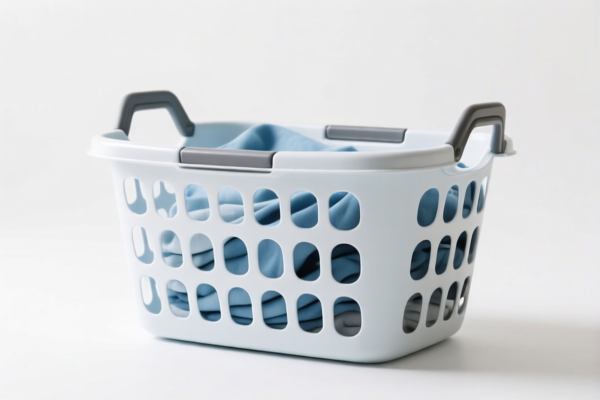
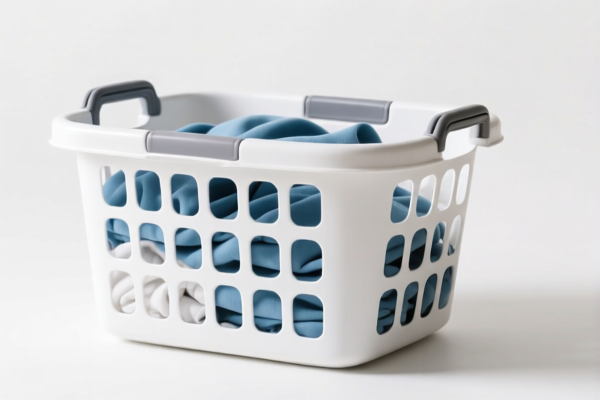
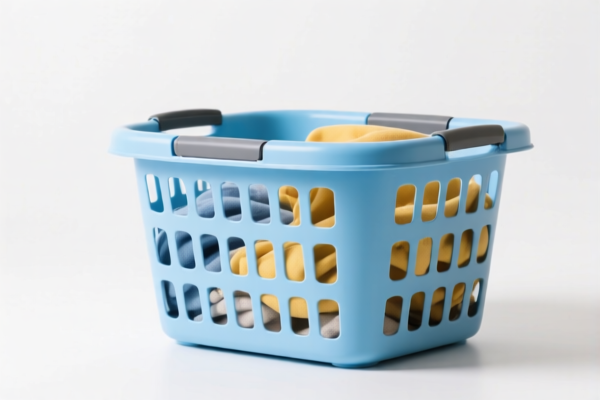
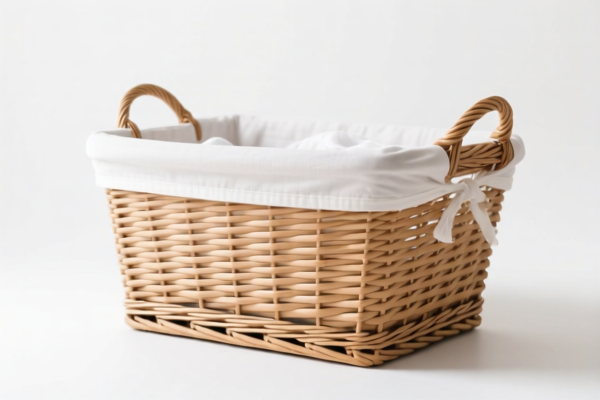
AI Analysis
🧺 Laundry Basket (Storage Containers / Baskets)
🌐 HS Code Reference & Customs Clearance Guide | 2026 Latest Tariff Analysis | Professional Clearance Strategy
📌 1. Product Definition & Classification: What exactly is a "Laundry Basket"?
A laundry basket is a container used for storing dirty or clean laundry. In international trade, classification depends heavily on material and construction method. It is not a single HS code but a range of codes based on whether it is woven, plastic, or metal.
⚠️ Key Distinction Points:
- Woven/Plant Materials (Basketry): If made from bamboo, rattan, reed, etc., it falls under Chapter 46.
- Plastic Materials: If made from plastic, it falls under Chapter 39 (Plastics).
- Metal Materials: If made of iron or steel, it falls under Chapter 73.
📦 2. HS Code Classification Details (2026 Latest Tariff Authoritative Comparison)
| HS Code | Product Description | Material Type | Key Classification Logic |
|---|---|---|---|
7326.90.86.88 |
Other articles of iron or steel | Iron/Steel | Inferred material is metal; fits "Other articles of iron or steel." |
4602.19.18.00 |
Other baskets and basketware | Plant Fiber | Woven baskets/bags; fits "Other baskets and bags." |
3926.90.10.00 |
Other articles of plastics | Plastic | Matches plastic containers/buckets/baskets logic. |
3926.90.99.89 |
Other articles of plastics | Plastic | Typically plastic products; fits "Other" category for plastics. |
4602.11.09.00 |
Baskets of bamboo, etc. | Bamboo/Rattan | Shape is a basket; material inferred as bamboo, rattan, etc. |
🔍 Important Note:
- Plastic vs. Metal: Plastic baskets generally have lower base tariffs but are still subject to significant Section 301/IEEPA surcharges.
- Woven vs. Plastic: If a basket is lined with plastic, customs may still classify it as plastic (Chapter 39) if the plastic provides the essential character, or as woven (Chapter 46) if the woven structure is dominant. Declaration clarity is key.
💰 3. 2026 Latest Tariff Rate Breakdown (Including Surcharges & Policy Add-ons)
✅ Applicable Country: United States (US)
✅ Country of Origin: China (CN)
✅ Effective Time: Current rates apply (Section 301 & IEEPA measures active)
🎯 1. 7326.90.86.88 — Articles of Iron or Steel
| Item | Content |
|---|---|
| Base Duty Rate | 2.9% |
| Section 301 Surcharge | +25.0% |
| Section 122 / 232 Surcharge | +50% (For steel/aluminum/copper products) |
| Total Duty Rate | 77.9% |
| Tax Calculation | CIF Value × 77.9% |
| De Minimis Exemption | ❌ Not Applicable |
| Legal Basis Path | USITC:7326.90.86.88 → Section 301 → Section 232/122 |
📌 Explanation:
- Steel baskets face the highest tax burden due to the combination of Section 301 (25%) and Section 122/232 (up to 50% for steel/aluminum).
- Total ~77.9%-87.9%: Extremely high cost impact. Verify if "steel" classification is accurate; sometimes coated steel may be argued differently, but risk is high.
🎯 2. 4602.19.18.00 — Other Baskets and Basketware (Plant Material)
| Item | Content |
|---|---|
| Base Duty Rate | 4.5% |
| Section 301 Surcharge | +25.0% |
| Section 122 Surcharge | +10% |
| Total Duty Rate | 39.5% |
| Tax Calculation | CIF Value × 39.5% |
| De Minimis Exemption | ❌ Not Applicable |
| Legal Basis Path | USITC:4602.19.18.00 → Section 301 → Section 122 |
📌 Note:
- Natural fiber baskets are cheaper than steel but still face substantial tariffs.
- Ensure materials are genuinely plant-based (bamboo, rattan, seagrass) and not synthetic imitations, which would fall under Chapter 39.
🎯 3. 3926.90.10.00 — Other Articles of Plastics (Containers)
| Item | Content |
|---|---|
| Base Duty Rate | 3.4% |
| Section 301 Surcharge | +7.5% |
| Section 122 Surcharge | +10% |
| Total Duty Rate | 20.9% |
| Tax Calculation | CIF Value × 20.9% |
| De Minimis Exemption | ❌ Not Applicable |
| Legal Basis Path | USITC:3926.90.10.00 → Section 301 → Section 122 |
📌 Explanation:
- This is a lower-risk option for plastic baskets classified as "containers."
- The Section 301 rate is lower (7.5%) compared to other plastic articles (which may be 25%). Confirm if the product qualifies for this specific subheading.
🎯 4. 3926.90.99.89 — Other Articles of Plastics (Other)
| Item | Content |
|---|---|
| Base Duty Rate | 5.3% |
| Section 301 Surcharge | +7.5% |
| Section 122 Surcharge | +10% |
| Total Duty Rate | 22.8% |
| Tax Calculation | CIF Value × 22.8% |
| De Minimis Exemption | ❌ Not Applicable |
| Legal Basis Path | USITC:3926.90.99.89 → Section 301 → Section 122 |
📌 Note:
- Slightly higher than3926.90.10.00but still among the most cost-effective for plastic goods.
- Use this if the basket doesn't fit the "container" definition of.10.00.
🎯 5. 4602.11.09.00 — Baskets of Bamboo, etc.
| Item | Content |
|---|---|
| Base Duty Rate | 10.0% |
| Section 301 Surcharge | +25.0% |
| Section 122 Surcharge | +10% |
| Total Duty Rate | 45.0% |
| Tax Calculation | CIF Value × 45.0% |
| De Minimis Exemption | ❌ Not Applicable |
| Legal Basis Path | USITC:4602.11.09.00 → Section 301 → Section 122 |
📌 Warning:
- Bamboo-specific baskets have a higher base rate (10%) compared to general plant fiber baskets (4.5%).
- Total rate is nearly double that of steel baskets? No, steel is ~78%. But significantly higher than plastic.
🛠️ 4. Customs Clearance Practical Advice (Pitfall Avoidance Guide)
✅ 1. Required Documentation Checklist
| Document | Must Provide | Description |
|---|---|---|
| ✅ Product Specification Sheet | ✔️ | Material composition (e.g., 100% Bamboo, Recycled Plastic), dimensions, weight. |
| ✅ Material Declaration | ✔️ | Explicitly state material type. Avoid vague terms like "mixed materials" without percentages. |
| ✅ Product Photos | ✔️ | Clear images showing texture, weave, or mold lines to prove material. |
| ✅ Commercial Invoice | ✔️ | Must describe goods accurately (e.g., "Plastic Laundry Hamper" vs. "Bamboo Basket"). |
| ✅ Packing List | ✔️ | Show unit price and total value. |
✅ 2. Declaration Tips (Key Mnemonic)
🔥 "Material Defines Code, Code Defines Tax! Be Specific!"
| Scenario | Correct Declaration | Wrong Practice |
|---|---|---|
| Plastic Basket | "Plastic Laundry Basket, HDPE Material" | Just "Basket" → Risk of being classified as metal or generic. |
| Bamboo Basket | "Woven Bamboo Laundry Basket" | "Plastic Basket" (if actually bamboo) → Fraud/Misclassification. |
| Metal Basket | "Steel Wire Laundry Basket" | "Iron Basket" (if it's stainless) → Duty rate difference. |
| Mixed Material | Specify % of each | "Composite Basket" → Customs may classify by essential character. |
✅ 3. Special Case Handling
| Scenario | Handling Advice |
|---|---|
| Plastic-Coated Wicker | If plastic coating is minor, it may still be 4602 (woven). If plastic is dominant, it becomes 3926 (plastic). Get an Advance Ruling. |
| Foldable Plastic Baskets | Often fall under 3926.90. Ensure they are not classified as "furniture." |
| Metal Wire Baskets | High risk of Section 232 (50% tariff). Consider if aluminum (if exempt) or plastic alternatives are viable. |
| OEM/Private Label | Provide brand authorization to avoid IPR seizures. |
🌍 5. Global Market Comparison (2026 Latest)
| Country/Region | Recommended HS Code | Estimated Duty (China Origin) | Certification Requirements | Notes |
|---|---|---|---|---|
| 🇺🇸 USA | 3926.90.10.00 (Plastic) |
~20.9% (Lowest for Plastic) | No special certs | Steel/Metal: ~78%. Bamboo: ~45%. |
| 🇺🇸 USA | 7326.90.86.88 (Steel) |
~77.9% (Highest) | No special certs | High cost due to Section 232/122. |
| 🇪🇺 EU | 4602.11 (Bamboo) |
~5-10% | CE (if plastic parts) | No Section 301/122 surcharges. |
| 🇨🇦 Canada | 3926.90 (Plastic) |
~5% | No special certs | Lower tariffs than US. |
| 🇬🇧 UK | 4602.19 (Woven) |
~5% | UKCA (if applicable) | Post-Brexit rates apply. |
📌 Conclusion:
- US Market is Costly: Due to Section 301 and 122 tariffs, non-plastic baskets (Steel/Bamboo) are very expensive to import.
- Plastic is Preferred:3926codes offer the lowest tariff burden (~20-23%) among Chinese imports.
- EU/Canada are Better Markets: For bamboo or metal baskets, these markets have significantly lower duties than the US.
📌 6. Common Mistakes & Pitfalls (Lessons Learned)
❌ Mistake 1: Calling a plastic basket a "Woven Basket"
👉 Consequence: Misclassification → Penalty + Back Taxes. Customs will inspect and find plastic fibers/mold marks.
❌ Mistake 2: Calling a metal basket a "Plastic Basket" (e.g., plastic-coated wire)
👉 Consequence: If plastic is not the essential character, it may be classified as metal → 77.9% tax instead of 20.9%.
❌ Mistake 3: Ignoring "Section 122" on Steel/Aluminum
👉 Consequence: Unexpected 50% tariff on steel baskets. Always check if the product contains significant steel/aluminum content.
❌ Mistake 4: Using generic "Basket" in description
👉 Consequence: CBP may apply the highest possible duty rate for ambiguity.
✅ Correct Practice:
"Plastic Laundry Hamper, Blue, 50L Capacity, Made of Recycled PP, Model XYZ"
OR
"Hand-woven Bamboo Laundry Basket, Natural Finish, Model ABC"
🎯 7. Conclusion: Professional Declaration Saves Money!
🎯 Remember the Mnemonic:
🔹 "Plastic is Cheap, Steel is Expensive, Bamboo is Middle!"
🔹 "Code 3926 for Plastic (~21%), Code 7326 for Steel (~78%)!"
🔹 "Be specific on material, or pay the penalty!"
📌 Pro Tip:
If you are importing plastic baskets, ensure they are not classified under "Furniture" (Chapter 94) but as "Articles of Plastics" (Chapter 39) to avoid higher duties.
For bamboo baskets, verify if they are "woven" (Chapter 46) or "cut wood" (Chapter 44) to ensure correct tariff application.
📣 Immediate Action:
📞 Contact your customs broker with product photos and material specs.
🚀 Request an Advance Ruling if the material composition is complex (e.g., coated wicker).
💼 Optimize your supply chain: Consider sourcing non-steel baskets to save up to 50% in tariffs in the US market.
✨ Professional Clearance Starts with Accurate Classification!
💼 Every dollar of tariff saved is pure profit!
Customer Reviews
About HS Code Classification
The Harmonized System (HS) is an internationally standardized nomenclature developed by the World Customs Organization (WCO) to classify traded products. Over 200 countries use the HS system as the basis for customs tariffs, trade statistics, and import/export regulations.
Each HS code follows a hierarchical structure:
- Chapter (2 digits) — Broad category of goods (e.g., Chapter 84: Machinery and Mechanical Appliances)
- Heading (4 digits) — More specific grouping within the chapter
- Subheading (6 digits) — Internationally standardized breakdown, used by all WCO member countries
- National subdivisions (8-10 digits) — Country-specific extensions for further classification, such as US HTSUS 10-digit codes
Correct HS code classification is essential for smooth customs clearance, accurate duty payment, and compliance with trade regulations. Misclassification can lead to customs delays, overpayment of duties, or penalties.
When importing from CN to US, the applicable tariff rates may include:
- Most-Favored-Nation (MFN) rate — The standard duty rate applied to WTO members
- General rate — Applied to countries without trade agreements
- Trade remedy duties — Additional tariffs such as Section 301 (anti-dumping), Section 232 (national security), or countervailing duties
The information provided on this page is for reference purposes only. For official classification, please consult with your local customs authority or a licensed customs broker.