leather gloves single piece, seamless
CN → USProduct Images
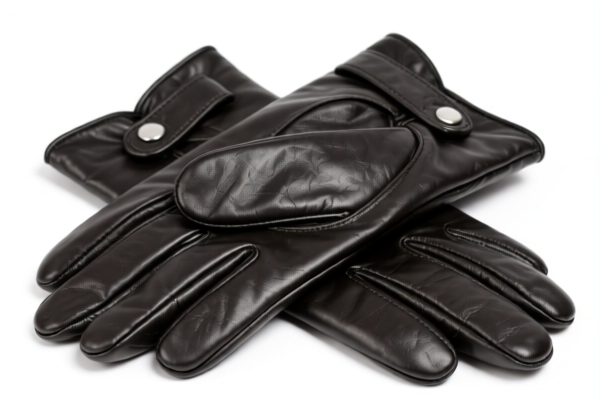
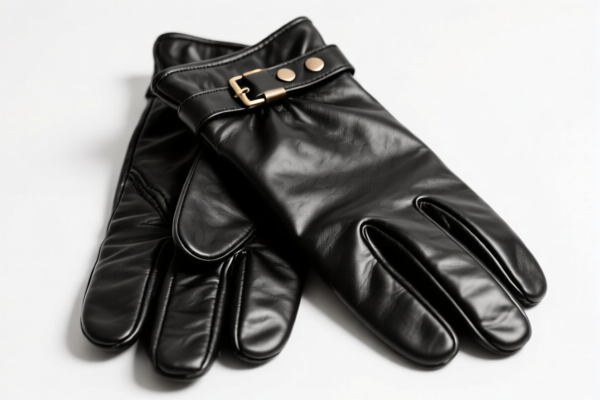
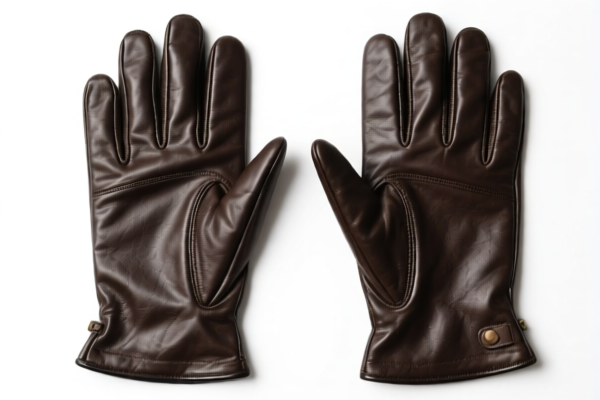
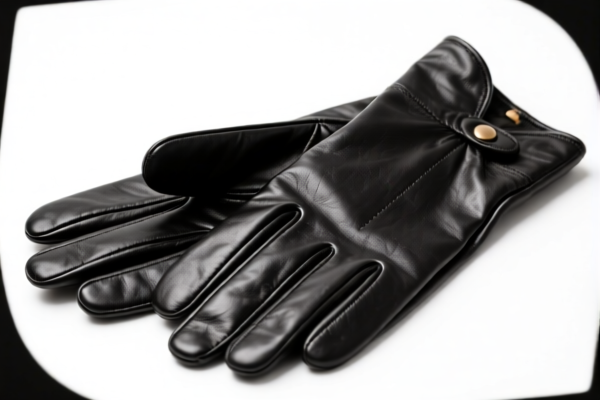
AI Analysis
🧤 Single-Piece Seamless Leather Gloves
🌐 HS Code Reference & Customs Clearance Guide | 2026 Latest Tariff Analysis | Professional Clearance Strategy
📌 I. Product Definition and Classification: Do You Really Understand “Seamless Leather Gloves”?
Single-piece seamless leather gloves are high-end protective or fashion accessories manufactured from a single continuous piece of leather, eliminating side seams through specialized stretching or molding techniques. In international trade, they are primarily classified under Chapter 42 (Articles of Leather) rather than Chapter 61 (Clothing) because leather gloves are not considered "knitted or crocheted."
Key Classification Criteria:
1. Material: Pure leather (cowhide, sheepskin, goatskin, etc.).
2. Structure: Single-piece (seamless) construction vs. multi-panel stitched gloves.
3. Usage: Fashion, industrial protection, or sports.
4. Lining: Unlined vs. lined (silk, wool, synthetic).
⚠️ Critical Distinction:
- If the gloves are leather, they go to Chapter 42 (HS 4203).
- If the gloves are textile/fabric (even if treated to look like leather), they may fall under HS 6116.
- Seamless is a manufacturing feature, not a separate HS code category, but it affects the perceived value and potential classification debates with customs.
📦 II. HS Code Classification Details (2026 Latest Tariff Authority Reference)
| HS Code | Product Description | Application Scenario | Liner Status |
|---|---|---|---|
4203.10.00.00 |
Articles of leather or composition leather (Other) | Unlined leather gloves (Fashion, light protection) | ❌ No liner |
4203.21.00.00 |
Gloves, mittens, and mitts, of leather | Lined leather gloves (Winter wear, warm lining) | ✅ Lined (Any material) |
4203.29.00.00 |
Gloves, mittens, and mitts, of leather | Industrial/Protective leather gloves (High durability) | ✅ Or ❌ |
3926.90.97.00 |
Other articles of plastics | Imitation Leather (PVC/PU) gloves | N/A (Misdeclaration risk) |
6116.93.00.00 |
Gloves, mittens, and mitts, knitted/crocheted, impregnated/coated | Synthetic "leather-like" gloves | ❌ Textile base |
🔍 Key Reminder:
-4203.10.00.00is typically for fashion, unlined leather gloves.
-4203.21.00.00is for lined leather gloves (most common for winter wear).
-4203.29.00.00is often used for industrial/padding leather gloves.
- Seamless construction does not change the HS code from Chapter 42, but ensures the product is not misclassified as textile gloves.
💰 III. 2026 Latest Tariff Rate Breakdown (Including Surcharges & Policy Add-ons)
✅ Applicable Country: United States (US)
✅ Country of Origin: China (CN)
✅ Effective Date: November 10, 2025 onwards (for subsequent imports)
🎯 1. 4203.21.00.00 – Lined Leather Gloves (Fashion/Winter)
| Item | Content |
|---|---|
| Base Tariff Rate | 10% (ad valorem) |
| USITC Surcharge (Section 301) | +7.5% (Footnote 9903.88.01, Phase 4) |
| IEEPA Surcharge | +10% (For China/HK products, effective Nov 10, 2025) |
| Total Tariff Rate | 27.5% |
| Tax Calculation | CIF Value × 27.5% |
| De Minimis Eligibility | ❌ Not Eligible (deny_de_minimis) |
| Legal Basis Path | IEEPA:9903.01.25 → IEEPA:9903.01.24 → USITC:4203.21.00.00 → FOOTNOTE:9903.88.01 |
📌 Explanation:
- The 7.5% is the current Section 301 rate for Phase 4 goods (some leather articles).
- The 10% is the new IEEPA surcharge specifically targeting Chinese leather goods effective late 2025.
- Total: 27.5%. This is a significant cost burden.
🎯 2. 4203.10.00.00 – Unlined Leather Gloves (Fashion/Summer)
| Item | Content |
|---|---|
| Base Tariff Rate | 10% |
| USITC Surcharge (Section 301) | +7.5% |
| IEEPA Surcharge | +10% |
| Total Tariff Rate | 27.5% |
| Tax Calculation | CIF Value × 27.5% |
| De Minimis Eligibility | ❌ Not Eligible |
| Legal Basis Path | Same as above |
📌 Note:
- Both lined and unlined leather gloves face the same tariff structure in the US due to current trade policies.
- "Seamless" does not grant any tariff preference.
🎯 3. 4203.29.00.00 – Industrial/Protective Leather Gloves
| Item | Content |
|---|---|
| Base Tariff Rate | 10% |
| USITC Surcharge (Section 301) | +7.5% |
| IEEPA Surcharge | +10% |
| Total Tariff Rate | 27.5% |
| Tax Calculation | CIF Value × 27.5% |
| De Minimis Eligibility | ❌ Not Eligible |
📌 Note:
- Industrial leather gloves are also subject to the same 27.5% total rate.
- Ensure the product description clearly states "Industrial" or "Protective" to avoid misclassification with fashion gloves, which may have different compliance requirements (e.g., flammability standards).
🛠️ IV. Customs Clearance Practical Advice (Real-World Pitfall Avoidance)
✅ 1. Required Documentation Checklist (Non-negotiable)
| Document | Mandatory? | Description |
|---|---|---|
| ✅ Product Specification Sheet | ✔️ | Material (Leather type: Cow/Sheep/Goat), Lining material, Liner thickness |
| ✅ Product Photos (With & Without Liner) | ✔️ | Show the "seamless" structure vs. stitched alternatives |
| ✅ Commercial Invoice | ✔️ | Must state: "Single-Piece Seamless Leather Gloves, Lined/Unlined, HS 4203.xxxx" |
| ✅ Certificate of Origin (CO) | ✔️ | For potential future FTAs (though currently limited for China-US) |
| ✅ FCC/CE Certificates | ❌ | Not required for leather gloves unless embedded with electronics |
| ✅ Flammability Report | ✔️ | Recommended for fashion gloves (CPSC compliance in US) |
✅ 2. Declaration Tips (Key Mantra)
🔥 "Leather goes to Ch42, Textile to Ch61, Lined vs. Unlined matters, Seamless is not a Code!"
| Scenario | Correct Declaration | Wrong Practice |
|---|---|---|
| Lined Leather Gloves | 4203.21.00.00 |
Misdeclare as Textile (6116) → 0% risk, but high penalty if caught |
| Unlined Leather Gloves | 4203.10.00.00 |
Misdeclare as Fashion Accessory under other chapters |
| PU/PVC Gloves | 3926.90.97.00 |
Misdeclare as Leather → Higher duty & compliance risk |
| Mixed Material (Leather Palm, Fabric Back) | 4203.10.00.00 or 6116.93.00.00 |
Complex classification; provide detailed material breakdown |
✅ 3. Special Cases Handling
| Situation | Handling Advice |
|---|---|
| OEM Custom Gloves | Provide design sheets to prove "single-piece" construction. Customs may inspect for seam lines. |
| "Leather-Look" Synthetic | Must declare as Plastic/Textile (HS 3926 or 6116). Do not declare as Leather. |
| Gloves with Metal Hardware | If metal parts constitute more than 5% of value/structure, still Class 42, but declare hardware separately. |
| Gift Sets (Gloves + Box) | Value of gloves is declared. Box is part of the retail packaging. |
🌍 V. Global Market Comparison (2026 Latest)
| Country/Region | Recommended HS Code | Tariff Rate (China Origin) | Certification Requirements | Notes |
|---|---|---|---|---|
| 🇺🇸 USA | 4203.21.00.00 |
27.5% (10% Base + 7.5% 301 + 10% IEEPA) | CPSC (Flammability) | High tariff burden. |
| 🇨🇳 China | 4203.21.00.00 |
10% | No special certs | Standard export. |
| 🇪🇺 EU | 4203.21.00.00 |
6% | REACH (Chemicals) | No IEEPA/301 surcharges. |
| 🇬🇧 UK | 4203.21.00.00 |
6% | UKCA | Post-Brexit tariff. |
| 🇯🇵 Japan | 4203.21.00.00 |
8.2% | No special certs | Moderate tariff. |
| 🇦🇺 Australia | 4203.21.00.00 |
5% | ADR (if hazardous) | Low tariff. |
📌 Conclusion:
- USA is the most challenging market due to 27.5% total tariffs.
- EU, UK, Japan, Australia offer significantly lower duties (5-8.2%).
- No de minimis exemption in the US for leather gloves from China.
📌 VI. Common Errors & Pitfall Guide (Lessons Learned)
❌ Error 1: Declaring PU Leather gloves as Genuine Leather
👉 Consequence: Customs seizure, fines, and potential fraud charges. PU is Plastic (Ch 39) or Textile (Ch 61).
❌ Error 2: Using HS 6116 (Textile Gloves) for Leather gloves
👉 Consequence: If caught, penalties are severe. Leather is strictly Chapter 42.
❌ Error 3: Ignoring the Liner distinction
👉 Consequence: Misclassification between 4203.10 (Unlined) and 4203.21 (Lined). While tariffs are similar now, compliance documentation must match.
❌ Error 4: Not declaring "Single-Piece/Seamless" in description
👉 Consequence: May lead to additional inspection time if customs suspect hidden seams or mixed materials.
✅ Correct Declaration Example:
"Single-Piece Seamless Cowhide Leather Gloves, Unlined, Fashion Type, HS 4203.10.00.00, Made in China"
🎯 VII. Conclusion: Precise Classification Saves Money!
🎯 Remember the Mantra:
🔹 "Leather is Chapter 42, Lined vs. Unlined defines the code, Seamless is a feature, not a code, USA 27.5% is the key number!"
🔹 "Don't mix Leather with Textile, HS Code is your shield, Declare accurately, avoid delays!"
📌 Pro Tip:
If your leather gloves are originating from Vietnam, Indonesia, or Malaysia, you may avoid IEEPA and Section 301 surcharges, reducing the tariff to 0-10% (depending on FTA).
Consider supply chain diversification if shipping to the US.
📣 Immediate Action:
📞 Contact a licensed customs broker + Provide Material Certificate + Apply for Advance Ruling if uncertain.
🚀 Ensure your gloves clear customs smoothly, avoid delays, and maximize profit margins!
✨ Professional Clearance Starts with Accurate Classification!
💼 Every percent of duty counts in the leather glove trade!
Customer Reviews
About HS Code Classification
The Harmonized System (HS) is an internationally standardized nomenclature developed by the World Customs Organization (WCO) to classify traded products. Over 200 countries use the HS system as the basis for customs tariffs, trade statistics, and import/export regulations.
Each HS code follows a hierarchical structure:
- Chapter (2 digits) — Broad category of goods (e.g., Chapter 84: Machinery and Mechanical Appliances)
- Heading (4 digits) — More specific grouping within the chapter
- Subheading (6 digits) — Internationally standardized breakdown, used by all WCO member countries
- National subdivisions (8-10 digits) — Country-specific extensions for further classification, such as US HTSUS 10-digit codes
Correct HS code classification is essential for smooth customs clearance, accurate duty payment, and compliance with trade regulations. Misclassification can lead to customs delays, overpayment of duties, or penalties.
When importing from CN to US, the applicable tariff rates may include:
- Most-Favored-Nation (MFN) rate — The standard duty rate applied to WTO members
- General rate — Applied to countries without trade agreements
- Trade remedy duties — Additional tariffs such as Section 301 (anti-dumping), Section 232 (national security), or countervailing duties
The information provided on this page is for reference purposes only. For official classification, please consult with your local customs authority or a licensed customs broker.