leather headbands
CN → US| HS Code | Tariff Rate | Origin | Destination | Doc |
|---|---|---|---|---|
| 6217101010 | 19.8% | CN | US | Official Doc |
| 6117802000 | 18.7% | CN | US | Official Doc |
| 6117808500 | 32.1% | CN | US | Official Doc |
| 4203300000 | 37.7% | CN | US | Official Doc |
| 4205008000 | 35.0% | CN | US | Official Doc |
Product Images
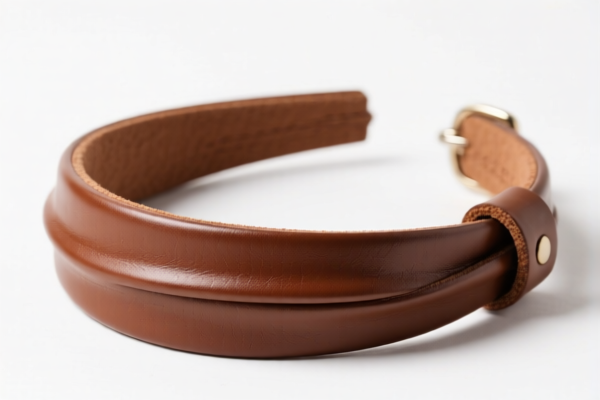
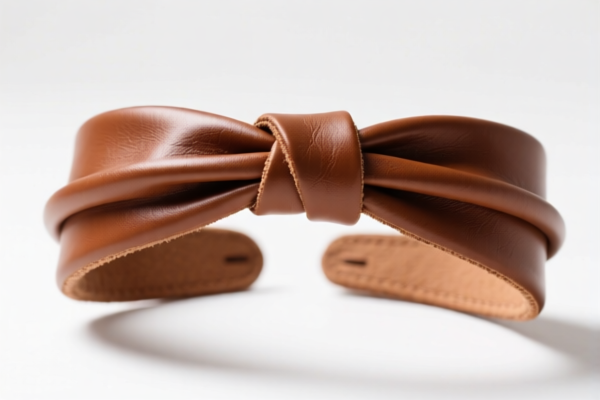
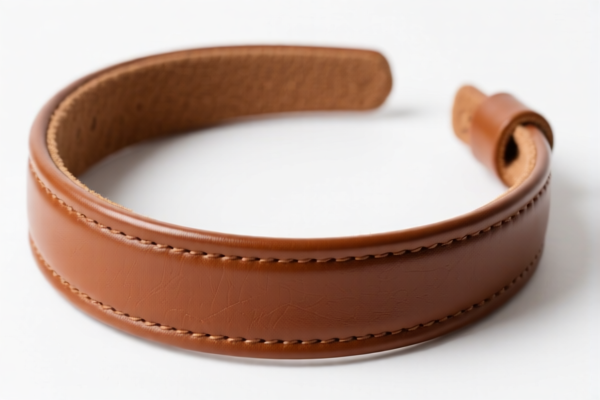
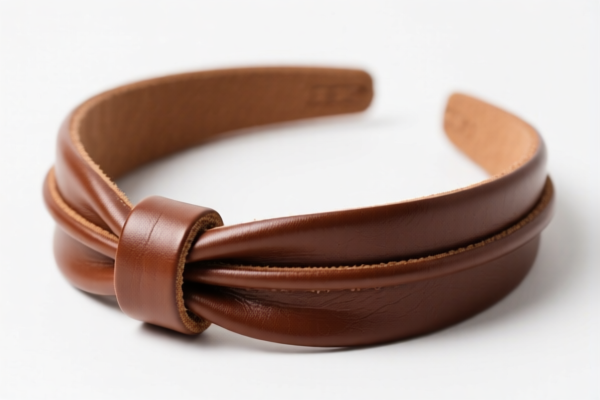
AI Analysis
🎀 Headbands & Leather Accessories (Import Clearance Guide)
🌐 HS Code Reference & Customs Strategy | 2026 Latest Tariff Analysis | Professional Clearance Strategy
📌 I. Product Definition & Classification: What Exactly Are "Leather Headbands"?
In the context of international trade and US customs regulations, products marketed as "Headbands" or "Leather Headbands" are often misclassified. The correct HS Code depends entirely on the material composition (Knitted vs. Woven vs. Leather) and the nature of the accessory (Apparel vs. General Accessories).
⚠️ Critical Distinction Point:
- If the headband is Knitted/Crocheted fabric (e.g., cotton, synthetic knit) → It is classified under Chapter 61 (Articles of apparel and clothing accessories, knitted or crocheted).
- If the headband is Woven Fabric (e.g., silk, polyester woven) → It is classified under Chapter 62 (Articles of apparel and clothing accessories, not knitted or crocheted).
- If the headband is made of Leather/Synthetic Leather (e.g., genuine leather, PU belts) → It is classified under Chapter 42 (Articles of leather or composite leather).
📦 II. HS Code Classification Details (2026 Latest Tariff Authority Comparison)
Based on the provided data, here are the four potential classifications for "Headbands" and "Leather Accessories," along with their specific tax implications.
| HS Code | Product Description | Material/Type | Applicable Scenario | Total Tax Rate |
|---|---|---|---|---|
6217.10.10.10 |
Headbands, ponytail holders, and similar articles | Woven Fabric (Possibly Silk) | Woven fabric headbands, silk accessories | 19.8% |
6117.80.20.00 |
Other made-up clothing accessories | Knitted/Woven Fabric | General fabric headbands, knit hair ties, non-leather accessories | 18.7% |
6117.80.85.00 |
Headbands, ponytail clips, and similar articles | Knitted/Crocheted | Knitted or crocheted headbands, elastic knit hair accessories | 32.1% |
4203.30.00.00 |
Articles of apparel clothing accessories of leather | Leather/Pelt | Genuine leather belts, leather headbands, pelt-based accessories | 37.7% |
4205.00.80.00 |
Other articles of leather or composite leather | Leather/Composite | Synthetic leather (PU/PVC), composite leather straps/bands | 35.0% |
🔍 Key Reminder:
- "Leather" is the highest risk category: If your "headband" is made of genuine leather or PU leather, it cannot be classified under Chapter 61/62. It must go to Chapter 42 (4203.30or4205.00).
- Fabric Type Matters:
- Woven (like silk scarves/headbands) →6217.10.10.10(19.8%).
- Knitted/Crocheted (like elastic hair ties) →6117.80.85.00(32.1%) or6117.80.20.00(18.7%).
- Misclassification Penalty: Declaring a leather headband as a knitted fabric accessory (6117) will result in severe penalties, back-taxes, and potential seizure.
💰 III. 2026 Latest Tariff Rate Details (Including Surtaxes & Policy Add-ons)
✅ Applicable Country: United States (US)
✅ Country of Origin: China (CN)
✅ Effective Time: Current rates apply (including 301 Section and 122 Clause tariffs)
🎯 1. 6217.10.10.10 – Headbands, Woven Fabric (e.g., Silk)
| Item | Content |
|---|---|
| Base Duty | 2.3% (Ad Valorem) |
| Section 301 Surtax | 7.5% |
| Section 122 Clause | 10% |
| Total Rate | 19.8% |
| Tax Calculation | CIF Value × 19.8% |
| De Minimis Exemption | ❌ Not Applicable (Valued goods subject to full duty) |
| Legal Basis Path | USITC:6217.10.10.10 → 301:7.5% → 122:10% |
📌 Explanation:
- This code is for woven headbands (non-knitted).
- Common for silk or polyester woven bands.
- Moderate Risk: Lower base duty, but the 122 clause adds significant cost.
🎯 2. 6117.80.20.00 – Other Knitted/Woven Accessories (General)
| Item | Content |
|---|---|
| Base Duty | 1.2% (Ad Valorem) |
| Section 301 Surtax | 7.5% |
| Section 122 Clause | 10% |
| Total Rate | 18.7% |
| Tax Calculation | CIF Value × 18.7% |
| De Minimis Exemption | ❌ Not Applicable |
| Legal Basis Path | USITC:6117.80.20.00 → 301:7.5% → 122:10% |
📌 Explanation:
- This is the lowest tax rate for fabric headbands.
- Best for non-silk, non-leather general accessories (e.g., cotton blends, synthetic weaves).
- Strategy: If possible, ensure the product is not knitted (6117.80.85) and not leather to benefit from this lower rate.
🎯 3. 6117.80.85.00 – Knitted/Crocheted Headbands & Clips
| Item | Content |
|---|---|
| Base Duty | 14.6% (Ad Valorem) |
| Section 301 Surtax | 7.5% |
| Section 122 Clause | 10% |
| Total Rate | 32.1% |
| Tax Calculation | CIF Value × 32.1% |
| De Minimis Exemption | ❌ Not Applicable |
| Legal Basis Path | USITC:6117.80.85.00 → 301:7.5% → 122:10% |
📌 Explanation:
- This code is specifically for Knitted or Crocheted items (e.g., elastic hair ties, knit headbands).
- High Base Duty: 14.6% is significantly higher than other fabric codes.
- Risk: Do NOT use this for woven silk or leather items.
🎯 4. 4203.30.00.00 – Leather Apparel Accessories (Genuine Leather)
| Item | Content |
|---|---|
| Base Duty | 2.7% (Ad Valorem) |
| Section 301 Surtax | 25.0% |
| Section 122 Clause | 10% |
| Total Rate | 37.7% |
| Tax Calculation | CIF Value × 37.7% |
| De Minimis Exemption | ❌ Not Applicable |
| Legal Basis Path | USITC:4203.30.00.00 → 301:25.0% → 122:10% |
📌 Explanation:
- For Genuine Leather headbands, belts, or pelt accessories.
- High 301 Surtax: The 25% Section 301 tariff is the highest among fabric codes.
- Note: Even though the base duty is low (2.7%), the total burden is high.
🎯 5. 4205.00.80.00 – Other Leather/Composite Leather Articles (PU/Synthetic)
| Item | Content |
|---|---|
| Base Duty | 0.0% (Ad Valorem) |
| Section 301 Surtax | 25.0% |
| Section 122 Clause | 10% |
| Total Rate | 35.0% |
| Tax Calculation | CIF Value × 35.0% |
| De Minimis Exemption | ❌ Not Applicable |
| Legal Basis Path | USITC:4205.00.80.00 → 301:25.0% → 122:10% |
📌 Explanation:
- For Synthetic Leather (PU, PVC) or composite leather bands.
- Zero Base Duty: No traditional duty, but the 25% Section 301 surtax makes it expensive.
- Common Use: Most "faux leather" headbands on Amazon/AliExpress fall here.
🛠️ IV. Customs Clearance Practical Advice (Battle-Tested Pitfall Avoidance Guide)
✅ 1. Documentation Checklist (No Exceptions)
| Document | Required? | Description |
|---|---|---|
| ✅ Product Specifications | ✔️ | Must clearly state material (e.g., "100% Cotton Knit" vs. "Genuine Leather"). |
| ✅ Material Composition Label | ✔️ | Photo of the tag/label showing fiber content or leather type. |
| ✅ Product Photos | ✔️ | Clear images of the item, including texture (to distinguish knit vs. woven vs. leather). |
| ✅ Commercial Invoice | ✔️ | Must accurately describe the item as "Headband" + Material (e.g., "Knitted Cotton Headband"). |
| ✅ Packing List | ✔️ | Item count, weight, dimensions. |
✅ 2. Declaration Strategy (Key Mnemonic)
🔥 "Knit vs. Weave vs. Leather: Choose Right, Save Money!"
| Scenario | Correct HS Code | Error Risk |
|---|---|---|
| Knitted/Elastic Hair Tie | 6117.80.85.00 (32.1%) |
❌ Do NOT declare as Leather (37.7%+) |
| Woven Silk Headband | 6217.10.10.10 (19.8%) |
❌ Do NOT declare as Knit (32.1%) |
| General Fabric Accessory | 6117.80.20.00 (18.7%) |
✅ Best Rate for Non-Leather |
| Genuine Leather Band | 4203.30.00.00 (37.7%) |
❌ Do NOT declare as Fabric (Will be audited) |
| PU/Synthetic Leather Band | 4205.00.80.00 (35.0%) |
⚠️ High surtax, but correct for PU |
✅ 3. Special Case Handling
| Scenario | Handling Advice |
|---|---|
| "Leather-Trimmed" Fabric Headband | If >50% by weight is fabric, it may still be Chapter 61/62. If >50% leather, it is Chapter 42. Default to the predominant material. |
| Embroidered Leather Headband | Still 4203.30.00.00. Embroidery does not change the base material classification. |
| Set of Headbands (Mixed Materials) | Declare Separately. Do not lump a leather band with a cotton band. Mixed shipments require separate HS Codes for accurate duty assessment. |
| Unbranded vs. Branded | Brand name does not affect HS Code, but trademark information must be included in the invoice to avoid IP seizures. |
🌍 V. Global Main Market Clearance Comparison (2026 Latest)
| Country/Region | Recommended HS Code | Approx. Tariff (China Origin) | Certification Requirements | Notes |
|---|---|---|---|---|
| 🇺🇸 USA | 6117.80.20.00 (Fabric) / 4205.00.80.00 (Leather) |
18.7% – 37.7% | None specific for accessories | Highest risk due to Section 301 & 122 |
| 🇨🇳 China | 6117.80.20.00 / 4203.30.00.00 |
5% – 10% | None | Low duty, no surtax |
| 🇪🇺 EU | 6117.80.20 / 4203.21 |
0% – 12% | REACH (Chemicals) | No Section 301/122 equivalent |
| 🇬🇧 UK | 6117.80.20 / 4203.21 |
0% – 12% | UKCA (if applicable) | Post-Brexit rules apply |
| 🇦🇺 Australia | 6117.80.20 / 4203.21 |
5% – 10% | ACCC (Safety) | No major surtax |
📌 Conclusion:
- USA is the most expensive market for Chinese-origin headbands due to Section 301 (7.5%-25%) and Section 122 (10%).
- EU/UK have lower duties but stricter chemical/reach regulations for leather dyes and fabric treatments.
- Strategy: For US imports, consider Section 301 Exclusions (if applicable) or re-export from third countries (e.g., Vietnam, Mexico) to avoid surtaxes.
📌 VI. Common Mistakes & Pitfall Guide (Lessons from Blood and Tears)
❌ Mistake 1: Declaring Leather Headbands as "Knitted Fabric Accessories" (6117)
👉 Consequence: Customs will seize the goods, impose penalties, and demand back-taxes + interest. High Risk of Audit.
❌ Mistake 2: Lumping Silk (Woven) headbands with Cotton (Knitted) headbands under one HS Code
👉 Consequence: Incorrect duty calculation. Silk (6217) and Knitted (6117) have different base duties. Underpayment leads to penalties.
❌ Mistake 3: Ignoring Section 122 Clause (10%) in cost calculation
👉 Consequence: Profit margins evaporate. This 10% applies to most consumer goods from China, regardless of HS Code. Must include in FOB/CIF pricing.
✅ Correct Practice:
"Headband, Knitted, 100% Cotton, White, Model XYZ"
OR
"Headband, Genuine Leather, Brown, Adjustable, Model ABC"
🎯 VII. Conclusion: Precise Classification Saves Money!
🎯 Remember the Mnemonic:
🔹 "Knit is 61, Weave is 62, Leather is 42. Don't Mix, or You'll Pay!"
🔹 "301 is 7.5% to 25%, 122 is 10%. Total is High, So Be Careful!"
🔹 "Leather is 35-37%, Fabric is 18-32%. Choose Wisely!"
📌 Pro Tip:
- If you import large volumes, apply for a Binding Ruling with US Customs and Border Protection (CBP) to get a definitive HS Code classification.
- For PU Leather, ensure your supplier provides a Material Safety Data Sheet (MSDS) to prove it is not regulated under other chemical categories.
- Consider Tariff Engineering: Can the product be redesigned to be classified as a lower-duty item? (e.g., changing from leather to woven fabric).
📣 Immediate Action:
📞 Contact a Licensed Customs Broker + Provide Product Photos + Request HS Code Ruling
🚀 Clear Your Goods Smoothly, Avoid Delays, Maximize Profit!
✨ Professional Clearance Starts with Accurate Classification!
💼 Every Percent of Duty Saved is Pure Profit!
Customer Reviews
About HS Code Classification
The Harmonized System (HS) is an internationally standardized nomenclature developed by the World Customs Organization (WCO) to classify traded products. Over 200 countries use the HS system as the basis for customs tariffs, trade statistics, and import/export regulations.
Each HS code follows a hierarchical structure:
- Chapter (2 digits) — Broad category of goods (e.g., Chapter 84: Machinery and Mechanical Appliances)
- Heading (4 digits) — More specific grouping within the chapter
- Subheading (6 digits) — Internationally standardized breakdown, used by all WCO member countries
- National subdivisions (8-10 digits) — Country-specific extensions for further classification, such as US HTSUS 10-digit codes
Correct HS code classification is essential for smooth customs clearance, accurate duty payment, and compliance with trade regulations. Misclassification can lead to customs delays, overpayment of duties, or penalties.
When importing from CN to US, the applicable tariff rates may include:
- Most-Favored-Nation (MFN) rate — The standard duty rate applied to WTO members
- General rate — Applied to countries without trade agreements
- Trade remedy duties — Additional tariffs such as Section 301 (anti-dumping), Section 232 (national security), or countervailing duties
The information provided on this page is for reference purposes only. For official classification, please consult with your local customs authority or a licensed customs broker.