leather scrap for gloves
CN → US| HS Code | Tariff Rate | Origin | Destination | Doc |
|---|---|---|---|---|
| 4107127040 | 15.0% | CN | US | Official Doc |
| 4107927040 | 15.0% | CN | US | Official Doc |
Product Images
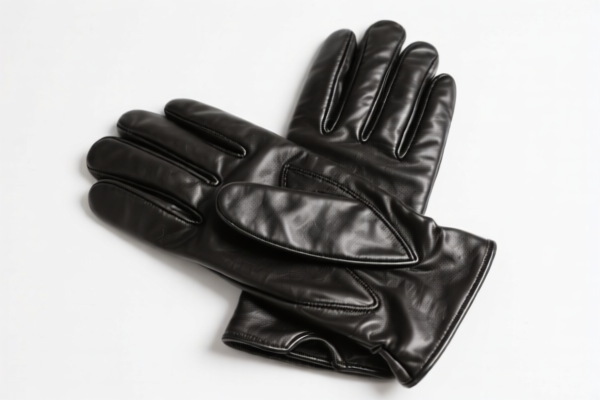
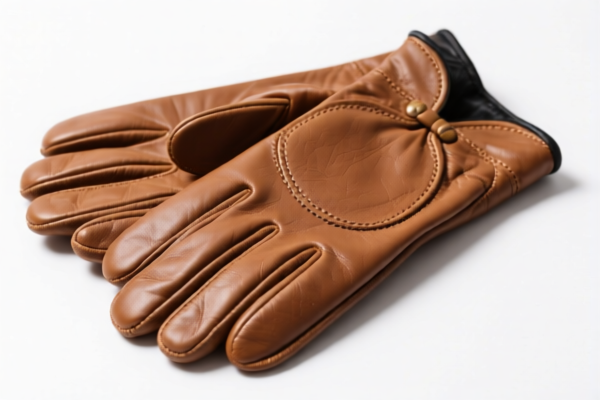
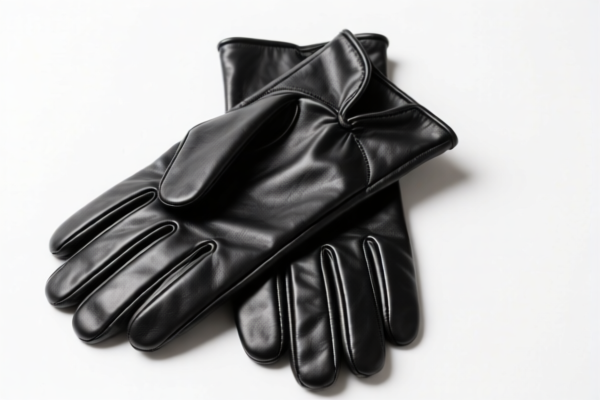
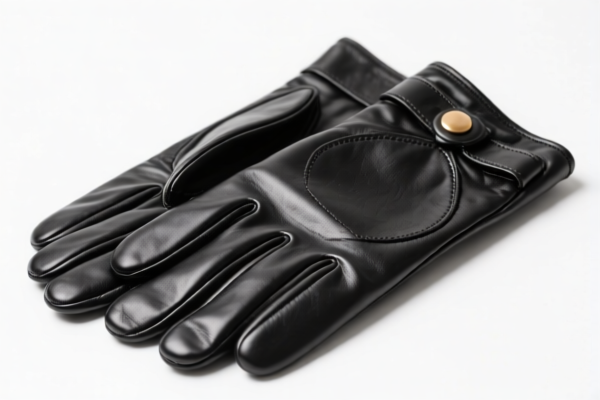
AI Analysis
🧤 Leather Scrap for Gloves (Bovine/Equine, Not Fancy Glove & Garment)
🌐 HS Code Reference & Customs Clearance Guide | 2026 Latest Tariff Analysis | Professional Level Clearance Strategy
📌 Part 1: Product Definition & Classification: Do you really understand "Leather Scrap" for gloves?
Leather scrap for gloves, in the context of international trade customs classification, refers to bovine (including buffalo) or equine leather that has undergone tanning or crust processing but is specifically excluded from the category of "fancy glove and garment leather."
In global trade, this product is typically split into two main structural categories based on its physical form:
Whole Hides and Skins (Grain Splits): The leather retains the shape of the hide/skin but is a split layer (not the top grain layer used for high-end gloves), or it is a complete hide/skin that does not meet the "fancy glove" quality standard. Other Shapes (Including Sides): The leather has been cut into sides, panels, or irregular shapes, suitable for lower-end glove production, industrial gloves, or non-fancy garment uses.
⚠️ Key Distinction Point:
- If the leather is explicitly designated as "fancy glove and garment leather" (high-quality, fine grain, specifically processed for luxury gloves), it generally falls under Heading 4114.
- If it is NOT "fancy glove and garment leather" (i.e., lower quality, coarse, or standard industrial grade), it falls under Heading 4107.
- Crucial Note: Even if intended for gloves, if it does not meet the "fancy" criteria, it is classified as standard tanned leather under 4107.
📦 Part 2: HS Code Classification Details (2026 Latest Tariff Authority Comparison)
| HS Code | Product Description | Applicable Scenario | Key Characteristics |
|---|---|---|---|
4107.12.70.40 |
Leather of bovine/equine, without hair, other than 4114: Whole hides and skins: Grain splits: Other: Not fancy Glove and garment | Standard bovine/equine hide splits; not top-grain; not luxury glove material. | ✅ Not Fancy Glove Material |
4107.92.70.40 |
Leather of bovine/equine, without hair, other than 4114: Other, including sides: Grain splits: Other: Not fancy Glove and garment | Leather cut into sides or irregular shapes; not top-grain; not luxury glove material. | ✅ Not Fancy Glove Material |
🔍 Key Reminder:
- Both codes explicitly state "Not fancy Glove and garment". This is the critical differentiator. If your supplier labels it as "Fancy Glove Leather," you must verify if it truly qualifies under Heading 4114. If it is merely "leather for gloves" but of standard/commodity grade, these 4107 codes are correct. - Both entries specify "Grain splits" (or other forms), meaning it is not the top full-grain layer used for high-end fashion gloves.
💰 Part 3: 2026 Latest Tariff Rate Details (Including Surtax, Policy Surcharges)
✅ Applicable Country: United States (US)
✅ Origin: China (CN)
✅ Effective Date: 2025-11-10 onwards (including subsequent imports)
🎯 1. 4107.12.70.40 —— Bovine/Equine Leather, Whole Hides, Grain Splits, Not Fancy Glove
| Item | Content |
|---|---|
| Base Tariff Rate | 0.0% |
| Additional Tariff (301/IEEPA) | 0.0% |
| Total Tariff Rate | 0.0% |
| Tax Calculation | CIF Value × 0.0% = $0 |
| De Minimis Eligibility | ❌ Not Applicable (General Trade) |
| Legal Basis Path | USITC:4107.12.70.40 |
📌 Explanation:
- Base Rate: Under the Harmonized Tariff Schedule (HTS), most tanned leather falls under a 0% base duty for many origins, but specific surcharges may apply. - Additional Tariffs: For this specific subheading (4107.12.70.40), the provided data indicates 0% additional tariffs. This is significantly lower than many other textile and apparel components which face 25% or 10% surcharges. - Total Cost: The total tax burden is 0%, making it a low-cost raw material import from a tariff perspective.
🎯 2. 4107.92.70.40 —— Bovine/Equine Leather, Other (Including Sides), Not Fancy Glove
| Item | Content |
|---|---|
| Base Tariff Rate | 0.0% |
| Additional Tariff (301/IEEPA) | 0.0% |
| Total Tariff Rate | 0.0% |
| Tax Calculation | CIF Value × 0.0% = $0 |
| De Minimis Eligibility | ❌ Not Applicable (General Trade) |
| Legal Basis Path | USITC:4107.92.70.40 |
📌 Note:
- Like the previous code, this falls under the same 0% total tax category. - Whether the leather is in whole hide form (split) or side form, as long as it is not fancy glove/garment leather, the tariff rate remains 0%.
🛠️ Part 4: Customs Clearance Practical Advice (Real-World Pitfall Avoidance Guide)
✅ 1. Required Documentation Checklist (None Can Be Omitted)
| Document | Must Provide | Description |
|---|---|---|
| ✅ Product Specification Sheet | ✔️ | Must clearly state: Animal source (Bovine/Equine), Processing method (Tanned/Crust), Type (Split vs. Full Grain), and explicitly state "Not Fancy Glove/Garment Leather". |
| ✅ Commercial Invoice | ✔️ | Must match the HS Code description precisely. Avoid vague terms like "Leather Scrap"; use "Tanned Bovine Leather Splits, Not Fancy Glove Material." |
| ✅ Packing List | ✔️ | Detail the weight, quantity, and packaging method. |
| ✅ Certificate of Origin (CO) | ✔️ | Required to prove origin for tariff calculation (though 0% here, it’s standard procedure). |
| ✅ Test Report | ✔️ | Optional but recommended to prove composition and processing stage (tanned/crust). |
✅ 2. Declaration Techniques (Key Mnemonic)
🔥 "Not Fancy, Just Tanned; Split or Side, Zero Tax!"
| Scenario | Correct Declaration | Incorrect Practice |
|---|---|---|
| Leather intended for cheap work gloves | 4107.12.70.40 or 4107.92.70.40 |
Misdeclaring as "Fancy Glove Leather" (4114) → May trigger different inspection or higher scrutiny. |
| Leather intended for luxury fashion gloves | Heading 4114 (Not in this data set) | Misdeclaring as 4107 to get 0% tax → Customs Evasion Risk! |
| Vegetable-tanned vs. Chrome-tanned | Specify in description | Leaving it vague → Delays in clearance. |
| "Leather Scrap" vs. "Tanned Leather" | Use "Tanned Leather Splits/Sides" | Using "Scrap" may imply waste material with different regulations. |
✅ 3. Special Case Handling
| Scenario | Handling Advice |
|---|---|
| OEM Custom Leather | Provide supplier's technical data sheet proving the leather is a "split" and not "full grain fancy." |
| Mixed Bundles | If a shipment contains both "Fancy" and "Non-Fancy" leather, they must be declared separately. Do not mix codes. |
| Origin Ambiguity | Ensure the Certificate of Origin matches the supplier's declaration to avoid origin fraud allegations. |
🌍 Part 5: Global Main Market Customs Comparison (2026 Latest)
| Country/Region | Recommended HS Code | Tariff | Certification Requirements | Notes |
|---|---|---|---|---|
| 🇺🇸 USA | 4107.12.70.40 / 4107.92.70.40 |
0.0% | None specific for leather | Low tariff advantage for raw leather materials. |
| 🇨🇳 China | 4107.12.70.40 / 4107.92.70.40 |
5-10% (Varies) | None | Import duties may apply depending on current Chinese tariff schedule. |
| 🇪🇺 EU | 4107 Series |
4% (General) | REACH Compliance | EU has stricter environmental regulations on tanning agents. |
| 🇬🇧 UK | 4107 Series |
4% (General) | REACH Compliance | Post-Brexit rules apply. |
📌 Conclusion:
- The US offers a 0% tariff advantage for this specific classification ("Not Fancy Glove and Garment Leather"). - Ensure your product description explicitly excludes "fancy glove and garment" classification to maintain this 0% rate. - Misclassification as "Fancy Glove Leather" (Heading 4114) could lead to different duty rates and increased scrutiny.
📌 Part 6: Common Errors & Pitfall Avoidance Guide (Lessons Learned)
❌ Error 1: Declaring "Fancy Glove Leather" as "Not Fancy" to save taxes
👉 Consequence: Customs audit → Back taxes + Penalties + Potential blacklist.
❌ Error 2: Using vague terms like "Leather Scrap" on the invoice
👉 Consequence: Customs may classify it under waste material codes or request additional inspections → Delays.
❌ Error 3: Failing to distinguish between "Full Grain" and "Split"
👉 Consequence: If it is full grain and intended for fancy gloves, it should be 4114. Misclassifying 4107 when it should be 4114 is a serious error.
❌ Error 4: Ignoring the "Without Hair" requirement
👉 Consequence: If the leather still has hair on it, it falls under a different heading (4104/4105). Ensure it is clearly tanned and hair-removed.
✅ Correct Practice:
"Tanned Bovine Leather Splits, Without Hair, Not Fancy Glove or Garment Leather, Chrome-Tanned, HS 4107.12.70.40"
🎯 Part 7: Conclusion: Professional Declaration, Save Time, Reduce Costs!
🎯 Remember the Mnemonic:
🔹 "Not Fancy, Zero Tax; Fancy or Hair, Watch Out!"
🔹 "HS Code Determines Duty, 0% is Best, 4114 is Expensive, 4107 is Safe for Commodity Leather!"
📌 Small Tip:
If your leather is sourced from countries with Free Trade Agreements (FTAs) with the US (e.g., Mexico, Canada under USMCA), verify if specific rules of origin apply. However, for China-origin goods under the current data, the 0% rate is already applied without additional surcharges for this specific HS code.
📞 Contact Professional Customs Brokers + Provide Product Photos + Apply for HS Code Advance Ruling
🚀 Let Your Leather Pass Through Smoothly, Efficiently Overseas, and Maximize Profits!
✨ Professional Customs Clearance Starts with Accurate Classification!
💼 Every Cent of Your Cost Deserves to Be Precisely Calculated!
Customer Reviews
About HS Code Classification
The Harmonized System (HS) is an internationally standardized nomenclature developed by the World Customs Organization (WCO) to classify traded products. Over 200 countries use the HS system as the basis for customs tariffs, trade statistics, and import/export regulations.
Each HS code follows a hierarchical structure:
- Chapter (2 digits) — Broad category of goods (e.g., Chapter 84: Machinery and Mechanical Appliances)
- Heading (4 digits) — More specific grouping within the chapter
- Subheading (6 digits) — Internationally standardized breakdown, used by all WCO member countries
- National subdivisions (8-10 digits) — Country-specific extensions for further classification, such as US HTSUS 10-digit codes
Correct HS code classification is essential for smooth customs clearance, accurate duty payment, and compliance with trade regulations. Misclassification can lead to customs delays, overpayment of duties, or penalties.
When importing from CN to US, the applicable tariff rates may include:
- Most-Favored-Nation (MFN) rate — The standard duty rate applied to WTO members
- General rate — Applied to countries without trade agreements
- Trade remedy duties — Additional tariffs such as Section 301 (anti-dumping), Section 232 (national security), or countervailing duties
The information provided on this page is for reference purposes only. For official classification, please consult with your local customs authority or a licensed customs broker.